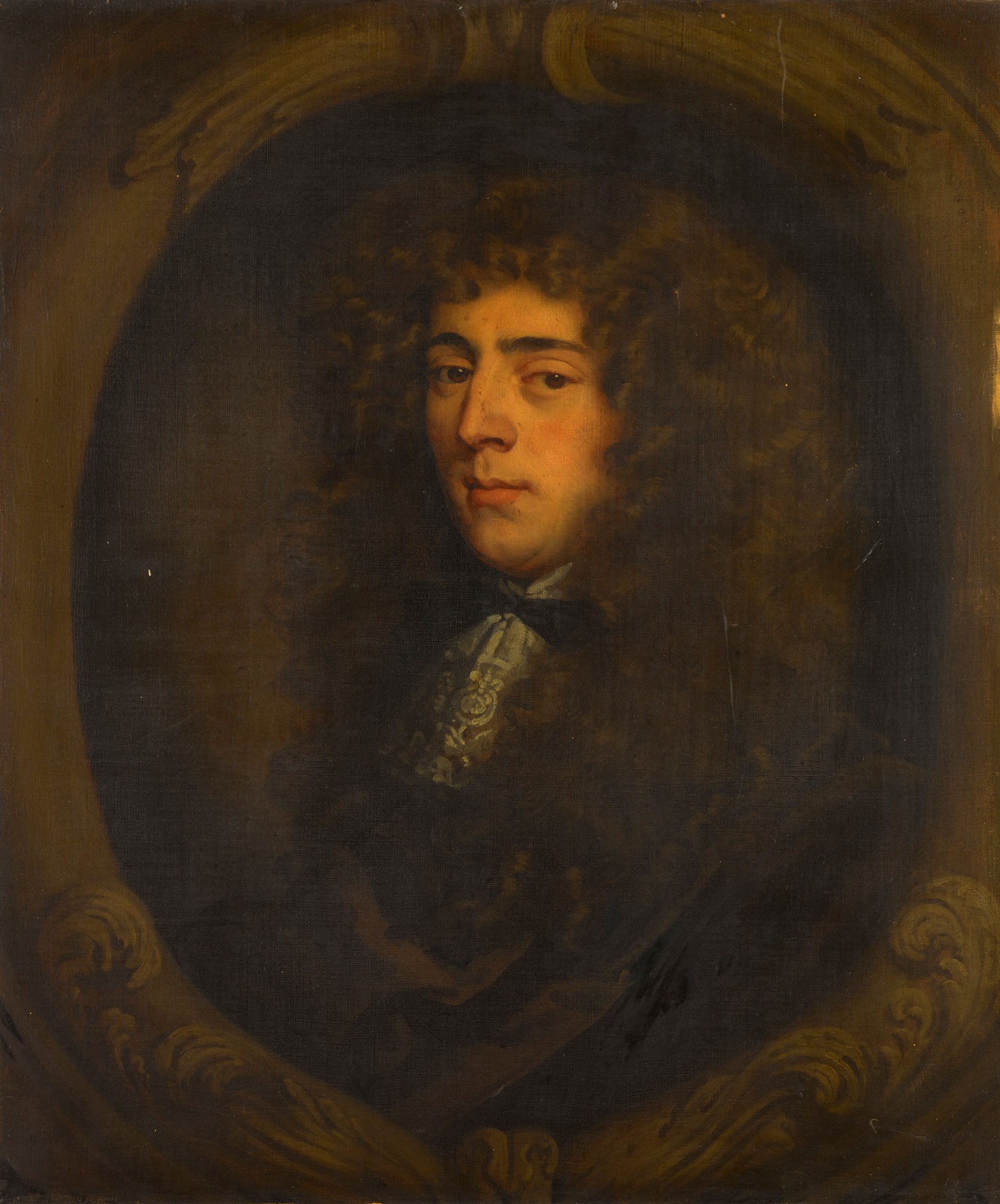
At the time of his passing, the net worth of Anthony Ashley-Cooper, 10th Earl of Shaftesbury, was estimated between £30 million and £60 million ($40 million to $80 million). This wealth was primarily comprised of the 9,000-acre St Giles estate in Dorset, significant property holdings in France, and an extensive collection of historic art and family heirlooms.
The Genesis of the Shaftesbury Estate Wealth
The financial profile of the 10th Earl of Shaftesbury cannot be understood without examining the centuries of land acquisition and political influence that preceded him. The Ashley-Cooper family, one of the most prominent dynasties in the British peerage, built their fortune through a combination of royal land grants, strategic marriages, and agricultural management.
The 10th Earl inherited the title and the accompanying estate in 1961 at the age of 15, following the death of his grandfather. This inheritance included the core of the family’s wealth: the St Giles House in Wimborne St Giles, Dorset. Unlike the "new money" fortunes of the mid-20th century, the Earl’s net worth was largely "land-poor." This means that while his total asset valuation was exceptionally high due to the sheer volume of acreage and the historical significance of the primary residence, his liquid capital—cash on hand—was often subject to the fluctuations of agricultural yields and the high costs of maintaining a Grade I listed manor.
The Shaftesbury fortune was also anchored by the legacy of the 7th Earl, a famous social reformer. While the 7th Earl was known for philanthropy, the family’s ability to sustain such work was rooted in a robust portfolio of tenanted farms, timber assets, and residential properties throughout the village of Wimborne St Giles. By the time the 10th Earl took control, the estate functioned as a complex commercial entity, balancing modern farming practices with the preservation of its architectural heritage.
St Giles House: The Core Asset and Financial Liability
The centerpiece of the 10th Earl’s net worth was undoubtedly St Giles House. Built in 1651, the house serves as the ancestral seat and represents a significant portion of the family’s tangible assets. In 2026, we look back at the 10th Earl’s tenure as a period of transition and, unfortunately, neglect for this specific asset.
During the late 20th century, the house was largely unoccupied. The 10th Earl spent much of his time abroad, particularly in the French Riviera. This geographic distance led to a decline in the physical state of the house, which ironically lowered its immediate market value while the underlying land value continued to appreciate. The 9,000 acres surrounding the house remained the "engine room" of the net worth. This land was utilized for:
- Arable Farming: Large-scale production of cereal crops.
- Timber Production: Sustainable forestry management in the estate's extensive woodlands.
- Residential Rentals: The estate owns a significant portion of the local village housing, providing a steady stream of rental income.
The valuation of such an estate is complex. In the early 2000s, agricultural land in Dorset was valued at several thousand pounds per acre. When combined with the "amenity value" of a historic seat, the real estate portion of the 10th Earl’s profile remained robust, even as the house itself fell into disrepair. It is important to note that many of these assets were held in discretionary trusts, a common financial structure for the British aristocracy designed to mitigate inheritance tax and ensure the estate remains intact for future generations.
Valuation of Tangible Assets: Art, Archives, and Heirlooms
Beyond real estate, a substantial portion of the 10th Earl’s net worth was tied up in "chattels"—personal property including fine art, antique furniture, and historical archives. The Shaftesbury collection included works by prominent masters, some of which were sold at various points to fund the estate’s operations or the Earl’s personal lifestyle.
The family archives, held at the estate and sometimes deposited with public institutions for preservation, represent an intangible yet fiscally relevant asset. For a peerage of this age, the collection of 17th and 18th-century furniture alone would be valued in the millions. However, these assets are notoriously difficult to liquidate. Under British law and the governing documents of many ancient estates, certain items are "heirlooms of the state" or "settled" items that cannot be sold without significant legal maneuvering or to pay off massive tax debts (In Lieu of Tax schemes).
When analyzing the 10th Earl's profile, it is estimated that his personal collection of art and jewelry, particularly those pieces kept in his residences in France, contributed several million pounds to his total valuation. These were the assets that were most "liquid" and, consequently, the most contested during the legal proceedings following his death.
International Holdings and the French Riviera Lifestyle
The 10th Earl of Shaftesbury’s financial profile was unique compared to his predecessors because of his international focus. He maintained several high-value properties in France, including a flat in Versailles and a villa in the South of France.
These overseas assets added a layer of complexity to his net worth:
- Versailles Property: A sophisticated residence that reflected his love for French culture and history.
- Riviera Holdings: Properties near Cannes which, during the property booms of the late 1990s and early 2000s, saw massive capital appreciation.
- Liquidity Demands: Maintaining an international lifestyle required a significant cash flow, which often came from the dividends of the UK-based trusts or the sale of smaller assets.
His lifestyle in France was characterized by high spending, which some biographers and financial analysts suggest began to deplete the liquid portions of his fortune. While the core Dorset estate was protected by trusts, his personal "free estate"—the assets he owned outright—was heavily concentrated in these French holdings. This distinction became critical in the mid-2000s during the probate process and the criminal trials that followed his disappearance.
Inheritance Tax and the Legal Battle of 2004–2007
The 10th Earl’s death in 2004 triggered a massive financial and legal evaluation of his estate. In the United Kingdom, inheritance tax (IHT) for an estate of this size could theoretically reach 40% of the total value above the threshold. However, "Agricultural Property Relief" (APR) and "Business Property Relief" (BPR) are often applied to landed estates, significantly reducing the actual tax burden on the productive land and farm buildings.
The distribution of the net worth was further complicated by the Earl’s marital history. Having been married three times, his final marriage to Jamila M'Barek became the focal point of a major legal dispute. Under normal circumstances, a widow might expect a significant portion of the estate or a "life interest" in certain assets. However, following her conviction related to his death, her claims were legally vacated.
The succession of the net worth:
- The 11th Earl: Anthony Ashley-Cooper, the 10th Earl’s eldest son, inherited the bulk of the estate but died tragically of a heart attack shortly after his father, in 2005.
- The 12th Earl: Nicholas Ashley-Cooper, the younger son, then inherited the estate. He faced the monumental task of consolidating the net worth, paying off death duties (inheritance tax), and beginning a multi-million-pound restoration of St Giles House.
| Asset Category | Estimated Value (2004/2005 Basis) | Current Status (as of 2026) |
|---|---|---|
| Dorset Land (9k Acres) | £25,000,000 - £40,000,000 | Retained; values appreciated with land inflation. |
| St Giles House | £5,000,000 - £10,000,000 | Fully restored; now an award-winning venue. |
| French Real Estate | £3,000,000 - £6,000,000 | Largely liquidated or settled through probate. |
| Art & Heirlooms | £4,000,000 - £8,000,000 | Core collection preserved; some items sold for restoration. |
| Liquid Investments | £1,000,000 - £3,000,000 | Reinvested into estate infrastructure. |
Financial Stewardship: From the 10th to the 12th Earl
The transition of wealth from the 10th Earl to the 12th Earl represents a shift from passive landownership to active "entrepreneurial" aristocratism. The 10th Earl's net worth was a static, historic fortune that was arguably being eroded by neglect. In contrast, the current management of that same net worth (now under the 12th Earl, Nicholas) has turned the "frozen" assets into productive ones.
Today, the net worth of the Shaftesbury estate is considerably higher than it was in 2004, not just because of property market inflation, but because the 12th Earl utilized the wealth to diversify. The restoration of St Giles House, funded by the sale of non-core assets and strategic borrowing against the land, has created a new revenue stream through weddings, corporate events, and film locations. This has transformed the financial profile from a "drain" on resources into a self-sustaining business.
The 10th Earl’s legacy, from a financial perspective, was the preservation of the land. Despite the personal turmoil and the eventual tragedy of his life, he did not dismantle the core 9,000-acre estate. This preservation allowed his successor to leverage the massive asset base to save the ancestral home and ensure the Shaftesbury name remained synonymous with one of the UK’s most valuable private landholdings.
FAQs
What was the primary source of the 10th Earl of Shaftesbury’s wealth?
The primary source was inherited land. The Shaftesbury estate in Dorset consists of approximately 9,000 acres of prime agricultural and forest land, which has been in the family for centuries. This "landed wealth" provides income through farming, timber, and property rentals.
Did the 10th Earl lose his fortune before his death?
No, he did not lose his fortune, but he did experience liquidity issues. While his total net worth was high (due to land), his lifestyle in France and the lack of active management of the Dorset estate meant he had less ready cash than his asset valuation might suggest.
How much was the St Giles estate worth in 2004?
In 2004, the combined value of the land, the village properties, and the house was estimated at roughly £30 million to £50 million. However, the house itself was in poor condition, which factored into a lower immediate "market" valuation compared to its potential.
Who inherited the 10th Earl of Shaftesbury’s net worth?
The titles and the main estate were inherited by his eldest son, Anthony, the 11th Earl. Following Anthony's death in 2005, the estate passed to his younger brother, Nicholas, the 12th Earl of Shaftesbury, who remains the current steward of the fortune.
Are the French properties still part of the Shaftesbury estate?
Most of the French holdings were dealt with during the complex probate and legal battles following the 10th Earl's murder. The current estate focus is almost entirely on the UK assets, particularly the Dorset restoration project.
Practical Recommendation for Researchers
When analyzing the net worth of historical or contemporary British peers, it is essential to distinguish between personal wealth and trust-held assets. The 10th Earl of Shaftesbury was "rich" by any standard, but much of that wealth was "settled," meaning it was protected for future generations and could not be easily spent. For those looking into aristocratic finances, examining the Settled Land Act and the history of Agricultural Property Relief provides the best technical context for how these fortunes are maintained and valued.