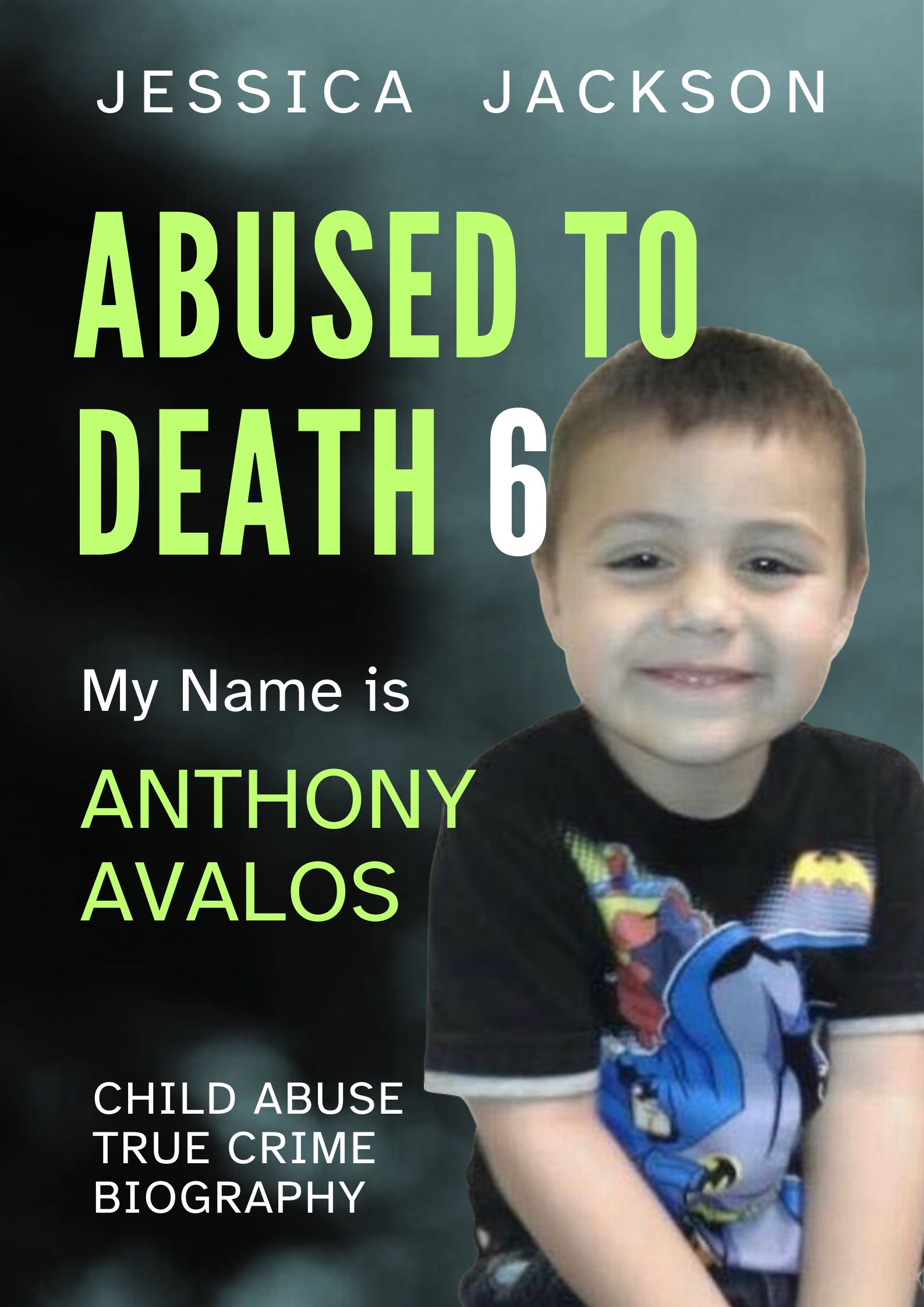
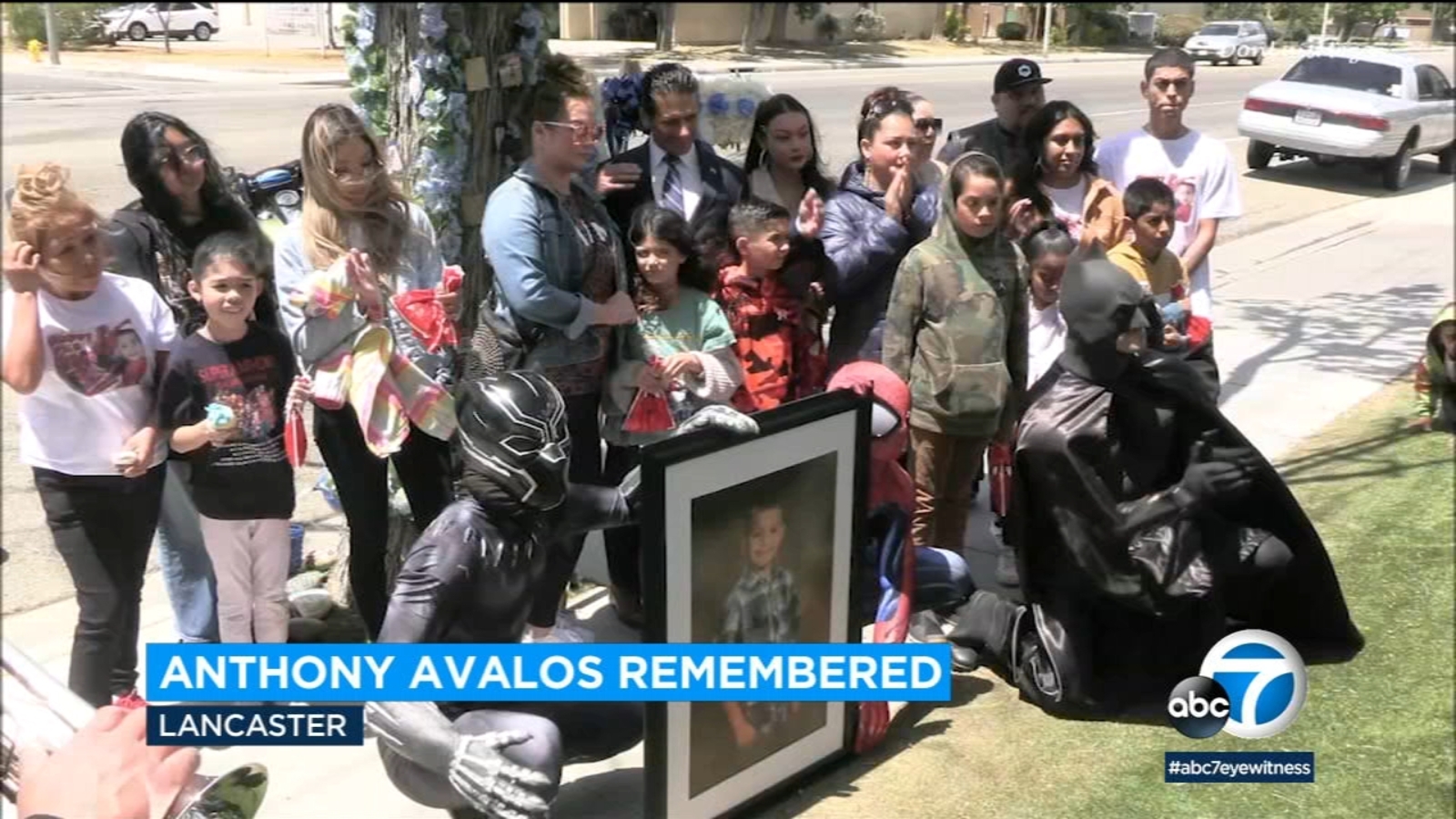
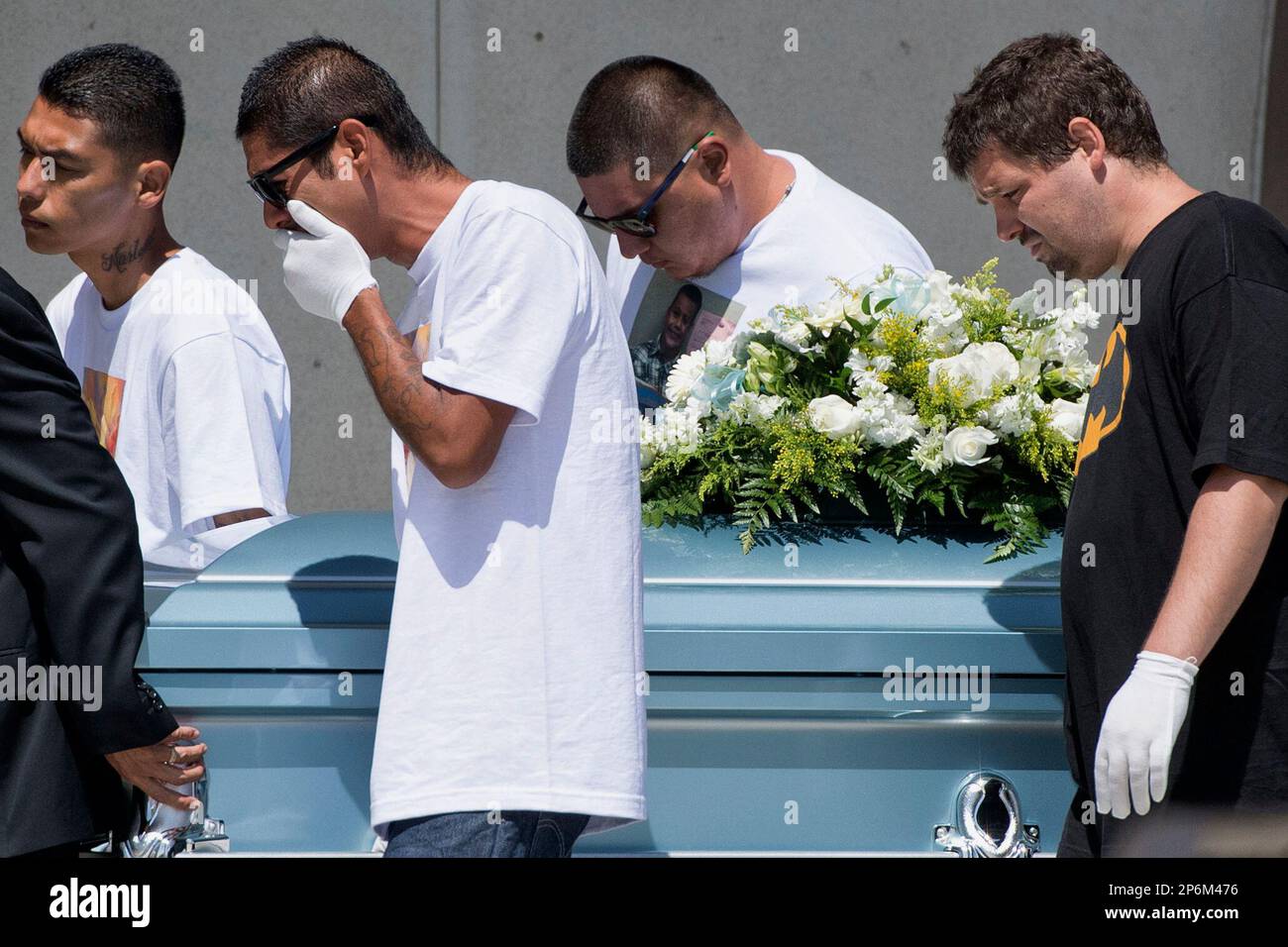
The parents and guardians responsible for the death of 10-year-old Anthony Avalos are his mother, Heather Maxine Barron, and her boyfriend, Kareem Ernesto Leiva. In 2023, both were convicted of first-degree murder and torture, receiving sentences of life in prison without the possibility of parole. Anthony’s biological father, Victor Avalos, was not involved in the abuse and later won a multi-million dollar settlement against Los Angeles County.
The Identity and Roles of Heather Barron and Kareem Leiva
The case of Anthony Avalos remains one of the most harrowing examples of child welfare failure and domestic cruelty in California’s history. To understand the dynamics of "Anthony Avalos’ parents," it is necessary to distinguish between the biological parents and the household guardians who were present at the time of his death in June 2018.
Heather Maxine Barron: Maternal Failure and Active Participation
Heather Barron was Anthony’s biological mother and the primary caregiver at the time of his death. Throughout the investigation and subsequent trial, Barron’s role evolved from a grieving mother to a convicted murderer. The prosecution presented evidence that Barron not only allowed the abuse to occur but was an active participant in the torture of her son.
Barron’s defense attempted to paint her as a victim of Kareem Leiva’s domestic violence, suggesting that she was too terrified to intervene. However, trial testimony from Anthony’s siblings revealed a different reality. The children testified that Barron joined Leiva in punishing Anthony, which included forcing him to kneel on rice, slamming him onto the floor, and withholding food and water. The court ultimately found that Barron had a "mandatory duty" to protect her children and that her failure to do so, combined with her active participation, constituted first-degree murder.
Kareem Ernesto Leiva: A Pattern of Extreme Violence
Kareem Ernesto Leiva was Heather Barron’s boyfriend and the father of some of Anthony’s siblings. Leiva had a documented history of domestic violence and was the primary enforcer of the brutal "punishments" in the household. Witnesses described Leiva as a volatile figure who utilized physical torture to maintain control over the children.
During the trial, it was revealed that Leiva’s abuse was not an isolated incident but a years-long pattern of behavior. He was accused of dropping Anthony on his head, punching him in the stomach, and using industrial-strength tools to inflict pain. Leiva’s defense, much like Barron’s, attempted to shift blame, but the sheer volume of medical evidence and eyewitness testimony from the surviving children made a conviction for torture and murder inevitable.
Timeline of Events Leading to the 2018 Tragedy
The death of Anthony Avalos was not a sudden accident but the culmination of years of systemic neglect and escalating violence. Understanding the timeline is crucial for recognizing the points at which the state could have intervened.
- 2013–2017: Early Reports of Abuse. Between 2013 and the time of Anthony’s death, the Los Angeles County Department of Children and Family Services (DCFS) received at least 13 reports regarding the household. These reports included allegations of sexual abuse, physical battery, and neglect.
- 2015: Temporary Removal. Anthony and his siblings were briefly removed from the home but were later returned to Barron’s custody. This decision remains one of the most criticized aspects of the case.
- June 20, 2018: The Fatal Incident. Emergency responders were called to the family’s Lancaster home. They found Anthony unresponsive and severely malnourished. Barron initially claimed Anthony had "fallen," but his injuries were inconsistent with a fall.
- June 21, 2018: Anthony’s Death. Anthony Avalos died at the hospital. The cause of death was determined to be the effects of blunt force head trauma, compounded by severe dehydration and malnutrition.
- 2018–2022: Pre-Trial Developments. Both Barron and Leiva were arrested and charged. The case moved slowly through the legal system, delayed by the COVID-19 pandemic and the complexity of the evidence.
The 2023 Trial and Legal Verdict
The legal proceedings for Heather Barron and Kareem Leiva concluded in early 2023, bringing a definitive end to the criminal chapter of this tragedy. As of 2026, both remain incarcerated in the California state prison system.
Key Evidence and Witness Testimonies
The trial was a bench trial, meaning it was decided by a judge (Superior Court Judge Sam Ohta) rather than a jury. This choice is often made in cases where the evidence is so emotionally charged that a jury might struggle to remain objective. The prosecution relied heavily on:
- Sibling Testimony: Anthony’s brothers and sisters provided harrowing accounts of the torture Anthony endured, specifically noting that he was singled out for the worst treatment after he reportedly came out as gay (though this motive was debated, the severity of the treatment was not).
- Medical Records: Forensic pathologists testified that Anthony’s body showed signs of chronic abuse, including old scars and fresh bruising that covered nearly his entire body.
- Digital Evidence: Text messages between Barron and Leiva showed a callous disregard for Anthony’s well-being, including discussions about how to hide his injuries from social workers.
Final Sentencing and Life Without Parole
In March 2023, Judge Ohta found both defendants guilty on all counts, including first-degree murder and the special circumstance of murder involving the infliction of torture. In April 2023, they were both sentenced to life in prison without the possibility of parole.
During the sentencing hearing, Judge Ohta described the defendants' actions as "monstrous" and "evil." The sentencing provided a sense of closure for Anthony’s biological father and aunt, who had spent years advocating for justice.
| Entity | Role in Case | Legal Outcome (2023) | Current Status (2026) |
|---|---|---|---|
| Heather Barron | Biological Mother | Convicted of Murder/Torture | Life in Prison (No Parole) |
| Kareem Leiva | Mother's Boyfriend | Convicted of Murder/Torture | Life in Prison (No Parole) |
| Victor Avalos | Biological Father | Plaintiff in Civil Lawsuit | Awarded $32M Settlement |
| L.A. County DCFS | Protective Agency | Defendant in Civil Lawsuit | Implemented Policy Reforms |
The Role of the LA County Department of Children and Family Services (DCFS)
A major component of the search for "Anthony Avalos’ parents" involves the agency that was supposed to act in parens patriae (as the parent of the state) when the biological parents failed. The LA County DCFS came under intense scrutiny for its handling of Anthony’s file.
Despite the 13 calls to the child abuse hotline, social workers repeatedly closed the case, citing "inconclusive" evidence. Investigations following Anthony's death revealed that social workers often failed to interview the children privately and relied too heavily on Barron’s explanations for injuries.
In 2022, a significant legal milestone was reached when Los Angeles County agreed to pay $32 million to settle a lawsuit filed by Anthony’s biological father and his siblings. This settlement remains one of the largest in the history of the county's child welfare department. The funds were intended to provide for the ongoing psychological care and support of Anthony’s surviving siblings, who witnessed the horrors in the Lancaster home.
Impact on Child Welfare Policies and Legislation
The legacy of Anthony Avalos is inextricably linked to the reform of child protection laws in California. As of 2026, several legislative changes and administrative shifts can be traced directly back to the failures identified in this case.
Enhanced Reporting Requirements
Following the trial, California tightened the requirements for "mandated reporters." There is now a greater emphasis on cross-reporting between school districts, law enforcement, and social services. In Anthony’s case, school officials had reported concerns that were never properly synthesized with reports from medical professionals.
The "Garrett Therolf" Reporting and Transparency
Journalistic investigations, most notably by the Los Angeles Times and reporter Garrett Therolf, exposed the internal failures at DCFS. This led to increased transparency regarding child fatality records. Lawmakers in Sacramento have since pushed for more "open-book" policies when a child dies while an active case is open, ensuring that administrative errors cannot be buried under confidentiality laws.
Focus on Domestic Violence and Child Safety
The case highlighted a critical flaw in the "domestic violence" defense often used by mothers in abusive households. The court’s rejection of Heather Barron’s defense sent a clear message: being a victim of domestic violence does not absolve a parent of the legal and moral obligation to prevent the torture of their children. This has influenced how social workers assess "failure to protect" cases, moving toward more rigorous evaluations of the non-offending parent's actions.
Comparative Analysis: Anthony Avalos and Gabriel Fernandez
It is almost impossible to discuss Anthony Avalos’ parents without mentioning the case of Gabriel Fernandez, who died in 2013 under nearly identical circumstances in the same geographic region (the Antelope Valley).
- Similarities: Both boys were murdered by their mothers and their mothers' boyfriends. Both cases involved allegations of homophobic bias as a motive for torture. Both households had been visited multiple times by DCFS social workers who failed to remove the children.
- Differences: In the Gabriel Fernandez case, the boyfriend (Isauro Aguirre) received the death penalty, while the mother (Pearl Fernandez) received life without parole. In the Avalos case, both Barron and Leiva received life without parole.
- The Systemic Link: The fact that Anthony died five years after Gabriel, in the same county and under similar oversight failures, sparked a national conversation about the deep-seated issues within the Los Angeles child welfare system.
Frequently Asked Questions
Where are Heather Barron and Kareem Leiva now?
As of 2026, Heather Barron and Kareem Leiva are serving their life sentences in separate California state prisons. Because they were sentenced to life without the possibility of parole, they will never be eligible for a release hearing.
Did Anthony Avalos’ biological father get custody?
Victor Avalos, Anthony’s biological father, lived in Mexico for a period and struggled with the legal complexities of the U.S. custody system. While he was not involved in the abuse, he was the lead plaintiff in the civil lawsuit against the county. He has remained an advocate for his surviving children and for child welfare reform.
Was anyone at DCFS fired for Anthony’s death?
Several social workers and supervisors involved in Anthony’s case were disciplined or had their employment terminated. However, unlike the Gabriel Fernandez case—where social workers were briefly charged with child abuse and falsifying records (charges that were later dropped)—no social workers in the Avalos case faced criminal prosecution.
How much was the settlement for Anthony Avalos’ family?
The Los Angeles County Board of Supervisors approved a $32 million settlement in 2022. This settlement was split among Anthony's biological father and his siblings to address the systemic failures that led to Anthony’s death and the trauma inflicted on the other children in the home.
Was Anthony Avalos’ death motivated by his sexuality?
During the trial, prosecutors argued that Anthony had recently told his mother he "liked boys," which may have triggered an escalation in violence from Leiva and Barron. While the judge acknowledged the abuse was targeted, the legal conviction was based on the physical acts of torture and murder rather than a specific hate crime enhancement.
Practical Recommendations for Advocacy
If you are following this case to understand how to prevent similar tragedies, the primary takeaway is the importance of persistence in reporting.
- Understand Mandated Reporting: If you work in education, healthcare, or childcare, ensure you are up to date on California's current reporting statutes.
- Support Child Advocacy Centers: Organizations like CASA (Court Appointed Special Advocates) provide a voice for children in the foster care system, offering a layer of protection that social workers—often overwhelmed by massive caseloads—may miss.
- Monitor Local Government: The Los Angeles County Board of Supervisors oversees DCFS. Public participation in board meetings is a primary way to demand accountability and resource allocation for child protective services.
The story of Anthony Avalos' parents is a grim reminder of the consequences of both individual cruelty and systemic apathy. Through the 2023 convictions and the subsequent reforms seen through 2026, there is a continued effort to ensure that Anthony’s name is associated not just with a tragedy, but with a fundamental shift in how the state protects its most vulnerable citizens.