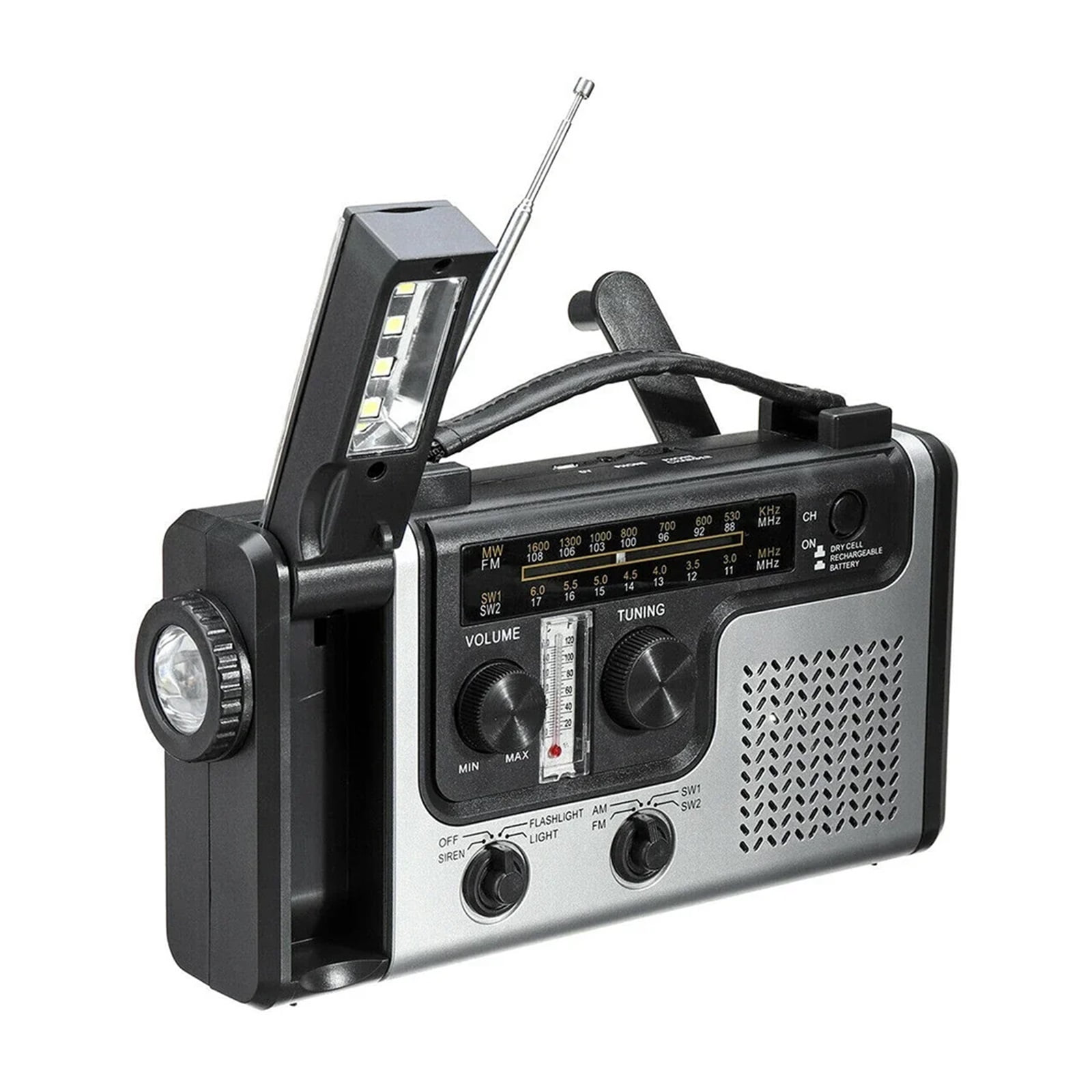
A reliable dynamo radio provides essential emergency communication, multi-source power generation, and weather tracking during power outages and outdoor excursions by combining hand-crank charging, solar panels, rechargeable battery backups, and AM/FM/NOAA broadcast bands into a single portable device.
Emergency preparedness requires versatile tools that function independently of the electrical grid. When storms strike, power lines fail, or outdoor adventures take you far beyond cellular infrastructure, staying informed and maintaining a source of light and device power becomes critical. Among emergency tools, the multi-function dynamo radio remains a cornerstone of disaster kits and camping gear. Finding the absolute best dynamo radio for reliable power anywhere requires looking past marketing claims and evaluating core engineering features such as hand-crank conversion efficiency, solar panel output, battery capacity, input-output port options, and broadcast reception clarity.
Understanding the Anatomy of a Modern Dynamo Radio
Modern dynamo radios have evolved significantly from the fragile, single-speaker crank radios of the past. Today's units serve as comprehensive emergency power stations. They integrate multiple power generation methods into a single durable housing, ensuring that users are never left entirely without energy.
At the center of these devices is the hand-crank mechanism. This mechanical dynamo uses a manual crank handle connected to an internal generator. Turning the crank spins a rotor inside a stator, creating an electrical current through electromagnetic induction. This current is then regulated and stored in an internal rechargeable battery, typically a Lithium-ion or NiMH cell. While hand-cranking requires physical effort, it provides absolute independence from external power sources, making it the ultimate fail-safe during extended grid failures.
Complementing the hand crank, most modern models feature built-in photovoltaic solar panels. These panels trickle-charge the internal battery when exposed to sunlight, allowing for passive power generation during daylight hours. While emergency solar panels on portable radios are generally small and heavily influenced by cloud cover and angle, they provide valuable maintenance charging during prolonged emergencies without requiring physical exhaustion. Many units also incorporate standard USB charging ports, allowing users to pre-charge the radio via a standard wall adapter or power bank before an emergency occurs.
Key Selection Criteria for Emergency Power and Reception
Selecting the best dynamo radio requires a methodical evaluation of technical specifications and real-world performance metrics. Not all emergency radios are built to the same standard, and a device that looks rugged on the outside may suffer from poor internal components or inefficient power conversion.
Battery Capacity and Power Output
The internal battery capacity, measured in milliamp-hours (mAh), dictates how much energy the radio can store and subsequently transfer to external devices like smartphones. A higher capacity battery provides longer flashlight runtimes and more substantial emergency phone charging capabilities. However, a larger battery also takes significantly longer to charge via hand-crank or small solar panels. Users must balance capacity with realistic recharge times. Furthermore, look for radios that offer a standard AAA battery backup compartment, providing an immediate alternative power source if the internal rechargeable battery degrades over time.
Broadcast Band Coverage and Reception
An emergency radio is fundamentally a communication device. The best models include access to:
- AM/FM Bands: Essential for local news, commercial broadcasts, and community instructions during a crisis.
- NOAA Weather Radio (or regional equivalents such as Environment Canada or international meteorological bands): Provides continuous 24/7 weather updates straight from national weather services.
- Specific Alert Features: Advanced models feature Specific Area Message Encoding (SAME) technology or automated emergency alert tones that sound an alarm even when the radio is powered down, warning users of incoming severe weather or civil emergencies.
Durability, Ergonomics, and Lighting
Emergency scenarios are inherently chaotic. The radio housing should feature rugged, impact-resistant rubberized or ABS plastic construction designed to withstand drops, dust, and moisture. Ingress Protection (IP) ratings, such as IPX3 or higher, indicate resistance to splashing water or rain. Additionally, integrated LED flashlights and reading lamps transform the radio into a multi-use utility tool, eliminating the need to pack separate illumination gear.
Comparing Emergency Power Solutions
To understand how high-performance dynamo radios compare against alternative emergency power options, review the following performance matrix.
| Power Source / Device Type | Primary Energy Source | Independent of Grid | Smartphone Charging Capability | Weather Alert Capability | Portability & Weight |
|---|---|---|---|---|---|
| High-End Dynamo Radio | Hand-crank, Solar, Battery | Yes | Yes (Moderate capacity) | Yes (NOAA/AM/FM) | High (Compact, < 1.5 lbs) |
| Standard Power Bank | Pre-charged Lithium-ion | No | Yes (High capacity) | No | High (Varies by capacity) |
| Gasoline Generator | Fossil fuels | Yes (Until fuel runs out) | Yes (High output) | No | Low (Heavy, requires fuel storage) |
| Traditional Transistor Radio | Disposable Alkaline Batteries | Yes (Limited by battery supply) | No | Yes (Usually AM/FM only) | High (Lightweight) |
Operational Limitations and Common User Mistakes
Even the best dynamo radios have physical and mechanical constraints that users must understand to avoid failure during a critical moment.
One of the most common mistakes is relying entirely on the hand crank for a full battery charge from zero power. Hand-cranking a radio is physically demanding; generating enough power to fully charge a modern smartphone battery via a hand crank can take hours of continuous, strenuous turning. Hand cranks are designed primarily to provide a short burst of power—typically 5 to 10 minutes of radio play or an emergency call—rather than acting as a primary bulk generation source. Users should treat the crank as an absolute last resort when solar and pre-charged battery reserves are completely exhausted.
Another frequent oversight involves battery maintenance. Rechargeable Lithium-ion and NiMH batteries self-discharge over time and can degrade if left in a completely depleted state for months in a hot attic or cold garage. Owners must perform routine maintenance checks every three to six months:
- Unpack the radio and test all operational features (flashlight, speaker, display).
- Connect the unit to a USB power source to top off the internal battery to 100%.
- Expose the solar panel to direct sunlight or an artificial light source to verify photovoltaic charging functionality.
- Crank the manual handle for two minutes to ensure internal mechanical gears and dynamos move smoothly without binding.
- Store the unit in a cool, dry location with a partial charge if long-term storage is required.
Essential Features Checklist for Buyers
When evaluating specific product offerings on the market, look for the following verified baseline specifications to ensure long-term reliability:
- Multiple Charging Inputs: USB-C or Micro-USB charging ports for rapid initial wall charging.
- Dual Power Generation: Both a hand crank and a functional solar panel.
- Replaceable Battery Design: Access to user-replaceable internal battery packs or a secondary alkaline battery bay.
- Telescopic Antenna: A sturdy, multi-section metal antenna that extends fully to pull in distant broadcast signals clearly.
- SOS Alarm Function: An audible emergency siren that draws attention if the user is trapped or needs rescue.
Frequently Asked Questions
How long does it take to charge a smartphone using a dynamo radio?
Most dynamo radios provide limited emergency power output for smartphones, typically delivering enough juice for a brief call or text rather than a full 100% recharge. Because the internal dynamo generates low amperage to protect delicate circuitry, cranking for 10 minutes might yield only a few percentage points of battery life on a modern smartphone. Use the radio's battery to stabilize communication rather than attempting a complete device recharge.
Can a dynamo radio be left in direct sunlight on a dashboard to charge?
Leaving an emergency radio on a vehicle dashboard in direct, intense sunlight can expose the device to extreme temperatures that degrade or damage the internal Lithium-ion battery. While solar panels require light to function, excessive heat buildup inside the plastic housing can cause battery swelling or permanent electronic failure. Always charge the unit in a well-ventilated area.
What is the difference between AM, FM, and NOAA weather bands?
AM radio waves travel long distances, especially at night, making them vital for regional emergency broadcasts during wide-scale disasters. FM provides superior audio clarity for local station programming. NOAA weather bands operate on dedicated VHF frequencies controlled by national meteorological services, broadcasting automated weather alerts, warnings, and continuous forecasts directly from government weather radar networks.
Do hand-crank radios degrade if they are not used for a long time?
Yes, mechanical components can stiffen and internal rechargeable batteries can lose their capacity if neglected. Mechanical gears require occasional movement to keep internal lubricants distributed properly. Furthermore, rechargeable batteries naturally lose charge and can suffer chemical degradation if left uncycled for extended periods. Quarterly testing prevents unexpected failure during an actual emergency.
Conclusion and Next Actions
Securing reliable emergency power requires choosing a robust dynamo radio that balances hand-crank generation, solar efficiency, multi-band reception, and solid build quality. Begin your preparedness assessment by auditing your current emergency gear. Test any existing devices to verify battery health and mechanical function. If your current setup lacks modern multi-source power generation or reliable NOAA alert capabilities, upgrade to a verified high-performance dynamo radio, charge it fully, and store it alongside your core disaster supplies.