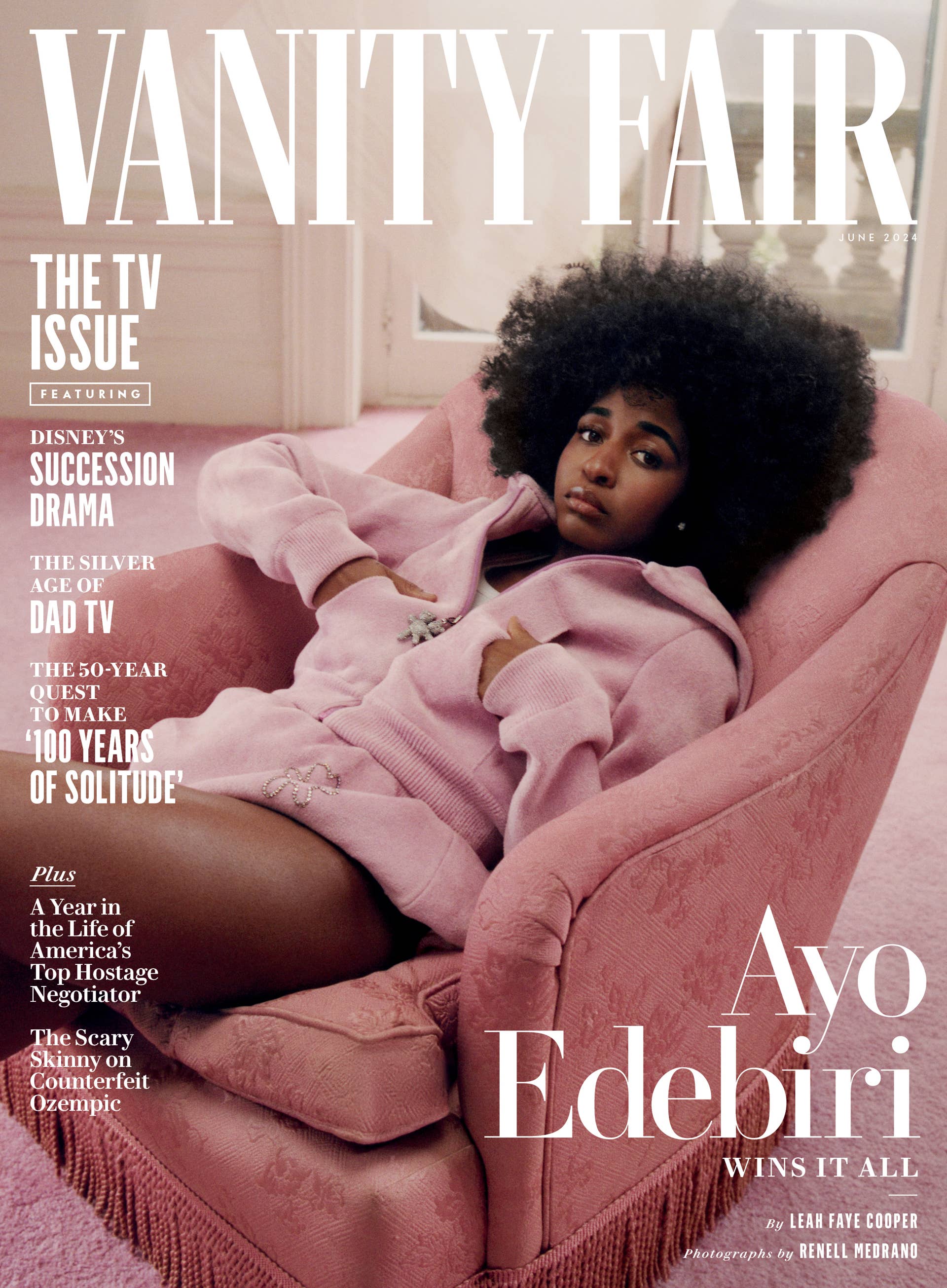
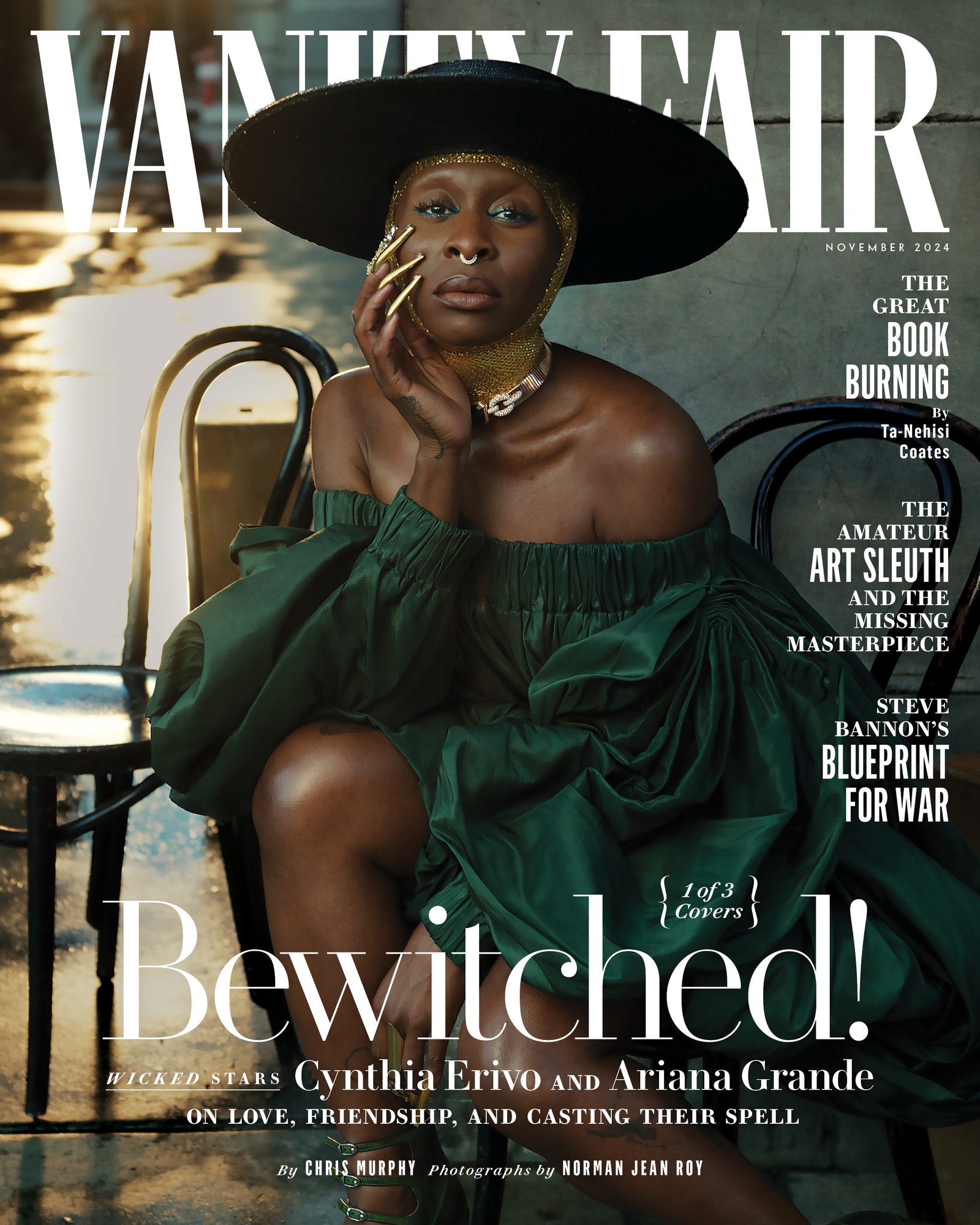
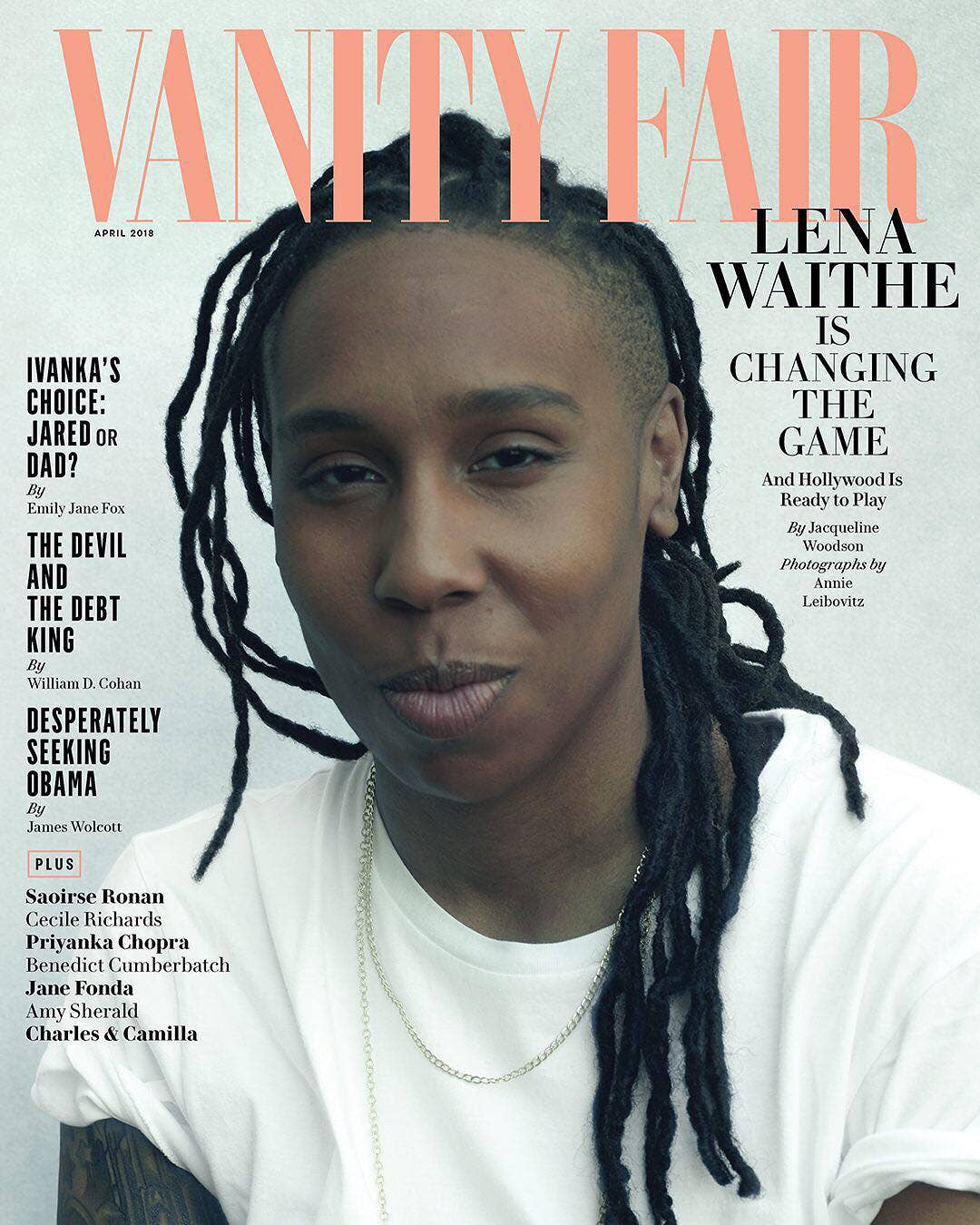
Securing a front cover on Vanity Fair is frequently treated as the pinnacle of celebrity status, political arrival, or cultural influence, yet the intense media hype surrounding these features rarely translates to lasting tangible value for the subject. While these high-profile appearances command immense initial attention, generate social media buzz, and temporarily dominate news cycles, they often serve the commercial interests of the publication and its parent company far better than they serve the career, privacy, or long-term reputation of the person featured. Understanding the mechanics behind these covers reveals why the promotional noise is disproportionate to the actual outcomes.
The Mechanics of Celebrity and Cultural Curation
To understand why the anticipation surrounding a Vanity Fair cover often outpaces its reality, one must examine how the magazine operates within the modern media landscape. Condé Nast, the publisher behind the title, relies heavily on these flagship issues to drive newsstand sales, secure high-end advertising contracts, and maintain cultural relevance in an era dominated by decentralized digital platforms.
The process of landing a cover is rarely a spontaneous recognition of merit or artistic achievement. Instead, it is the result of carefully calibrated public relations campaigns, synchronized media rollouts, and multi-party negotiations. Publicists, agents, and studio executives view a Vanity Fair front cover as a vital chess piece in a larger marketing strategy—such as promoting a blockbuster movie, rehabilitating a tarnished public image, or launching a new commercial enterprise.
Consequently, the finished product is heavily curated. The profile accompanying the glossy photographs is designed to serve a specific narrative arc that satisfies both the subject's team and the magazine's editorial standards. Readers often mistake this manufactured intimacy for authentic journalism, only to find that the feature offers little substantive insight into the individual. The intense hype is a product of sophisticated marketing machinery designed to manufacture demand, rather than an objective reflection of cultural importance.
The Transient Nature of Print Media Impact
In the current media ecosystem, the half-life of a print magazine cover is remarkably short. Decades ago, a prominent feature in a major monthly publication could define a celebrity's career trajectory for months or even years, cementing their status in the cultural canon. Today, the cycle moves at a hyper-accelerated pace.
When a new Vanity Fair cover drops, it triggers a predictable sequence of events:
- Initial Disclosure: The cover image and accompanying headline are released online, instantly triggering widespread social media commentary, memes, and digital news roundups.
- The 48-Hour Peak: Entertainment blogs and gossip platforms dissect every quote, photograph, and stylistic choice, exhausting public interest within two days.
- The Print Release: By the time the physical magazine hits newsstands and subscriber mailboxes weeks later, the cultural conversation has already shifted to breaking news cycles and alternative viral phenomena.
- Immediate Obsolescence: The issue is quickly buried beneath the relentless influx of digital content, leaving the subject with minimal long-term professional dividends despite the monumental effort required to secure the placement.
This compressed timeline demonstrates why the initial excitement is largely illusory. The commercial and reputational boost fades almost as quickly as it arrives, rendering the immense expenditure of time, styling, and access largely inefficient for the subject.
The Risks and Hidden Costs of High-Profile Exposure
While the benefits of a major magazine cover are frequently overstated, the potential downsides and hidden costs are routinely underestimated. Granting a top-tier publication extensive access carries significant professional and personal risks.
| Risk Factor | Description | Potential Impact |
|---|---|---|
| Loss of Narrative Control | The subject surrenders final editorial authority over how they are framed by the writer and editor. | Misrepresentation, unfavorable juxtaposition with current events, or alienation of core audiences. |
| Overexposure and Fatigue | Saturation of the media landscape can cause public resentment or exhaustion. | Diminished returns on subsequent artistic projects and increased vulnerability to backlash. |
| Aesthetic Backlash | Controversial styling, heavy digital retouching, or tone-deaf thematic choices can overshadow the subject's work. | Public mockery, viral criticism, and distraction from the intended promotional goals. |
| Opportunity Cost | The weeks of preparation, photo shoots, and interview hours divert energy from primary creative or professional endeavors. | Delayed project timelines and missed opportunities in core areas of expertise. |
These factors illustrate that agreeing to a high-stakes cover feature is a high-risk proposition. When a feature misfires or fails to resonate, the subject bears the reputational consequences, while the publication simply moves on to the next issue.
Comparative Value: Traditional Media Versus Direct Channels
To evaluate whether the hype surrounding a Vanity Fair cover is justified, it is helpful to compare traditional print placement with modern direct-to-consumer digital channels.
| Metric | Traditional Magazine Cover (e.g., Vanity Fair) | Direct Digital Channels (Social Media, Substack, Podcasts) |
|---|---|---|
| Editorial Control | Low; filtered through editors, fact-checkers, and writers. | Absolute; publisher speaks directly to the audience without mediation. |
| Audience Reach | Broad, but increasingly fragmented and declining in print circulation. | Highly targeted, engaged, and measurable in real time. |
| Longevity | Limited to the specific publication cycle and archive access. | Permanent, searchable, and continually discoverable online. |
| Cost to Secure | High in terms of time, access, and PR overhead. | Low financial barrier; requires only consistent content creation. |
In the modern landscape, public figures and creators increasingly realize that cultivating their own digital platforms yields superior long-term engagement compared to renting space on a legacy magazine cover. While a prestigious cover still carries a certain cachet among traditional industry elites, its practical utility as a career driver has diminished significantly.
Frequently Asked Questions
Why do public figures still pursue a Vanity Fair cover if the impact is limited?
Legacy media placements remain powerful status symbols within specific insular industries, particularly Hollywood and high fashion. For traditional gatekeepers, a major magazine cover validates a subject's arrival at the highest tier of commercial viability, even if the general public's engagement is fleeting.
Does appearing on the front cover guarantee a boost in sales or box office returns?
No direct correlation exists between landing a prominent magazine cover and commercial success for a movie, album, or business venture. While it contributes to overall brand awareness, ticket sales and consumer spending are driven by broader market factors, product quality, and targeted digital marketing.
How much editorial control does the celebrity have over the final feature?
Subjects have virtually no control over the final written article or the selection of photographs. While their publicists negotiate general parameters—such as topics to avoid or preferred photographers—the magazine retains final editorial discretion, which occasionally leads to friction if the resulting profile is perceived as unflattering.
Are digital-era covers treated differently than historical print issues?
Yes. Modern covers are explicitly optimized for social media algorithms, thumbnail readability, and immediate digital sharing. This shift often prioritizes shock value or provocative styling over the sophisticated, long-form journalism that characterized past decades.
Practical Next Steps for Evaluating Media Opportunities
For managers, publicists, and public figures evaluating whether to pursue high-profile print features, a disciplined approach is essential to avoid wasting resources on inflated hype. Assess every media opportunity by weighing the actual reach and demographic alignment of the publication against the time commitment required. Prioritize platforms that offer direct audience connection and long-term discoverability over traditional prestige symbols that yield only transient attention. Ultimately, sustainable cultural relevance is built through consistent, substantive work rather than momentary appearances on glossy newsstand covers.