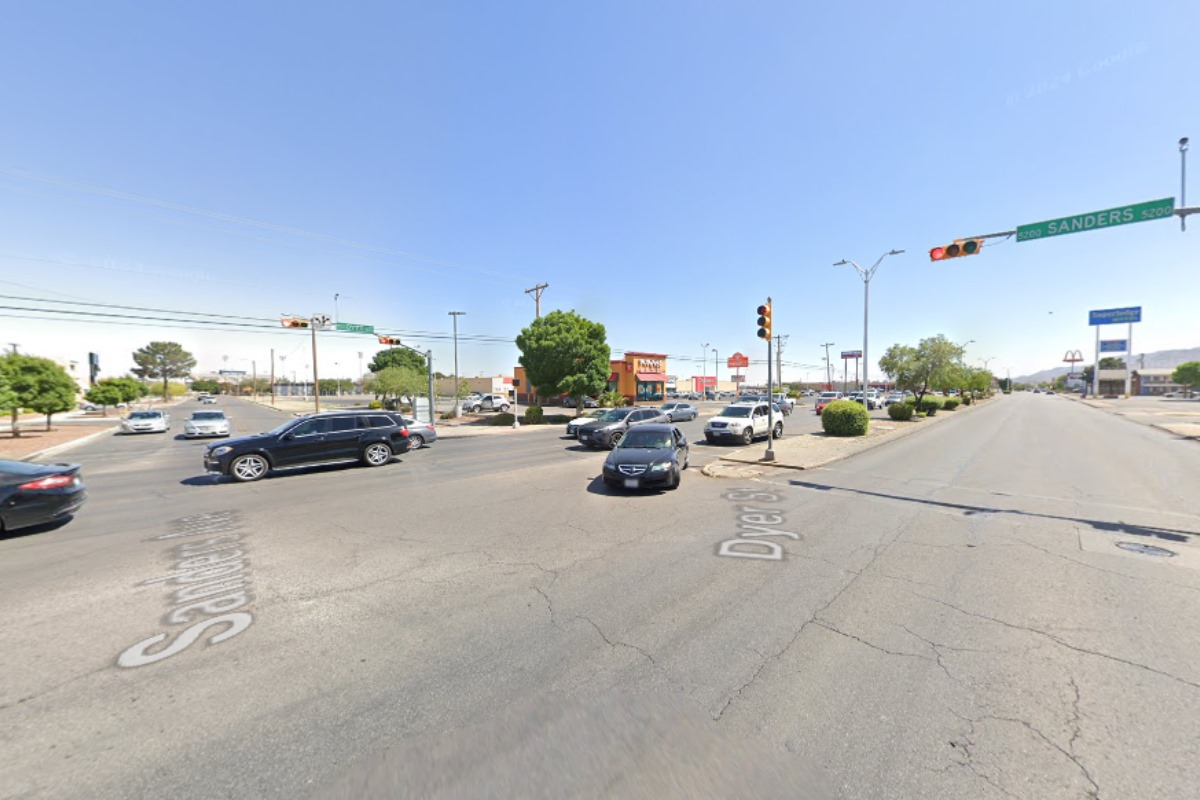
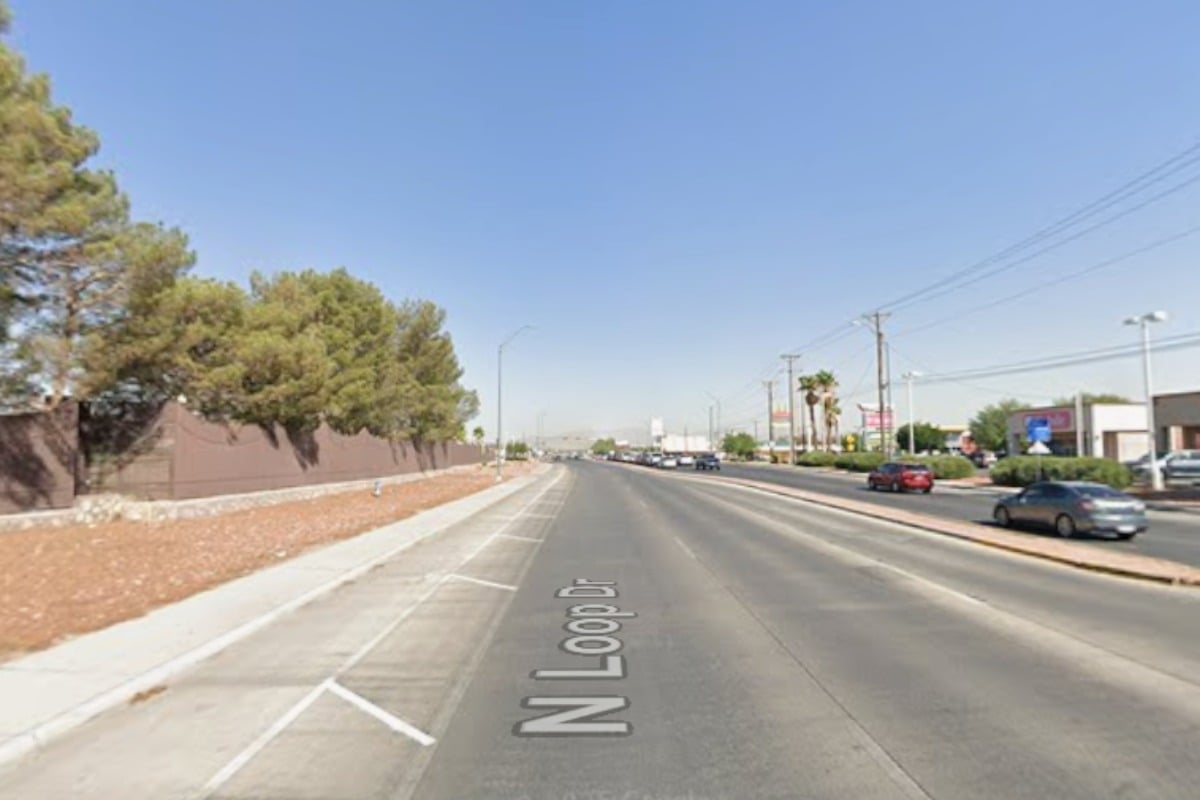
On August 3, 2019, El Paso, Texas, suffered one of the deadliest hate crimes in modern United States history when a gunman opened fire at a local Walmart Supercenter, killing 23 people and injuring 22 others. Driven by white supremacist and anti-immigrant ideology, the attack devastated the tightly knit border community, sparked federal domestic terrorism prosecutions, and fundamentally altered national discussions surrounding gun violence, hate crimes, and community resilience.
The Timeline of Events on August 3, 2019
The morning of Saturday, August 3, 2019, began like any typical weekend in El Paso. The Walmart Supercenter near the Cielo Vista Mall, located along Interstate 10, was crowded with thousands of shoppers. Because El Paso sits directly on the United States–Mexico border adjacent to Ciudad Juárez, Chihuahua, the store frequently served both local residents and Mexican shoppers who crossed the border legally to purchase household goods, back-to-school supplies, and groceries.
Shortly before 10:40 a.m. local time, a 21-year-old perpetrator arrived at the store after driving over 600 miles from Allen, Texas, a suburb of Dallas. Armed with a WASR-10 semi-automatic rifle (a civilian variant of the AK-47) and wearing hearing protection and shooting glasses, he began firing in the parking lot before advancing into the building.
- [10:30 AM] Perpetrator arrives at Cielo Vista Walmart area
- [10:39 AM] First gunshots fired in parking lot near fundraising table
- [10:40 AM] Gunman enters store main entrance; 911 calls surge
- [10:46 AM] First El Paso Police Department officers arrive on scene
- [11:06 AM] Perpetrator surrenders without incident at nearby intersection
The attack began outside, where the gunman targeted members of a local youth sports team hosting a fundraising bake sale. He then entered the main entrance near the bank and customer service desk, systematically shooting shoppers in the aisles. Panic ensued across the 200,000-square-foot facility, with shoppers and employees hiding in storage rooms, behind shipping pallets, and underneath display racks. Several employees helped guide dozens of customers through emergency exits to safety.
The first 911 calls reached the El Paso Police Department (EPPD) at 10:39 a.m. EPPD officers, along with agents from the U.S. Border Patrol and officers from the El Paso County Sheriff's Office, responded rapidly. The first law enforcement personnel arrived at the scene within six minutes of the initial call. Realizing he was surrounded and cut off, the gunman exited the store, drove to a nearby intersection at Sun Metro Way and Viscount Boulevard, pulled over, and surrendered to approaching police officers without further gunfire.
Victims, Casualties, and Cross-Border Impact
The human toll of the attack made August 3 the deadliest mass shooting in El Paso history and one of the deadliest violence events against the Hispanic community in modern American history. Twenty-two people died on the day of the attack or shortly thereafter in local medical centers. A twenty-third victim passed away in April 2020 after months of hospital treatment for severe gunshot wounds.
The victims ranged in age from 15 to 90 years old, illustrating the family-centered nature of weekend shopping along the border. Among the deceased were high school students, grandparents, military veterans, teachers, and young parents who died shielding their children.
Because El Paso and Ciudad Juárez operate as a single interdependent bi-national metroplex, the tragedy severely impacted both nations. Eight of the 23 fatalities were Mexican citizens who had crossed the international boundary to shop.
| Victim Name | Age | Hometown / Nationality | Context / Background |
|---|---|---|---|
| Arturo Benavides | 60 | El Paso, TX (USA) | Army veteran and retired transit driver |
| Jorge Calvillo García | 61 | Torreón, Coahuila (Mexico) | Visiting family; shielded relatives during attack |
| Guillermo "Memie" García | 54 | El Paso, TX (USA) | Youth soccer coach; succumbed to wounds in April 2020 |
| Jessica Nieto | 19 | El Paso, TX (USA) | College student shopping for back-to-school items |
| Javier Amir Rodriguez | 15 | El Paso, TX (USA) | High school sophomore; youngest victim of the shooting |
| Jordan Anchondo | 24 | El Paso, TX (USA) | Died shielding her two-month-old infant son |
| Andre Anchondo | 23 | El Paso, TX (USA) | Husband of Jordan Anchondo; died shielding his wife |
| Sara Esther Regalado | 66 | Ciudad Juárez (Mexico) | Retired educator shopping with her husband |
| Adolfo Cerros Hernández | 68 | Ciudad Juárez (Mexico) | Husband of Sara Esther Regalado |
| Gloria Irma Márquez | 61 | Ciudad Juárez (Mexico) | Mother and dedicated community member |
Local hospitals, including University Medical Center of El Paso and Del Sol Medical Center, immediately instituted mass-casualty protocols. Surgeons, trauma teams, nurses, and emergency personnel worked continuously through the weekend. Within hours, hundreds of El Pasoans formed lines extending around blood banks in 100-degree heat to donate blood, straining capacity to the point where additional donation centers were opened across the county.
Motive and Investigation: Anti-Immigrant Ideology as Domestic Terrorism
Immediately following the arrest, federal and state law enforcement authorities launched parallel criminal investigations. The Federal Bureau of Investigation (FBI), the Bureau of Alcohol, Tobacco, Firearms and Explosives (ATF), and the U.S. Department of Justice (DOJ) joined the El Paso Police Department to secure the crime scene and establish the legal record.
The Racist Manifesto
Approximately 20 minutes prior to the shooting, a four-page document titled The Inconvenient Truth was uploaded to the online imageboard 8chan. Law enforcement verified that the perpetrator had written and published the document. The manifesto detailed explicit white supremacist, xenophobic, and anti-immigrant rhetoric.
The text expressed hatred toward Hispanic people, cited fear of a "Hispanic invasion of Texas," and explicitly praised the perpetrator of the March 2019 mosque shootings in Christchurch, New Zealand. The document detailed plans to target Hispanic individuals to induce panic and force a political realignment regarding immigration policies.
Classification as Hate Crimes and Domestic Terrorism
The U.S. Department of Justice classified the investigation as a matter of federal domestic terrorism and hate crimes. While federal criminal statutes at the time did not contain a standalone offense labeled "domestic terrorism" for charging purposes, the DOJ utilized civil rights laws and federal hate crime statutes to prosecute the act under national terror frameworks.
This classification underscored a growing focus by federal law enforcement on violent white supremacy as a major domestic terrorism threat in the United States. The FBI formally raised violent extremism driven by racial and ethnic motives to its highest threat priority category alongside international terrorist organizations.
Legal Proceedings: Federal and State Trials
The legal handling of the El Paso shooter moved across two separate judicial pathways: federal civil rights charges in the United States District Court for the Western District of Texas and state capital murder charges in the 409th Judicial District Court of El Paso County.
- August 2019: Perpetrator indicted by state and federal grand juries
- Feb 2023: Perpetrator pleads guilty to 90 federal counts in US District Court
- July 2023: Sentenced to 90 consecutive life terms in federal prison
- Post-2023: Texas State capital murder proceedings remain pending
Federal Prosecution and Plea Agreement
In February 2020, a federal grand jury indicted the perpetrator on 90 counts: 23 counts of hate crimes resulting in death, 22 counts of hate crimes involving attempt to kill, and 45 counts of using a firearm during and in relation to a crime of violence.
In January 2023, the U.S. Department of Justice announced it would not seek the death penalty in the federal case. Following this decision, the defendant changed his plea to guilty on all 90 federal counts in February 2023.
In July 2023, U.S. District Judge David Guaderrama formally sentenced the perpetrator to 90 consecutive life sentences without the possibility of parole. During the multi-day sentencing hearing, dozens of survivors and family members delivered victim impact statements directly addressing the gunman, recounting the physical agony, emotional trauma, and financial hardship caused by his actions.
Texas State Capital Murder Proceedings
Alongside the federal case, the State of Texas filed capital murder charges under state law, which allow for the imposition of the death penalty. State prosecutors maintained their intention to pursue capital punishment despite the federal life sentences.
The state legal process faced extensive delays stemming from defense motions regarding competency, changes in district attorney personnel, and evidentiary disputes. The proceedings demonstrated the procedural complexity of dual-sovereignty prosecutions in major mass casualty cases.
Community Resilience and the "El Paso Strong" Movement
In the immediate aftermath of the tragedy, the phrase "El Paso Strong" (El Paso Firme) emerged as a unifying rally cry across the border region. Rather than allowing the attack to create lasting division, community members responded with civic unity, mutual aid, and cross-border solidarity.
- August 3, 2019 Event
- Civic Action
- Blood Donations
- Emergency Relief
- Mutual Aid
- Memorialization
- Ascarate Park Garden
- Walmart Grand Candela
- Bi-National Vigils
- Civic Action
Emergency Support and Relief Efforts
Local non-profit organizations, including the Paso del Norte Community Foundation and the Paso del Norte Health Foundation, established dedicated funds to assist victims and their families. The El Paso Community Foundation’s Victims’ Fund raised tens of millions of dollars from private citizens, corporate donors, and international organizations to pay for medical bills, funeral expenses, mental health care, and lost income for affected families.
Permanent Memorials
Several physical spaces were established across the region to honor the victims and educate future generations:
- The Grand Candela Memorial: Located on the perimeter of the rebuilt Cielo Vista Walmart Supercenter, this 30-foot monument consists of nine illuminated metal arches designed to resemble a candle flame, symbolizing hope and unity.
- The Healing Garden at Ascarate Park: Constructed by El Paso County, this permanent memorial site features a peaceful water facility, stone pathways, and 23 bronze plaques bearing the names of each individual who lost their life.
- Bi-National Tributes: In Ciudad Juárez, civic leaders unveiled memorial plaques along the international boundary to highlight the shared grief and structural unity of the border metroplex.
Policy Reforms and Public Safety Debates
The August 3 shooting altered legislative and policy debates regarding public safety, red flag laws, violent extremism monitoring, and corporate safety measures.
Corporate and Commercial Responses
Following the incident, Walmart updated security protocols at thousands of retail locations across the United States. The corporation hired off-duty police officers and private security personnel, installed emergency notification infrastructure, and altered its retail policies by discontinuing the sale of handgun ammunition and certain types of short-barrel rifle ammunition nationwide.
Legislative and Public Policy Debates
At the state level, the Texas Legislature debated measures regarding firearm availability and red flag laws—statutes that allow courts to temporarily remove firearms from individuals deemed a danger to themselves or others. While Texas expanded constitutional carry laws in 2021, state leaders established special committees on community safety to evaluate threat detection mechanisms and mental health resources.
At the national level, the event accelerated federal investments into threat assessment networks designed to identify violent online radicalization before it manifests in physical violence. The U.S. Department of Homeland Security (DHS) expanded funding for its Center for Prevention Programs and Partnerships (CP3) to address domestic violent extremism.
Frequently Asked Questions
When and where did the El Paso shooting occur?
The shooting took place on Saturday, August 3, 2019, inside and around the Walmart Supercenter located near the Cielo Vista Mall in El Paso, Texas, near the U.S.–Mexico border.
How many people were affected by the tragedy?
Twenty-three people lost their lives due to injuries sustained in the shooting, and 22 others suffered non-fatal physical injuries. Hundreds of eyewitnesses, first responders, and family members experienced severe psychological trauma.
What was the motive behind the attack?
The attack was motivated by white supremacist and anti-immigrant ideology. The gunman posted an explicit manifesto on 8chan shortly before the shooting, outlining his intent to target Hispanic individuals and immigrants.
What was the legal outcome of the federal case?
In February 2023, the gunman pleaded guilty to 90 federal counts, including federal hate crimes and firearm offenses. In July 2023, he was sentenced to 90 consecutive life terms in federal prison without the possibility of parole.
Are there official memorials dedicated to the victims?
Yes. Major memorial sites include the Grand Candela located at the Cielo Vista Walmart property, the Healing Garden at Ascarate Park in El Paso County, and several civic monuments in Ciudad Juárez, Mexico.
Support Resources for Victims and Trauma Survivors
Mass violence events create long-term mental health challenges for survivors, family members, first responders, and the surrounding community. Local and national resources remain available to support individuals affected by gun violence and traumatic events.
If you or someone you know requires assistance processing trauma or mental health distress connected to mass violence events, consider reaching out to these established public services:
- 988 Suicide & Crisis Lifeline: Call or text 988 (Available 24/7, free, confidential, and multi-lingual).
- Disaster Distress Helpline: Call or text 1-800-985-5990 to connect with trained counselors specializing in mass casualty trauma.
- El Paso Center for Children & Family Healing: Local therapeutic resources offered through community non-profits across the Paso del Norte region.
- Office for Victims of Crime (OVC): Provides access to federal funding resources, compensation programs, and direct assistance for crime victims.