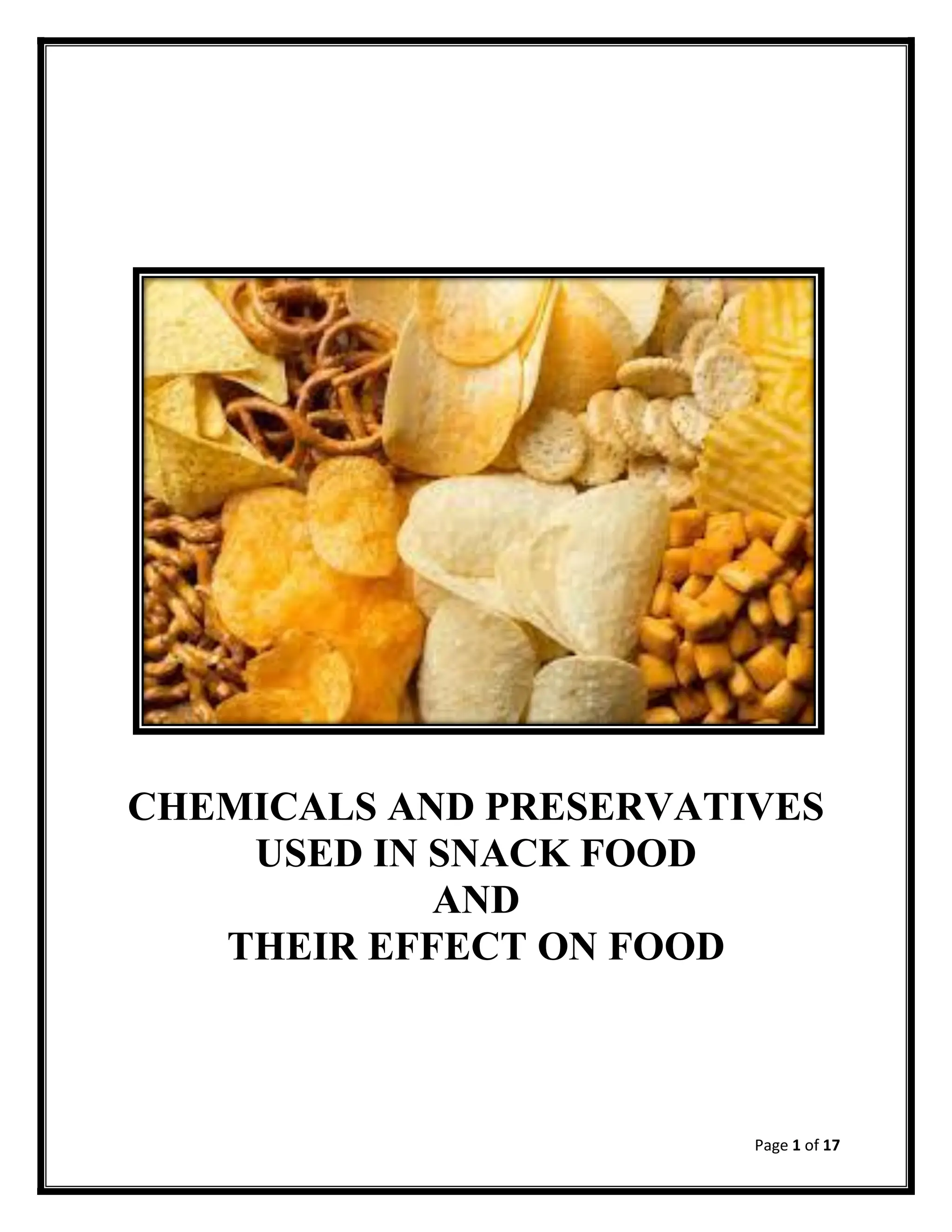
On food labels, the term "preservative" is frequently replaced by functional synonyms such as antioxidants, antimicrobials, curing agents, or sequestrants. Additionally, specific technical names like tocopherols, calcium propionate, sodium benzoate, or ascorbic acid are used to identify the exact substance providing the preservative effect, often accompanied by a description of its purpose.
The Evolution of Preservative Labeling in 2026
As of 2026, the landscape of food labeling has shifted significantly toward transparency and the "clean label" movement. While the fundamental goal of food preservation—extending shelf life and ensuring microbial safety—remains unchanged, the terminology used on packaging has evolved to meet both regulatory requirements and consumer preferences. Understanding the synonyms for preservatives requires a look at how these substances are classified by their chemical function rather than a generic "preservative" label.
In the United States, the Food and Drug Administration (FDA) requires that a chemical preservative be listed by its common or usual name. Furthermore, a label must include a description of the preservative's function, such as "to promote color retention" or "to retard spoilage." This regulatory framework is why consumers rarely see the word "preservative" in isolation; instead, they see a complex array of chemical or botanical terms that serve the same purpose.
Functional Categories: The Primary Synonyms
To accurately identify preservatives on a food label, one must look for the functional categories into which these ingredients fall. These categories act as the primary synonyms for the broad concept of preservation.
Antimicrobials
Antimicrobials are perhaps the most direct synonyms for preservatives in the context of safety. Their primary role is to inhibit the growth of bacteria, molds, and yeasts that can cause foodborne illness or spoilage.
Common antimicrobials found on labels include:
- Propionates: Frequently found in baked goods (e.g., calcium propionate) to prevent mold growth.
- Benzoates: Used in acidic foods like sodas and fruit juices (e.g., sodium benzoate) to inhibit yeast and bacteria.
- Sorbates: Often used in cheeses, wines, and dried meats (e.g., potassium sorbate) to prevent mold.
- Nitrites and Nitrates: Specifically used in processed meats to prevent the growth of Clostridium botulinum and to maintain color.
Antioxidants
In the world of fats and oils, "antioxidant" is the functional synonym for preservative. Oxidation causes fats to turn rancid, leading to off-flavors and odors. By adding antioxidants, manufacturers preserve the sensory qualities and nutritional value of the product.
Common antioxidants include:
- Tocopherols: A natural form of Vitamin E used to protect vegetable oils and cereals.
- Ascorbic Acid: Better known as Vitamin C, used to prevent browning in fruits and vegetables.
- BHA (Butylated Hydroxyanisole) and BHT (Butylated Hydroxytoluene): Synthetic antioxidants used in snack foods and packaging materials.
Chelating Agents and Sequestrants
These substances preserve food by binding with trace minerals (like iron and copper) that can catalyze oxidation or provide nutrients for microbial growth. By "sequestering" these minerals, the agent preserves the stability of the food. EDTA (Ethylenediaminetetraacetic acid) is a common example found in salad dressings and canned beans to prevent discoloration and flavor changes.
Chemical vs. Botanical: The Clean Label Shift
By 2026, the industry has largely adopted botanical extracts that serve as "natural" synonyms for traditional chemical preservatives. While their chemical function remains preservation, their presence on the label is often viewed more favorably by health-conscious consumers.
Botanical Extracts as Preservatives
One of the most prominent examples is Rosemary Extract. Rosemary contains carnosic acid and rosmarinic acid, which act as powerful antioxidants. On a label, "Rosemary Extract" sounds like a culinary ingredient, but in a technical sense, it is a direct synonym for a preservative used to prevent the oxidation of fats in meats and crackers.
Another example is Celery Powder or Celery Juice Concentrate. These ingredients are naturally high in nitrates. When added to "uncured" meats, they provide the same preservative and color-fixing effects as synthetic sodium nitrite. While the label may claim "No Nitrates Added," the celery powder serves the exact same chemical function, acting as a functional synonym for a traditional curing agent.
Fermented Ingredients
Cultured dextrose, cultured wheat, or cultured skim milk are terms frequently seen on modern labels. These are products of fermentation that contain natural organic acids, such as lactic or acetic acid. These organic acids inhibit spoilage organisms, allowing the manufacturer to list a "cultured" ingredient instead of a synthetic preservative like calcium propionate.
The International Standard: E-Numbers
Outside of the United States, particularly in the European Union and many other regions following Codex Alimentarius standards, preservatives are often identified by E-numbers. In this system, the "E" followed by a three or four-digit code is the ultimate technical synonym.
Preservatives generally fall within the E200 to E299 range. For example:
- E202 is Potassium Sorbate.
- E211 is Sodium Benzoate.
- E220 is Sulfur Dioxide.
- E250 is Sodium Nitrite.
While E-numbers are designed for clarity and international trade, they are often perceived negatively by consumers, leading many manufacturers to revert to using the full chemical name or a botanical alternative to maintain a "cleaner" appearance on the label.
Identifying Preservatives: A Reference Table
The following table provides a comprehensive look at common preservatives, their functional synonyms, and where they are typically found in the 2026 food supply.
| Common Name | Functional Synonym | Primary Purpose | Common Food Sources |
|---|---|---|---|
| Ascorbic Acid | Antioxidant / Color Retention | Prevents browning and nutrient loss | Canned fruits, juices, cured meats |
| Calcium Propionate | Antimicrobial / Mold Inhibitor | Prevents fungal growth in bread | Commercial breads, tortillas, pastries |
| Sodium Benzoate | Antimicrobial | Inhibits yeast and bacteria in acidic environments | Soft drinks, pickles, salad dressings |
| Tocopherols | Antioxidant | Prevents fat oxidation (rancidity) | Vegetable oils, nuts, cereals |
| Citric Acid | Sequestrant / Acidulant | Regulates pH and chelates minerals | Canned vegetables, frozen fruits |
| Sodium Nitrite | Curing Agent | Prevents botulism and fixes color | Bacon, hot dogs, deli meats |
| Potassium Sorbate | Antimicrobial | Prevents mold and yeast growth | Cheese, yogurt, dried fruit, wine |
| Rosemary Extract | Natural Antioxidant | Prevents oxidation in fats | Processed meats, crackers, oils |
Regulatory Requirements for Labeling Preservatives
The FDA’s 21 CFR 101.22 provides strict guidelines on how chemical preservatives must be declared. A "chemical preservative" is defined as any chemical that, when added to food, tends to prevent or retard deterioration thereof.
The Declaration Rule
Manufacturers cannot simply list an ingredient like "Sodium Benzoate" if it is intended to preserve the food. They must include its function. For instance, a label might read: "Sodium benzoate added to protect flavor" or "Sodium benzoate as a preservative."
However, there are exceptions. If an ingredient is added for a different primary purpose—such as salt (sodium chloride) for seasoning or sugar for sweetening—it does not need to be labeled as a preservative, even though both salt and sugar have significant preservative properties. This is a crucial distinction for consumers to understand: many common pantry staples are functional preservatives that are legally categorized differently based on their primary intended use.
Common Misconceptions About Preservative Synonyms
A major point of confusion for consumers is the distinction between "Natural Flavors" and "Preservatives." In some cases, substances with preservative properties may be hidden under the umbrella of "Natural Flavors" if they also contribute to the flavor profile of the food. However, regulatory bodies like the FDA and the European Food Safety Authority (EFSA) have become increasingly stringent in 2026 about ensuring that ingredients primarily used for preservation are not "hidden" in this manner.
Is "Fresh" a Synonym?
The word "fresh" is often used in marketing to imply a lack of preservatives. However, under FDA regulations, the term "fresh" has specific meanings regarding the unprocessed state of the food (e.g., not frozen or thermally processed). It is not a synonym for "preservative-free," although the two concepts are often linked in consumer perception.
The Role of Salt and Vinegar
Salt and vinegar are the oldest preservatives known to humanity. In modern labeling, they are rarely referred to as preservatives. Instead, they are listed by their common names (Sodium Chloride or Acetic Acid/Vinegar). Because they are considered "traditional" or "culinary" ingredients, they escape the "chemical preservative" stigma, even though their biochemical action (reducing water activity and lowering pH) is the definition of preservation.
How to Read a Label for Preservatives in 2026
When evaluating a product, the most effective strategy is to look beyond the word "preservative" and scan for the functional suffixes and prefixes that indicate a preservative's presence.
- Look for "-ate" and "-ite": Suffixes like "sorbate," "benzoate," "propionate," "nitrate," and "nitrite" almost always indicate a chemical preservative used for antimicrobial or curing purposes.
- Identify "Acid" mentions: While not all acids are preservatives, many (like citric, ascorbic, lactic, and acetic acid) are used to lower pH and inhibit bacterial growth.
- Check for "Extracts": Specifically, rosemary, green tea, or oregano extracts are often used in 2026 for their antioxidant and antimicrobial properties.
- Note the "Function" statement: Follow the parenthesis or the "added to..." phrase that immediately follows an unfamiliar chemical name.
Frequently Asked Questions
What is the most common synonym for preservative used in clean labeling?
The most common synonyms used in clean labeling are functional names like "Antioxidant" or specific botanical names like "Rosemary Extract" or "Cultured Celery Powder." These terms describe the ingredient's role or source without using the potentially negative word "preservative," even though the chemical function remains the same.
Is Vitamin C considered a preservative?
Yes, when used in food processing, Vitamin C is typically listed as Ascorbic Acid. It acts as an antioxidant to prevent browning in fruits and to protect the color and flavor of processed meats. While it provides nutritional value, its primary technical role in many packaged foods is preservation.
Why are E-numbers used instead of names?
E-numbers are used as a standardized shorthand across different languages and regulatory jurisdictions, primarily in Europe. They ensure that the same additive (like E211 for Sodium Benzoate) is recognized regardless of the language on the package. This facilitates international trade and provides a clear, categorized system for food safety authorities.
Can a food be "Preservative-Free" if it contains salt or vinegar?
Legally, yes. Because salt and vinegar are classified as common food ingredients or seasonings rather than "chemical preservatives" under FDA definitions, a product containing them can often be marketed as "no chemical preservatives" or "no artificial preservatives." However, from a scientific standpoint, the food is still being preserved by these substances.
What is the difference between an antimicrobial and an antioxidant?
Antimicrobials specifically target living organisms like bacteria, mold, and yeast to prevent spoilage and food poisoning. Antioxidants target chemical reactions between the food and oxygen, which prevents the food from going rancid or changing color. Both are types of preservatives, but they solve different types of food degradation.
Practical Recommendations
When shopping or formulating products in 2026, it is essential to recognize that preservatives are vital for the safety and sustainability of the global food supply. They reduce food waste by allowing products to stay fresh during transport and storage.
If your goal is to reduce synthetic intake, prioritize foods that use natural functional synonyms such as tocopherols, ascorbic acid, or botanical extracts. Always read the entire ingredient list and pay attention to the functional descriptions required by law. If you are a manufacturer, ensure your labeling complies with the latest FDA labeling guidelines or your local regulatory equivalent to provide the transparency that 2026 consumers expect.