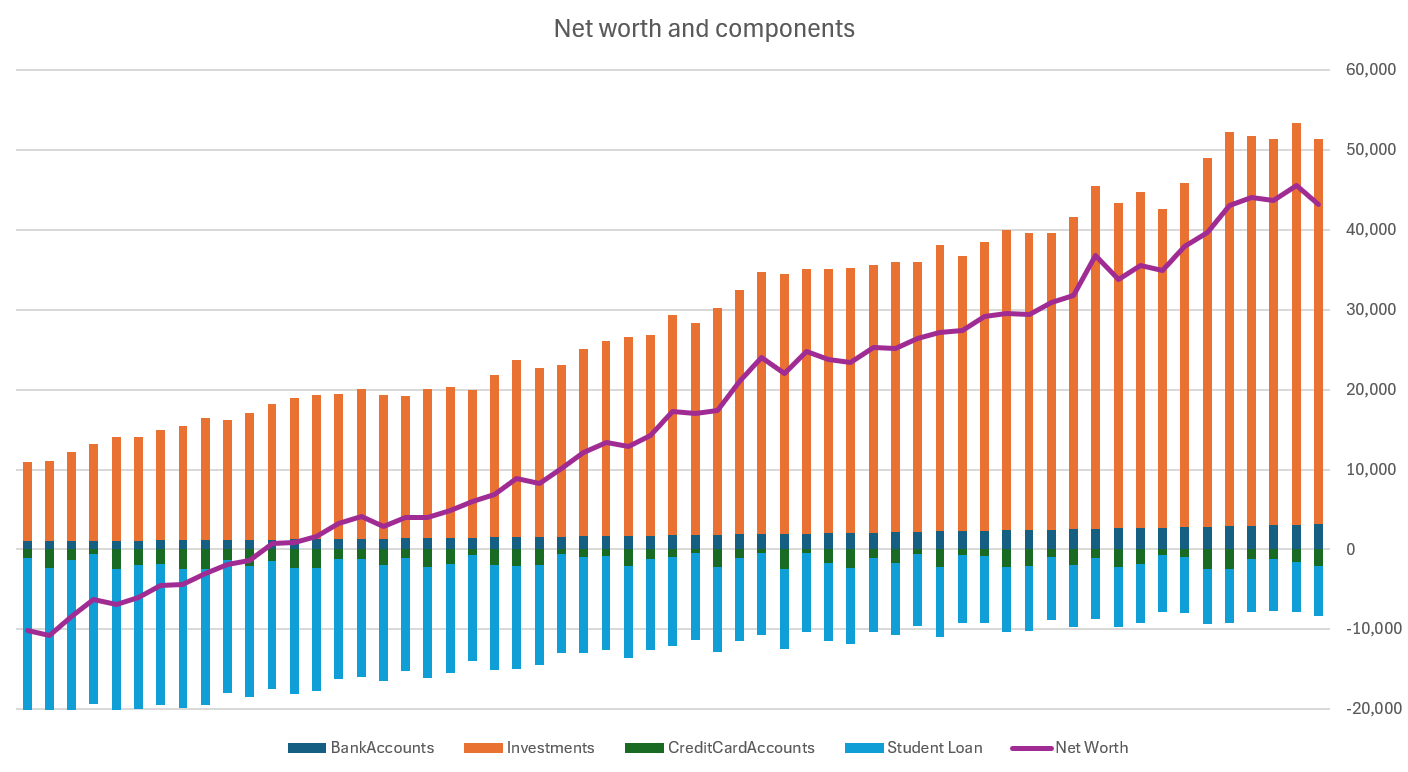
There is no universal legal requirement for individuals to disclose their net worth to the public or private entities in everyday life. However, you are often contractually or legally obligated to provide this information when applying for specific financial products, undergoing security clearance investigations, entering high-stakes legal proceedings, or meeting certain regulatory thresholds for investment opportunities.
When Disclosure Becomes Mandatory
The concept of "net worth"—the total value of your assets minus your liabilities—is a private matter under normal circumstances. In the United States and most international jurisdictions, you have a fundamental right to financial privacy. No law requires you to publish your bank balances, property equity, or investment portfolios for the general public.
However, the landscape changes significantly when you enter into specific agreements or interactions with government bodies and financial institutions. These scenarios are not requests for public disclosure, but rather verified prerequisites for participation in regulated activities.
Financial Services and Credit Underwriting
When you apply for a loan, mortgage, or credit line, lenders require an accurate assessment of your financial health. This is not because they are interested in your personal affairs, but because they are legally required to assess your "ability to repay." Under standards set by institutions like the Consumer Financial Protection Bureau (CFPB) in the United States, lenders must verify assets to manage risk. While they may not always ask for a "net worth" figure directly, the documentation requested—such as tax returns, bank statements, and brokerage reports—effectively allows the institution to calculate your net worth.
Accredited Investor Requirements
If you intend to participate in private equity, venture capital, or certain hedge fund investments, the Securities and Exchange Commission (SEC) in the U.S. mandates that you meet the definition of an "accredited investor." To qualify, you must demonstrate a net worth exceeding $1 million (excluding your primary residence) or meet specific income thresholds. In these cases, you are not required to share your net worth to live your life, but you must provide verified financial documentation to the brokerage or fund manager if you wish to purchase those specific securities.
Legal and Judicial Proceedings
In the context of litigation, particularly divorce proceedings or civil lawsuits involving substantial damages, your net worth is no longer private. During the "discovery" phase of a legal case, parties are required to provide a full accounting of their assets and debts. This information is submitted to the court and opposing counsel to ensure a fair division of property or to determine the capacity to pay damages. Failing to disclose financial assets in these scenarios can result in perjury charges or severe judicial sanctions.
Understanding the Role of Financial Privacy
Financial privacy is protected by several federal laws, such as the Gramm-Leach-Bliley Act (GLBA) in the United States. These laws dictate how financial institutions handle your data, ensuring they cannot share your personal financial records with third parties without your explicit consent or a legal mandate (like a subpoena).
Because your net worth is sensitive information, it is a high-value target for identity thieves. When you are required to share this data with a bank, attorney, or government agency, it is essential to verify the legitimacy of the request. Always use secure, encrypted portals and ensure you are communicating with authorized representatives.
Comparison of Disclosure Scenarios
The table below outlines common scenarios where you might be asked to disclose your financial standing and the nature of that requirement.
| Scenario | Disclosure Obligation | Purpose | Authority |
|---|---|---|---|
| Personal Banking | Voluntary | Relationship maintenance | Internal Policy |
| Mortgage Application | Required | Assessing repayment risk | Lender/Federal Law |
| Accredited Investing | Required | Regulatory compliance | SEC/Financial Regulators |
| Divorce/Litigation | Compulsory | Property division/Liability | Judicial System |
| Security Clearance | Compulsory | Counter-intelligence/Ethics | Government Agencies |
| General Social/Work | Optional | None (Personal choice) | N/A |
Security Clearances and Government Transparency
If you work in sensitive sectors—such as intelligence, defense, or high-level government administration—you may be subject to a background investigation. Agencies like the Office of Personnel Management (OPM) in the U.S. require a comprehensive financial disclosure to ensure you are not susceptible to foreign influence, bribery, or coercion.
In this context, hiding assets or failing to disclose the full extent of your net worth is considered a security risk. The goal here is transparency, not to make your data public, but to ensure that your financial interests are transparent to the government to prevent conflicts of interest or blackmail risks.
Practical Steps for Protecting Your Data
When you determine that you must provide your financial information to satisfy a requirement, follow these best practices to minimize your security risks:
- Verify the Requirement: Do not assume a request is mandatory simply because a company asks for it. If a car dealership asks for your "net worth," you are likely under no obligation to answer, as they only need to verify creditworthiness for a loan.
- Minimize Disclosure: Provide only what is strictly necessary. If an application asks for a net worth total, you may not need to provide itemized account numbers unless requested for formal verification.
- Use Official Channels: Never send financial statements via standard email. Use secured, encrypted portals provided by banks or law firms.
- Demand Privacy Policies: Before sharing sensitive data with a private entity (such as a financial advisor or investment platform), review their privacy policy to understand how they store and protect your information.
Frequently Asked Questions
Does a landlord have the right to ask for my net worth? Generally, no. A landlord can request a credit check or proof of income to ensure you can pay rent, but they do not have a legal right to an itemized list of your assets or a calculation of your total net worth.
Can an employer ask for my net worth during an interview? No. An employer may inquire about salary history (in jurisdictions where that remains legal) or verify your background for high-security positions, but requesting a total net worth is invasive and not a standard or required part of the hiring process.
What happens if I refuse to share my net worth with a bank? If you refuse to provide financial information during a loan application, the bank will likely deny your application. They are legally required to perform due diligence, and they cannot verify your creditworthiness without access to your financial data.
Is my net worth public record if I own a business? If you own a private company, your personal net worth remains private. However, if you are a majority shareholder in a public company, your compensation and relevant shareholdings are public record due to SEC disclosure requirements for executive officers.
How do I safely share financial data with an attorney? Always ensure you have a signed engagement letter or retainer agreement in place first. This establishes an attorney-client privilege, which protects your communications and documents from being disclosed by your attorney to outside parties.
Next Actions and Recommendations
If you are currently being asked to provide a disclosure of your net worth, your first step is to clarify the source and the purpose of the request. If the request comes from a government agency or a court, consult with a qualified legal professional to understand your obligations and the protections afforded to you under local law.
If the request is from a private institution, determine if the service you are seeking—such as a loan or an investment account—is worth the disclosure of that information. If the request seems unusual, unsolicited, or excessive for the service provided, you are well within your rights to decline and seek an alternative provider who operates with a more standard privacy approach.