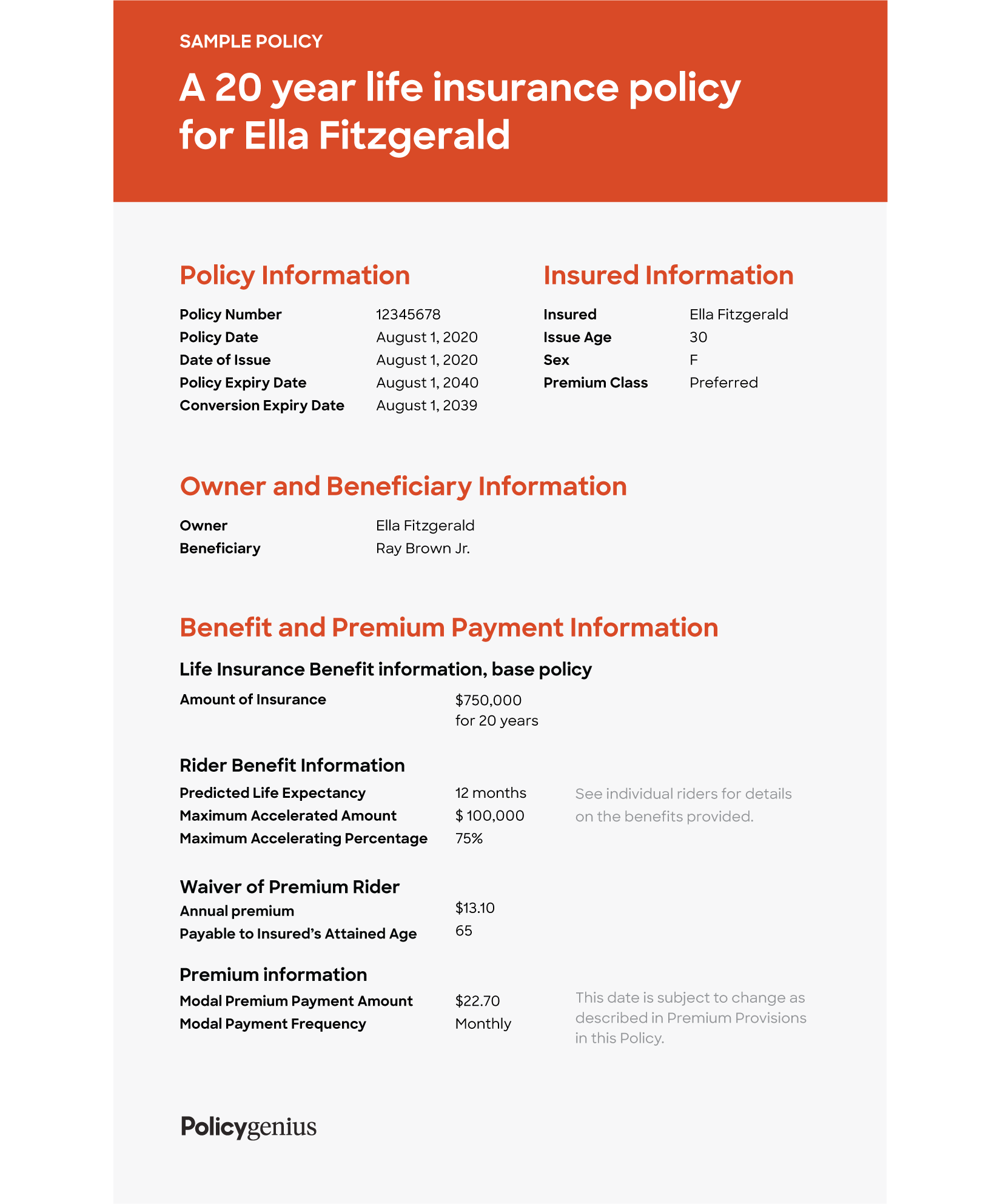
A life insurance policy is a legally binding contract between a policy owner and an insurance carrier. In exchange for regular premium payments, the insurer guarantees to pay a designated sum of money, known as a death benefit, to named beneficiaries upon the death of the insured individual, subject to specific terms and conditions.
As of 2026, understanding the contractual nature of life insurance is more critical than ever. While many view life insurance simply as a monthly bill or a safety net, it is, in the eyes of the law, a sophisticated financial instrument governed by contract law and state-specific regulations. Because the insurer typically drafts the document, the "contract of adhesion" principle applies, meaning the terms are non-negotiable for the consumer, but legal ambiguities are generally resolved in favor of the policyholder.
This guide provides a technical and practical breakdown of how these contracts function, the legal requirements for their validity, and the specific clauses that protect both the insurer and the insured.
The Legal Foundation of the Insurance Contract
For a life insurance policy to be enforceable in a court of law, it must satisfy the four fundamental elements of any legal contract. If any of these components are missing or deficient, the contract may be deemed void or voidable.
1. Offer and Acceptance
The process begins when an individual (the applicant) submits a formal application and the initial premium to the insurance company. This constitutes the "offer." The insurance company then evaluates the risk through a process called underwriting. If the company issues the policy as applied for, "acceptance" has occurred. In cases where the insurer offers different terms (such as a higher premium due to health risks), this is legally a counter-offer, which the applicant must then accept to form the contract.
2. Consideration
In contract law, "consideration" refers to something of value exchanged by both parties. For the policyholder, the consideration is the initial premium payment and the promise to pay subsequent premiums. For the insurance company, the consideration is the promise to pay the death benefit upon the occurrence of the insured event. Without the payment of the premium, the insurer’s obligation to provide coverage does not exist.
3. Legal Capacity
All parties involved must have the legal competence to enter into a binding agreement. This means the applicant must be of legal age (typically 18) and possess the mental capacity to understand the terms of the agreement. The insurance company must also be licensed by the state to issue policies in the jurisdiction where the contract is made.
4. Legal Purpose and Insurable Interest
A life insurance contract must have a legal purpose. Central to this is the concept of insurable interest. The person purchasing the policy must have a legitimate reason to want the insured person to remain alive—typically because they would suffer a financial loss upon that person's death. You cannot legally take out a life insurance policy on a stranger, as this would violate public policy against "wagering" on human lives.
The Specific Parties to the Contract
It is a common misconception that there are only two parties to a life insurance contract. In reality, there are four distinct roles, though one person may fulfill multiple roles simultaneously.
- The Insurer: The insurance company that drafts the contract, accepts the risk, and is obligated to pay the claim.
- The Policy Owner: The individual or entity (such as a trust) that holds the "incidents of ownership." The owner is responsible for paying premiums and has the right to change beneficiaries, take out loans against cash value (in permanent policies), or surrender the policy.
- The Insured: The person whose life the policy covers. Their health, age, and lifestyle determine the cost of the contract. The insured does not necessarily own the policy or have rights to the death benefit.
- The Beneficiary: The person, person(s), or entity designated to receive the death benefit. Beneficiaries are not technically parties to the contract but are "third-party beneficiaries" with a legal right to the proceeds.
Mandatory Policy Provisions and Clauses
State laws, often guided by the National Association of Insurance Commissioners (NAIC), require life insurance contracts to include specific provisions designed to protect consumers. These clauses define the boundaries of the insurer's liability and the policyholder's rights.
The Entire Contract Clause
This provision states that the policy document, including any attached riders and the original signed application, constitutes the "entire contract" between the parties. This prevents the insurance company from referring to its internal bylaws or other documents to deny a claim unless those documents are physically part of the policy.
The Incontestability Clause
Perhaps the most significant consumer protection, the incontestability clause dictates that after a policy has been in force for a specific period (usually two years from the date of issue), the insurer cannot contest the validity of the contract based on misstatements made in the application. Even if the insured lied about a health condition, once the two-year mark passes, the insurer is generally legally bound to pay the claim, except in cases of extreme fraud or non-payment of premiums.
The Grace Period
Life insurance contracts are not immediately canceled if a premium payment is missed. Standard contracts include a grace period—typically 30 or 31 days—during which the policy remains in full force. If the insured dies during the grace period, the insurer will pay the death benefit but will deduct the overdue premium from the payout.
The Suicide Clause
To protect against "adverse selection" (the tendency of high-risk individuals to seek insurance), most contracts include a suicide clause. This clause states that if the insured commits suicide within the first two years of the policy, the insurer will not pay the death benefit but will refund the premiums paid to the beneficiary. After the two-year period, suicide is generally covered like any other cause of death.
Misstatement of Age or Gender
Unlike other errors, a misstatement of age or gender does not void the contract. Instead, the insurer will adjust the death benefit to what the premiums paid would have purchased if the correct age or gender had been disclosed at the time of application.
Contractual Obligations: The Doctrine of Utmost Good Faith
Life insurance is categorized as a contract of Uberrimae Fidei, or "Utmost Good Faith." This distinguishes it from standard commercial contracts where "caveat emptor" (buyer beware) might apply. In a life insurance contract, both parties are legally obligated to disclose all material facts honestly.
The applicant must provide an accurate medical history, and the insurer must clearly define the terms of coverage. If a policyholder intentionally conceals a material fact—such as a terminal diagnosis or a dangerous hobby like base jumping—the insurer may have grounds to rescind the contract during the contestability period.
Comparison of Contract Types: Term vs. Permanent
While all life insurance policies are contracts, the structure of the obligation varies significantly between term and permanent products.
| Feature | Term Life Insurance Contract | Permanent (Whole/Universal) Contract |
|---|---|---|
| Contract Duration | Specified period (e.g., 10, 20, or 30 years). | Indefinite; remains in force until age 100 or 121. |
| Cash Value Component | Generally none; pure protection. | Includes a savings component that builds equity. |
| Premium Structure | Level for the term, then increases sharply. | Generally level for life or flexible. |
| Ownership Rights | Right to convert to permanent or renew. | Right to borrow against cash value or surrender for cash. |
| Termination | Ends at the end of the term with no value. | Ends upon death, surrender, or maturity. |
Ownership Rights and Assignment
Because a life insurance policy is a contract and a piece of personal property, the owner has the right to transfer their interest in the contract to another party. This is known as assignment.
- Absolute Assignment: The owner transfers all rights of ownership to another person or entity permanently. This is common when gifting a policy to a child or transferring a policy into an Irrevocable Life Insurance Trust (ILIT) for estate tax planning.
- Collateral Assignment: The owner transfers a portion of the death benefit to a creditor as security for a loan. If the insured dies, the creditor is paid what is owed first, and the remaining balance goes to the named beneficiaries. Once the debt is repaid, the assignment is removed.
Limitations and Exclusions
No life insurance contract covers every possible scenario. Exclusions are specific conditions under which the insurer will not pay the death benefit. While these vary by state and carrier, common exclusions in 2026 include:
- War Exclusion: Deaths resulting from acts of war or military service in a declared combat zone.
- Aviation Exclusion: Deaths resulting from private aviation (commercial flights are almost always covered).
- Hazardous Occupations or Hobbies: Some contracts exclude deaths resulting from high-risk activities like auto racing or scuba diving unless a special rider is purchased.
- Felony Exclusion: If the insured dies while committing a felony, the insurer may be legally permitted to deny the claim.
Professional Advice Limitation
This article is intended for informational purposes only and does not constitute legal, financial, or tax advice. Life insurance laws vary significantly by jurisdiction. Individuals should consult with a licensed insurance professional or a qualified attorney to discuss their specific situation and the legal implications of their insurance contracts.
Frequently Asked Questions
Can an insurance company change the terms of the contract after it is issued?
Generally, no. Life insurance contracts are "unilateral," meaning only one party (the insurer) makes a legally enforceable promise. Once the policy is issued, the insurer cannot unilaterally change the death benefit or the premium (in the case of fixed-premium policies) as long as the owner continues to pay the premiums. Any changes usually require the mutual consent of both the owner and the insurer, often facilitated through a "rider" or an "amendment."
What happens if the insurance company goes bankrupt?
Life insurance contracts are protected by state guaranty associations. If a carrier becomes insolvent, the state guaranty association in the policyholder's state of residence typically steps in to provide coverage and pay claims, up to certain limits (often $300,000 to $500,000 for life insurance death benefits). It is advisable to check the financial strength ratings of a carrier via agencies like A.M. Best before entering into a contract.
Is the application truly a part of the contract?
Yes. Under the "Entire Contract" provision, the application is legally integrated into the policy. This means that any answers you provide during the medical exam or on the paper application are considered contractual representations. If those representations are found to be false during the contestability period, they can be used as evidence to void the contract.
Can the beneficiary be changed without the insured's permission?
In most cases, yes, provided the policy owner and the insured are different people. The policy owner holds the right to change the beneficiary at any time, unless the beneficiary was designated as "irrevocable." If a beneficiary is irrevocable, the owner must obtain the beneficiary's written consent before making any changes to the contract.
What is a "Contract of Adhesion"?
A contract of adhesion is a "take it or leave it" agreement. The insurance company (the party with the stronger bargaining power) prepares the contract, and the applicant must either accept the terms as written or decline the coverage. Because the consumer has no power to negotiate the specific wording, courts generally apply the rule of "strict construction," interpreting any vague or unclear language in the contract in the way that most favors the policyholder.
Next Steps for Policyholders
To ensure your life insurance contract performs as expected, the following actions are recommended:
- Request a Specimen Policy: Before signing, ask for a "specimen" version of the contract to read the specific exclusions and definitions.
- Verify the Free-Look Period: Most states mandate a "free-look" period of 10 to 30 days. Use this time to review the contract thoroughly. If you are unsatisfied, you can return the policy for a full refund of any premiums paid.
- Review Beneficiary Designations: Ensure your beneficiaries are listed by name and Social Security number to avoid contractual delays during the claims process.
- Confirm the "Owner" Status: If you are using life insurance for estate planning, verify that the ownership is correctly titled (e.g., to a trust) from the inception of the contract to avoid tax complications.