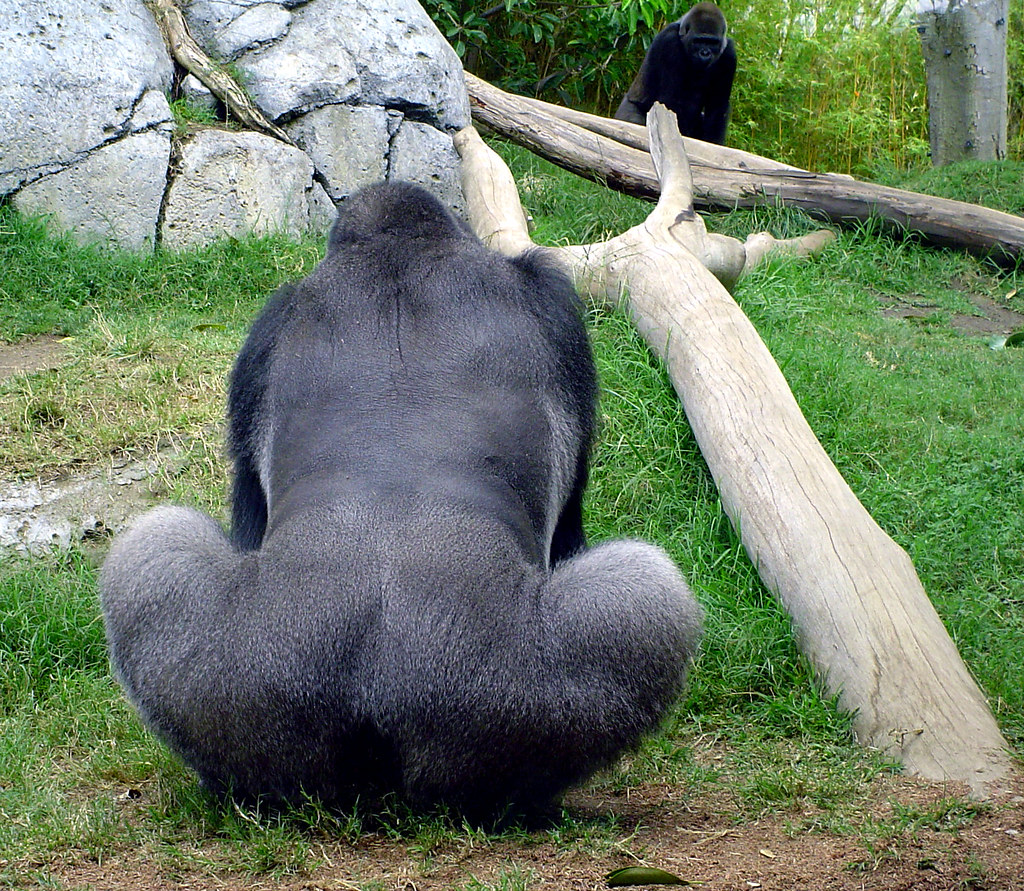
The viral incident involving a gorilla at the San Diego Zoo striking its enclosure glass illustrates the sophisticated intersection of animal behavior, stress management, and modern zoological engineering. While these events are often sensationalized, they primarily serve as a critical case study for zookeepers and safety engineers regarding the durability of containment materials, primate social dynamics, and the constant evolution of exhibit design intended to protect both animals and the visiting public.
Understanding the Context of Primate Behavior
In professional zoological settings, such as the San Diego Zoo, great apes are monitored with rigorous attention to their psychological and physical welfare. When a gorilla interacts aggressively with its environment—including striking the viewing glass—it is rarely an act of unprovoked violence. Instead, primatologists categorize these behaviors as communication, territorial posturing, or expressions of frustration.
Gorillas are highly social, intelligent creatures that possess significant physical strength. In the wild, they use this strength for display purposes—beating their chests, charging, and impacting vegetation to signal dominance or ward off perceived threats. When confined, even within a vast, state-of-the-art habitat, the presence of spectators can sometimes trigger these instinctual displays. A strike against the glass is often a redirection of these natural behaviors toward the most prominent feature of their physical boundary.
The Engineering Behind Gorilla Enclosure Glass
Public viewing areas in modern zoos are not constructed from standard household glass. They utilize high-security, laminated architectural glass designed to withstand extreme forces. The materials used at facilities like the San Diego Zoo are typically multiple layers of heat-strengthened or tempered glass bonded together with a clear, resilient interlayer, such as polyvinyl butyral (PVB) or SentryGlas.
This design philosophy focuses on two outcomes: structural integrity and safety. Even if the outermost layer of the glass suffers a crack or "starburst" due to a localized impact from a heavy object or a primate’s fist, the interlayer holds the shards in place, preventing the barrier from becoming a hazard. The glass is specifically engineered to deflect energy. When a gorilla strikes the surface, the material distributes the kinetic energy across the entire pane, significantly reducing the likelihood of a total failure.
Comparative Properties of Zoo Containment Materials
To ensure safety, zoo exhibit architects must balance visibility, light transmission, and impact resistance. The following table highlights the common materials used in modern primate exhibits and their functional characteristics.
| Material Type | Impact Resistance | Optical Clarity | Maintenance Needs | Primary Application |
|---|---|---|---|---|
| Laminated Glass | Very High | Excellent | Low | Primary viewing panels |
| Polycarbonate | Extreme | High (can yellow) | Moderate (scratches) | Specialized high-stress zones |
| Tempered Glass | Moderate | High | Low | Low-risk peripheral areas |
| Acrylic (PMMA) | High | Exceptional | High (polishing) | High-end viewing galleries |
Risk Mitigation and Exhibit Design
The San Diego Zoo and similar AZA-accredited (Association of Zoos and Aquariums) institutions utilize a "multi-layered" approach to safety. This does not rely on the glass alone but incorporates environmental design strategies to minimize the probability of such incidents occurring.
- Buffer Zones: Incorporating distance between the public and the glass prevents visitors from pressing against the barrier, which can agitate sensitive animals.
- Visual Barriers: Designing the habitat with "private" zones where gorillas can retreat from public view allows the animals to self-regulate their stress levels.
- Environmental Enrichment: Providing complex, engaging activities within the enclosure keeps the gorillas occupied, reducing the urge to engage in "boredom-induced" or frustration-based displays against the enclosure boundaries.
- Acoustic Management: Controlling noise levels near the glass is vital. Sudden, loud noises from crowds can startle primates, leading to reactive behaviors that may involve physical contact with the glass.
Addressing Public Safety Concerns
The primary concern during an incident where a gorilla strikes or cracks the glass is the safety of the guests. It is important to note that a crack in the outer layer of a laminated glass pane is significantly different from a structural breach. Zoo staff are trained to monitor these events in real-time. If an enclosure shows signs of structural fatigue, protocols dictate that the exhibit be cleared and the animals moved to their holding quarters immediately.
Visitors are urged to remain calm in the unlikely event of an animal interacting aggressively with the glass. Rapid movement, screaming, or flashing lights can escalate the animal's agitation. By maintaining a quiet, respectful presence, guests help keep the environment stable, which in turn reduces the likelihood of further aggressive posturing from the animals.
The Role of Zookeepers and Animal Welfare
Zookeepers act as the frontline of observation. They maintain deep familiarity with the individual temperaments of the gorillas in their care. By logging daily behaviors, they can often predict when an animal is experiencing stress, whether due to social tension within the troop, hormonal cycles, or changes in the environment.
When an incident involving glass impact occurs, it triggers an internal review process. Experts examine whether the behavior was an isolated event or part of a larger trend in the animal’s behavior. They may adjust feeding schedules, introduce new enrichment items, or reconfigure the troop’s access to specific areas of the habitat to mitigate the triggers that led to the impact.
Frequently Asked Questions
Is it dangerous if a gorilla cracks the glass?
While startling, a crack in the exterior layer of a laminated glass enclosure rarely indicates that the entire panel is about to fail. The internal layers are designed to keep the barrier intact. However, safety protocols require immediate assessment and often temporary closure of the viewing area to ensure continued integrity.
Why do gorillas hit the glass in zoos?
Gorillas exhibit territoriality and social signaling through physical displays. When an animal hits the glass, it is usually a form of communication aimed at the "audience" on the other side, or it is a reaction to stress, environmental boredom, or a desire for more private space. It is a natural behavior redirected toward an artificial boundary.
Are all zoo glass enclosures the same?
No. Depending on the species and the specific layout of the habitat, zoos use varying thicknesses and material compositions. High-stress areas—where animals are known to interact with the barrier—are often reinforced with advanced, multi-layered, shatter-resistant technology that exceeds standard safety requirements.
Can visitors do anything to prevent this behavior?
Yes. Visitors play a significant role in keeping exhibit environments calm. Avoiding tapping on the glass, keeping noise levels low, and not teasing the animals are essential practices. By respecting the animals' space, visitors minimize the stimuli that may provoke defensive or aggressive reactions.
How does the zoo decide when to fix the glass?
If a pane sustains a crack, the zoo’s facilities team conducts a structural assessment. Safety is the overriding priority. If the structural engineer determines that the integrity of the containment is compromised, the exhibit is taken offline immediately for repairs, regardless of the cost or the impact on zoo operations.
Practical Recommendations for Zoo Visitors
To have a safe and educational experience when viewing gorillas, follow these guidelines:
- Observe Quietly: Maintain a calm, low-volume demeanor near primate exhibits.
- Avoid Physical Contact: Never touch, tap, or lean against the glass viewing panels.
- Follow Staff Instructions: If zookeepers or security staff request that guests move away from a viewing area, comply immediately.
- Report Concerns: If you observe an animal displaying extreme distress or notice significant damage to an enclosure that has not been addressed, alert the nearest staff member.
By understanding that these events are part of a highly regulated, monitored, and safety-conscious environment, the public can better appreciate the complex efforts required to maintain a healthy and safe habitat for these magnificent animals.