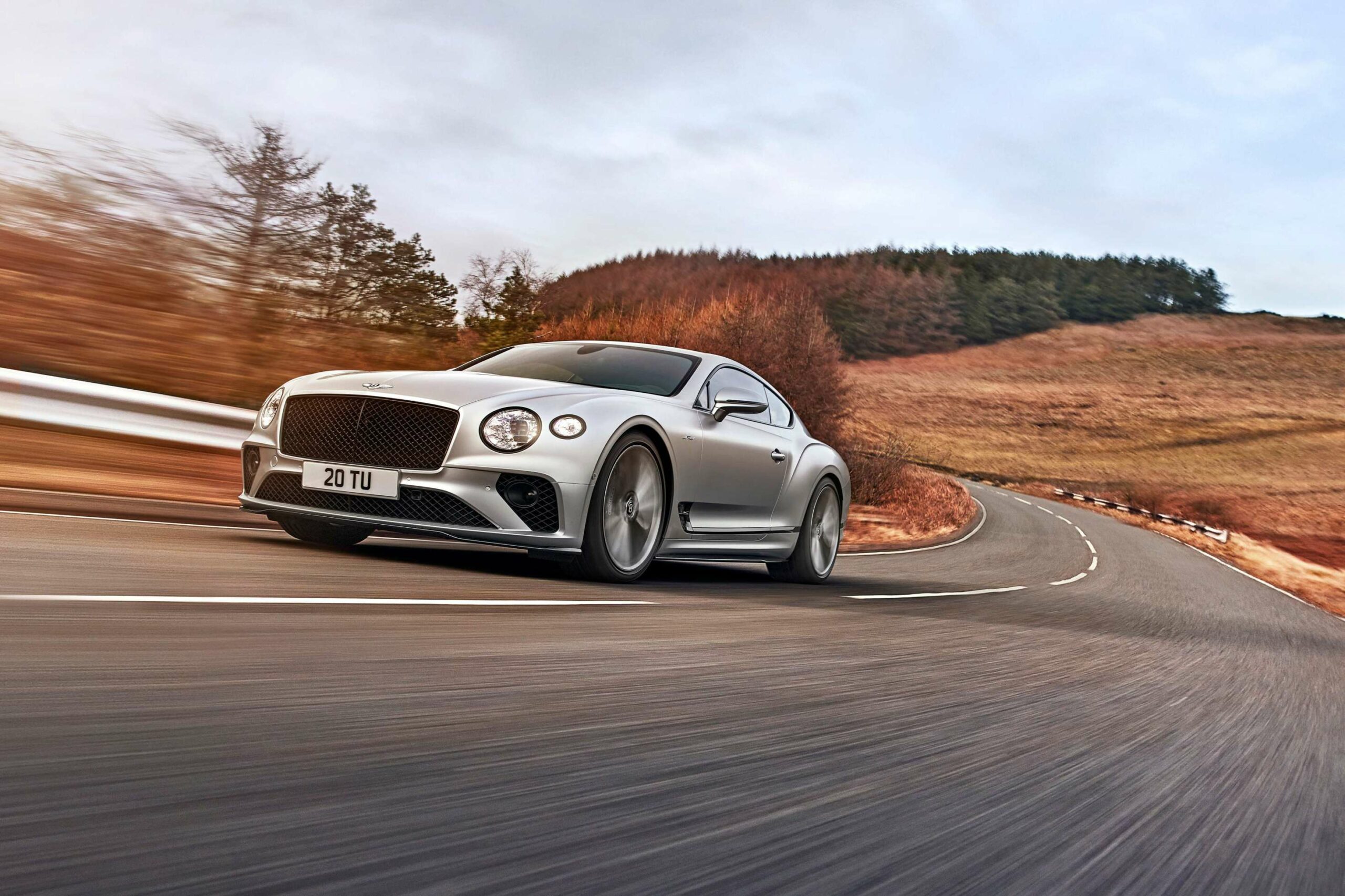
A continental car brand refers to vehicle manufacturers originating from mainland Europe, most notably Germany, Sweden, France, Italy, and the Czech Republic. In many global markets, these brands—such as Mercedes-Benz, BMW, Audi, and Volvo—are synonymous with superior engineering, advanced safety technology, high-performance driving dynamics, and premium cabin craftsmanship.
Continental cars have long held a unique position in the automotive hierarchy. For decades, they have been the benchmark for luxury and innovation, often introducing technologies that eventually trickle down to mass-market vehicles. However, the decision to own a "Conti" car involves more than just selecting a badge; it requires an understanding of the specific engineering philosophies, maintenance expectations, and financial commitments that differ significantly from those of Japanese, Korean, or American manufacturers.
The Definition and Scope of Continental Car Brands
The term "Continental" is frequently used in Commonwealth countries and Southeast Asian markets to distinguish European makes from Asian (Japanese and Korean) or domestic brands. While the geographic definition simply implies "from the continent of Europe," the automotive definition carries weight regarding build philosophy.
The primary players in the Continental space include:
- Germany: Mercedes-Benz, BMW, Audi, Porsche, and Volkswagen.
- Sweden: Volvo and Polestar.
- Italy: Alfa Romeo, Maserati, and Fiat (as well as supercar brands like Ferrari and Lamborghini).
- France: Peugeot, Citroën, and Renault.
- Czech Republic: Škoda.
In 2026, the landscape of these brands has shifted heavily toward electrification and software-defined architectures. However, the core identity of these manufacturers remains rooted in their heritage of high-speed stability—born from the unrestricted stretches of the German Autobahn—and a historical focus on structural rigidity and occupant protection.
Why Drivers Choose Continental: The Core Advantages
Choosing a Continental car is often an emotional decision supported by technical justifications. The appeal lies in three main pillars: driving dynamics, safety, and perceived prestige.
1. Superior Driving Dynamics and Engineering
Continental brands prioritize the "tactile" experience of driving. German brands, in particular, invest heavily in suspension geometry and chassis tuning to ensure that vehicles feel stable at high speeds. This is often referred to as "high-speed composure." When driving a BMW or an Audi, the steering feedback is typically more weighted and communicative than that of a standard commuter car, providing the driver with a greater sense of control and connection to the road.
2. Pioneering Safety Standards
European safety regulations and the Euro NCAP (European New Car Assessment Programme) are among the strictest in the world. Brands like Volvo have built their entire identity on safety innovation, having invented the three-point seatbelt and pioneered Side Impact Protection Systems (SIPS). Continental cars generally use higher-grade steel in their frames and include a higher density of airbags and active driver-assistance systems (ADAS) as standard equipment.
3. Material Quality and Ergonomics
The interior of a Continental car is designed to be a "third living space." This involves the use of premium materials—soft-touch plastics, Nappa leather, real wood veneers, and brushed aluminum. Beyond the materials, the ergonomics are often more sophisticated, with seats designed for long-distance touring to prevent driver fatigue. In 2026, this has evolved into high-resolution OLED displays and haptic feedback systems that streamline the user interface.
The Financial Reality of Continental Ownership
While the benefits are significant, the cost of entry and the ongoing expenses are higher than those of most Asian competitors. Prospective owners must account for several financial factors before committing to a purchase.
Initial Purchase Price and Depreciation
Continental cars usually command a 20% to 50% premium over their Asian counterparts in the same segment. Furthermore, they tend to experience steeper depreciation in the first three to five years. This is partly due to the high cost of out-of-warranty repairs, which makes the second-hand market more cautious. However, premium brands like Porsche or limited-edition Mercedes-Benz models often defy this trend, holding value better due to brand scarcity.
Insurance Premiums
Insurance for Continental cars is almost universally higher. This is due to the high cost of replacement parts and the specialized labor required for repairs. If a Mercedes-Benz is involved in a collision, the sensors embedded in the bumpers and the high-tensile aluminum panels are more expensive to replace than the plastic and steel components found on budget-friendly vehicles.
Maintenance and Specialized Labor
Continental cars are engineered with tight tolerances. This means they require specific grades of synthetic oils and genuine parts to function correctly. You cannot easily "cut corners" with a European engine. Furthermore, the diagnostic software required to service these cars is often proprietary, meaning owners are frequently tethered to authorized service centers or specialized European car workshops that charge higher hourly labor rates.
Maintenance and Technical Longevity
To ensure a Continental car lasts beyond its warranty period, a proactive maintenance schedule is non-negotiable. Unlike some Japanese vehicles that may tolerate slightly deferred maintenance, a European car will often respond to neglect with cascading mechanical failures.
The Cooling System and Electronics
Historically, the Achilles' heel of many Continental brands has been the cooling system and complex electronics. The high-performance nature of these engines generates significant heat, which can degrade plastic components and rubber gaskets over time. Owners are advised to perform "preventative maintenance," such as replacing water pumps and hoses before they fail, typically every 80,000 to 100,000 kilometers.
Transmission Care
Many Continental cars utilize Dual-Clutch Transmissions (DCT) or advanced ZF 8-speed automatic gearboxes. While these provide lightning-fast gear shifts and excellent fuel efficiency, they require regular fluid changes. Ignoring transmission service intervals can lead to jerky shifts or total transmission failure, which can be one of the most expensive repairs in the automotive world.
Comparing Major Continental Brands (2026 Data)
The following table compares the four most prominent Continental brands based on their current market positioning, primary strengths, and typical maintenance profiles.
| Brand | Origin | Primary Strength | Maintenance Complexity | Average Warranty (Typical) |
|---|---|---|---|---|
| Mercedes-Benz | Germany | Luxury & Tech | High | 3-5 Years |
| BMW | Germany | Driving Dynamics | High | 3-5 Years |
| Audi | Germany | All-wheel Drive (Quattro) | Moderate/High | 3-5 Years |
| Volvo | Sweden | Safety & Comfort | Moderate | 5 Years |
| Volkswagen | Germany | Practical Engineering | Moderate | 3-5 Years |
Continental Cars in the Electric Era (2026)
As of 2026, the distinction between "Continental" and other brands has become even more focused on software. German manufacturers have invested billions into proprietary operating systems (such as Mercedes-Benz’s MB.OS). These systems allow for over-the-air (OTA) updates that can improve battery efficiency or unlock new performance features.
The transition to Electric Vehicles (EVs) has solved some traditional Continental pain points—specifically the complexity of internal combustion engines—but has introduced new ones, such as the weight of the vehicle affecting tire wear and the need for specialized high-voltage technicians. Brands like Porsche with the Taycan and Audi with the e-tron GT have proven that the "Continental feel" can be successfully translated into a silent, electric powertrain.
Common Myths vs. Reality
There are several misconceptions regarding Continental cars that often cloud the judgment of first-time buyers.
- Myth: They are unreliable.
- Reality: They are not necessarily unreliable, but they are "sensitive." If you follow the manufacturer's service schedule to the letter, a Continental car can easily surpass 300,000 kilometers. Reliability issues usually stem from owners treating them like low-maintenance budget cars.
- Myth: Parts are impossible to find.
- Reality: For major brands like BMW or VW, parts are widely available through both official and OEM (Original Equipment Manufacturer) channels. However, shipping for specialized Italian or French parts can sometimes lead to longer repair times.
- Myth: They are only for the wealthy.
- Reality: While the "Big Three" (Mercedes, BMW, Audi) are premium, brands like Volkswagen and Škoda offer the Continental engineering experience at a much more accessible price point, often sharing the same platforms and engines as their luxury siblings.
Frequently Asked Questions
Is a Continental car worth the extra cost?
Whether it is "worth it" depends on your priorities. If you value safety, cabin quietness, and high-speed stability, the premium is often justified. If your primary goal is the lowest possible cost of ownership and point-A-to-point-B utility, a Japanese or Korean vehicle may be a more pragmatic choice.
Why does the air conditioning in Continental cars sometimes feel weaker?
European cars are designed for cooler climates. While modern versions for international markets have "tropicalized" cooling systems, the compressors and insulation are sometimes tuned differently than those in cars designed specifically for hot Asian or Middle Eastern markets. However, by 2026, most major brands have corrected this through more powerful climate control units.
Can I service my Continental car at a general workshop?
It is not recommended. Continental cars require specific diagnostic tools (such as ODIS for Volkswagen/Audi or ISTA for BMW). A general workshop may not have the software to reset service intervals or calibrate the complex sensors found in these vehicles, potentially leading to error codes or system malfunctions.
Are Continental cars more expensive to insure?
Yes. Due to the complexity of the bodywork (often using aluminum and high-strength alloys) and the high cost of integrated technology like LED Matrix headlights, insurance companies categorize them in higher risk/cost brackets.
How do Continental cars handle in wet conditions?
Extremely well. Many European makes emphasize electronic stability control (ESC) and traction control systems. Brands like Audi and Volvo are particularly well-known for their All-Wheel Drive (AWD) systems, which provide superior grip on slippery or rain-soaked roads compared to standard Front-Wheel Drive (FWD) vehicles.
Final Recommendations for Prospective Buyers
If you are considering a Continental car brand in 2026, the most important step is to review the service history (if buying used) or to understand the service package (if buying new).
- Budget for Maintenance: Always set aside a "contingency fund" of roughly 10% of the car's value for unexpected repairs once the warranty expires.
- Test Drive on Highways: The true quality of a Continental car is rarely felt in low-speed city traffic. Take the car on a highway to experience the steering weight and cabin insulation.
- Check for Warranty Extensions: Many manufacturers now offer extended 5-year or 7-year warranties. These are highly valuable for Continental cars and should be a priority during negotiations.
- Consider the Brand's Local Support: Ensure there is a reputable authorized dealer or a specialized European workshop within a reasonable distance of your home.
Ultimately, owning a Continental car is a lifestyle choice that prioritizes the quality of the journey. By understanding the technical requirements and financial commitments, you can enjoy the pinnacle of automotive engineering without the stress of unexpected complications.