An "as is where is" clause is a legal provision in a contract specifying that the buyer accepts a property, asset, or item in its current condition, including all known and unknown defects, without warranties or recourse against the seller. By agreeing to these terms, the buyer waives the right to request repairs, price adjustments, or damages after the transaction is finalized, placing the full burden of due diligence on the purchaser before they commit to the purchase.
Defining the Legal Scope of As Is Where Is
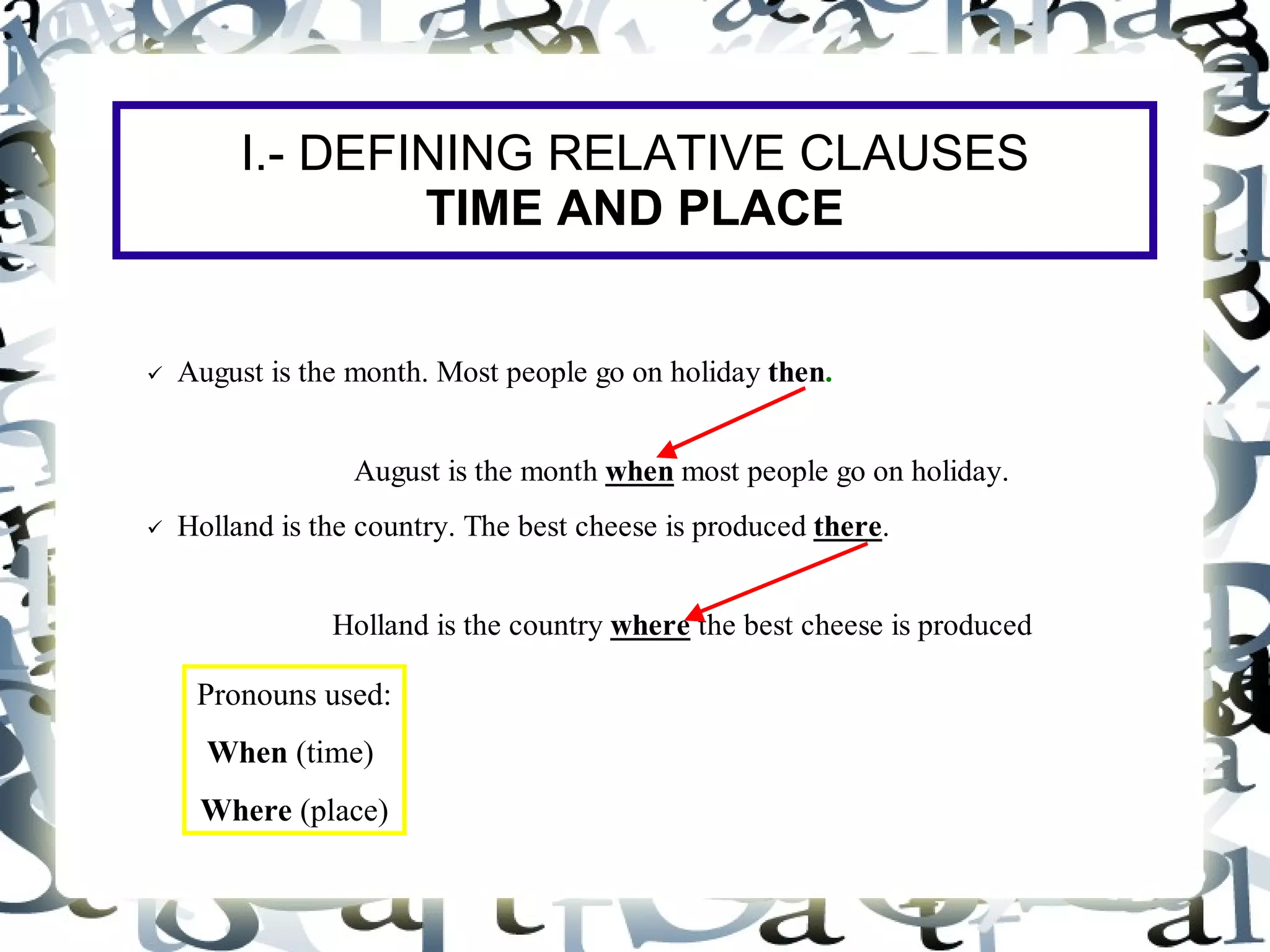
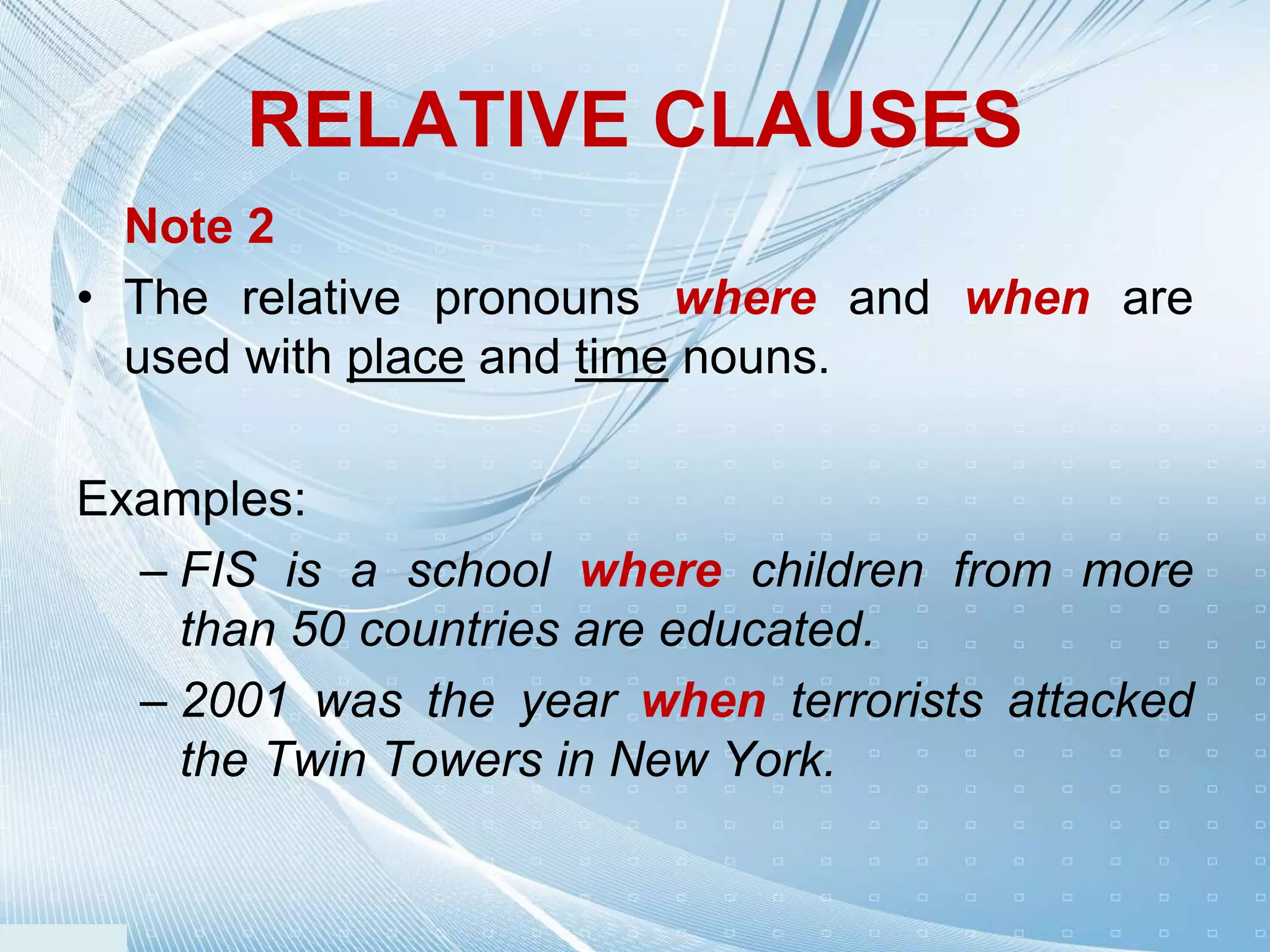
At its core, an "as is where is" clause acts as a total transfer of risk from the seller to the buyer. In legal and commercial parlance, the "as is" component refers to the condition of the physical item or property, while the "where is" component dictates that the buyer is responsible for retrieving or moving the asset from its current location at their own expense and effort.
This clause is most common in the sale of distressed real estate, used industrial equipment, surplus government inventory, and foreclosure auctions. When a seller invokes this language, they are explicitly disclaiming any implied warranties of merchantability or fitness for a particular purpose. For the buyer, this means that if a machine fails to operate, a building has structural damage, or a vehicle has a blown engine five minutes after the bill of sale is signed, the seller is generally not liable.
The Critical Role of Due Diligence
Because the "as is where is" clause eliminates the safety net provided by standard warranties, the burden of discovery falls entirely upon the buyer. Without a period for thorough investigation, a buyer is effectively gambling on the asset’s condition.
Conducting due diligence under these terms requires a systematic approach:
- Physical Inspection: Engage qualified professionals to examine the asset. For machinery, this may involve mechanical engineers or technicians; for real estate, this requires licensed home inspectors, structural engineers, or environmental surveyors.
- Records Review: If available, request maintenance logs, service history, tax records, and title documents. While the seller provides these "as is," discrepancies between stated history and physical reality can be a red flag.
- Site Assessment: The "where is" component implies logistics. Evaluate the difficulty of extraction. If the asset is located in a remote area or requires specialized heavy machinery for removal, these costs must be calculated into the total investment value to ensure the deal remains profitable.
- Legal Encumbrances: Conduct a title search or lien check. An "as is" clause covers the physical state, but it does not absolve the seller of the obligation to transfer clear legal title unless specifically stated otherwise in the contract.
Common Contexts for As Is Transactions
The use of this clause varies significantly across different industries. Understanding the context helps clarify the level of risk the buyer is assuming.
Real Estate Transactions
In real estate, "as is" is frequently used in "fixer-upper" sales or by banks selling foreclosed properties. The seller, often an estate or a financial institution, does not wish to invest in repairs and prefers a lower sale price in exchange for a quick, clean exit. Buyers here must be wary of "latent defects"—issues that are hidden behind walls or beneath the soil that a casual visual inspection will not uncover.
Industrial and Surplus Auctions
Government agencies and large corporations frequently dispose of obsolete equipment through surplus auctions. These items are almost exclusively sold "as is where is." The primary goal for these sellers is clearing floor space and recovering residual value, rather than ensuring the buyer has a functional machine. In these cases, the risk is often balanced by a significantly lower purchase price compared to new equipment.
Private Vehicle Sales
When an individual sells a vehicle "as is," it protects them from a buyer returning months later due to a mechanical breakdown. While many jurisdictions have "lemon laws" that protect consumers buying from commercial dealerships, these laws rarely apply to private, "as is" transactions between individuals.
Comparison of Contractual Protections
Understanding how an "as is" clause compares to other forms of risk allocation is essential for informed decision-making.
| Feature | Standard Warranty | As Is Where Is | Statutory Protection |
|---|---|---|---|
| Seller Liability | High (Repair/Replace) | None | Varies (e.g., Dealer Law) |
| Buyer Risk | Minimal | Maximum | Moderate |
| Inspection Need | Optional/Recommended | Mandatory/Essential | Optional |
| Price Point | Market Premium | Discounted | Market Standard |
Strategic Cautions and Limitations
While "as is where is" clauses are powerful, they are not absolute shields against legal consequences. Even in an "as is" contract, the seller may face liability under specific conditions:
- Fraudulent Concealment: If a seller actively hides a known defect—such as painting over mold or misrepresenting the functionality of a system—the "as is" clause may not protect them from a lawsuit based on fraud.
- Violations of Statutes: Certain consumer protection laws or environmental regulations cannot be waived. For example, a seller cannot sell a property with known, unreported hazardous materials (like asbestos or buried fuel tanks) and use an "as is" clause to skirt environmental cleanup responsibilities if they were legally required to disclose those hazards.
- Implied Warranty of Title: In most jurisdictions, a seller still has an implicit obligation to prove they have the legal right to sell the asset. An "as is" clause usually refers to the condition of the goods, not the legitimacy of the ownership.
Steps to Mitigate Risk
If you are entering a transaction governed by an "as is where is" clause, follow these practical steps to protect your interests:
- Draft Specific Disclaimers: Ensure the contract is clear. If you are the buyer, try to negotiate a specific contingency clause that allows you to withdraw if the inspection reveals damage exceeding a certain dollar amount, even if the sale is otherwise "as is."
- Document the Condition: Take high-resolution photographs and videos at the time of inspection. This creates a baseline record of what was discovered, which can be useful if you later discover that the seller misrepresented the state of the asset.
- Allocate Logistics Costs: Budget 15–20% above your initial estimate for the "where is" portion of the agreement. Unexpected complications in shipping, dismantling, or specialized permitting are common in asset-recovery projects.
- Confirm Legal Status: Ensure that "as is" does not imply "with all liens attached." Perform a thorough lien search on any heavy machinery or real estate to ensure you are not inheriting the seller's debts.
Frequently Asked Questions
Does "as is" mean the seller can lie about the condition? No. An "as is" clause protects the seller from claims regarding defects they did not disclose, but it does not permit the seller to engage in active fraud or intentional misrepresentation. If you can prove the seller actively hid a defect, you may have legal recourse.
Can I still inspect an item sold "as is where is"? Yes, and you absolutely should. "As is" does not mean "no inspection allowed." If a seller refuses to let you inspect the property or equipment, it is a significant red flag, and you should consider walking away from the deal entirely.
What happens if the asset is destroyed before I move it? This depends on the closing date and the terms of the contract. Generally, risk of loss shifts to the buyer at closing or at the point of possession. Clarify in the contract exactly when the responsibility for the asset transfers to you, especially if there is a long lead time for removal.
Does "as is" waive my right to sue for safety violations? Generally, you cannot contract away liability for public safety or illegal conditions. If an industrial machine is sold "as is" but fails to meet fundamental safety standards mandated by law, the seller may still bear responsibility if that equipment causes injury.
Is an "as is" clause standard in every contract? It is standard for liquidation, auctions, and distressed sales, but it is less common in standard residential real estate sales between private parties, where buyers usually demand a property disclosure statement and a home inspection contingency.
Final Recommendation
When encountering an "as is where is" clause, treat the transaction as a high-stakes professional endeavor. Do not be swayed by the potentially lower price point without first conducting a rigorous, objective, and expert-led inspection. Your goal is to identify every potential point of failure before you sign the contract, as that signature serves as the final barrier against recourse. If you cannot afford the worst-case scenario—where the asset is non-functional or the cost to remove it exceeds your budget—then the "as is" risk is simply too high. Always prioritize independent verification over the seller’s verbal or written assurances.