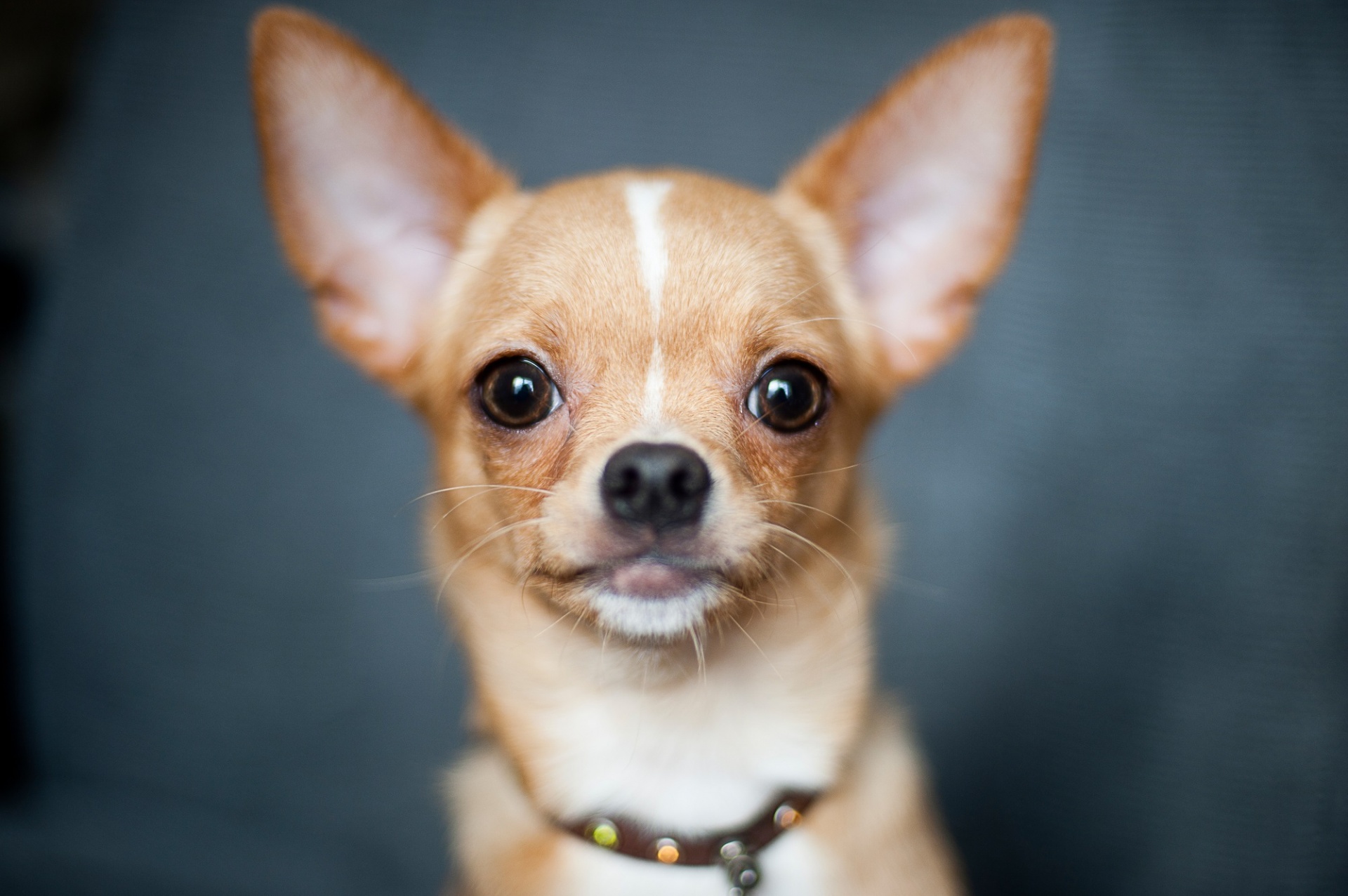
Raising a Chihuahua puppy requires dedicated attention to their unique nutritional, physical, and behavioral needs. Because of their diminutive size, these puppies are highly susceptible to hypoglycemia and physical injury, necessitating a specialized environment. Success involves consistent positive reinforcement training, early socialization to prevent reactivity, and proactive veterinary care to ensure a healthy lifespan.
Understanding the Chihuahua Breed Standard and Temperament
Before bringing a Chihuahua puppy into your home, it is essential to understand the biological and behavioral traits that define the breed. Recognized as the smallest dog breed in the world by major kennel clubs, the Chihuahua is a "purse dog" only in size. In personality, they are often described as "terrier-like," possessing a confident, alert, and sometimes bold temperament.
In 2026, the distinction between the two primary head shapes—the Apple Head and the Deer Head—remains a significant point for prospective owners. The American Kennel Club (AKC) standard prioritizes the Apple Head, characterized by a rounded skull and a 90-degree angle (stop) where the muzzle meets the forehead. Deer Heads tend to have longer muzzles and a flatter skull. While head shape is largely aesthetic, Apple Heads may be more prone to a "molera," a soft spot on the skull similar to a human infant’s fontanel, which requires careful handling.
Chihuahuas are intensely loyal to their primary caregivers. This loyalty can manifest as "velcro" behavior, where the puppy follows the owner from room to room. Without proper socialization, this devotion can morph into protective aggression or extreme shyness. Understanding that your puppy is a "big dog in a small body" is the first step toward successful ownership.
Essential Preparation and Puppy-Proofing
Preparing for a Chihuahua puppy is different from preparing for a larger breed. Their size allows them to fit into gaps that owners often overlook. A gap of only two inches under a gate or behind a refrigerator can be a significant hazard.
Creating a Safe Zone
New owners should establish a "puppy-safe" area using a playpen or a small room with easy-to-clean flooring. Because Chihuahuas are difficult to housebreak due to their tiny bladders, limiting their access to the entire house early on prevents the development of "hidden" bathroom spots. Avoid using standard baby gates if the slats are wide enough for the puppy to squeeze through or get their head stuck.
Specialized Gear
Traditional collars are often discouraged for Chihuahua puppies because the breed is prone to tracheal collapse. A soft, mesh Y-frame harness is the safest option for walking, as it distributes pressure across the chest rather than the delicate neck. Furthermore, since Chihuahuas have difficulty regulating their body temperature, even in 2026, sweaters and coats are not just fashion statements; they are functional necessities for any environment below 65°F (18°C).
Nutritional Requirements and Hypoglycemia Prevention
Nutrition is the most critical aspect of early Chihuahua care. These puppies have incredibly high metabolic rates but tiny stomachs, meaning they cannot consume large amounts of food at once.
Preventing Hypoglycemia
The most immediate health risk for a Chihuahua puppy is hypoglycemia (low blood sugar). This condition can be fatal within hours if not addressed. Symptoms include lethargy, staggering, shivering, or seizures. To prevent this, puppies must be fed 3 to 4 times daily until they reach adulthood. Many breeders and veterinarians recommend keeping a tube of high-calorie nutritional supplement (like Nutri-Cal) or simple honey on hand to rub on the puppy's gums in an emergency.
Selecting the Right Food
In 2026, the market offers various life-stage-specific formulas. For a Chihuahua, the kibble must be "extra small" to prevent choking and to ensure the puppy can actually chew the pieces. Look for foods where the first ingredient is a high-quality animal protein. Avoid "filler" grains if your puppy shows signs of skin sensitivities, which are common in the breed.
| Nutritional Component | Requirement for Chihuahua Puppies | Purpose |
|---|---|---|
| Protein | 25% - 30% | Muscle development and growth. |
| Fat | 15% - 20% | Concentrated energy source and coat health. |
| Feeding Frequency | Every 4–6 hours | Prevents life-threatening hypoglycemia. |
| Kibble Size | 5mm - 8mm | Ensures safe mastication and reduces choking. |
| Water Access | Constant | Prevents dehydration in small body mass. |
Health Management and Preventive Care
A Chihuahua puppy’s health foundation is built in the first six months. Beyond standard vaccinations for distemper, parvovirus, and rabies, Chihuahuas require specific monitoring for breed-related issues.
Dental Health
Chihuahuas are notorious for dental problems. Their small mouths often lead to overcrowded teeth, which trap food and cause early-onset periodontal disease. In some cases, deciduous (baby) teeth do not fall out on their own, requiring surgical extraction by a veterinarian to allow adult teeth to seat properly. Starting a tooth-brushing routine at 10 weeks old is vital for long-term health.
Orthopedic and Cardiac Concerns
Puppies should be screened for luxating patella, a condition where the kneecap slides out of place. While it may not cause pain in puppyhood, it can lead to arthritis later in life. Additionally, Chihuahuas are predisposed to mitral valve disease. Regular auscultations (listening to the heart) by a vet during puppy check-ups can catch murmurs early.
Socialization and Behavioral Training
One of the greatest disservices an owner can do to a Chihuahua puppy is to carry them everywhere. While it feels protective, it often results in a dog that is fearful of the ground and reactive toward other animals and people.
The Importance of Socialization
The "critical socialization window" occurs between 3 and 16 weeks of age. During this time, the puppy should be exposed to various sounds (vacuum cleaners, sirens), surfaces (grass, tile, gravel), and types of people (children, people in hats, people with umbrellas). This exposure must be positive; using treats to create a "positive association" with new stimuli prevents the development of the "snappy" reputation some Chihuahuas possess.
Housebreaking Challenges
Housebreaking a Chihuahua puppy requires more patience than almost any other breed. Their bladders are roughly the size of a walnut. A common mistake is waiting too long between potty breaks. A 10-week-old Chihuahua should be taken to their designated spot every 30 to 60 minutes while awake. Because they are sensitive to cold and rain, many owners find success with indoor options like grass pads or litter boxes specifically designed for dogs.
The Financial Commitment
While small, the Chihuahua is not necessarily a "low-cost" dog. Prospective owners should budget for both initial and recurring expenses. In 2026, veterinary costs for small breeds have stabilized but remain a significant portion of the budget due to the specialized care required.
- Initial Purchase/Adoption: Reputable breeders often charge between $1,500 and $3,500 for a well-bred, health-tested puppy. Adoption fees for rescues are typically $250 to $500.
- Veterinary Care: The first year includes three rounds of shots, deworming, and spaying/neutering. Expect to spend $600 to $1,200.
- Maintenance: High-quality small-breed food, grooming tools, and preventative medications for fleas, ticks, and heartworm average $50 to $80 per month.
- Professional Training: Group classes are highly recommended for socialization, typically costing $150 to $300 for a six-week session.
Ethical Sourcing: Breeder vs. Rescue
In 2026, the emphasis on ethical sourcing is stronger than ever. Prospective owners must distinguish between a "backyard breeder" and a "preservation breeder."
- Preservation Breeders: These individuals perform genetic testing on the parents for eyes (CERF), hearts, and patellas. They usually belong to the Chihuahua Club of America or regional equivalents. They provide a health guarantee and will take the dog back at any point in its life.
- Rescues: Chihuahuas are one of the most common breeds found in shelters. Organizations like Chihuahua Rescue & Transport focus specifically on rehoming this breed. Adopting a puppy from a rescue can be rewarding but may require extra patience regarding unknown genetic backgrounds.
Avoid purchasing puppies from pet stores or online marketplaces that ship dogs without a prior meeting. These are almost exclusively sourced from commercial breeding facilities (puppy mills) where health and socialization are secondary to profit.
Frequently Asked Questions
Why is my Chihuahua puppy shaking?
Chihuahuas shake for several reasons, including cold, excitement, stress, or a high metabolic rate. Because they have very little body fat and a high surface-area-to-volume ratio, they lose heat rapidly. If the shaking is accompanied by lethargy, it may be a sign of hypoglycemia, and you should seek veterinary advice immediately.
Are Chihuahuas good with children?
Chihuahuas can be excellent companions for older, respectful children. However, they are generally not recommended for households with toddlers. A puppy's bones are fragile, and a fall from a child's arms or an accidental step can result in broken limbs or a fractured skull. If raised with children, supervision is mandatory at all times.
How long do Chihuahuas live?
Chihuahuas are among the longest-living dog breeds, with a typical lifespan of 12 to 20 years. Their longevity is largely dependent on dental health and weight management, as obesity significantly shortens their life by putting strain on their heart and joints.
How much exercise does a Chihuahua puppy need?
While they are active indoors, Chihuahua puppies still need structured exercise. Two 15-minute walks daily, combined with indoor play, are usually sufficient. Avoid over-exercising them on hot pavement, as their paws burn easily and they can overheat quickly due to their proximity to the ground's radiating heat.
Is it hard to potty train a Chihuahua?
Yes, Chihuahuas are often considered one of the more difficult breeds to potty train. This is partly due to their size—it is easy for them to hide accidents—and partly due to their aversion to cold or wet weather. Consistency, crate training, and positive reinforcement are essential. Never punish a Chihuahua for an accident, as this will only make them hide their business from you.
Do Chihuahuas bark a lot?
Chihuahuas are natural "alarm" dogs and will bark to alert you of any perceived intruder or change in their environment. While you cannot eliminate the instinct entirely, early training to teach a "quiet" command can keep the barking under control. Proper socialization also reduces anxiety-based barking.
Final Recommendation for New Owners
If you are considering a Chihuahua puppy, the most critical next step is to evaluate your daily schedule. These dogs thrive on companionship and do not do well when left alone for 8 to 10 hours a day. Before bringing your puppy home, secure a relationship with a local veterinarian who has experience with toy breeds. Focus heavily on socialization in the first four months; a well-socialized Chihuahua is a confident, joyful companion that defies the negative stereotypes often associated with small dogs.