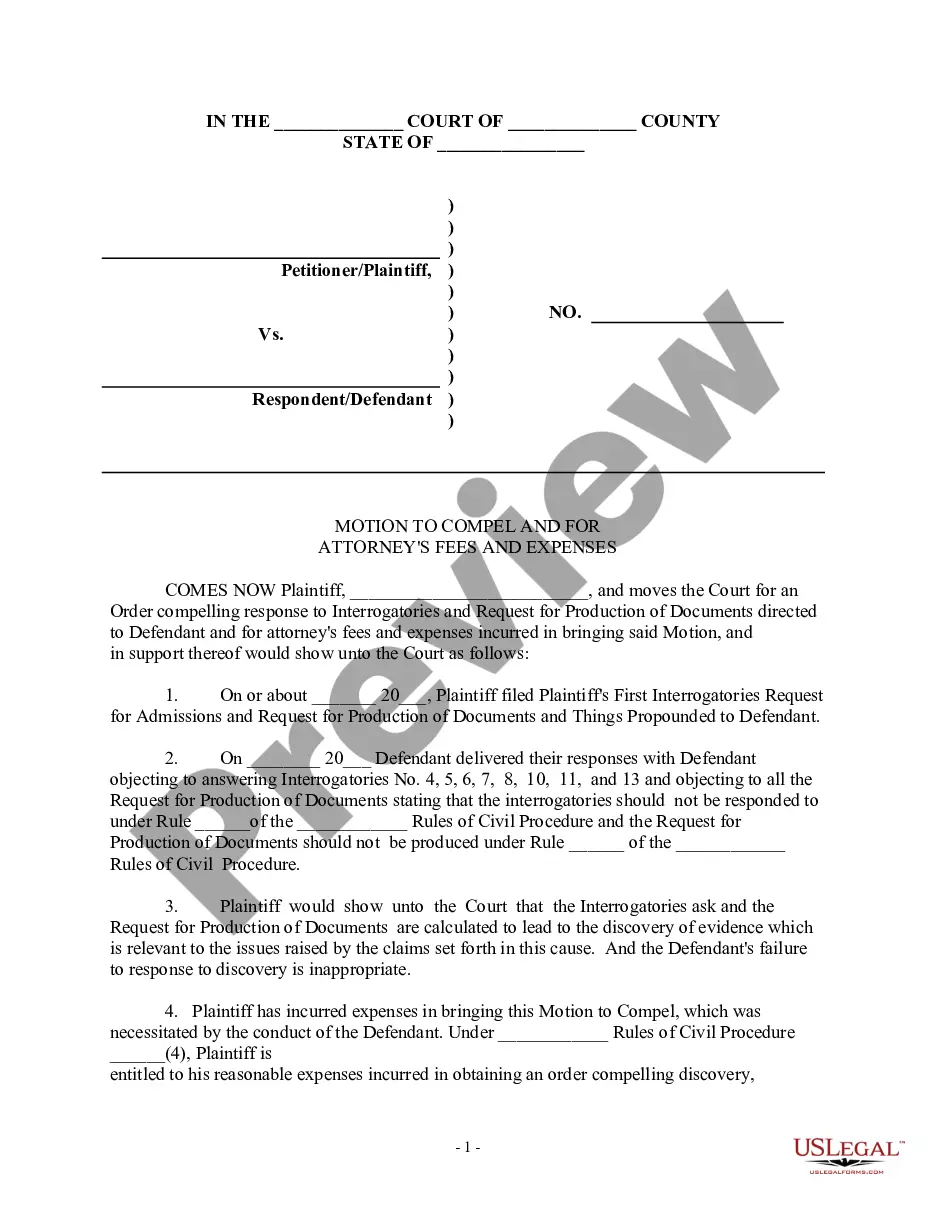
When an injured worker in New Jersey faces a denial or delay of temporary disability benefits, the legal system provides a specific procedural tool: the Motion for Temporary Disability. Navigating this process involves understanding how attorney fees are calculated under state regulations and recognizing when and how penalties—such as the 25% assessment for late payment—can be applied against an employer or insurance carrier.
The Mechanism of Temporary Disability in New Jersey
In the New Jersey workers’ compensation system, temporary disability (TD) benefits are designed to replace a portion of lost wages for an employee who is unable to work while recovering from a work-related injury. These benefits are categorized as "temporary total disability" (TTD) because they are intended to support the worker only until they reach a point of "maximum medical improvement" (MMI) or return to work.
When an employer or their insurance carrier stops paying these benefits, or fails to initiate them despite medical documentation of an inability to work, the injured worker must pursue a formal mechanism to compel payment. This is accomplished by filing a Motion for Temporary Disability. This motion is expedited compared to the standard petition for compensation, as the need for wage replacement is often immediate and critical to the injured worker’s financial stability.
The Role of Attorney Fees in Workers’ Compensation
New Jersey law strictly regulates the fees attorneys can charge in workers’ compensation matters. Unlike personal injury cases, where fees are often based on a percentage of a settlement, fees in workers’ compensation are governed by N.J.S.A. 34:15-64.
Statutory Fee Limitations
The statute dictates that attorneys' fees are generally assessed against the employer, rather than being deducted from the injured worker's benefit checks. This is a crucial distinction. In a typical successful motion for temporary disability, the judge of compensation will order the employer or insurance carrier to pay the attorney’s fee in addition to the benefits owed to the employee.
- Judicial Discretion: The fee is not a fixed percentage across the board but is determined by the Judge of Compensation based on the nature of the services performed, the time expended, and the degree of success achieved.
- The "20% Rule": In many standard workers' compensation settlements, a fee of 20% of the compensation awarded is common. However, for motions specifically related to temporary disability, the judge evaluates the effort required to secure the specific order for payment.
- No Direct Deduction: Under New Jersey law, the attorney is generally prohibited from taking their fee out of the temporary disability payments owed to the worker. If the attorney attempts to charge the worker directly for these services, it may constitute a violation of the fee structure set by the Division of Workers’ Compensation.
Assessing Penalties for Non-Payment or Delay
A critical component of a Motion for Temporary Disability is the potential for the judge to impose penalties on the respondent (employer or insurance carrier). If the carrier has unreasonably delayed or denied benefits that were clearly due, the worker may be entitled to more than just the back pay.
The 25% Penalty for Unreasonable Delay
Under N.J.S.A. 34:15-28.1, if an employer or insurance carrier fails to make a payment of temporary disability benefits within 30 days of the time the payment is due, they may be assessed a penalty.
- Defining "Unreasonable": The delay must be deemed unreasonable by the Judge of Compensation. A mere administrative oversight might not trigger the full penalty, but a pattern of systemic delay or a denial without a valid medical basis often satisfies the court's requirement for finding "unreasonableness."
- The Penalty Calculation: The statute allows for a penalty of up to 25% of the amount of the unpaid benefits. This penalty is paid directly to the injured worker, serving as a deterrent against carriers who withhold funds to manage their own cash flow or to pressure the worker into a disadvantageous settlement.
Procedural Steps: Filing the Motion
The process begins with the filing of a motion that includes a supporting certification, medical records confirming the disability, and a demand for payment.
- Supporting Documentation: You must provide clear medical evidence from an authorized physician that defines the period of disability. If the employer's doctor has cleared the worker to return to work, but the worker’s own doctor asserts they remain disabled, the judge will hold a hearing to weigh the medical testimony.
- The Hearing: Unlike full trials, these motions are often resolved through brief hearings. The focus remains entirely on whether the worker is medically cleared to work and whether the disability is causally related to the workplace incident.
- The Order: If the judge rules in favor of the petitioner, they will issue an order for temporary disability payments. This order will also address the attorney fees and any penalties if the court finds the carrier’s conduct was egregious.
Comparison Table: Standard Procedures vs. Motion Proceedings
| Aspect | Standard Petition | Motion for Temporary Disability |
|---|---|---|
| Primary Focus | Permanent disability / Final settlement | Immediate wage replacement |
| Speed of Resolution | Slow (months to years) | Fast (days to weeks) |
| Penalty Risk | Generally not applicable | Significant (up to 25%) |
| Attorney Fees | Usually capped at 20% | Awarded by judge based on effort |
| Legal Burden | Proof of permanent impact | Proof of inability to work |
Common Challenges and Misconceptions
One of the most significant challenges workers face is the insurance company’s use of "Independent Medical Examinations" (IME). Carriers often send the injured worker to a doctor of their choosing, who may conclude that the worker is fit for "light duty." If the worker refuses to perform light duty, the carrier may cut off benefits.
A motion for temporary disability becomes the primary tool to challenge this IME. If your own doctor provides detailed notes explaining why the specific "light duty" offered by the employer is outside your medical capabilities, the judge may reject the carrier’s attempt to terminate benefits. It is vital to maintain consistent medical records throughout this process, as these records serve as the foundation for the attorney’s request for both back pay and the associated penalties.
Selecting Representation
Because attorneys' fees in New Jersey workers' compensation are highly regulated and typically paid by the employer (upon a favorable outcome), injured workers should be wary of any legal representative who asks for an upfront retainer or a fee to file a motion for temporary disability. The legal fee is contingent upon the success of the case and the approval of the judge.
When searching for legal counsel, prioritize practitioners who specialize specifically in New Jersey workers’ compensation law. The nuances of the Division of Workers’ Compensation rules—including the specific deadlines for filing motions and the procedural requirements for evidence—are complex. A general practice attorney may lack the specific experience required to successfully argue for the 25% penalty against a recalcitrant insurance carrier.
Frequently Asked Questions
1. Can my lawyer take a fee out of my temporary disability check?
No. In New Jersey, attorney fees in workers' compensation are generally paid by the employer in addition to your benefits, not taken out of the weekly check paid to you. Any arrangement where an attorney attempts to deduct fees from your TTD payments should be discussed with the Office of the Clerk of the Division of Workers’ Compensation.
2. How is the 25% penalty calculated?
The 25% penalty is calculated based on the total amount of temporary disability benefits that were delayed or denied. If you were owed $10,000 in back payments, a successful penalty claim could result in an additional $2,500 awarded to you, provided the court finds the delay was unreasonable.
3. What if I return to work and then become disabled again?
Temporary disability can be reinstated if you return to work and subsequently find yourself unable to perform your duties due to a flare-up or complication of the same work-related injury. You would need to provide updated medical documentation and potentially file a new motion if the carrier refuses to resume payments.
4. How long does it take to get a hearing date for a motion?
Motions for temporary disability are prioritized on the court calendar. Depending on the specific vicinage (county district) where your case is filed, a hearing is typically scheduled within a few weeks of the motion being filed and served on the insurance carrier.
5. Is there a statute of limitations for these motions?
Yes, you are generally subject to the two-year statute of limitations for filing a workers' compensation claim. If your claim is already active, you can file a motion for temporary disability as long as you are still undergoing medical treatment and have not reached a final settlement or reached the two-year anniversary of your last benefit payment.
Next Actions for the Injured Worker
If you are currently without income due to a work injury and the insurance carrier has stopped your payments, your first step is to secure copies of all correspondence from the carrier and all reports from your treating physician. You should then contact a certified workers' compensation attorney to review whether the criteria for a Motion for Temporary Disability are met. Ensure that you have a documented record of all missed payments, as this is essential for your attorney to argue for the inclusion of statutory penalties.
Professional advice from a licensed attorney is essential in these matters. The regulations governing New Jersey workers' compensation are subject to judicial interpretation, and the success of a motion often depends on the specific, localized procedures of the Workers' Compensation Court in your specific county.