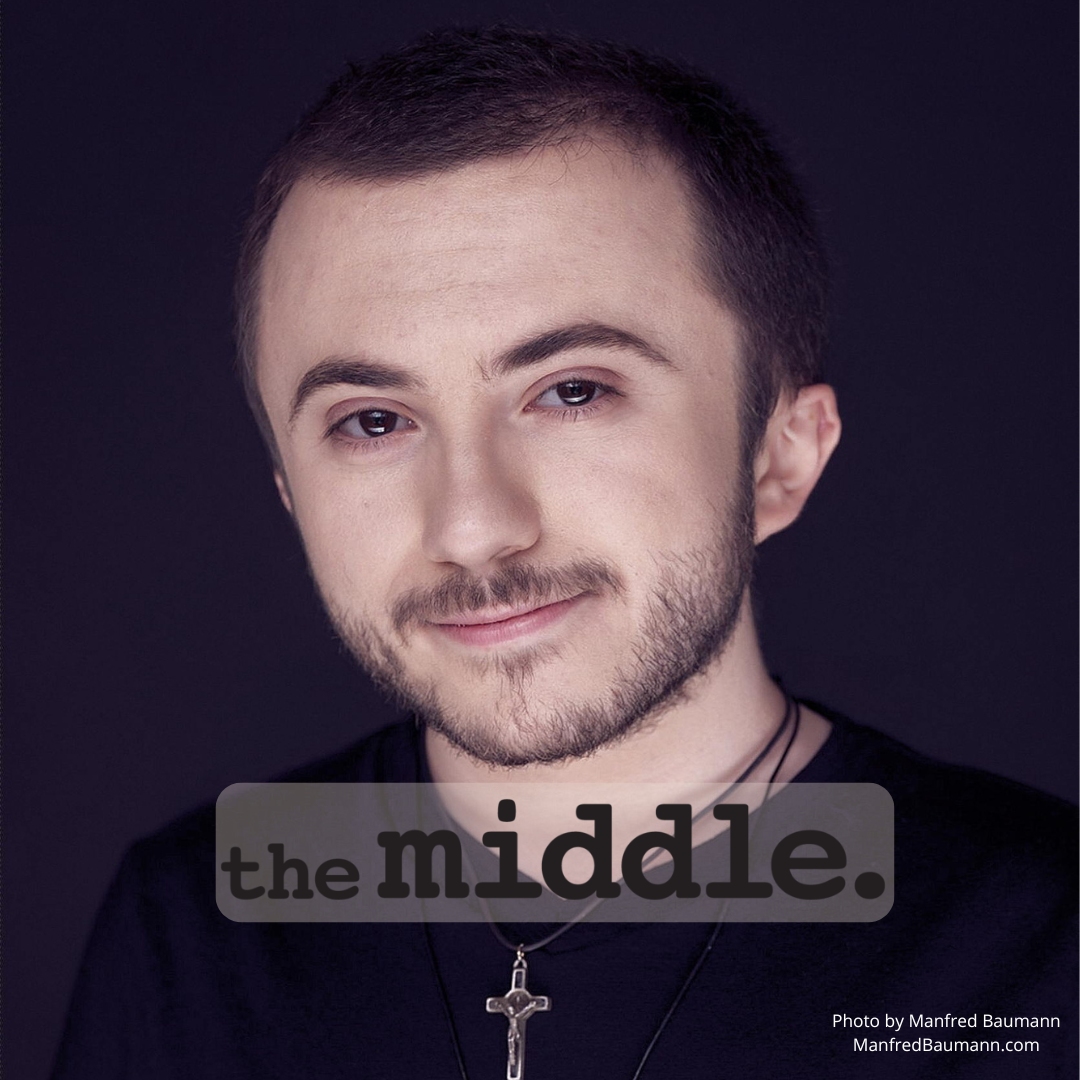
Actor Atticus Shaffer is widely recognized for his portrayal of Brick Heck on the long-running sitcom The Middle. Throughout his career, he has been open about living with Type IV Osteogenesis Imperfecta, a genetic bone disorder characterized by fragile bones that break easily. This condition has shaped his personal journey and perspective, while his professional success continues to highlight the importance of representation and resilience in the entertainment industry.
Defining Osteogenesis Imperfecta (OI)
Osteogenesis Imperfecta, frequently referred to as "brittle bone disease," is a rare genetic disorder caused by a mutation in the genes responsible for producing type I collagen. Collagen is a vital protein that acts as the structural scaffolding for bones, skin, and other connective tissues. When the body cannot produce high-quality or sufficient quantities of this protein, the result is structural integrity issues, leading to bones that are prone to fractures even under minimal stress.
The disorder is categorized into several distinct types, ranging from mild to severe, based on the specific genetic defect and the clinical presentation of symptoms. While some forms of OI are present at birth and can result in hundreds of fractures throughout a person's lifetime, other forms are characterized by milder bone fragility.
Understanding Type IV Osteogenesis Imperfecta
Type IV Osteogenesis Imperfecta is often classified as a moderate form of the disorder. It sits in the spectrum between the milder Type I and the more severe types like Type III. Individuals diagnosed with Type IV typically exhibit a range of symptoms, though the manifestation can vary significantly from one person to another.
Clinical Presentation of Type IV
One of the defining features of Type IV is bone fragility that can range from moderate to severe. Many individuals with this diagnosis experience frequent fractures, particularly during childhood and adolescence. As patients move into adulthood, the frequency of fractures often decreases, though it does not disappear entirely.
Other symptoms and clinical considerations include:
- Stature and Growth: Individuals with Type IV often experience shorter than average stature. This is frequently due to the cumulative effect of multiple childhood fractures and potential spinal deformities.
- Skeletal Deformities: Curved spines (scoliosis) and bowed legs are common occurrences. These skeletal variations often require physical therapy or, in some cases, surgical intervention to ensure mobility and manage discomfort.
- Scleral Color: In Type IV, the sclera (the white part of the eye) is generally of normal color. This serves as a key clinical differentiator from Type I, which is frequently associated with blue-tinted sclera.
- Dentinogenesis Imperfecta: This condition, which involves discolored, brittle teeth that chip or wear down easily, is frequently seen in individuals with Type IV. Dental care for these patients often requires specialized management to maintain oral health.
The Intersection of Health and Career
Atticus Shaffer’s experience with Type IV Osteogenesis Imperfecta has been a notable part of his public narrative. Unlike some public figures who choose to keep their medical history private, Shaffer has utilized his platform to demystify the condition. By maintaining a successful acting career while managing the daily realities of a chronic physical condition, he has provided a visible example of professional achievement that does not ignore or hide his disability.
For many fans, seeing Shaffer in mainstream roles has been a source of inspiration. His portrayal of characters who are defined by their intellect and personality rather than their physical limitations offers a powerful message about human capability. It challenges the stereotypes often associated with physical disabilities in media, emphasizing that medical diagnoses represent only one facet of a person’s identity.
Impact on Daily Life
Living with Type IV requires a disciplined approach to physical activity, safety, and health maintenance. For adults, this usually involves a combination of medical monitoring and lifestyle adaptations:
- Orthopedic Management: Regular check-ups with specialists ensure that any developing issues, such as spinal curvature or joint wear, are caught early.
- Physical Therapy: Strengthening the muscles surrounding the bones is a primary strategy for fracture prevention. Stronger musculature provides better support for the skeletal frame.
- Nutritional Support: Ensuring adequate intake of Vitamin D and calcium is crucial for bone density, although medication is often required to assist in collagen or bone metabolism.
- Environmental Adaptations: Depending on the severity of the symptoms, individuals might utilize assistive devices or modified environments to reduce the risk of accidental falls or high-impact incidents.
Comparative Overview of OI Types
Understanding where Type IV sits within the broader spectrum of Osteogenesis Imperfecta helps in distinguishing the varied medical needs of those affected.
| Type | Severity | Key Characteristics |
|---|---|---|
| Type I | Mild | Blue sclera; frequent fractures in youth; near-normal height. |
| Type II | Lethal | Severe bone deformities; often fatal in the perinatal period. |
| Type III | Severe | Progressive bone deformities; frequent fractures; significant growth delay. |
| Type IV | Moderate | Variable bone fragility; normal sclera; potential dental issues. |
Note: The severity of each type can vary depending on individual genetic expressions and the quality of clinical support received throughout a patient’s life.
Frequently Asked Questions
Is Type IV Osteogenesis Imperfecta a progressive condition?
While the underlying genetic mutation does not change, the physical manifestations can fluctuate. Fractures are typically more frequent during the developmental years. As an individual grows and their skeletal structure matures, the frequency of fractures often stabilizes, though the risk of bone fragility remains throughout life.
How is Type IV diagnosed?
Diagnosis is typically confirmed through a combination of clinical assessment, family history, and genetic testing. Doctors look for markers like bone density levels, the presence of specific skeletal deformities, and the absence of blue sclera. Genetic sequencing can identify the specific collagen mutation, providing a definitive answer.
Do people with Type IV OI require constant medical care?
While the condition is chronic, it does not mean a person is in a state of crisis at all times. Most individuals with Type IV live active, independent lives. Medical care is typically preventative and management-focused, centering on periodic monitoring by orthopedists and dentists, alongside a proactive approach to physical health.
Can individuals with Type IV engage in sports or physical activities?
Physical activity is highly recommended, as strong muscles are essential for protecting the bones. However, individuals with Type IV are usually advised to avoid high-impact activities or contact sports that pose a high risk of fracture. Swimming, physical therapy exercises, and other low-impact activities are often the preferred methods of staying fit and mobile.
Is there a cure for Type IV Osteogenesis Imperfecta?
There is currently no cure for the genetic mutations that cause OI. Treatment is focused on managing symptoms, maximizing mobility, and minimizing the occurrence of fractures. Researchers continue to explore gene therapies and advanced pharmacological treatments to improve bone density and collagen health.
Navigating Life with Chronic Bone Fragility
Managing a chronic condition like Type IV Osteogenesis Imperfecta is a multifaceted process that involves more than just clinical treatment; it involves the development of resilience and a focus on long-term health. For professionals in the spotlight, such as Atticus Shaffer, this involves balancing a demanding career with the need for physical pacing and self-care.
For those navigating their own journey with OI, the focus should remain on collaborative care. Building a relationship with a multidisciplinary team—including pediatric or adult orthopedists, endocrinologists, and physical therapists—is essential. These professionals provide the tools necessary to navigate life with fewer risks. Furthermore, engaging with patient advocacy groups can provide both emotional support and access to the latest information regarding treatments and research.
Ultimately, the story of Atticus Shaffer serves as a reminder that while medical diagnoses provide context for the physical challenges an individual might face, they do not dictate the scope of their potential. By focusing on strengths, adapting to environmental needs, and advocating for necessary care, individuals with Type IV Osteogenesis Imperfecta continue to pursue fulfilling and successful lives across all industries.