To derive clear understanding from economic theory, one must treat it as a framework for decision-making rather than a collection of immutable laws. By framing questions around incentives, opportunity costs, and the marginal trade-offs of specific actions, you can transform complex macroeconomic or microeconomic concepts into actionable insights that clarify real-world behaviors and policy outcomes.
Defining Your Scope: Micro vs. Macro Inquiry
Before you can ask questions that yield a clear understanding of economics, you must define the scope of your inquiry. Economics is broadly categorized into two branches, and confusing them often leads to flawed analysis or misinterpreted data.
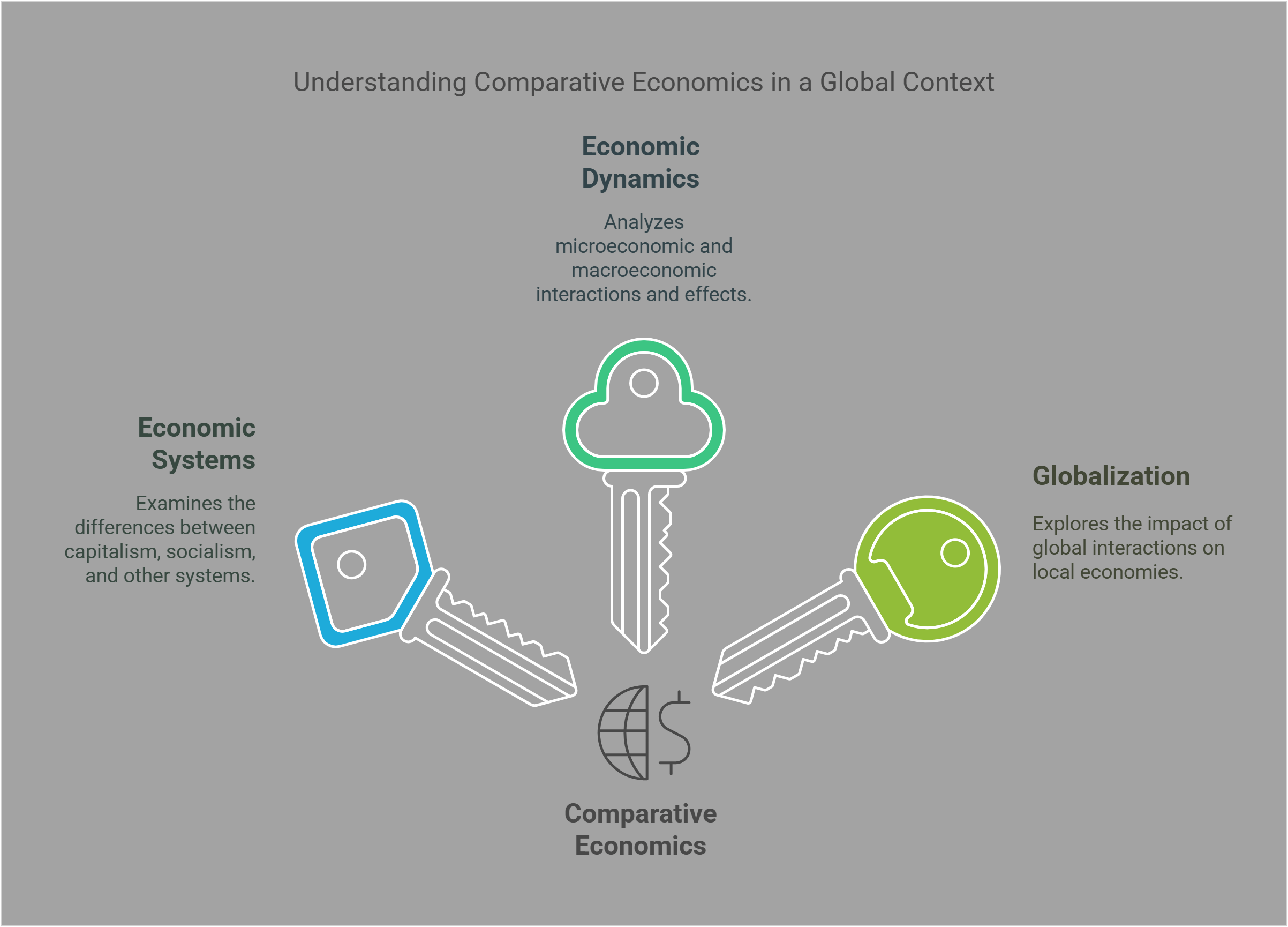
Microeconomics focuses on the individual units of an economy—households, firms, and specific markets. When you ask questions about price fluctuations in a local housing market, the impact of a specific tax on a small business, or how a consumer chooses between two competing goods, you are operating within the microeconomic domain. The core objective here is to understand the "why" behind the choices made by individual actors.
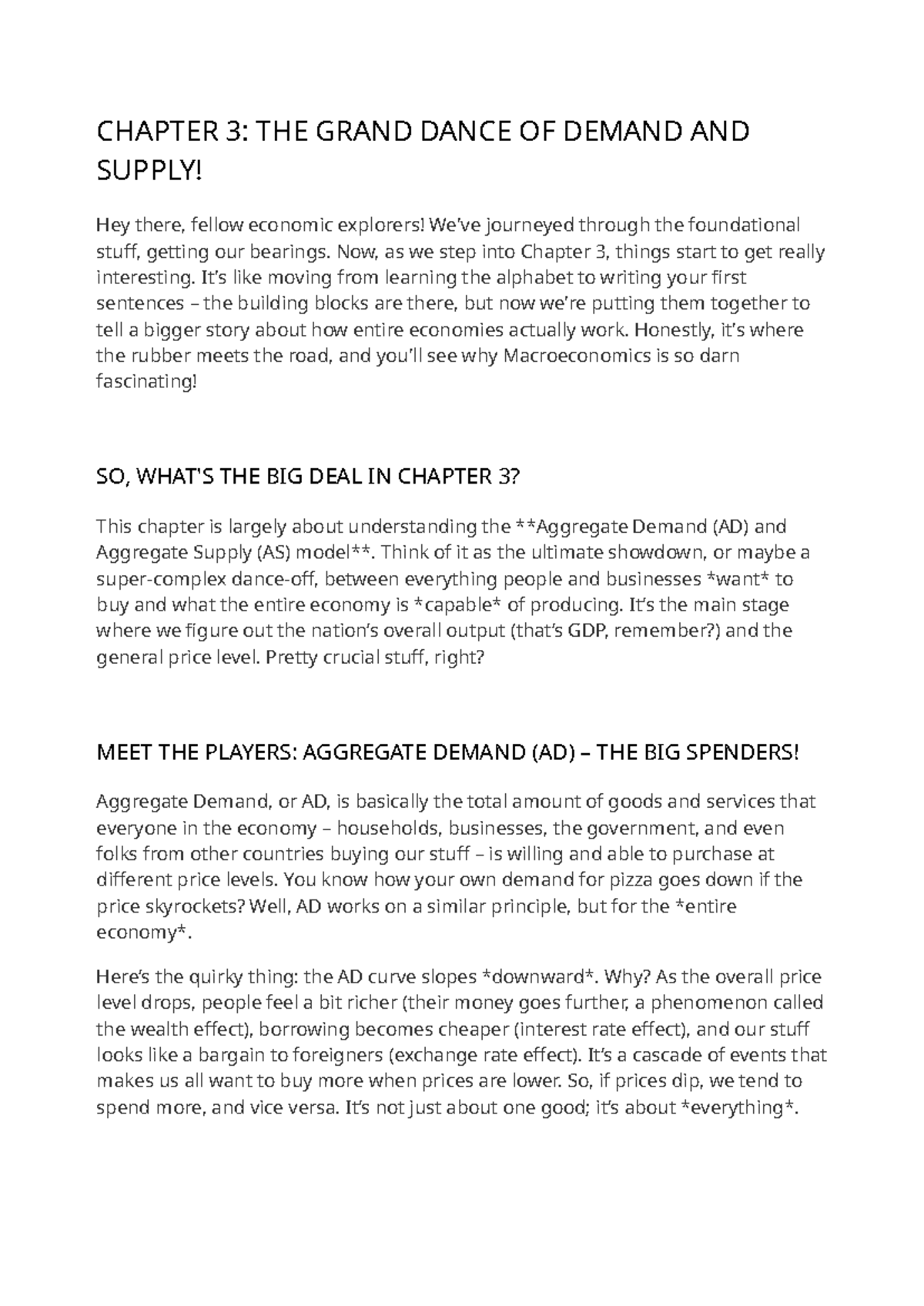
Macroeconomics, conversely, examines the economy as a whole. It concerns itself with aggregate phenomena such as gross domestic product (GDP) growth, national inflation rates, unemployment trends, and the efficacy of central bank policies. If your question involves government fiscal policy or how a nation manages its trade balance, you are dealing with macroeconomic variables. Understanding this distinction is the first step toward avoiding the "fallacy of composition"—the error of assuming that what is true for an individual or a small group must necessarily be true for the entire system.
The Toolkit of Economic Inquiry
To extract clear answers from economic discourse, you must learn to identify the foundational "tools" that experts use to interpret reality. When you are presented with an economic claim or a complex situation, subject it to these three primary filters:
1. Incentives Matter
Economists operate under the assumption that people respond to incentives. If you are struggling to understand why a specific policy or market trend exists, ask: "Who benefits from this setup, and what are they being incentivized to do?" Often, what appears to be an irrational outcome at first glance is perfectly rational when you identify the underlying incentive structure, whether it is a subsidy, a tax break, or a regulatory barrier.
2. Opportunity Cost
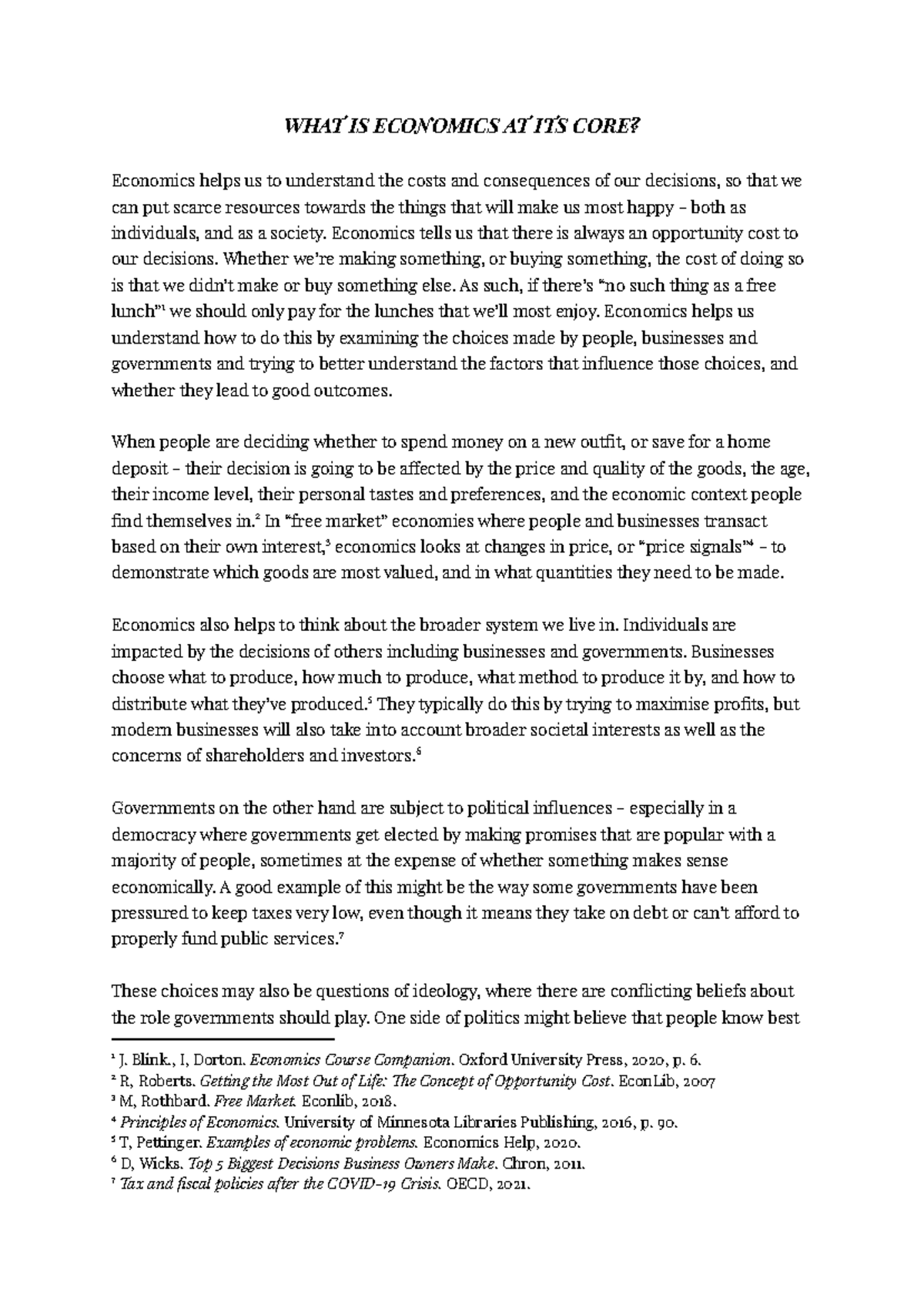
Every choice has a cost that is not merely monetary. Opportunity cost is the value of the next best alternative that you forgo when making a decision. If you are analyzing a business decision or a government project, do not just look at the direct spending. Ask: "What are we giving up to do this?" By forcing a comparison against the next best alternative, you clear away the "sunk cost" bias that often clouds judgment.
3. Thinking at the Margin
Rarely is a decision an "all or nothing" proposition. Most economic choices involve small, incremental changes. Thinking "at the margin" means evaluating the benefits and costs of adding one more unit of an activity—such as one more hour of study, one more dollar of investment, or one more mile of infrastructure. Clear understanding comes from assessing whether the marginal benefit of that extra unit exceeds the marginal cost.
Structured Comparison for Economic Literacy
When evaluating different economic systems or competing theories, it is helpful to organize your variables. The following table illustrates how to categorize factors when you are analyzing the impact of a policy or market change.
| Feature | Microeconomic Perspective | Macroeconomic Perspective |
|---|---|---|
| Primary Goal | Optimization of utility/profit | Stability and sustainable growth |
| Key Variable | Price of a specific good | General price level (Inflation) |
| Scope of Inquiry | Firm, industry, consumer | Nation, global trade, world economy |
| Decision Driver | Individual choice under scarcity | Policy intervention and aggregate demand |
| Tool for Analysis | Supply and Demand models | Aggregate Supply and Demand models |
Navigating Data and Official Reporting
One of the most frequent hurdles in gaining a clear understanding of economics is the interpretation of raw data. In 2026, the volume of available economic data—from central bank releases to industry reports—is overwhelming. To ensure your understanding is grounded in reality, follow these verification steps:
- Consult Primary Sources: When questioning national inflation or unemployment figures, rely on the official bureau of labor statistics or the central bank of the relevant nation rather than secondary news commentary. These institutions publish methodological notes explaining how they weigh different variables, which is vital for understanding the context of the numbers.
- Identify the Baseline: Economic performance is almost always measured against a baseline. Always ask "compared to what?" Are the current growth figures being compared to the previous quarter, or to the same quarter in the previous year? Understanding the basis of the comparison prevents you from misinterpreting a standard seasonal fluctuation as a systemic economic shift.
- Recognize Correlation vs. Causation: This is the most common pitfall in amateur economic analysis. Just because two economic events happen at the same time does not mean one caused the other. Always look for evidence of a mechanism that connects the two events before accepting a causal relationship.
Avoiding Common Biases
Even when armed with good data, your brain may try to take shortcuts. Being aware of cognitive biases is essential for maintaining a clear understanding of economic forces.
The Confirmation Bias leads us to favor information that supports what we already believe about how the economy works. If you are a proponent of free trade, you might subconsciously weigh reports of export growth more heavily than reports of domestic job displacement. To combat this, intentionally seek out the strongest counterarguments to your own position.
The Narrative Fallacy involves our tendency to force complex economic events into simple, tidy stories. History is rarely a linear progression of cause-and-effect. By acknowledging that economic systems are chaotic, adaptive, and influenced by millions of actors, you prevent yourself from oversimplifying reality to fit a convenient narrative.
Integrating Economic Theory into Daily Decision-Making
To make economics useful, you must move from reading to application. Consider your personal financial planning. Applying the concept of "sunk costs" can stop you from throwing good money after bad in a failing investment. Understanding the "time value of money" allows you to assess why a dollar today is worth more than a dollar tomorrow, which informs every decision from retirement savings to debt repayment.
When you look at broader systems, ask how the "marginal utility" of your tax dollars is being spent. By framing your civic questions in economic terms—focusing on costs, benefits, and incentives—you become more effective at evaluating the promises made by politicians and the predictions made by pundits.
Frequently Asked Questions
1. How do I know if an economic expert is being objective? Look for the expert's willingness to discuss trade-offs. A credible economist will always emphasize that every policy or decision comes with a cost. If a source presents a solution as having only benefits with no downsides, they are likely ignoring the fundamental scarcity that drives all economic behavior.
2. Why do economic forecasts often differ so widely? Forecasts are built on models, and models are built on assumptions. Small differences in assumptions about consumer behavior, technological advancement, or geopolitical stability can lead to vastly different outcomes. Understand that a forecast is a scenario, not a prophecy.
3. What is the difference between nominal and real values? Nominal values are measured in current currency, while real values are adjusted for inflation. When looking at long-term economic history, always look for "real" figures, as these allow you to compare the true purchasing power of the money across different time periods.
4. How can I stay informed without being overwhelmed? Focus on high-quality, long-form reporting from established institutions rather than high-frequency social media commentary. Institutions like the International Monetary Fund or national statistical offices provide periodic summaries that distill complex data into meaningful trends, sparing you from the noise of daily market fluctuations.
Practical Next Steps
To gain a clear understanding of economics, start by selecting one specific topic—such as current interest rate policy or the impact of automation on your specific industry. Research the primary incentive structures at play and identify the primary trade-offs for the major stakeholders involved. By applying the "incentives, opportunity costs, and marginal analysis" framework to just one area, you will begin to see how these patterns repeat across the entire economic landscape.