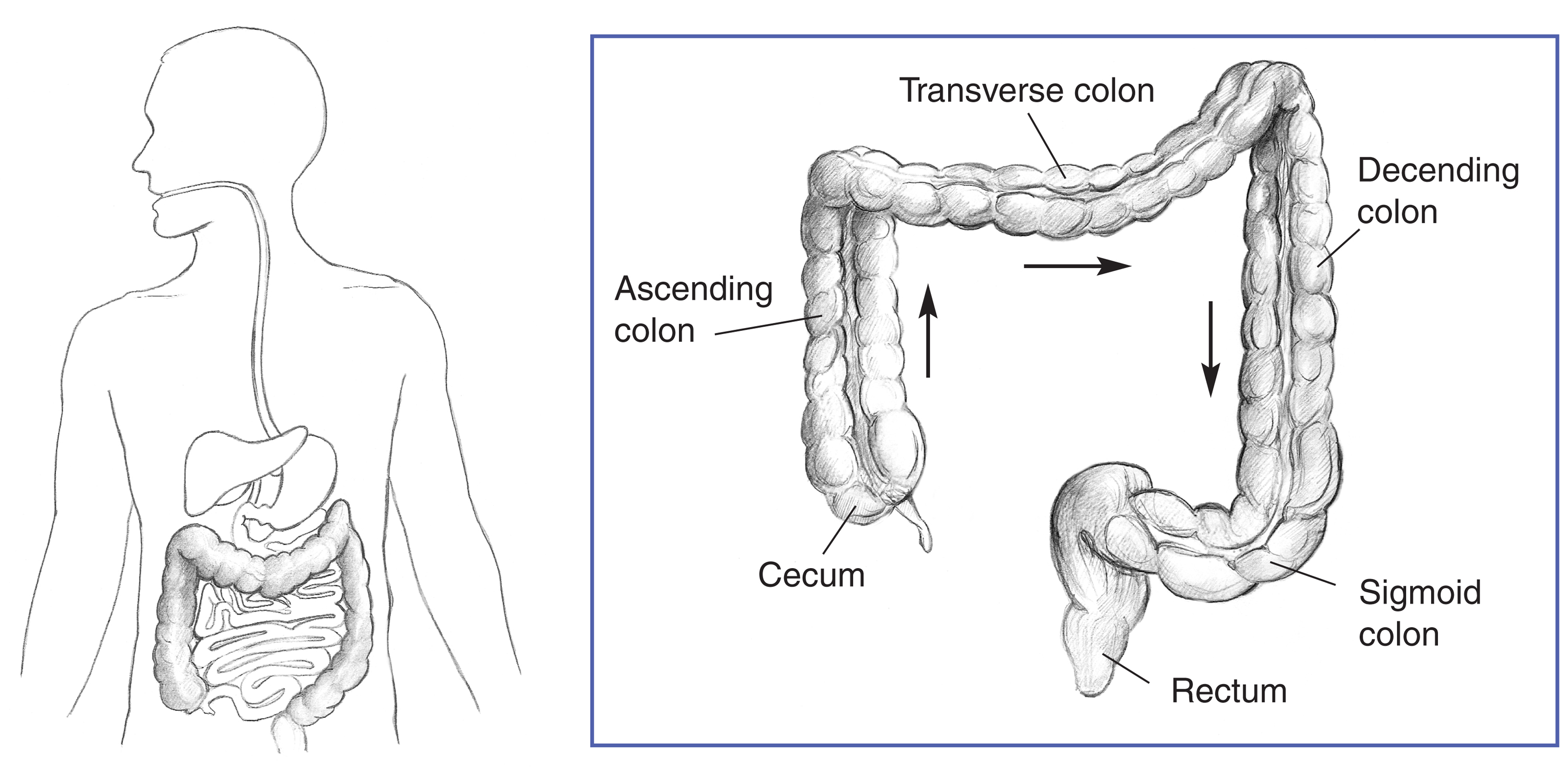
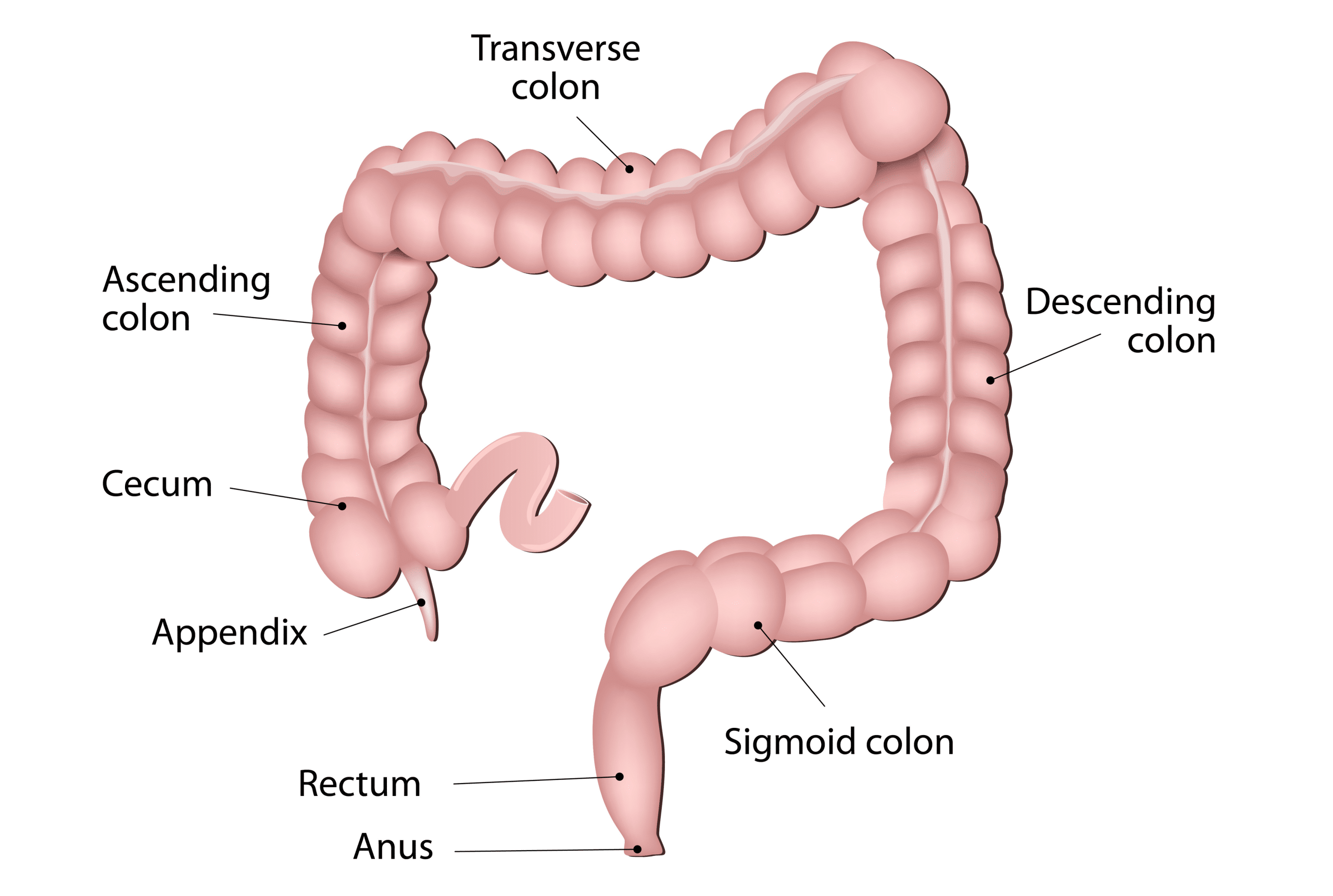
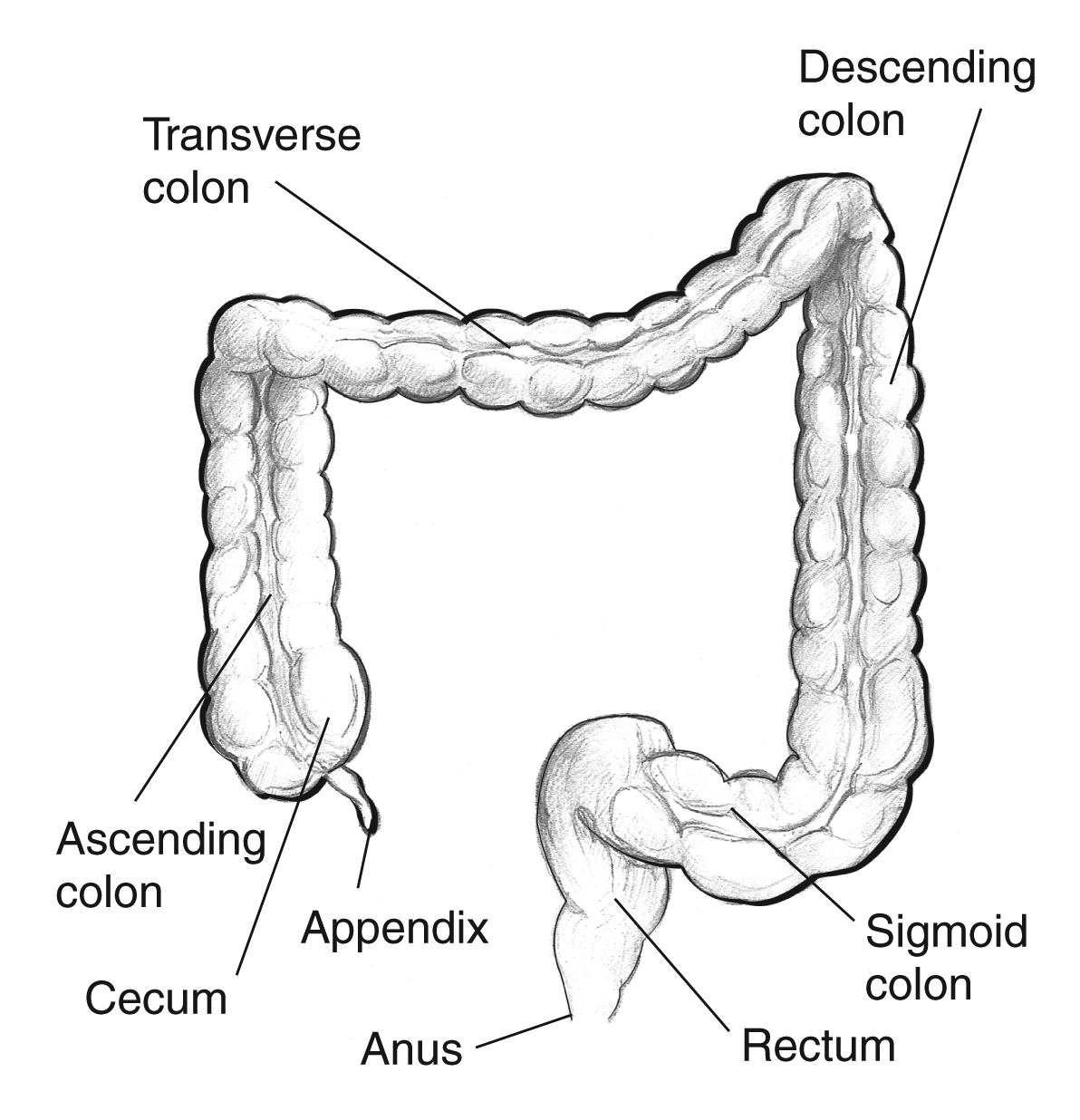
The human large intestine is a sophisticated, segmented organ responsible for fluid absorption, electrolyte management, and waste processing. Within this system, the ascending colon and descending colon serve as primary navigational segments that facilitate the movement of fecal matter from the cecum toward the rectum, ensuring vital nutrient reclamation before waste elimination occurs.
Understanding the Architecture of the Large Intestine
The large intestine, or colon, forms a continuous, frame-like structure within the abdominal cavity, encompassing the coiled small intestine. It is anatomically divided into distinct sections: the cecum, the ascending colon, the transverse colon, the descending colon, the sigmoid colon, and finally, the rectum. While these segments are physically continuous, their specific roles in the digestive process are dictated by their positioning, the composition of the luminal content, and the nature of the mechanical movements—known as haustral contractions and mass movements—occurring within them.
The colon’s wall structure follows a standard gastrointestinal pattern consisting of four layers: the mucosa, the submucosa, the muscularis externa, and the serosa. However, the external longitudinal muscle layer is unique; it is concentrated into three distinct, ribbon-like bands called taeniae coli. These bands create the characteristic sacculations or "pouches" of the colon, known as haustra, which are essential for the kneading and transit of waste.
The Ascending Colon: Function and Dynamics
The ascending colon represents the first major segment of the large intestine following the cecum. It begins at the ileocecal valve in the lower right quadrant of the abdomen and travels superiorly (upward) along the right abdominal wall. This segment is retroperitoneal in most individuals, meaning it is fixed to the posterior abdominal wall and lacks the mobility of the intraperitoneal transverse colon.
The primary function of the ascending colon is the absorption of water and electrolytes from the liquid chyme that enters from the small intestine. As the content passes through the ileocecal valve, it is still largely fluid. Throughout the upward journey, the colonic mucosa actively absorbs sodium and water, effectively transforming the liquid residue into a more semi-solid state. This segment also hosts a significant portion of the gut microbiome, which performs the critical task of fermenting indigestible carbohydrates and producing short-chain fatty acids (SCFAs), such as butyrate, which provide fuel for the colonocytes (the cells lining the colon).
When the ascending colon encounters challenges—such as slowed transit time or localized inflammation—individuals may experience symptoms like right-sided lower abdominal pressure or discomfort. Because the ascending colon is fixed, its distension is often perceived more acutely than that of the more mobile transverse section.
The Descending Colon: Transition and Storage
After the transverse colon carries waste across the upper abdomen, the path turns downward at the splenic flexure to become the descending colon. This segment travels inferiorly along the left side of the abdominal cavity until it reaches the pelvic brim, where it transitions into the sigmoid colon. Like the ascending colon, the descending colon is primarily retroperitoneal.
The descending colon acts as a storage reservoir for fecal matter. By the time waste reaches this segment, the majority of water and electrolyte absorption has already occurred. The primary objective here is the consolidation of waste into a form suitable for evacuation. The muscular activity in the descending colon is less frequent than in the earlier segments, as the material is drier and more compact.
Clinically, the descending colon is a common site for diverticular disease, particularly in Western populations. The combination of increased intraluminal pressure—required to move the firmer, more dehydrated stool—and the natural narrowing of the colonic lumen in this region can lead to the formation of small pouches in the colon wall. If these pouches become inflamed, it leads to diverticulitis, a condition that necessitates medical management to avoid complications like perforation or abscess formation.
Comparative Analysis: Ascending vs. Descending Colon
To effectively differentiate these segments, it is helpful to examine their physiological states, anatomical characteristics, and clinical profiles. While both are integral to the passage of waste, they operate under different mechanical and chemical constraints.
| Feature | Ascending Colon | Descending Colon |
|---|---|---|
| Positioning | Right side of the abdomen | Left side of the abdomen |
| Content State | Liquid to semi-liquid | Semi-solid to solid |
| Primary Process | Active water/electrolyte absorption | Storage and final compaction |
| Clinical Focus | Microbial fermentation sites | Diverticular development site |
| Mobility | Fixed (Retroperitoneal) | Fixed (Retroperitoneal) |
Clinical Implications and Health Management
Maintaining the health of both the ascending and descending colon is heavily dependent on dietary fiber intake, hydration, and regular physical activity. Fiber acts as a bulking agent, which regulates the transit time of waste.
- Hydration: Water is necessary for the smooth transit of stool. Without adequate fluid intake, the colon compensates by absorbing more water from the waste, leading to harder, drier stools that are difficult to pass, particularly in the descending colon.
- Fiber Intake: Soluble and insoluble fibers provide the necessary "scaffolding" for stool. Insoluble fiber adds bulk and promotes peristalsis, helping to prevent the excessive pressures that contribute to diverticulosis.
- Screening and Surveillance: For individuals aged 45 and older in 2026, or those with a family history of colorectal issues, standard screening protocols such as colonoscopies are essential. A colonoscopy allows a physician to visualize the entire length of the colon, from the rectum up to the cecum, enabling the detection and removal of polyps or the biopsy of suspicious lesions in either the ascending or descending segments.
Patients experiencing persistent changes in bowel habits, unexplained abdominal pain, or blood in the stool should consult a healthcare provider. These are often non-specific symptoms, but they serve as critical diagnostic indicators that prompt further investigation through imaging, blood tests, or endoscopic procedures.
Frequently Asked Questions
1. Why is the ascending colon located on the right and the descending on the left? The colon develops through a process of rotation during embryonic development. As the gut tube elongates, it rotates and folds, placing the ascending colon on the right side of the abdomen and the descending colon on the left to fit efficiently within the peritoneal cavity.
2. Can I live without a portion of my colon? Yes. In cases of severe disease, such as cancer or chronic inflammatory bowel disease, surgeons may perform a colectomy—the removal of part or all of the colon. The remaining ends can often be reconnected (anastomosis), or an ostomy may be created to allow for waste diversion.
3. What is the difference between the ascending colon and the cecum? The cecum is a small, pouch-like structure that represents the very beginning of the large intestine, receiving content from the small intestine. The ascending colon begins superior to the cecum, continuing the path toward the liver.
4. How does the microbiome differ between the ascending and descending colon? The ascending colon has a more fluid environment, which is highly conducive to active microbial fermentation of carbohydrates. As water is removed and the content becomes more acidic and dehydrated in the descending colon, the metabolic activity and the composition of the microbial community shift accordingly.
5. Are polyps more common in one segment than the other? While polyps can occur anywhere, they are frequently found in the distal colon (descending and sigmoid). However, modern screening guidelines emphasize the importance of inspecting the entire colon, as significant lesions can appear in the proximal (ascending) colon as well.
Next Actions for Digestive Health
For those concerned about colonic health, the most effective preventative strategy is adherence to a balanced diet rich in whole grains, legumes, fruits, and vegetables. By maintaining a healthy microbiome through diverse dietary fiber intake, the physiological environment of both the ascending and descending colon remains optimized. If you are approaching age 45 or have a history of digestive concerns, consult with your primary care physician to establish a screening schedule. Early detection through regular colonoscopies remains the gold standard for maintaining structural health and preventing long-term complications in the large intestine.