Ash is a hardwood, classified scientifically as an angiosperm because it produces seeds in a fruit or nut. While it shares many characteristics with other deciduous trees, its nuances lie in its exceptional strength-to-weight ratio, unique steam-bending capabilities, and the significant ecological impact of the Emerald Ash Borer which has reshaped its market availability in 2026.
As of 2026, the wood industry continues to view ash (Fraxinus) as one of the most versatile and functional materials available to woodworkers, architects, and industrial manufacturers. However, calling it a "hardwood" only scratches the surface. To truly understand ash, one must look at the specific species, the impact of invasive pests on its supply chain, and the innovative thermal treatments that have recently moved ash from an indoor furniture staple to a premier outdoor decking material.
The Biological Distinction: Why Ash is a Hardwood
The classification of ash as a hardwood is rooted in botany rather than the physical density of the wood. In the timber industry, hardwoods come from angiosperm trees (flowering plants), while softwoods come from gymnosperms (conifers). Ash trees are deciduous, meaning they lose their leaves annually, and they possess a complex vascular system.
Ring-Porous Structure
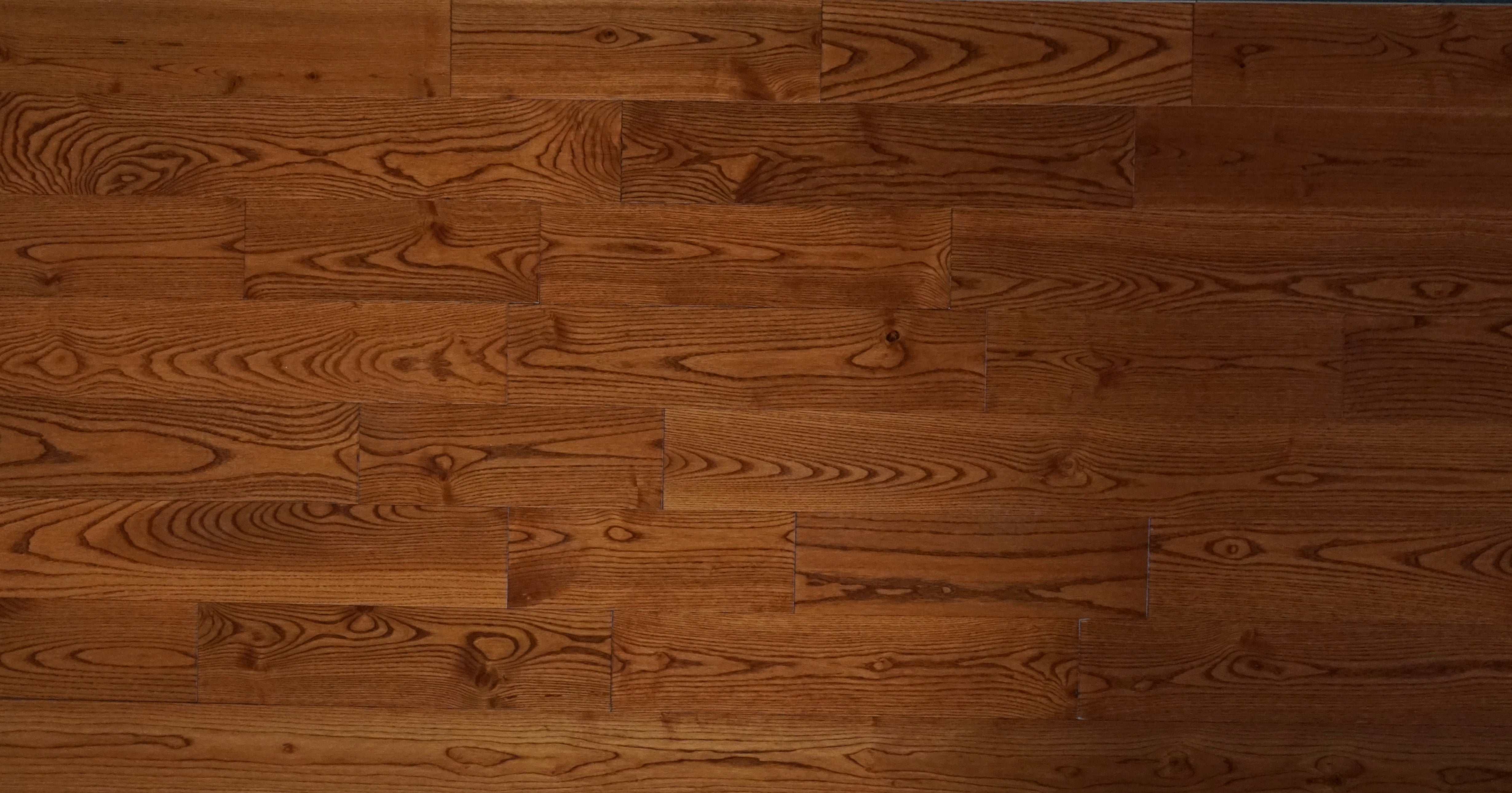
The primary nuance in ash’s anatomy is its ring-porous nature. This means that the tree grows very rapidly in the spring, creating large, open pores (earlywood), followed by slower growth in the summer, which creates denser, smaller pores (latewood). This distinct separation between earlywood and latewood creates the bold, "cathedral" grain patterns that ash is famous for. From a technical standpoint, this structure allows for excellent stain absorption in the earlywood while providing structural rigidity in the latewood.
Density and Janka Hardness
While "hardwood" doesn't always mean the wood is physically hard (e.g., balsa is a hardwood but very soft), ash lives up to the name. White Ash (Fraxinus americana) typically registers around 1,320 lbf on the Janka hardness scale. For comparison, it is harder than Red Oak (1,290 lbf) but softer than Hickory (1,820 lbf). This specific density level makes it durable enough for flooring and tool handles but manageable enough for standard woodworking machinery.
The Nuances of Ash Species
Not all ash is created equal. While White Ash is the most common for commercial lumber, several other species offer different technical profiles that a builder must consider.
- White Ash (Fraxinus americana): This is the gold standard for the species. It is characterized by its light creamy-white color and high shock resistance. It is the primary choice for baseball bats and tool handles.
- Black Ash (Fraxinus nigra): Also known as Swamp Ash or Basket Ash, this species is much softer and lighter. It is a "nuanced" choice because it can be pounded until the growth rings separate, allowing it to be woven into baskets—a traditional practice of Indigenous peoples in North America.
- Green Ash (Fraxinus pennsylvanica): Often used in urban landscaping, its wood is similar to White Ash but is frequently considered slightly inferior in terms of clarity and strength.
- European Ash (Fraxinus excelsior): Very similar to American White Ash but often features "Olive Ash" streaks—dark, olive-colored heartwood that is highly prized for decorative veneers and high-end furniture.
The 2026 Reality: The Emerald Ash Borer Impact
Perhaps the most significant nuance regarding ash in the current year is its ecological status. The Emerald Ash Borer (EAB), an invasive beetle, has devastated tens of millions of ash trees across North America and Europe over the last two decades.
In 2026, the "nuance" for buyers is twofold: availability and ethics. Much of the ash lumber on the market today is "salvage timber" from trees killed by the beetle. While the beetle kills the tree by eating the inner bark (phloem), it does not damage the wood itself. Therefore, EAB-killed ash is structurally identical to healthy ash. However, because so many trees have been harvested at once to prevent the spread, we are seeing a transition in the market toward smaller-diameter logs and a shift toward alternative species as the "standing" supply of mature White Ash dwindles.
Technical Specifications and Performance
To understand why ash is chosen for specific applications, we must look at its mechanical properties. It is often compared to Oak, but it lacks Oak’s high tannin content, meaning it does not react as aggressively with iron fasteners (which can cause black staining in Oak).
| Property | White Ash | Black Ash | Red Oak (For Comparison) | Thermally Modified Ash |
|---|---|---|---|---|
| Janka Hardness | 1,320 lbf | 850 lbf | 1,290 lbf | ~1,100 lbf |
| Density (Air Dry) | 42 lbs/ft³ | 34 lbs/ft³ | 44 lbs/ft³ | 38 lbs/ft³ |
| Modulus of Rupture | 15,000 psi | 12,600 psi | 14,300 psi | 12,500 psi |
| Elastic Modulus | 1.74 Mpsi | 1.58 Mpsi | 1.82 Mpsi | 1.60 Mpsi |
| Rot Resistance | Perishable | Perishable | Non-durable | Very Durable |
Strength and Elasticity
The most famous nuance of ash is its elasticity. It can absorb a high amount of shock without splintering. This is why, despite the rise of composite materials, professional baseball players still prefer Northern White Ash or Maple. Ash provides a "flex" that other hardwoods lack, allowing the energy of a 100-mph pitch to be absorbed by the grain rather than the player's hands.
Workability: Navigating the Nuances in the Shop
Working with ash is generally a pleasure, but there are technical "nuances" that can trip up the uninitiated.
Tool Wear and Machining
Ash has a high silica content in some growth regions, which can dull carbide cutters faster than softer hardwoods like Walnut or Cherry. When routing or planing, it is susceptible to "tear-out," especially around the large earlywood pores. Experienced woodworkers recommend taking shallow passes and ensuring blades are sharpened to a razor edge to prevent the grain from lifting.
Steam Bending
Ash is widely considered the best temperate hardwood for steam bending. Its long, straight fibers allow it to be softened by steam and bent into extreme radii without fracturing. This makes it the premier choice for Windsor chair backs, boat ribs, and curved architectural mouldings. The nuance here is moisture content; for successful bending, the wood should ideally be air-dried to around 15–20% moisture, rather than kiln-dried to 6–8%, as the kiln-drying process sets the lignin and makes the fibers less pliable.
Finishing and Staining
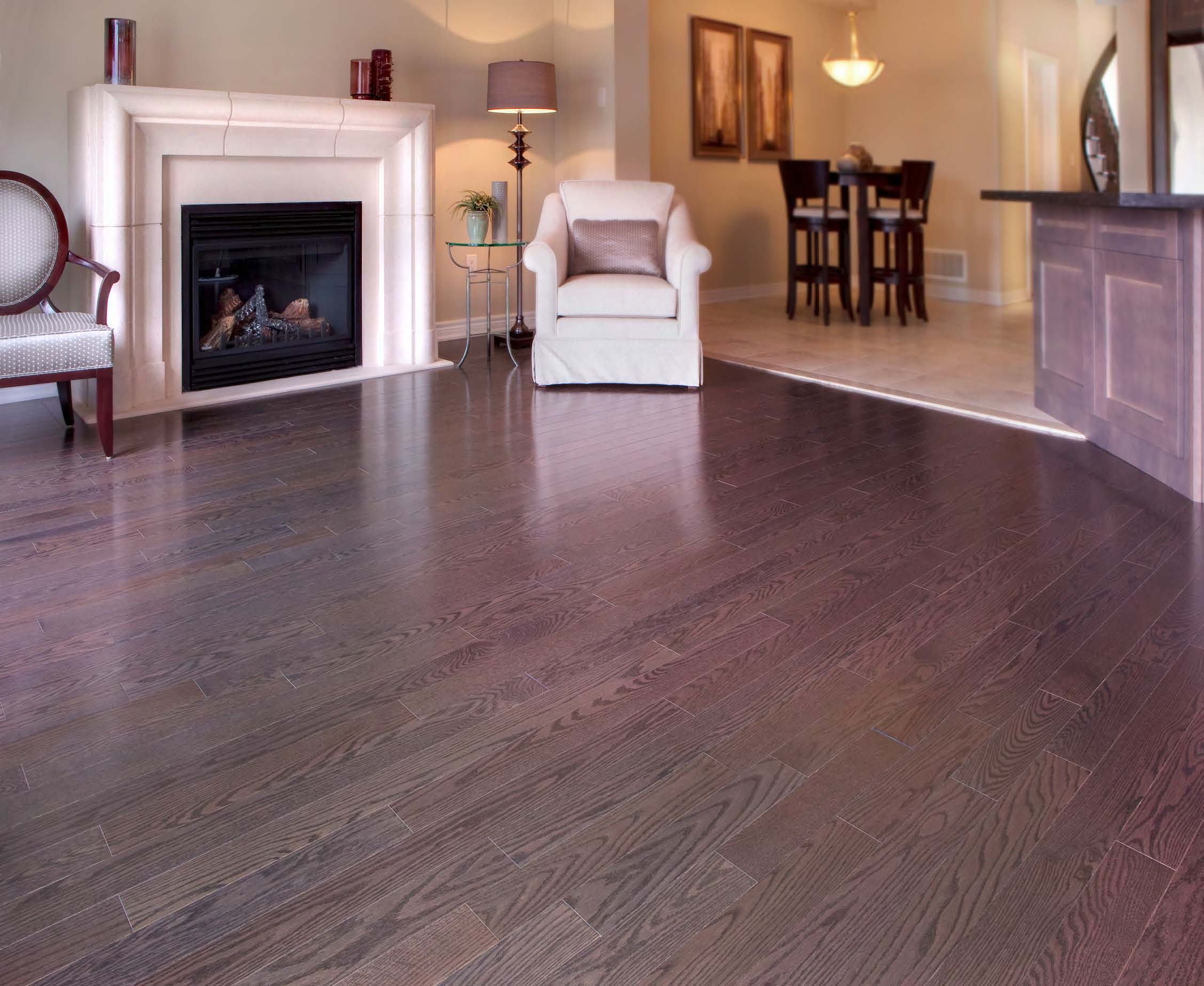
Because ash is ring-porous, it takes stains very differently across a single board. The large pores will drink up pigment, while the dense latewood will resist it. This creates a high-contrast look.
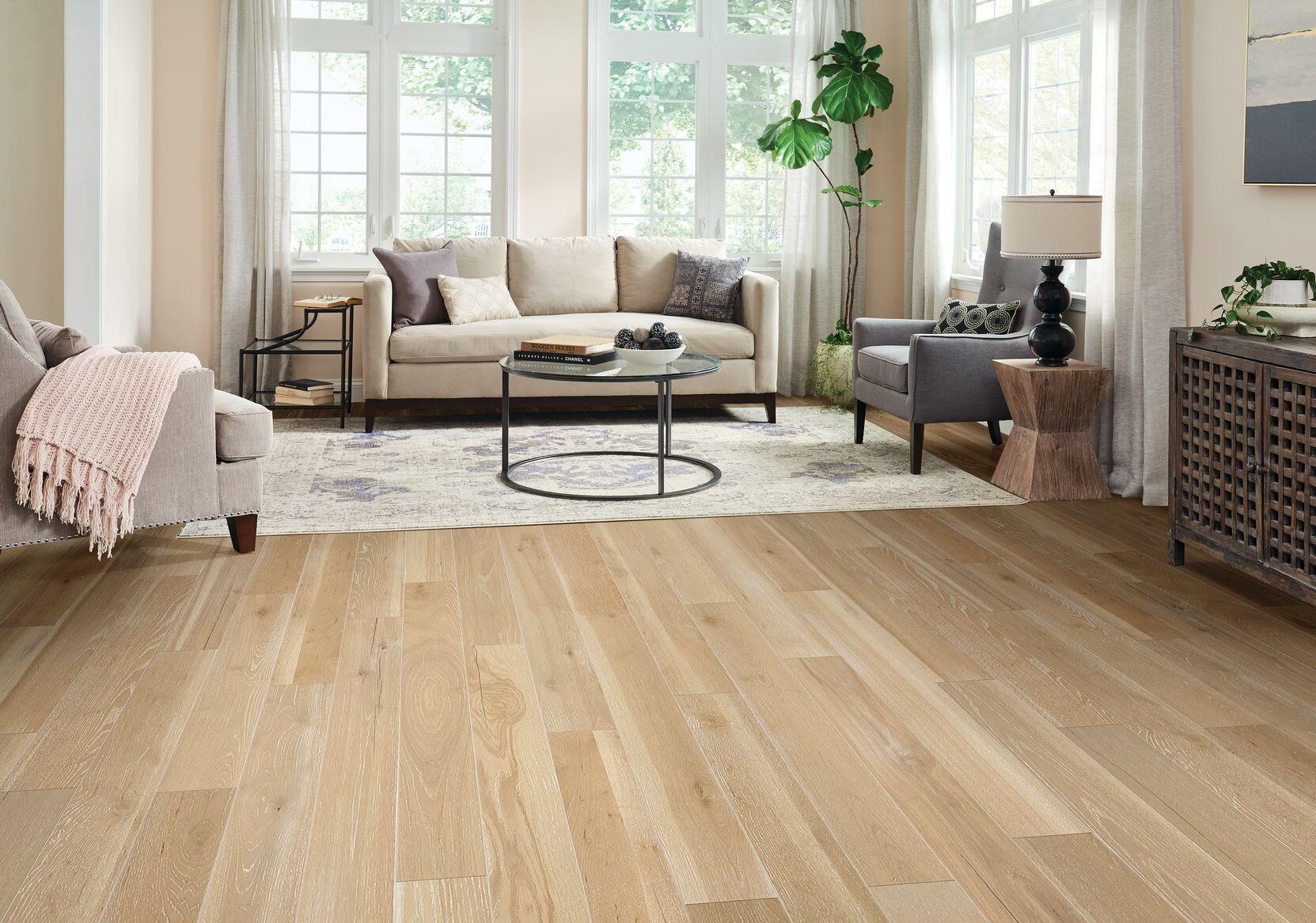
- Pickling/Liming: Ash is the most popular wood for "cerused" or "pickled" finishes, where a white wax or paint is rubbed into the pores while the rest of the wood is stained a darker color.
- Natural Yellowing: A major nuance is that ash will yellow over time when exposed to UV light. To maintain the bright, white-modern look popular in 2026, many finishers use a water-based polyurethane with UV inhibitors or a "white-pigmented" oil finish to counteract the natural ambering.
Thermally Modified Ash: The Modern Evolution
One of the biggest changes in the ash market in 2026 is the widespread adoption of Thermal Modification. Naturally, ash is not rot-resistant; if you put an ash board outside, it will decay within a few years.
Thermal modification involves heating the ash to temperatures above 400°F (200°C) in an oxygen-free environment. This process:
- Changes the molecular structure: It cooks the sugars and hemicellulose out of the wood, leaving nothing for fungi or insects to eat.
- Increases dimensional stability: The wood no longer absorbs moisture the way raw wood does, reducing shrinking and swelling by up to 60%.
- Changes the color: The wood turns a deep, chocolate brown all the way through, mimicking the look of exotic tropical hardwoods like Ipe or Teak.
In 2026, thermally modified ash is the leading sustainable alternative to tropical hardwoods for decking, siding, and outdoor furniture. It allows builders to use a domestic hardwood (ash) in applications where it previously would have failed.
Potential Drawbacks and Considerations
Despite its benefits, ash has nuances that may make it unsuitable for certain projects.
- Odor: When being worked, ash has a distinct, somewhat sour or "reedy" smell. While it isn't usually offensive, it is noticeable.
- Splintering: While ash is strong, when it does break, it tends to create long, sharp shards. This is a consideration for children's toys or high-touch surfaces.
- Grain Consistency: Because it is so expressive, ash can sometimes look "busy" in large quantities. If a minimalist aesthetic is required, designers often specify "rift-sawn" ash, which narrows the grain pattern into straight, vertical lines.
FAQs About Ash Hardwood
Is ash wood safe for food-contact surfaces?
Yes, ash is generally considered food-safe and is frequently used for cutting boards, bowls, and kitchen utensils. However, because of its large open pores, it requires more frequent oiling (with food-grade mineral oil) than closed-grain woods like Maple to prevent food particles and bacteria from getting trapped in the grain.
How can I tell the difference between Ash and Oak?
Ash and Red Oak look very similar at a glance, but there are two main differences. First, Ash does not have the "medullary rays" (flecking) that are prominent in White and Red Oak. Second, if you look at the end grain under a magnifying glass, Ash lacks the tyloses (crystalline structures) often found in the pores of White Oak. Ash also generally has a whiter or more "clean" base color compared to the pinkish hue of Red Oak.
Can ash be used for outdoor projects without treatment?
Standard untreated ash is classified as "non-durable" regarding rot and insect resistance. It should not be used outdoors where it will be exposed to the elements. For outdoor use, you must use either pressure-treated ash (which is rare) or thermally modified ash, which is specifically engineered for exterior durability.
Is ash more expensive than other hardwoods in 2026?
Currently, ash remains competitively priced, often sitting between Poplar and Oak. However, its price has become more volatile as the EAB continues to affect harvestable regions. While there is a temporary surplus in some areas due to salvage logging, high-grade, clear ash lumber is beginning to command a premium as mature stands become rarer.
Why is ash used for tool handles instead of Oak?
While Oak is very strong, it is also very brittle. If you hit a rock with an oak-handled axe, the vibration travels directly to your hands, and the handle is more likely to snap. Ash has a "spring" to it. It absorbs the shock of the impact, protecting the user's joints and allowing the handle to bend slightly rather than break.
Final Recommendation
When selecting a material for your next project, remember that ash is a hardwood with nuances that make it either perfect or problematic depending on the application. If you require a wood that is exceptionally strong, excels at shock absorption, and takes high-contrast finishes beautifully, ash is an elite choice. For those looking for sustainable outdoor solutions in 2026, thermally modified ash provides the durability of tropical wood with a much lower carbon footprint. Always verify the source of your lumber to ensure it is part of an EAB-management harvest, and enjoy the unique workability of this storied hardwood.