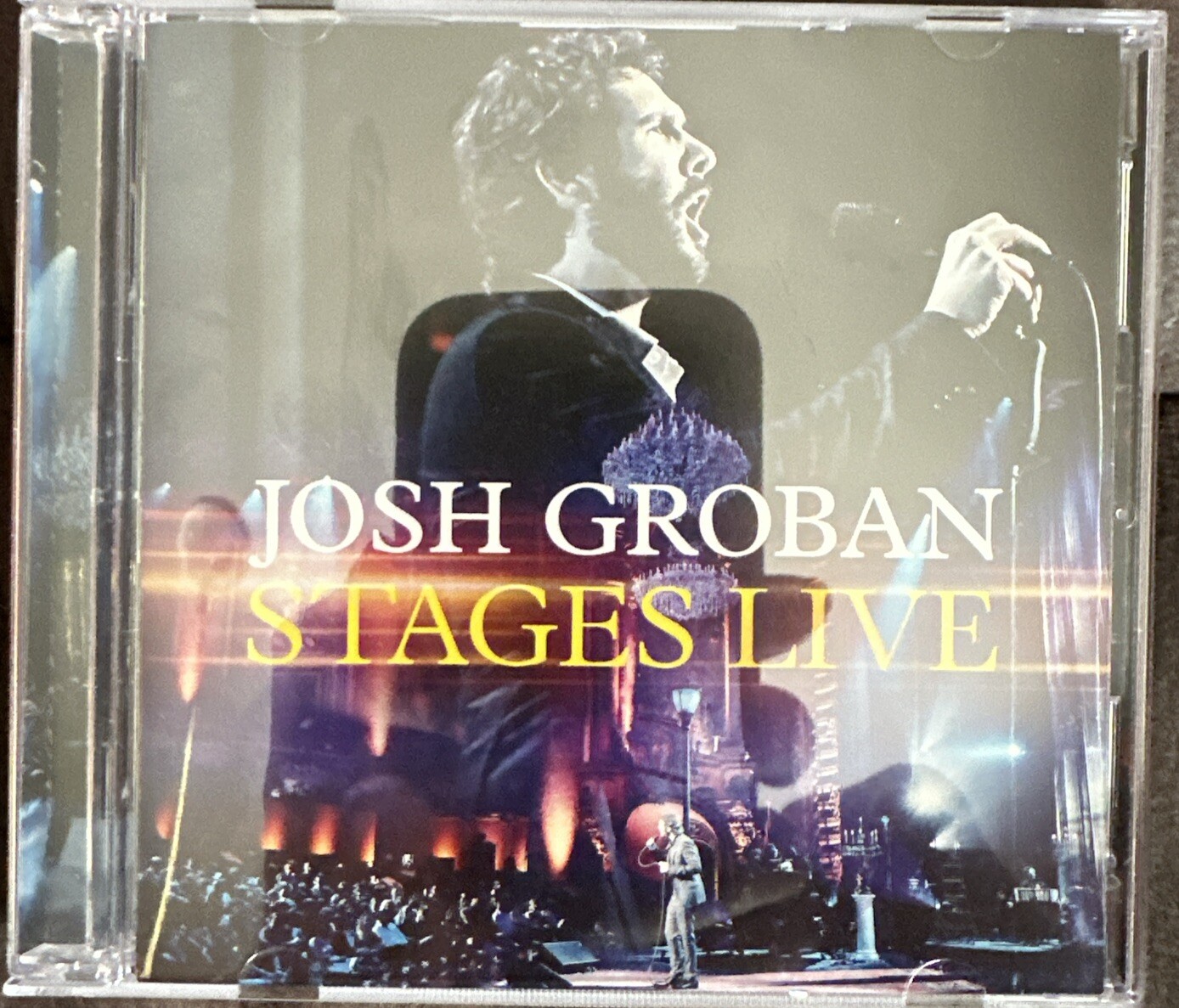
Listeners seeking artists who sound like Josh Groban generally look for a specific blend of classical vocal technique, emotive pop phrasing, and a lush, orchestral production style. Notable artists with similar vocal qualities include Nathan Pacheco, Andrea Bocelli, Alfie Boe, and Jonathan Antoine, as well as ensembles like Il Divo. These performers occupy the "Classical Crossover" or "Popera" genre, characterized by powerful baritenor ranges and dramatic, multilingual repertoires.
Josh Groban’s rise to fame in the early 2000s defined a generation of music that bridged the gap between the rigorous discipline of opera and the accessible emotionality of adult contemporary pop. His voice is often classified as a lyric baritone with a formidable upper register, allowing him to venture into tenor territory—a range frequently referred to as "baritenor." To find artists who mirror this sound, one must look for vocalists who prioritize clarity, controlled vibrato, and the ability to "belt" without losing their classical grounding.
The Definitive Groban-esque Soloists
When searching for a singular voice that captures the "Groban magic," several soloists stand out due to their training, timbre, and choice of material.
Nathan Pacheco: The Closest Timbral Match
If there is one artist whose voice is frequently mistaken for Josh Groban’s, it is Nathan Pacheco. A classically trained tenor, Pacheco’s voice shares that specific "breathier" lower register that blooms into a resonant, soaring top. His work with composer Yanni on the Voices project brought him to mainstream attention, showcasing an ability to handle complex Italian arias and contemporary ballads with equal ease.
Pacheco’s style leans heavily into the inspirational and cinematic. Like Groban, he often sings in multiple languages, including Spanish and Italian. His 2020s releases have continued to solidify his place as the premier alternative for fans of Groban’s early, David Foster-produced era.
Jonathan Antoine: The Powerhouse Prodigy
Coming to prominence on Britain's Got Talent, Jonathan Antoine possesses a voice of immense scale. While his timbre is arguably "weightier" than Groban’s—leaning more toward a traditional operatic tenor—his crossover albums, such as Believe and Going the Distance, follow the Groban blueprint.
Antoine excels in the "power ballad" format. Where Groban uses a more delicate pop approach for verses, Antoine often maintains a fuller classical tone throughout. However, for listeners who enjoy Groban’s more dramatic performances (like "Gethsemane" or "Bring Him Home"), Antoine is a natural successor.
Alfie Boe: The Broadway-Opera Hybrid
Alfie Boe is often dubbed "The Nation's Favorite Tenor" in the UK. His career path mirrors Groban’s in its diversity, moving from lead roles in Les Misérables to chart-topping crossover albums. Boe’s voice has a slightly more "rugged" quality than Groban’s polished studio sound, but his technical proficiency is top-tier.
His collaborations with Michael Ball (as "Ball & Boe") have become a staple of the genre. If you enjoy Groban’s theatrical side—specifically his Stages album—Boe’s discography provides a wealth of similar content, blending Broadway standards with operatic staples.
The International Giants of Popera
Classical crossover is a global phenomenon, and some of the most successful artists who sound like Josh Groban come from the European tradition of "Popera."
Andrea Bocelli: The Gold Standard
It is impossible to discuss this vocal style without mentioning Andrea Bocelli. While Groban was influenced by Bocelli, the two share a similar listener base. Bocelli’s voice is lighter and more strictly "tenor" than Groban’s baritenor, but the emotional delivery is nearly identical.
Bocelli’s ability to transition from a hushed, intimate whisper to a full-voiced fortissimo is the hallmark of the style. For those who appreciate Groban’s "You Raise Me Up," Bocelli’s "Con te partirò" (Time to Say Goodbye) is the foundational text of that sound.
Alessandro Safina: The Italian "Rock-Opera" Pioneer
Alessandro Safina is credited with being one of the first to explicitly label his music "Pop Opera." His voice is smooth, high, and carries a romantic intensity that fits perfectly alongside Groban’s work. His hit "Luna" remains a quintessential example of the genre: a driving pop beat underneath a soaring, classically produced vocal line.
Mario Frangoulis: The Multilingual Romantic
Greek tenor Mario Frangoulis offers a Mediterranean flair to the Groban sound. He is particularly adept at the "world music" crossover style that Groban explored in his Noël and Illuminations periods. Frangoulis sings in five languages and possesses a warmth in his mid-range that baritone fans will find very familiar.
Ensembles and Vocal Groups
Sometimes the "Groban sound" is best replicated through the rich, layered harmonies of a vocal group. These groups take the solo power of a baritenor and multiply it.
Il Divo: The Architects of Crossover Harmony
Created by Simon Cowell, Il Divo brought together four singers from different countries (and different vocal backgrounds) to create a wall of sound. The late Carlos Marín provided the operatic baritone anchor that grounded the group, much like Groban’s lower register.
Their arrangements of pop hits—like Toni Braxton’s "Unbreak My Heart" (Regresa a mí)—follow the exact formula of Groban’s most successful covers: start small, build with strings, and end with a massive, multi-voice climax.
Il Volo: The Italian Trio
Originally marketed as "The Three Teenage Tenors," Il Volo has matured into a world-class act. Piero Barone, Ignazio Boschetto, and Gianluca Ginoble provide a mix of "pop" and "lyric" tenor voices. Gianluca, in particular, has a velvety baritone range that very closely mimics Groban’s signature tone. Their 2015 Eurovision entry "Grande Amore" is a perfect starting point for Groban fans seeking high-energy classical pop.
Technical Comparison of Vocal Styles (2026 Data)
To better understand which artist might suit your specific tastes, the following table compares their vocal characteristics and primary genres.
| Artist | Vocal Classification | Primary Style | Notable "Groban-esque" Track |
|---|---|---|---|
| Nathan Pacheco | Tenor / Baritenor | Inspirational Crossover | "O Holy Night" |
| Alfie Boe | Lyric Tenor | West End / Broadway | "Bring Him Home" |
| Jonathan Antoine | Operatic Tenor | Classical Pop | "Love Changes Everything" |
| Gianluca Ginoble | Baritone | Italian Popera | "Grande Amore" |
| Michael Ball | Baritone / Tenor | Musical Theater | "Love Changes Everything" |
| Mark Masri | Tenor | Adult Contemporary | "A Whole New World" |
| Fernando Varela | Tenor | Classical Crossover | "Vivere" |
Understanding the "Baritenor" Appeal
The reason Josh Groban is so difficult to replicate is his unique vocal placement. He is a baritone by trade, meaning his voice has a natural thickness and warmth. However, he trains and sings in a tenor tessitura (the range where most of the notes lie).
Why the Sound is Unique
- Vocal Mix: Unlike pure opera singers who use a "covered" sound to project over an orchestra without a microphone, Groban uses a "mix." This allows him to sound like a pop singer in his lower register and a classical singer in his upper register.
- Diction: Groban’s diction is incredibly clear. Many classical singers prioritize tone over words; Groban (and the artists listed above) prioritizes the "story" of the lyric.
- The "Foster" Production: Much of the Groban sound is actually the work of producer David Foster. This involves heavy use of acoustic piano, swelling string sections, and a "money note" toward the end of the song where the singer hits their highest, loudest pitch.
Exploring the "New Generation" (Circa 2026)
As of 2026, the genre has expanded to include younger artists who grew up listening to Groban and Bocelli. These artists often incorporate more modern electronic elements while maintaining the core vocal integrity.
- Rhydian Roberts: Though he rose to fame on the UK X Factor, his later albums are masterclasses in theatrical crossover. He has a slightly more "theatrical" and aggressive delivery than Groban but fits the same sonic profile.
- The Tenors (formerly The Canadian Tenors): This group specializes in the "power of four." Their harmonies are tight, and their solo passages often highlight the same lyric baritone warmth that Groban popularized.
- Colm Wilkinson: While older, Wilkinson is the spiritual father of this style in musical theater. His performance as Jean Valjean set the standard for the "high baritone" male lead that Groban eventually occupied.
Common Pitfalls When Searching for Similar Artists
When looking for artists who sound like Josh Groban, listeners often make the mistake of looking only at opera singers. While Groban is "classically influenced," a pure opera singer like Luciano Pavarotti or Jonas Kaufmann may sound too "heavy" or "dark" for a Groban fan.
Conversely, looking at standard pop singers like Michael Bublé—while they share the baritone range—often leaves the listener missing the "classical" heights. Bublé is a "crooner" who stays mostly in a chest voice and head-voice mix, whereas Groban utilizes a full "operatic" ring in his upper register. The key is finding the crossover—artists who explicitly bridge these two worlds.
Frequently Asked Questions
Is Josh Groban a tenor or a baritone?
Technically, Josh Groban is a lyric baritone. However, because he has an unusually high "extension" (the ability to hit high notes comfortably), he is often categorized as a baritenor. This allows him to sing repertoire that would usually be reserved for tenors while maintaining the rich, woody quality of a baritone in the lower notes.
Who is the female equivalent of Josh Groban?
Katherine Jenkins and Jackie Evancho are often cited as the female counterparts to Groban. Katherine Jenkins, a Welsh mezzo-soprano, follows a very similar career path, blending operatic arias with popular songs and hymns. Jackie Evancho, who gained fame as a child prodigy, has matured into a soprano whose crossover albums mirror Groban's production style.
Did Josh Groban train as an opera singer?
Groban studied vocal performance at the Interlochen Center for the Arts and briefly at Carnegie Mellon University. While he has the foundational training of an opera singer, he has stated in numerous interviews that he never intended to be a "pure" opera singer, preferring the freedom of the crossover genre.
What is the best album for someone who likes Josh Groban's "Stages"?
If you enjoy Groban's theatrical work, Alfie Boe’s "Bring Him Home" or Michael Ball’s "Coming Home to You" are the best choices. Both artists are titans of the West End and Broadway and bring the same level of dramatic storytelling to their studio recordings.
Why do so many crossover artists sing in Italian?
Italian is considered the "language of bel canto" (beautiful singing). The vowel sounds in Italian are very open, which makes it easier for singers to produce a resonant, classical tone. For crossover artists, singing in Italian also adds a level of "sophistication" and romanticism that is a hallmark of the genre.
Recommendations for Your Next Listen
To begin your journey beyond Josh Groban, start with these three specific albums, which represent the different "shades" of his sound:
- For the Emotional Ballads: Introducing Nathan Pacheco by Nathan Pacheco. This album captures the intimate, soaring quality of Groban's self-titled debut.
- For the Operatic Power: Believe by Jonathan Antoine. This is for fans who want the "bigness" of Groban's voice taken to the next level.
- For the Global Popera Sound: Ancora by Il Divo. This album defined the vocal group crossover sound and features massive orchestral arrangements.
By focusing on these artists and their specific "baritenor" qualities, you can find a wealth of music that captures the same spirit of elegance, power, and emotional depth that Josh Groban brought to the mainstream.