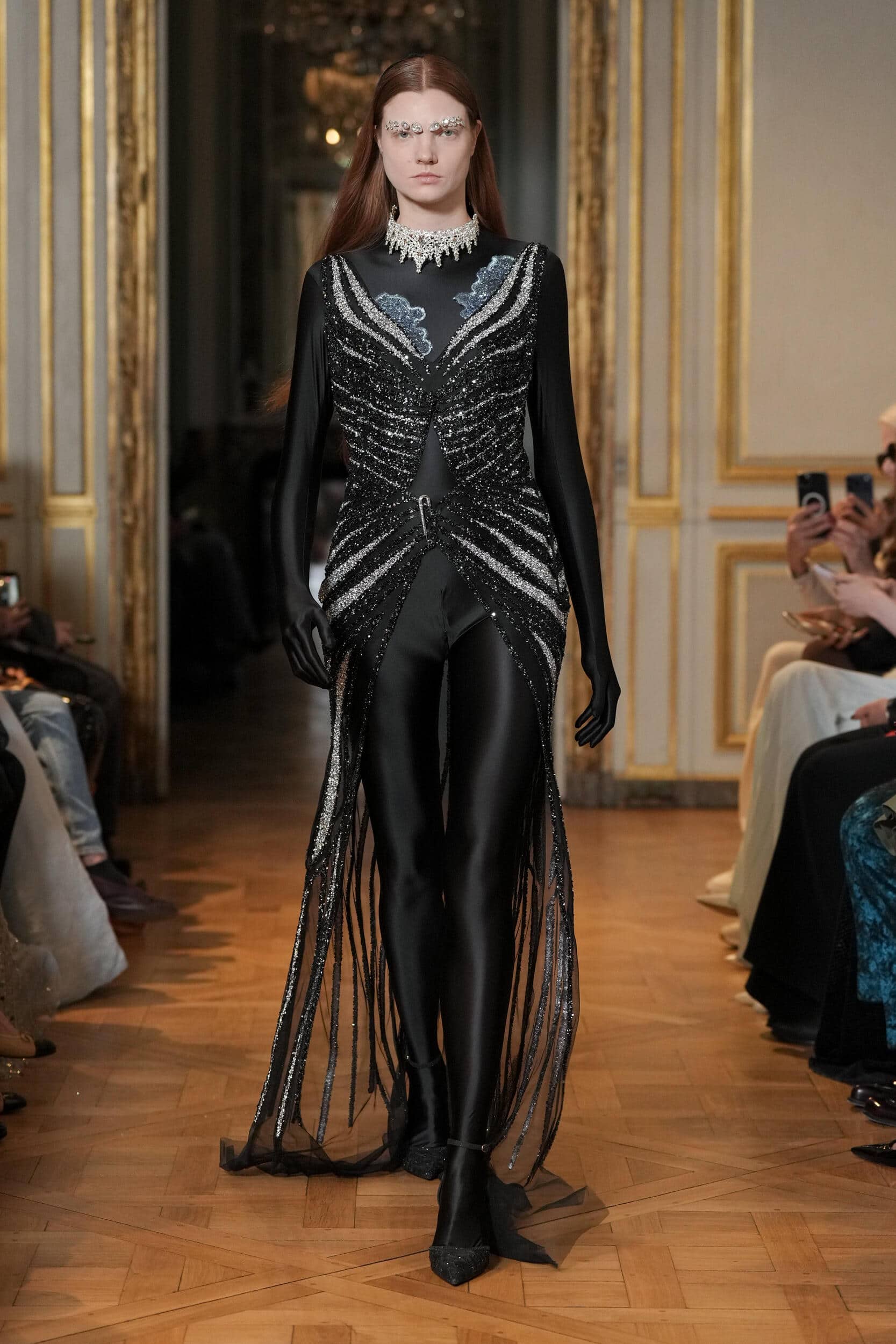
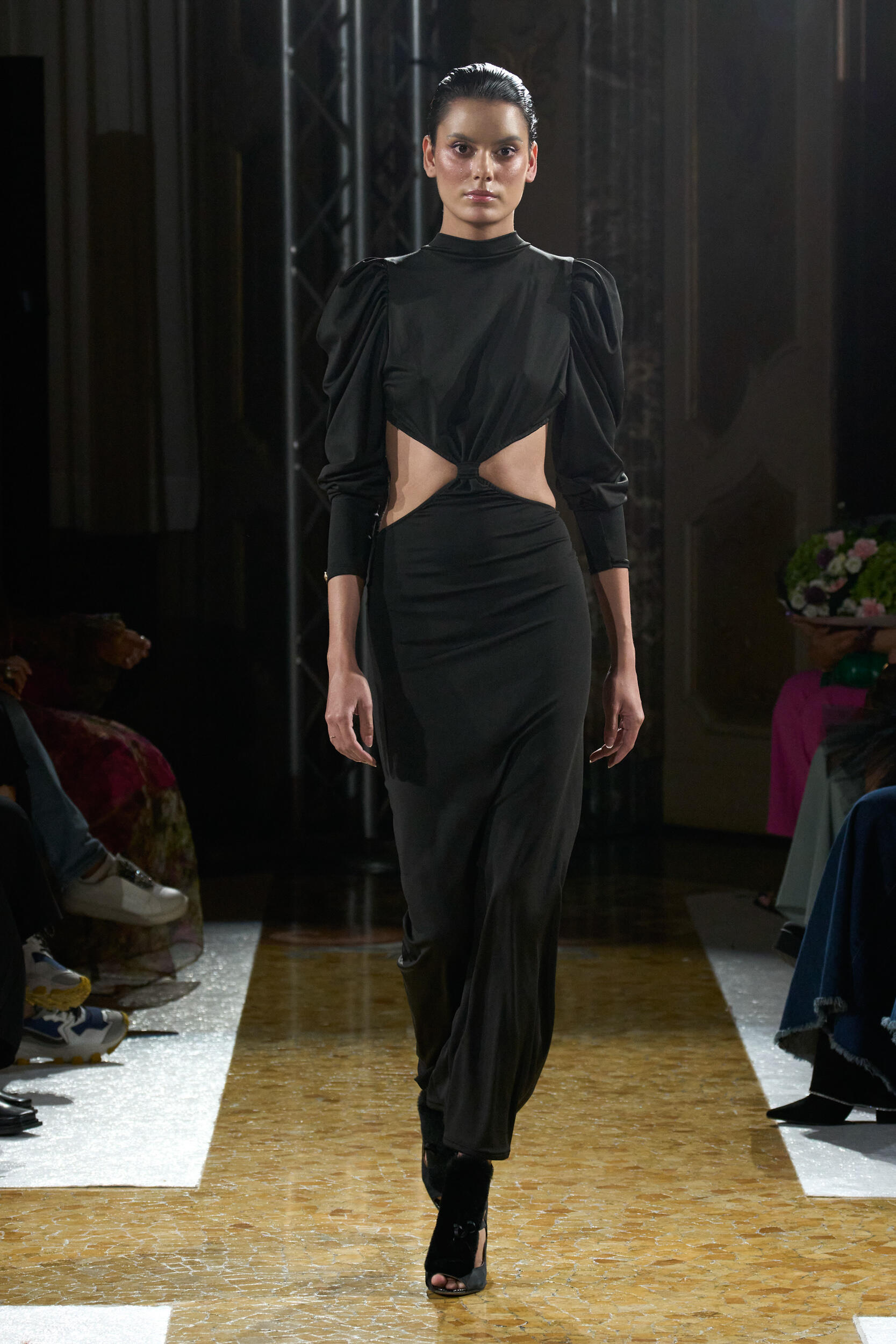
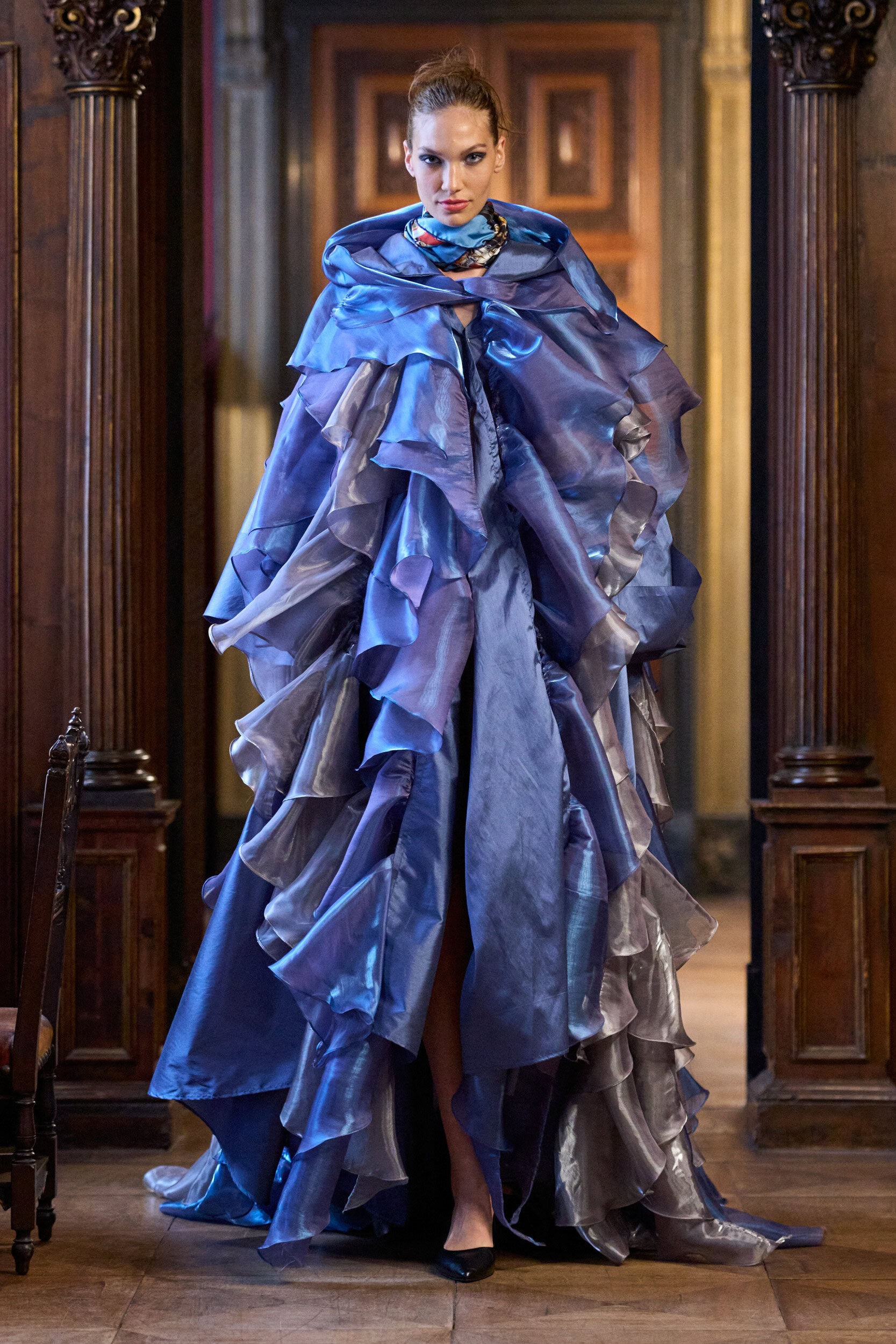
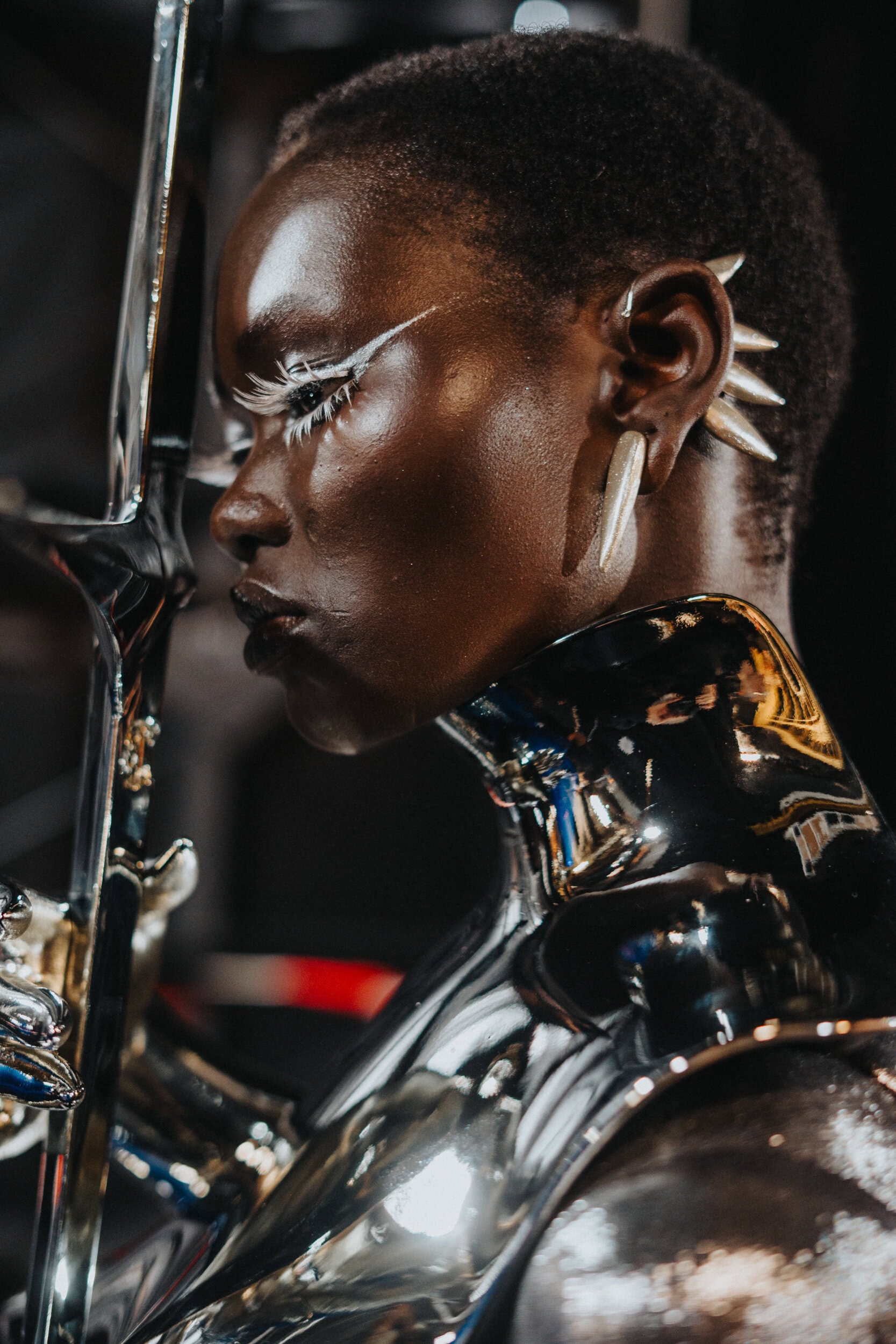
In the landscape of 2026 high fashion, the armbinder has transitioned from a niche subcultural artifact to a central structural element in emerging couture. These garments, defined by their intentional restriction of the wearer’s arms, are now utilized by avant-garde designers to challenge traditional silhouettes, explore the psychology of restraint, and showcase unprecedented technical craftsmanship in tailoring and material science.
The Architectural Shift: Defining the Armbinder in Modern Couture
The armbinder, as it appears on the runways of 2026, is a sophisticated evolution of restrictive garments historically found in both medical history and the BDSM subculture. In the context of emerging couture, however, the primary objective has shifted from function to form. Designers are no longer merely "binding" the body; they are using the immobilization of the upper extremities to force a total reimagining of the human profile.
When the arms are secured—whether behind the back, across the chest, or tight against the torso—the traditional "T-shape" of the human figure is replaced by an elongated, pillar-like aesthetic. This allows for the emphasis of the shoulder line, the curvature of the neck, and the architectural flow of the fabric without the visual interruption of arm movement. In 2026, the emerging couture scene in cities like Berlin, Seoul, and London has embraced this "forced stillness" as a commentary on the hyper-acceleration of digital life, offering a tactile, physical counterpoint to a world in constant motion.
The 2026 season has seen a particular focus on asymmetrical restraint. While traditional armbinders often focused on bilateral symmetry, new-age couturiers are experimenting with "single-arm isolation," where one arm is integrated into the bodice of a gown while the other remains free. This creates a jarring, modernist tension that has become a hallmark of this year's most discussed fashion shows.
Technical Construction and Pattern Engineering
Creating a runway-ready armbinder requires a level of technical precision that exceeds standard tailoring. Because the garment dictates the wearer’s posture and limits their ability to break a fall or adjust their balance, the engineering must be flawless to ensure both aesthetic impact and model safety.
Internal Support Systems
In 2026, the leading "restrictive" designers have moved away from simple straps in favor of internal exoskeletons. These are often 3D-printed from flexible carbon-fiber polymers that distribute the pressure of the restraint across the entire ribcage and spine. This prevents the "pinching" associated with lower-quality leather binders and allows the model to maintain a natural breathing rhythm despite the external compression.
The "Seamless" Integration
Emerging couture is defined by its ability to hide the mechanics of the garment. In recent shows, we have seen armbinders that appear to be solid blocks of marble or liquid metal. This is achieved through thermoplastic molding. The fabric—often a blend of silk and shape-memory alloys—is vacuum-sealed over the binder’s frame, creating a silhouette that looks entirely uninterrupted. There are no visible buckles or laces; instead, magnetic closures or concealed micro-zippers are used to secure the model within the piece.
Pivot Points and Ergonomics
Even in a restrictive garment, ergonomics cannot be ignored. Designers must calculate the exact angle of the shoulder rotation to avoid long-term nerve compression. The 2026 standard for "Couture Restraint" involves a custom-fit process where the model’s wingspan and joint flexibility are measured via 3D body scans. This ensures that while the arms are bound, the tension is placed on the musculoskeletal structure in a way that is sustainable for the duration of a 20-minute runway walk.
Material Innovation in 2026
The choice of material determines the narrative of the armbinder. In the 2026 "Emerging Couture" shows, three specific materials have dominated the landscape:
- Biocultured Leather: As sustainability remains a non-negotiable pillar of 2026 fashion, many designers are using lab-grown collagen sheets. This material provides the tensile strength of traditional cowhide but can be grown to the exact dimensions of the pattern, eliminating waste and allowing for hyper-complex textures that do not exist in nature.
- Smart Textiles (Myoelectric Fabrics): Some avant-garde pieces now feature fabrics that change rigidity based on the wearer's muscle contractions. These "active armbinders" can loosen slightly when the model is backstage and tighten as they approach the runway, ensuring the sharpest possible silhouette during the peak of the show.
- Translucent Resins: A major trend in the 2026 "Glass House" collections involves armbinders made from semi-flexible, transparent resins. These pieces turn the restraint into a literal display case for the body, blurring the lines between fashion, sculpture, and performance art.
The Runway Experience: Choreography and Safety
A fashion show featuring armbinders requires a complete overhaul of traditional runway choreography. When a model’s arms are bound, their center of gravity shifts significantly. In 2026, show producers work with movement coaches to help models develop a "controlled glide" or a "weighted stride" that compensates for the lack of arm swing.
Safety Protocols and Quick-Release Mechanisms
Modern couture houses have strict liability standards. Every armbinder used in a 2026 show must feature a failsafe mechanism. This is usually a concealed "rip-cord" or an electronic release that allows the model to instantly free their arms in the event of a stumble or a medical emergency.
Furthermore, the "Emerging Couture" circuit has established the 2026 Conduct Code for Restrictive Wear, which mandates that models cannot remain in a fully restrictive armbinder for more than 40 minutes at a time. This ensures that the artistic vision never comes at the cost of the performer's physical well-being.
Comparative Analysis: Traditional vs. Emerging Armbinder Couture
The following table outlines the key differences between the traditional interpretation of these garments and the refined "Emerging Couture" standards seen in 2026.
| Feature | Traditional/Subcultural Binder | 2026 Emerging Couture Armbinder |
|---|---|---|
| Primary Material | Heavy leather, PVC, or canvas | Carbon-fiber frames, biocultured silk, resins |
| Closure Method | External buckles, locks, and lacing | Concealed magnets, micro-zippers, vacuum seals |
| Focus | Function and containment | Aesthetic silhouette and architectural form |
| Weight | Often heavy and cumbersome | Lightweight, balanced through internal skeletons |
| Customization | Standard sizing or manual adjustment | 3D body-scanned bespoke fitting |
| Movement | Highly restricted, jerky gait | Choreographed "glidewhen," focused on posture |
| Safety | Manual unlocking required | Instant-release failsafe systems |
Cultural Implications: Why Restraint is Trending
The rise of the armbinder in 2026 is not a coincidence; it is a reflection of the current cultural zeitgeist. As the world becomes increasingly automated and digital, there is a growing fascination with the physical limitations of the human form.
By binding the arms, designers are forcing the viewer to look at the body as a singular, unified object rather than a collection of moving parts. It creates a sense of "preciousness"—the wearer becomes a living statue, something to be observed but not touched. This "statuesque" quality is highly valued in 2026 couture, where the goal is often to create a moment of profound stillness in a chaotic media environment.
Additionally, the armbinder challenges the traditional definition of "empowerment" in fashion. While some critics argue that restrictive clothing is regressive, many 2026 designers view it as an ultimate expression of autonomy. Choosing to wear a garment that dictates one’s physical capabilities is seen as a radical act of self-curation. The model is not "trapped"; they are "composed."
Common Challenges in Designing for Restraint
Designers entering this niche face several hurdles that do not exist in standard dressmaking.
- Balance and Symmetry: Without the arms to counter-balance the legs, any slight imperfection in the weight distribution of the garment will cause the model to tilt. Designers must use counterweights, often hidden in the hem of the skirt or the heels of the shoes, to maintain a vertical axis.
- Fabric Stress Points: The areas where the arms meet the torso are subject to immense tension. Standard seams will pop under this pressure. 2026 couture utilizes ultrasonic welding instead of traditional stitching to ensure that the garment remains intact even under maximum strain.
- Heat Dissipation: Because armbinders often wrap tightly around the core, body heat can build up quickly. Designers are now integrating micro-perforation patterns, often laser-cut in decorative motifs, to allow for ventilation without compromising the structural integrity of the piece.
Frequently Asked Questions
Are armbinders in 2026 shows actually comfortable?
"Comfortable" is a relative term in couture. While they are not designed for casual wear, the use of 3D scanning and internal skeletons ensures that there is no painful pressure on the joints or skin. The sensation is often described as a "firm, supportive hug" rather than a painful constriction.
Can these garments be purchased for personal use?
Most armbinders seen in "Emerging Couture" shows are one-off art pieces. However, several designers offer "Demi-Couture" versions which feature a more relaxed fit and greater range of motion, allowing the wearer to unbind their arms without assistance.
What is the average price of a couture armbinder in 2026?
Due to the high level of technical engineering, 3D printing, and bespoke fitting involved, prices typically start at $8,500 USD. Pieces involving smart textiles or exotic biocultured materials can exceed $25,000 USD.
How do models prepare for an armbinder show?
Models often undergo specialized training for 2-4 weeks prior to the show. This includes core strengthening exercises and balance training to ensure they can navigate the runway safely without the use of their arms.
Is the use of armbinders considered controversial?
While it remains a polarizing topic, the 2026 fashion industry largely views it through the lens of performance art. As long as safety protocols are strictly followed and the model's consent is central to the process, it is treated as a valid exploration of human geometry.
Next Steps for Enthusiasts and Designers
For those looking to explore the world of restrictive couture, the next major event is the London Avant-Garde Week, which traditionally features a high concentration of designers working with bound silhouettes. Aspiring designers should focus on mastering 3D modeling software and studying human kinesiology, as these are the foundational skills required to build safe and aesthetically successful armbinders.
In 2026, the armbinder is more than a garment; it is a statement on the intersection of technology, biology, and the enduring human desire to transform the self through art.