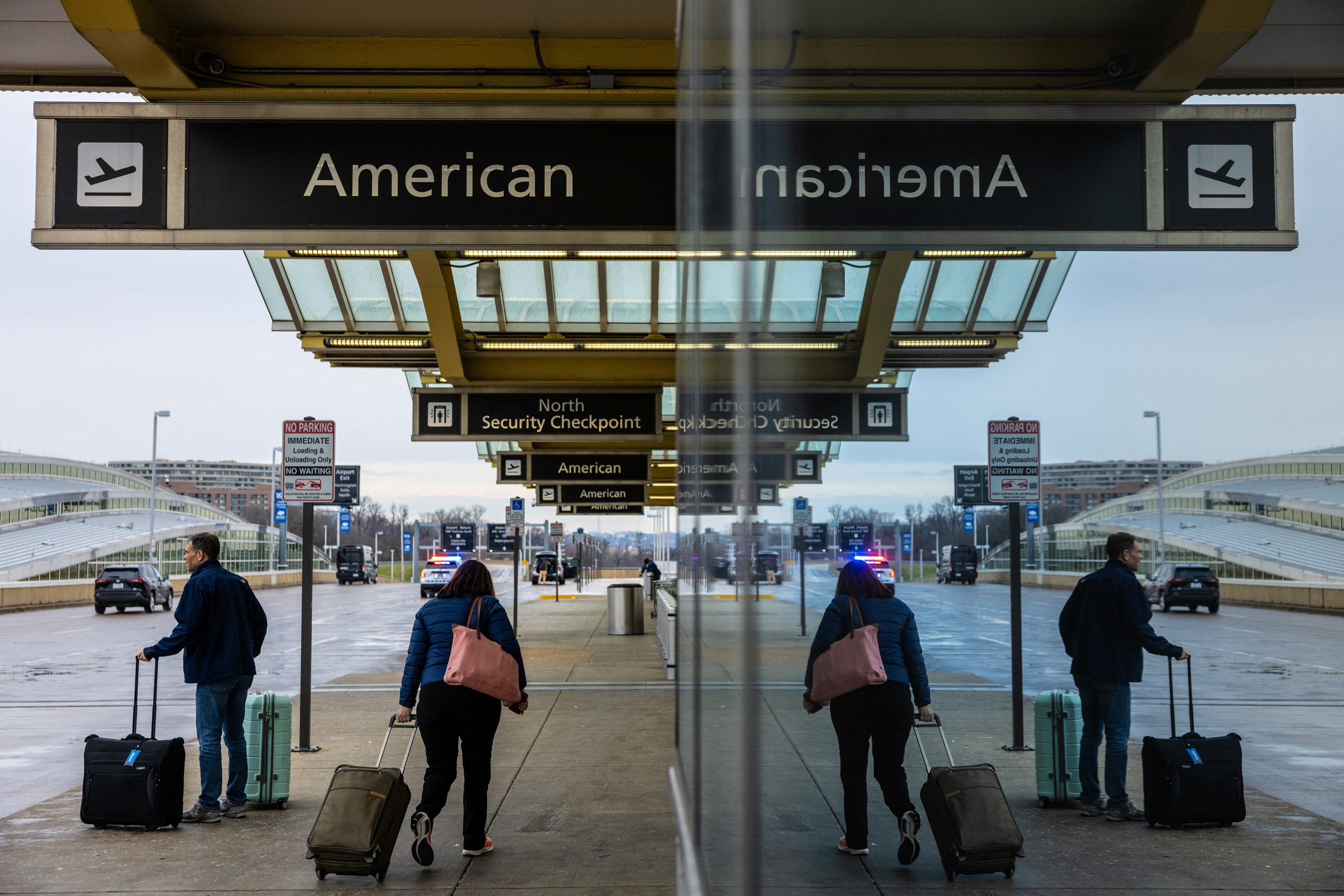
American Airlines grounded flights occur when the airline or the Federal Aviation Administration (FAA) issues a "ground stop" or "ground delay," halting departures due to weather, technical failures, or safety concerns. In 2026, passengers affected by these disruptions are protected by Department of Transportation (DOT) mandates requiring automatic refunds for significant delays and clear compensation protocols for controllable service failures.
Defining the Scope of Grounded Flights
In the aviation industry, a "grounded" flight is a broad term that can refer to several distinct operational scenarios. It is essential to distinguish between a localized ground stop, a system-wide grounding, and the fleet-wide grounding of a specific aircraft model. For American Airlines (AA), which operates one of the world's largest fleets out of massive hubs like Dallas/Fort Worth (DFW), Charlotte (CLT), and Chicago (ORD), even a minor grounding can have a cascading effect across the global flight network.
A Ground Stop (GS) is a tactical air traffic control measure that halts flights destined for a particular airport. These are usually short-term and caused by severe weather or equipment failures at the destination. Conversely, a Ground Delay Program (GDP) slows the flow of traffic but does not stop it entirely. When people refer to "American Airlines grounded flights," they are often describing a situation where the airline itself halts operations due to internal issues, such as an IT outage or a labor-related disruption.
In the current 2026 aviation environment, groundings are managed through sophisticated predictive algorithms, but the fundamental causes remain tied to safety and infrastructure. Whether the grounding is mandated by the FAA for national security or initiated by American Airlines for a technical glitch in their Sabre reservation system, the impact on the traveler remains a complex mix of logistical hurdles and legal rights.
Primary Causes of American Airlines Flight Groundings
Understanding why flights are grounded is the first step in determining what compensation or assistance you are entitled to. The causes generally fall into two categories: "controllable" (within the airline's power) and "uncontrollable" (external factors).
1. Severe Weather and Natural Phenomena
Weather remains the most frequent cause of groundings. While modern aircraft are engineered to handle significant turbulence and low visibility, ground operations cannot function safely in lightning, extreme wind shears, or heavy snow accumulation. For American Airlines, severe weather at a primary hub can ground hundreds of flights simultaneously. Because these events are classified as "Acts of God" or "uncontrollable," airlines are generally not required to provide cash compensation, though they must still assist with rebooking.
2. Technical and IT Infrastructure Failures
In 2024, the aviation world saw a massive disruption due to a global IT outage (the CrowdStrike incident), which grounded thousands of flights. American Airlines, like all major carriers, relies on a complex web of software for crew scheduling, weight and balance calculations, and passenger manifests. If the backbone of this system—such as the Sabre reservation platform—fails, the airline has no choice but to ground its fleet until data integrity is restored. In 2026, these technical failures are strictly classified as "controllable" events, triggering higher levels of passenger protection.
3. FAA and Air Traffic Control (ATC) Constraints
Sometimes the grounding is not AA’s choice. The FAA may issue a ground stop due to a failure in the NextGen air traffic system or a NOTAM (Notice to Air Missions) system outage. Furthermore, staffing shortages at regional ATC centers can lead to mandated groundings to ensure that the number of planes in the sky does not exceed the controller's capacity to manage them safely.
4. Safety Mandates and Aircraft Inspections
Safety is the non-negotiable priority of the industry. If a mechanical issue is discovered that suggests a fleet-wide defect—such as the historical groundings of the Boeing 737 MAX or concerns over engine components—the FAA or American Airlines may ground specific aircraft types. These groundings can last from a few hours for inspections to several months for hardware or software retrofits.
Passenger Rights and the 2026 Regulatory Landscape
As of 2026, the regulatory environment for air travelers has shifted significantly in favor of the consumer. Following a series of massive disruptions in the mid-2020s, the U.S. Department of Transportation (DOT) finalized rules that standardized how American Airlines must handle grounded flights and cancellations.
Automatic Refunds for Significant Delays
One of the most critical developments is the requirement for automatic refunds. If your American Airlines flight is grounded and subsequently canceled, or if it is delayed significantly (defined as more than 3 hours for a domestic flight and 6 hours for an international flight), the airline is required to issue a refund to your original form of payment if you choose not to travel. You are no longer required to jump through hoops or accept "travel credits" unless you explicitly choose them over a cash refund.
Controllable vs. Uncontrollable Disruptions
American Airlines maintains a "Customer Service Plan" that outlines what they will provide during a grounding.
- For Controllable Groundings (Maintenance, IT, Staffing): AA must provide meal vouchers if the delay exceeds 3 hours and hotel accommodations (plus transportation to the hotel) if the grounding results in an overnight delay.
- For Uncontrollable Groundings (Weather, ATC): AA is not legally required to provide hotels or meals, but they are required to rebook you on the next available flight or provide a refund if you cancel.
The Role of the Montreal Convention
For international flights grounded in or departing from many foreign jurisdictions, the Montreal Convention may apply. This treaty can hold the airline liable for damages resulting from a delay unless the airline can prove it took all "reasonable measures" to avoid the delay. This often provides a higher ceiling for compensation than domestic U.S. law.
Comparative Summary of Grounding Scenarios
The following table outlines how different grounding triggers affect your rights and the likely duration of the disruption.
| Grounding Cause | Responsibility | Compensation Type | Typical Duration |
|---|---|---|---|
| Local Thunderstorms | Uncontrollable (Weather) | Rebooking / Refund Only | 1–4 Hours |
| AA Internal IT Outage | Controllable (Airline) | Meals, Hotels, Refund | 4–24 Hours |
| FAA System Failure | Uncontrollable (Govt) | Rebooking / Refund Only | 2–12 Hours |
| Mechanical/Safety Alert | Controllable (Airline) | Meals, Hotels, Refund | Variable |
| Air Traffic Staffing | Uncontrollable (ATC) | Rebooking / Refund Only | 2–6 Hours |
Immediate Steps to Take When a Flight is Grounded
When the announcement "all flights are grounded" appears on the monitors at the airport, the environment can quickly become chaotic. Having a structured plan can help you secure a seat on a later flight or a hotel room before others.
1. Monitor the American Airlines App
In 2026, the American Airlines mobile app is your most powerful tool. The app often updates faster than the gate agents and allows for "one-tap" rebooking. If a grounding is announced, check the "Manage Trips" section immediately. American Airlines often uses a "Trip Move" feature that allows you to select alternative flights, including those from nearby airports, without paying a fare difference.
2. Leverage Concierge Services and Lounges
If you have Admirals Club access or status within the AAdvantage program, head to the lounge or a dedicated service desk. The lines at these locations are significantly shorter than the general customer service desks in the terminal. In 2026, American Airlines has also integrated "Virtual Assistant" kiosks in major hubs like DFW and MIA, which connect you via video link to agents who can process rebookings more efficiently.
3. Document Everything
Keep track of all communications from the airline. If the grounding is due to a controllable reason, take screenshots of the flight status page and save any emails or SMS alerts. These are essential if you need to file a claim for reimbursement for out-of-pocket expenses like meals or Uber rides to a hotel.
4. Know the "Rule 240" Legacy
While the official "Rule 240" no longer exists in its original form, the principle remains: airlines often have "interline" agreements. If American Airlines is grounded but United or Delta is still flying, you can request that AA "protect" you on a competitor’s flight. While they are not always required to do this, for high-status members or in cases of extreme controllable delays, they frequently will to maintain customer loyalty.
Logistics of Compensation: Vouchers and Refunds
Navigating the financial aftermath of a grounded flight requires a clear understanding of American Airlines' internal policies and federal law.
Meal and Hotel Vouchers
If you are at the airport and a controllable grounding occurs, do not leave the gate area without asking for meal vouchers. AA typically provides these digitally, linked to your boarding pass. For overnight delays, AA will provide a voucher for a contracted hotel. If they are "sold out" of vouchers, you may be authorized to book your own reasonably priced hotel and submit the receipt for reimbursement. Always get verbal or written authorization from an agent before booking your own hotel.
Submitting a Claim
For expenses incurred during a grounding—or to request compensation for "pain and suffering" (which is not legally required but often granted in the form of AAdvantage miles)—use the American Airlines "Contact Customer Relations" form on their official website. Be concise, provide your record locator (the 6-character code), and attach all receipts. In 2026, AA’s AI-driven claims system usually processes these requests within 7 to 10 business days.
Long-Term Impact: Why Groundings Still Happen in 2026
Despite advances in satellite-based navigation and AI-driven maintenance scheduling, the aviation industry remains a "system of systems." A grounding is often the result of a single point of failure in a highly optimized chain.
One major factor in 2026 is the climate impact on hub infrastructure. Increased frequency of "super-cells" and extreme heat events in hubs like Phoenix (PHX) and Dallas (DFW) leads to groundings because aircraft performance is degraded in high density altitudes. Furthermore, the cybersecurity landscape has become more complex. American Airlines constantly defends against digital threats that could compromise flight safety, occasionally necessitating a "precautionary grounding" to verify system integrity.
Finally, the aging infrastructure of the FAA continues to be a bottleneck. While the transition to NextGen air traffic control has improved efficiency, the legacy systems still in place for certain regional sectors occasionally fail, leading to localized ground stops that ripple through the American Airlines network.
Frequently Asked Questions
Can I get a cash refund if American Airlines grounds my flight due to weather?
Yes, if the grounding leads to a "significant delay" or cancellation and you decide not to take the alternative flight offered by AA. While the weather is "uncontrollable" and doesn't require AA to pay for your hotel, the 2024/2025 DOT rules mandate that any passenger whose flight is canceled for any reason is entitled to a full refund to their original payment method if they choose not to travel.
How do I know if the grounding is "controllable" or "uncontrollable"?
You can check the FAA’s National Airspace System (NAS) Status page for general ground stops. If the airport is open and other airlines are flying, but American Airlines is not, it is likely a controllable IT or maintenance issue. You can also ask the gate agent for the "delay code," though they may use internal jargon.
What happens to my checked luggage during a grounding?
If the grounding is expected to be short, your luggage will remain on the plane or in the secure baggage handling system. If the flight is canceled and you are rebooked for the next day, you can usually request to have your bags "short-checked" to the baggage claim so you can access them at your hotel. However, in major hub disruptions, it is often safer to let the airline keep the bags in the system to ensure they make it onto your new flight.
Does travel insurance cover American Airlines grounded flights?
Most comprehensive travel insurance policies cover "trip delay" and "trip interruption." If AA does not provide a hotel because the grounding was weather-related, your insurance policy likely will. In 2026, many credit cards (like the Chase Sapphire Reserve or Amex Platinum) offer built-in protection that kicks in after a 6-hour delay.
Will American Airlines pay for a flight on another airline?
They can, but they are not legally required to. If you are a high-tier elite member (Executive Platinum or CK) or if the grounding is a major controllable failure, you can request that an agent "re-route" you on a partner (like Alaska Airlines or British Airways) or even a competitor. This is handled on a case-by-case basis.
Practical Recommendation for Travelers
If you find yourself facing an American Airlines grounded flight, your priority should be information and agility. First, check the AA app to see if you have been automatically rebooked. If the new flight doesn't work for you, use the app's chat feature or the "Virtual Assistant" kiosks to explore alternatives before joining the physical line at the service desk.
In 2026, the law is on your side regarding refunds; if the delay is significant and the alternatives are unacceptable, you have the right to walk away with your money back. For those who must reach their destination, always keep a "go-bag" with essentials in your carry-on, as access to checked luggage is never guaranteed during a system-wide grounding.