The New York AMBER Alert system remains the primary emergency response tool for the immediate dissemination of information regarding abducted children in 2026. To receive real-time updates, the public should ensure Wireless Emergency Alerts (WEA) are enabled on mobile devices and monitor official New York State Police social media feeds. The system is reserved for the most critical abduction cases where law enforcement believes a child is in imminent danger of serious bodily harm or death.
The State of the New York AMBER Alert Plan in 2026
The New York AMBER Alert Plan is a voluntary partnership between the New York State Police, the New York State Department of Transportation, the New York State Division of Criminal Justice Services (DCJS), and the broadcasting industry. As of 2026, the system has evolved into a sophisticated, multi-layered digital network designed to saturate the public consciousness within minutes of a confirmed abduction.
The primary objective remains unchanged since its inception: to provide the public with enough descriptive information about the victim, the suspect, and any associated vehicles to enable citizens to assist in the safe recovery of the child. In New York, the State Police serve as the lead agency for coordinating these alerts, ensuring that the information disseminated is accurate and verified. This prevents the "crying wolf" effect, maintaining the public’s urgency and attention when an alert is finally triggered.
In the current landscape of 2026, the technological infrastructure supporting these alerts has moved beyond traditional television and radio. While those legacy systems remain vital, the integration of high-speed cellular data and geo-fencing allows the State Police to target specific geographic corridors where a suspect is likely to be traveling, thereby reducing "alert fatigue" for those in unaffected areas of the state.
Specific Criteria for Activating an AMBER Alert in NY
A common misconception among the public is that every missing child report results in an AMBER Alert. This is not the case. The New York State Police adhere to strict federal and state guidelines to ensure the system’s integrity. For an alert to be issued in 2026, the following four criteria must generally be met:
- Age of the Victim: The child must be under the age of 18.
- Abduction Confirmed: Law enforcement must believe that an abduction has occurred. This distinguishes AMBER Alerts from cases involving "runaways" or children who have wandered off and become lost.
- Imminent Danger: There must be a reasonable belief by law enforcement that the child is in imminent danger of serious bodily harm or death. This is often the most critical and difficult determination for investigators to make in the early stages of a case.
- Actionable Information: There must be enough descriptive information about the child, the suspect, or the suspect's vehicle to believe an immediate broadcast will assist in the recovery. If a child disappears without a trace and no vehicle or suspect description exists, an AMBER Alert may be delayed until such information is uncovered.
If a case does not meet these specific criteria, it does not mean law enforcement is not working the case. Instead, the "Missing Child Alert" system is utilized. These are often seen on highway signs and social media but do not trigger the intrusive sirens on mobile phones associated with a full AMBER Alert.
How the Public Receives AMBER Alert Updates in 2026
The delivery methods for AMBER Alerts have become increasingly precise. Understanding how these alerts reach you is essential for staying informed without becoming overwhelmed by notifications.
Wireless Emergency Alerts (WEA) 3.0
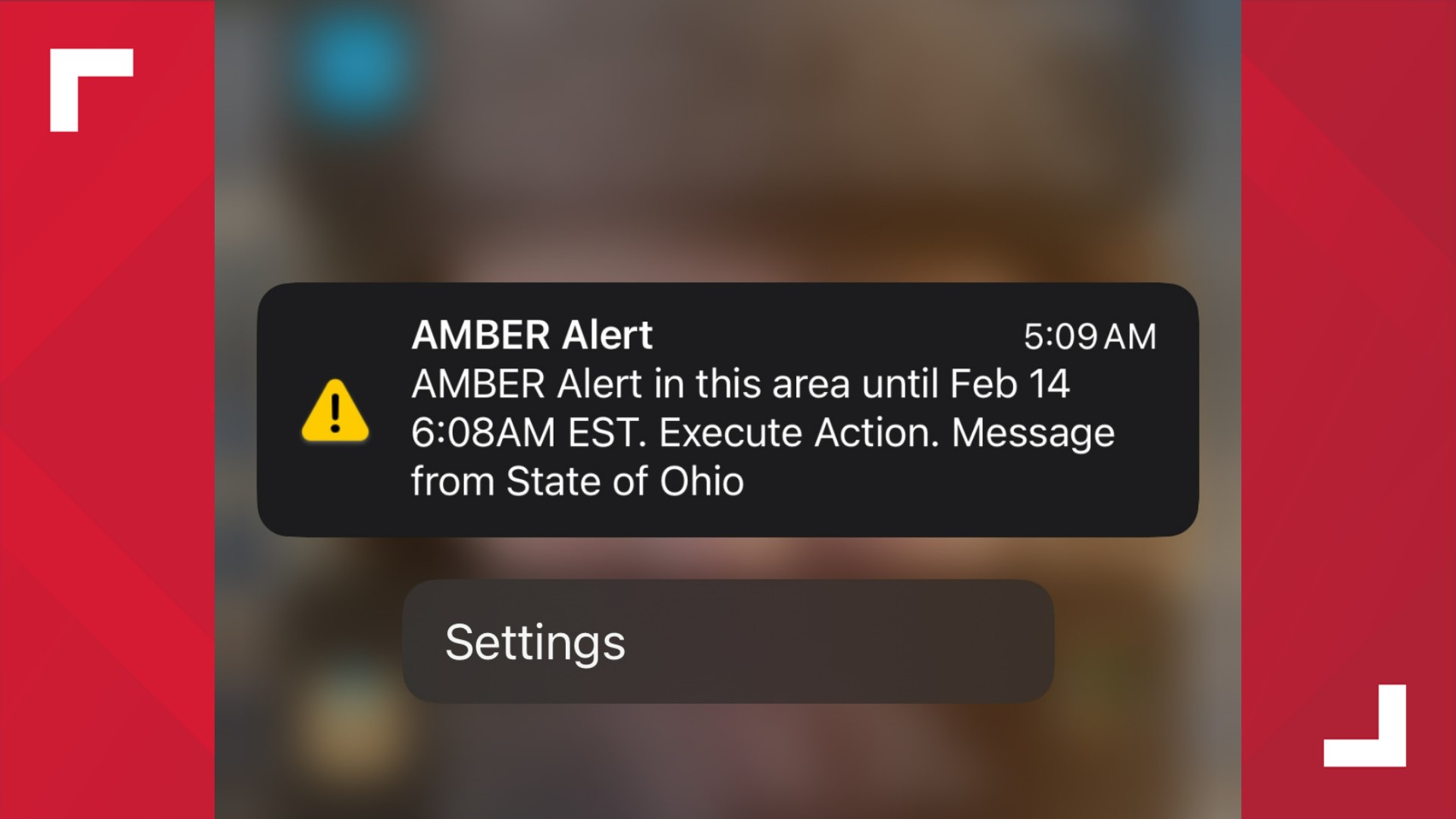
By 2026, most mobile devices in New York are equipped with the latest generation of Wireless Emergency Alerts. Unlike standard text messages, these use a unique frequency that bypasses network congestion. These alerts include a distinct, attention-grabbing sound and vibration. In 2026, WEA messages can now include clickable links to photos of the child or suspect and more detailed descriptions than the 90-character limits of the past.
Variable Message Signs (VMS)
The New York State Department of Transportation (NYSDOT) utilizes the large electronic signs found on the New York State Thruway, I-87, I-81, and other major arteries. When an alert is active, these signs provide vehicle descriptions and license plate numbers. For drivers, this is the most critical source of information, as many abductors attempt to flee the immediate area via the interstate system.
Social Media and Digital Partnerships
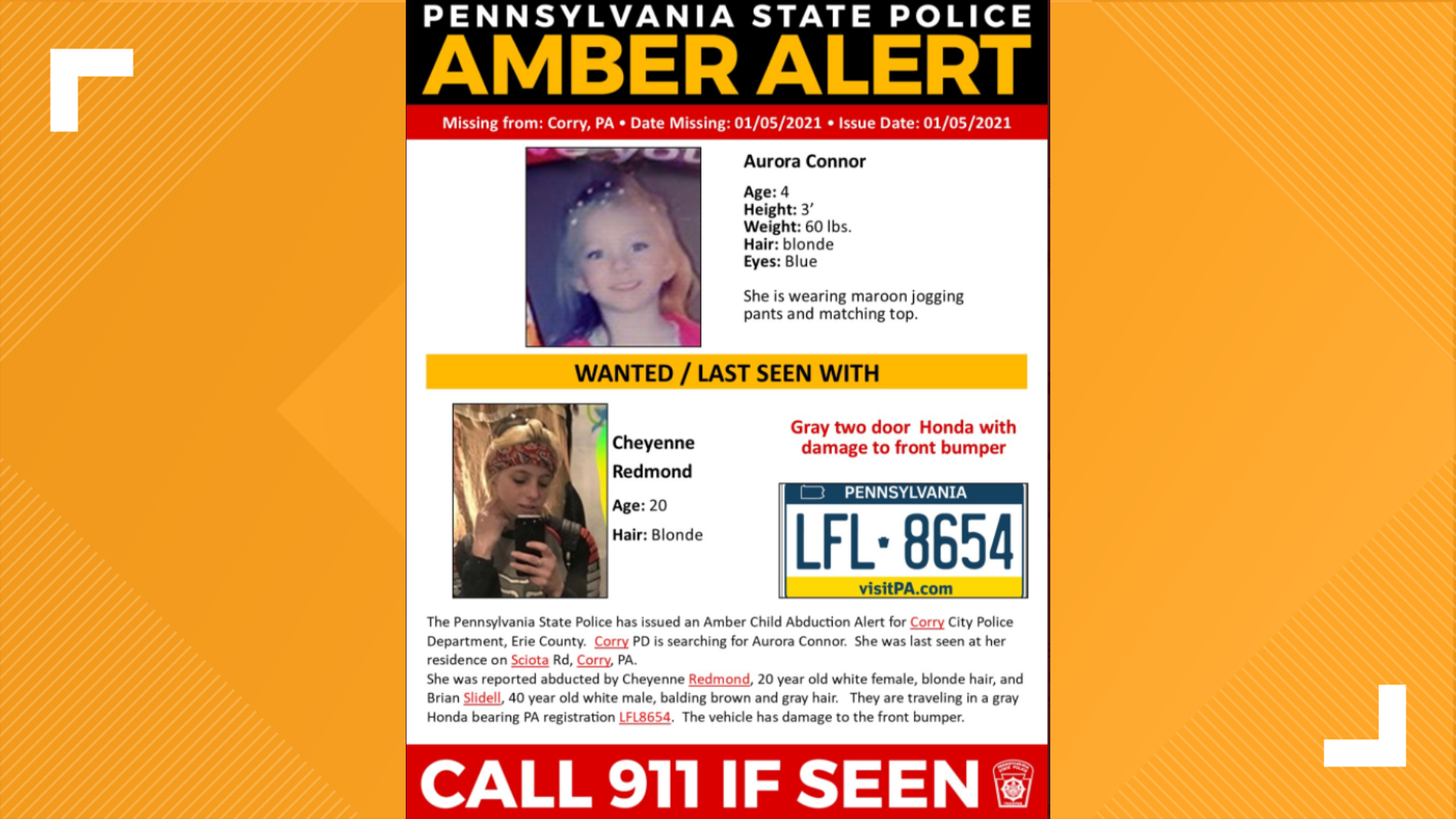
The New York State Police and the National Center for Missing & Exploited Children (NCMEC) have deep integrations with major social media platforms. In 2026, if you are within a designated search area, an AMBER Alert will appear at the top of your news feeds on platforms like X (formerly Twitter), Facebook, and Instagram. These digital posters are easily shareable, which is one of the most effective ways the public can assist.
Traditional Broadcasting
Local television and radio stations remain the backbone of the Emergency Alert System (EAS). During an active alert, stations will interrupt regular programming to broadcast the details. This remains a vital method for reaching individuals who may not be using smartphones or who are currently at home.
Comparing New York's Emergency Alert Systems
It is important to distinguish between the various types of alerts that might appear on your devices or on highway signage. Not every emergency is an AMBER Alert.
| Alert Type | Target Demographic | Primary Trigger | Notification Method |
|---|---|---|---|
| AMBER Alert | Children under 18 | Abduction with imminent danger | WEA (Siren), TV/Radio, VMS, Social Media |
| Missing Child Alert | Children under 21 | Missing under circumstances indicating danger | VMS, Social Media, TV/Radio News |
| Silver Alert | Seniors (65+) or Impaired | Missing with cognitive impairment (Dementia/Alzheimer's) | VMS, Media Outlets, Email Lists |
| Purple Alert | Adults (18-64) | Missing with developmental or physical disabilities | VMS, Local Media, Targeted Digital |
| WEA Public Safety | All Citizens | Immediate threats (Weather, Terrorist, Hazmat) | WEA (Siren), Mobile Notification |
What to Do When You Receive an Alert
Receiving an AMBER Alert can be jarring, but the public's response should be calm and observational. Following a specific protocol helps law enforcement without clogging essential communication lines.
1. Read the Description Carefully
Don't just look at the photo. Note the clothing, specific features of the vehicle (such as bumper stickers, dents, or unique license plates), and the last known direction of travel. In 2026, these alerts often contain geographic context—pay attention to whether the alert is for your immediate county or a neighboring one.
2. Search Your Immediate Surroundings
If you are in a public place, a parking lot, or a gas station, take a moment to look at the vehicles around you. Many successful recoveries have occurred because a citizen spotted a vehicle matching the description in a mundane location, such as a grocery store parking lot.
3. Use 911 Responsibly
Do not call 911 simply to ask for more information or to complain about the noise the alert made on your phone. 911 dispatchers need their lines open to receive actual sightings. Only call 911 if you believe you have seen the child, the suspect, or the vehicle described in the alert.
4. Provide Specific Details to Dispatch
If you believe you have a sighting, stay on the line and provide as much detail as possible:
- Exact location (Street address or highway mile marker).
- The direction of travel.
- The license plate number (even a partial plate is helpful).
- A description of the driver and any passengers.
The Role of the Division of Criminal Justice Services (DCJS)
While the State Police handle the tactical side of the alert, the New York State Division of Criminal Justice Services (DCJS) manages the administrative and support side of the Missing Persons Clearinghouse. In 2026, DCJS provides 24/7 assistance to local law enforcement agencies that may not have the resources of the State Police.
DCJS ensures that once an alert is canceled—whether because the child was found or the alert expired—the information is scrubbed from official digital posters and highway signs. This prevents the public from searching for a child who has already been safely recovered. They also provide support services to the families of missing children, which is a critical but often overlooked component of the AMBER Alert system.
Technological Enhancements and Privacy in 2026
By 2026, several technical improvements have been implemented to make the New York AMBER Alert system more effective. One of the most significant is the improvement in geo-fencing. In years past, an alert issued in Buffalo might have triggered phones in New York City, leading to frustration and people disabling their alerts.
Current technology allows the State Police to draw a polygon on a map. Only cell towers within that polygon will broadcast the alert. This is particularly useful in New York, given the state's vast size and diverse geography. If a suspect is believed to be heading south on I-87 toward the Mario Cuomo Bridge, the alert can be "pushed" ahead of them to the specific counties in their path.
Furthermore, privacy concerns regarding WEA have been addressed. The system is a one-way broadcast; the government does not track your location to send you the alert. Instead, your phone "listens" for the broadcast from the tower you are connected to. This ensures that public safety and personal privacy are balanced.
Common Mistakes to Avoid During an Active Alert
Public cooperation is the greatest asset of the AMBER Alert system, but certain behaviors can inadvertently hinder an investigation.
- Vigilantism: If you spot a suspect vehicle, do not attempt to stop it or confront the suspect. You do not know if the suspect is armed. Your role is to be a "professional witness." Follow at a safe distance if possible and keep dispatch updated on your location.
- Spreading Unverified Info: Avoid sharing "updates" from unofficial sources on social media. In 2026, deepfakes and misinformation can spread rapidly. Stick to sharing the official posters from the New York State Police or NCMEC.
- Assuming it’s a Test: AMBER Alerts are never "test" messages on the WEA system. If your phone makes the siren sound, it is a real-time emergency. Monthly tests are conducted by broadcasters, but these do not typically trigger the mobile phone siren.
Troubleshooting Your Alert Settings
If you are not receiving AMBER Alerts in New York, it is likely a setting on your mobile device. While the State Police recommend keeping these enabled, users have the ability to toggle them.
- iOS (iPhone): Go to Settings > Notifications. Scroll to the very bottom to "Government Alerts." Ensure "AMBER Alerts" is toggled on.
- Android: Go to Settings > Notifications > Advanced Settings > Wireless Emergency Alerts. Ensure "AMBER Alerts" is enabled.
Note that even if your phone is on "Do Not Disturb" or "Silent," the AMBER Alert may still override these settings depending on your device manufacturer and OS version. This is by design to ensure the message is seen during a life-or-death situation.
Frequently Asked Questions
How long does an AMBER Alert last in New York? An AMBER Alert is initially active for up to 8 hours. However, it can be extended in 8-hour increments if law enforcement believes the alert is still useful. If the child is found, the alert is canceled immediately across all platforms. If no new information is found and the 8-hour window expires without extension, the alert is transitioned to a "Missing Child Alert" to keep the information in the public eye without the intrusive sirens.
Can an AMBER Alert be issued for a parental abduction? Yes, but only if the criteria for "imminent danger" are met. If a parent takes a child in violation of a custody order but there is no evidence the child is in physical danger, an AMBER Alert is usually not issued. In these cases, law enforcement uses other legal avenues and missing person protocols.
Is there a cost to receiving these alerts on my phone? No. In 2026, all major cellular carriers in New York participate in the WEA program at no cost to the consumer. These messages do not count against your data plan or text message limits.
What happens if I see the vehicle but I am in a different state? The AMBER Alert system is a national network. If you see a vehicle described in a New York alert while you are in Pennsylvania or New Jersey, call 911 immediately. The local dispatchers will coordinate with the New York State Police through the National Crime Information Center (NCIC).
Why did I get an alert for a child 300 miles away? Law enforcement may expand the alert radius if they have evidence the suspect has access to a vehicle and a significant amount of time has passed since the abduction. A car can travel a vast distance in a few hours, so "local" is a relative term in abduction cases.
Practical Recommendation for New York Residents
To best support the safety of children in our communities, every resident should take three specific actions today. First, verify that AMBER Alerts are enabled in your smartphone's notification settings. Second, follow the New York State Police on at least one social media platform to see visual updates that provide more context than a standard text alert. Finally, download the "Have You Seen Me?" app or bookmark the NCMEC website. These tools provide a comprehensive list of all active alerts, not just those triggered by the WEA siren, allowing you to stay informed about missing children and Silver Alerts in your specific region of New York.