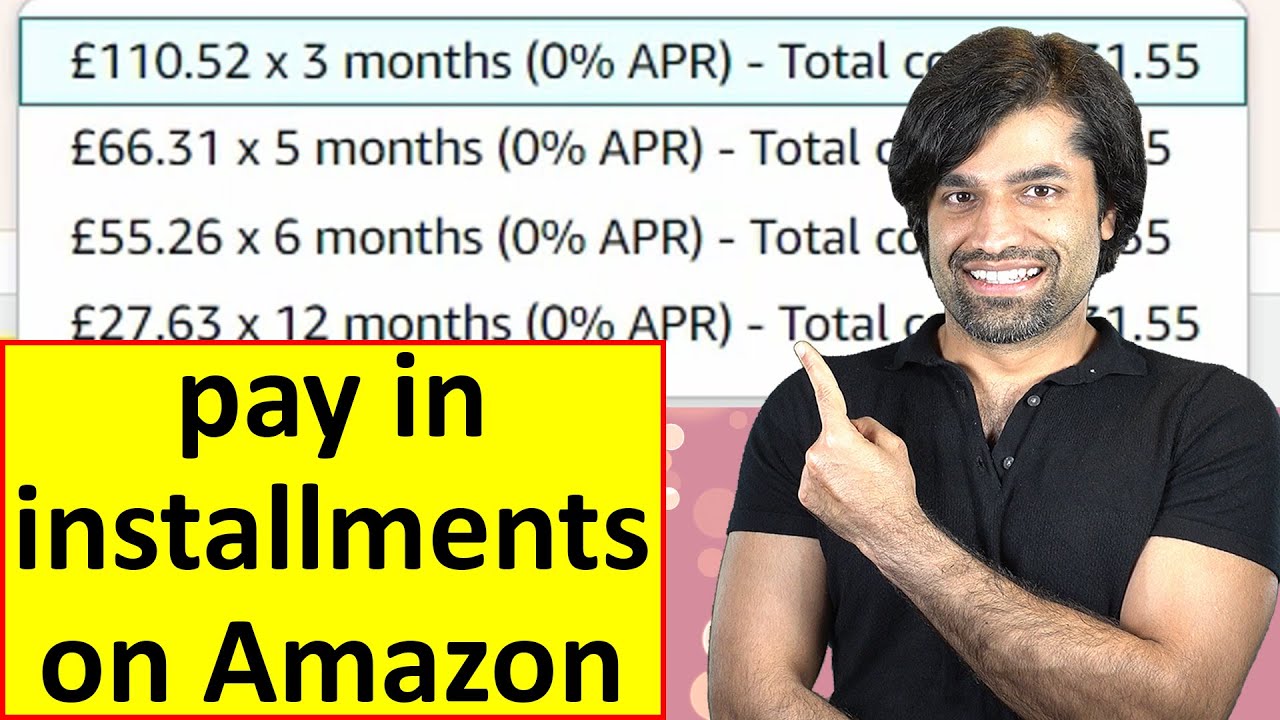
Amazon Monthly Payments provide budget-conscious shoppers with a zero-interest, fee-free installment plan for specific high-value items, such as electronics and appliances. Unlike traditional financing, this internal Amazon service requires no hard credit check and splits the total cost into manageable equal payments, making it an ideal tool for cash-flow management without the risks of revolving debt.
Understanding Amazon Monthly Payments in 2026
For many consumers, the primary obstacle to purchasing essential technology or household goods is the high upfront cost. Amazon Monthly Payments (often referred to as Amazon's internal installment plan) serves as a bridge between immediate need and financial capability. It is distinct from "Buy Now, Pay Later" (BNPL) services like Affirm or Klarna, which are also available on the platform but operate through third-party credit agreements.
This internal plan allows a customer to purchase a qualifying product and pay for it in several equal installments. In 2026, this typically manifests as five monthly payments. The first payment, including the full amount of sales tax and any shipping charges, is due at the time of shipment. The remaining balance is then automatically charged to the user's designated payment method every 30 days.
The defining characteristic of this service is its simplicity. There are no application forms, no interest charges, and no hidden fees. Because it is an internal Amazon offering, the eligibility is based more on your history as a customer than on your FICO score, which is a significant advantage for those looking to protect their credit health.
Why This Method Is Ideal for Budget Shoppers
Budgeting is fundamentally about the predictable allocation of resources. High-ticket items often disrupt a budget because they require a "lump sum" expenditure that can deplete emergency funds or lead to high-interest credit card balances. Amazon Monthly Payments mitigates these risks through several key mechanisms.
Interest-Free Financial Flexibility
The most significant benefit is the 0% APR (Annual Percentage Rate). Traditional credit cards often carry interest rates exceeding 20%, meaning a $500 tablet could eventually cost $600 or more if not paid off immediately. Amazon’s internal plan ensures that the price you see is the price you pay, divided over time. For a budget shopper, this means every dollar goes toward the principal cost of the item rather than servicing debt.
No Hard Credit Inquiry
Most financing options require a "hard pull" on your credit report, which can temporarily lower your credit score. Amazon Monthly Payments generally relies on an internal risk assessment. They look at your account age, your history of successful transactions on the platform, and the validity of the credit card on file. This makes it an accessible option for those with "thin" credit files or those who are actively avoiding new credit inquiries to maintain their score for larger goals, like a mortgage or car loan.
Predictable Cash Flow Management
By spreading a $1,000 laptop over five months, a shopper only needs to account for $200 per month (plus the initial tax). This predictability allows a household to maintain its monthly savings goals and handle other recurring expenses like rent and utilities without the stress of a massive one-time withdrawal. It turns a "luxury" or "emergency" purchase into a planned monthly utility-like expense.
Eligibility and Prerequisites
While the service is highly beneficial, it is not available to every shopper or for every item. In 2026, Amazon maintains strict criteria to manage the risk of providing interest-free "loans."
- Account Standing: Your Amazon account must be in good standing. This generally means you have a history of successful payments and few, if any, disputes or suspicious return activity.
- Purchase History: New accounts are rarely offered the monthly payment option immediately. Amazon prefers to see at least one year of consistent purchasing behavior.
- Payment Method: You must have a valid, non-prepaid credit card or debit card linked to your account. While some users can use debit cards, Amazon often prefers credit cards as a secondary layer of security for the recurring charges.
- Residency: Currently, the program is primarily available to customers residing in the United States, though specific restrictions often apply to residents of states like Iowa or West Virginia due to local lending regulations.
- Product Participation: Only items sold and shipped by Amazon.com (and specific authorized brands like Echo, Fire TV, and Kindle) are eligible. You will see the "Monthly Payments" option on the product detail page if both you and the item qualify.
Comparing Amazon Financing Options
Budget shoppers often face a choice between several financing paths on Amazon. Understanding the differences is crucial for selecting the one that fits a specific financial strategy.
| Feature | Amazon Monthly Payments | Amazon Store Card (Equal Pay) | Affirm (BNPL) | Standard Credit Card |
|---|---|---|---|---|
| Interest Rate | 0% | 0% (on specific terms) | 0% to 36% | 15% to 29%+ |
| Credit Check | No Hard Pull | Hard Pull Required | Soft or Hard Pull | Hard Pull Required |
| Fees | None | Late Fees Apply | Late Fees (sometimes) | Late Fees / Annual Fees |
| Impact on Credit | None (Usually) | Reported to Bureaus | Can be Reported | Reported to Bureaus |
| Eligibility | Internal Account History | Credit Score Based | Credit/Identity Based | Credit Score Based |
| Payment Duration | Usually 5 Months | 6, 12, or 24 Months | 3 to 48 Months | Revolving |
Strategic Implementation for the Budget-Conscious
To maximize the value of Amazon Monthly Payments, shoppers should treat it as a tool rather than an excuse to overspend.
Use for "Need" vs. "Want"
If your primary computer breaks and you work from home, a $1,200 replacement is an emergency. Using the monthly payment plan allows you to get back to work immediately while paying $240 a month. This is a strategic use of the service. Conversely, using it to buy a 2026-model gaming console just because the option is there can lead to "subscription fatigue," where too many monthly installments begin to crowd out your ability to save.
The "One at a Time" Rule
A common mistake is having multiple installment plans active simultaneously. While Amazon may allow you to have more than one, a disciplined budget shopper should aim to have only one active monthly payment plan. This ensures that the cumulative monthly total doesn't become a burden. If you have three plans at $100 each, that’s $300 a month—equivalent to a car payment for some—which can quickly destabilize a tight budget.
Verifying Total Cost
Before clicking "Buy," always verify that the monthly payment option is selected. Amazon often defaults to the full-price "One-time payment." Once the transaction is processed as a one-time payment, it is difficult to retroactively convert it into an installment plan without canceling the order and starting over, which could lead to temporary holds on your funds.
Troubleshooting and Limitations
Even for experienced shoppers, issues can arise. Understanding how to navigate these ensures that your budget stays on track.
- Missing Payment Option: If you don't see the monthly payment option on a product known to offer it, ensure you are logged in. If it’s still missing, you may have reached your internal credit limit with Amazon, or your account may have a temporary flag due to a recently changed address or expired credit card.
- Payment Failures: If a monthly charge fails, Amazon will typically attempt to charge other cards on your file. If all fail, they may restrict your account or even disable the device (in the case of Fire tablets or Kindles) until the balance is cleared. Always ensure your primary card has sufficient "Headroom" or balance a few days before the 30-day mark.
- Early Payoff: You can pay off the remaining balance at any time without penalty. This is a great move if you receive a tax refund or a work bonus and want to clear that monthly obligation from your budget early.
FAQs about Amazon Monthly Payments
Does Amazon Monthly Payments affect your credit score?
No, typically Amazon Monthly Payments does not affect your credit score. Because there is no hard credit inquiry to qualify and the payment history is generally not reported to the major credit bureaus (Equifax, Experian, TransUnion), it remains "invisible" to your credit report. However, if you default and the debt is eventually sold to a collection agency, that could negatively impact your score.
Can I use a debit card for Amazon Monthly Payments?
Yes, many users are eligible to use a debit card for this plan. However, Amazon’s automated system evaluates each account individually. If your account is relatively new or has a history of payment issues, the system may require a credit card to be on file as a backup or as the primary payment method to ensure the installments can be successfully captured.
What happens if I return an item bought with monthly payments?
The return process is straightforward. If you return an item within the standard Amazon return window, the amount you have already paid (including the initial installment and tax) will be refunded to your original payment method. The remaining scheduled installments will be canceled. If you are doing an exchange, the payment plan usually continues as scheduled for the new item.
Are all items on Amazon eligible for this plan?
No. Only specific products sold and shipped by Amazon.com are eligible. This usually includes Amazon-branded devices (Echo, Kindle, Fire TV, Ring) and a rotating selection of high-value items from major brands like Samsung, Apple, or Sony. You can identify eligibility by looking for the "Monthly Payments" radio button near the "Add to Cart" section on the product page.
Can I change my payment date?
Generally, no. The payment dates are set automatically based on the date the item was shipped. Each subsequent payment is charged every 30 days. To manage this within a budget, it is best to time your initial purchase so that the 30-day cycles align with your paychecks or other low-expense periods during the month.
Final Recommendation
For budget shoppers in 2026, Amazon Monthly Payments is one of the safest and most cost-effective ways to finance essential purchases. By avoiding interest and hard credit checks, it provides the benefits of credit without the typical downsides of debt. To use it successfully, limit yourself to one active plan at a time, ensure your primary payment method is always funded 48 hours before the due date, and prioritize using it for high-utility items that offer long-term value.