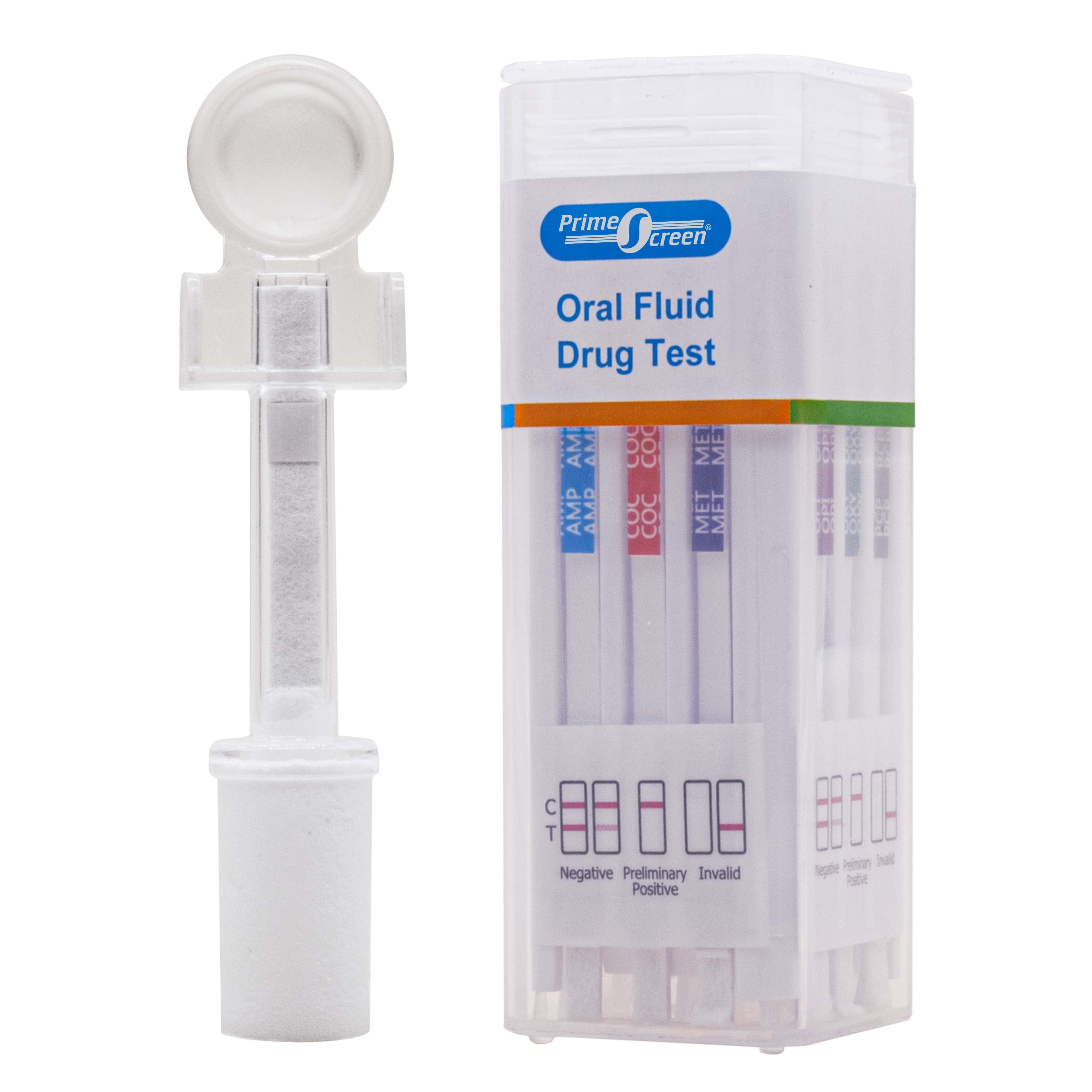
Applicants for life insurance roles at Allstate are typically required to pass a pre-employment drug screen as part of a comprehensive background check. This requirement generally applies after a conditional job offer is extended. The process usually involves a standard urinalysis conducted at an authorized third-party laboratory to ensure workplace safety and regulatory compliance.
Entering the insurance industry, specifically in a specialized sector like life insurance, involves a high degree of scrutiny. As of 2026, Allstate maintains a rigorous hiring protocol designed to protect its fiduciary responsibilities and its reputation as a stable financial institution. For candidates pursuing a career as a life insurance agent, underwriter, or claims processor, understanding the nuances of the Allstate drug testing policy is essential for a successful onboarding experience.
The Role of Drug Testing in the Allstate Hiring Process
Allstate, like many Fortune 500 companies in the financial services and insurance sectors, views drug testing as a fundamental component of its risk management strategy. When you apply for a life insurance job, you are applying for a position that requires a high level of trust, attention to detail, and often, state-mandated licensing.
The drug test is rarely the first step in the process. Usually, a candidate undergoes several rounds of interviews—potentially including behavioral assessments and technical screenings—before reaching the offer stage. Once a hiring manager decides to move forward, they issue a "conditional offer of employment." This offer is contingent upon the candidate successfully passing both a criminal background check and a drug screen.
In 2026, the primary objective of this testing is twofold: to maintain a drug-free workplace and to ensure that employees handling sensitive financial data and life insurance policies possess the reliability required by the industry. Because life insurance involves significant financial disbursements and the handling of personal health information (PHI), Allstate prioritizes candidates who demonstrate personal and professional stability.
Types of Drug Tests and Substances Screened
While Allstate may update its specific panel requirements periodically, the standard for most corporate and sales roles remains the 5-panel or 10-panel urinalysis. Urinalysis is the preferred method because it is cost-effective, reliable, and provides a sufficient window of detection for most common substances.
The Standard Urinalysis
The most common test used by Allstate is the 5-panel urine test. This test typically screens for the following classes of substances:
- Amphetamines: Including methamphetamine and MDMA (Ecstasy).
- Cocaine: Specifically looking for benzoylecgonine, the primary metabolite of cocaine.
- Opiates: Including morphine, codeine, and heroin (6-AM).
- Phencyclidine (PCP): A dissociative drug.
- Cannabinoids (THC): Despite the shifting legal landscape in many states, Allstate often includes THC in its standard screening, particularly for roles that fall under federal oversight or require specific financial licensing.
The 10-Panel Expansion
For certain high-level life insurance positions or roles that involve significant fiduciary responsibility, Allstate may opt for a 10-panel test. This expanded screen includes the 5-panel substances plus:
- Barbiturates: Such as phenobarbital.
- Benzodiazepines: Including Valium, Xanax, and Ativan.
- Methadone: Often used in addiction treatment but screened for in comprehensive panels.
- Methaqualone: (Quaaludes), though less common today.
- Propoxyphene: An opioid pain reliever.
The Testing Procedure and Timeline
Once the conditional offer is accepted, the candidate is typically given a narrow window—often 24 to 48 hours—to report to a testing facility. Allstate partners with national laboratory providers like LabCorp or Quest Diagnostics to facilitate these tests.
At the Collection Site
Upon arrival, the candidate must provide a valid government-issued photo ID. The collection process follows strict Chain of Custody (CoC) protocols to ensure the sample is not tampered with or swapped. Candidates are usually asked to remove outer clothing (like jackets) and leave personal belongings in a secure locker. The bathroom used for the sample often has colored water in the toilet and no accessible running water to prevent dilution or adulteration of the specimen.
Laboratory Analysis
The sample undergoes an initial immunoassay screen. If this screen returns a negative result, the process is complete, and the results are reported to Allstate’s HR department or their background check vendor (such as Sterling or Accurate Background). If the initial screen is "non-negative," the sample undergoes a confirmatory test using Gas Chromatography-Mass Spectrometry (GC-MS) or Liquid Chromatography-Tandem Mass Spectrometry (LC-MS/MS). These methods are highly specific and can distinguish between illicit drugs and certain over-the-counter medications that might cause a false positive.
The Role of the Medical Review Officer (MRO)
If a sample tests positive during the confirmatory phase, the results are sent to a Medical Review Officer (MRO). The MRO is a licensed physician who specializes in substance abuse and drug testing. The MRO will contact the candidate to discuss the results. This is the candidate's opportunity to provide proof of a valid prescription for any detected substances, such as benzodiazepines for anxiety or amphetamines for ADHD. If the MRO verifies the prescription is legitimate and the drug was taken as prescribed, the result is reported to Allstate as "Negative."
Life Insurance Licensing and Regulatory Scrutiny
Working in life insurance isn't just about sales; it’s about compliance. Most life insurance jobs at Allstate require the employee to obtain or maintain a state insurance license. In many cases, if the role involves variable life products, the employee may also need to register with FINRA (Financial Industry Regulatory Authority).
These regulatory bodies have their own standards for "fitness and character." While a drug test is a corporate requirement by Allstate, the background check associated with licensing is even more invasive. It looks for "statutory disqualifications," which include certain criminal convictions. A failed drug test that leads to a rescinded offer can effectively end a candidate's chances of obtaining the necessary licenses to work in the field.
| Aspect of Screening | Standard Life Insurance Role | Senior/Fiduciary Role |
|---|---|---|
| Test Type | 5-Panel Urinalysis | 10-Panel Urinalysis |
| Detection Window | 2-7 days (standard) | 2-30 days (comprehensive) |
| Notification Period | 24-48 hours post-offer | 24-48 hours post-offer |
| Regulatory Oversight | State Dept. of Insurance | FINRA / SEC / State DOI |
| Background Check | Criminal/Credit/Employment | Deep Financial/Fiduciary Scan |
Cannabis Policies in 2026
By 2026, the legal status of cannabis has evolved significantly across the United States. However, for a nationwide entity like Allstate, corporate policy often leans toward the strictest common denominator or adheres to federal standards where applicable.
Even in states where recreational use is legal, Allstate generally maintains the right to enforce a drug-free workplace policy. For life insurance roles, where cognitive clarity and professional judgment are paramount, a positive test for THC can still result in a rescinded job offer. While some companies have moved away from testing for THC in non-safety-sensitive roles, the financial and insurance sectors have been slower to change due to the complex web of federal regulations and interstate commerce laws they must follow.
Candidates should not assume that a "legal" status in their home state exempts them from Allstate’s corporate drug testing requirements. If a candidate uses medical marijuana, they should be prepared to discuss this with the MRO, although it is important to note that many private employers are not legally required to accommodate medical marijuana use if it violates their established drug-free workplace policy.
Handling Prescriptions and Potential Disqualifications
One of the most common concerns for candidates is the use of legitimate, prescribed medications that may appear on a drug screen. The insurance industry recognizes that many high-performing professionals manage health conditions with medication.
If you are taking medication prescribed by a doctor:
- Do not disclose it to the recruiter: You are not legally required to share your private medical history with Allstate HR or your hiring manager during the interview phase.
- Bring documentation to the lab? Generally, the lab technicians are not authorized to review your prescriptions. Their job is simply to collect the sample.
- Wait for the MRO: If the test comes back positive, the MRO will call you. Have your prescription bottle or a letter from your doctor ready. Providing the pharmacy name and prescription number is usually sufficient for the MRO to verify the claim.
A failed drug test for an unprescribed or illicit substance is almost always grounds for immediate disqualification. Allstate typically does not offer a "re-test" unless there is a documented error in the collection or laboratory process. Furthermore, a rescinded offer due to a failed drug test may prevent a candidate from reapplying to Allstate for a specific period, often six months to one year.
Preparation and Best Practices for Candidates
For those seeking a life insurance job at Allstate, preparation extends beyond practicing interview questions. Ensuring you can pass the pre-employment screening is a logistical necessity.
- Hydration and Health: While you should be well-hydrated, do not over-hydrate (water flushing) immediately before the test. A sample that is too dilute may be rejected, requiring you to retake the test, which can delay your start date and raise "red flags" for the hiring team.
- Avoid "Detox" Products: Most "detox" drinks and kits are ineffective and can be detected by modern laboratory equipment as adulterants. The most reliable way to pass is through abstinence from prohibited substances.
- Check Your Supplements: In 2026, many over-the-counter supplements and CBD products still contain trace amounts of THC or other substances that could trigger a positive result. If you are in the final stages of the Allstate interview process, it is wise to be cautious about the supplements you consume.
- Timeline Awareness: If you know you have a conditional offer coming, ensure you are available to visit a lab immediately. Traveling or being unavailable during the 48-hour testing window can be interpreted as an attempt to evade the test.
Frequently Asked Questions
Does Allstate drug test remote life insurance employees?
Yes. Allstate maintains a consistent screening policy regardless of whether the role is in-office, hybrid, or fully remote. Remote employees are directed to a local laboratory facility near their residence to complete the screening.
What happens if I fail the drug test for a life insurance job?
If a candidate fails the drug test and cannot provide a valid medical explanation to the MRO, the conditional job offer is typically rescinded. This information is kept confidential within HR but will be noted in the candidate's recruitment file, usually preventing them from reapplying for a designated period.
Does Allstate use hair follicle testing?
As of 2026, Allstate primarily utilizes urine testing for pre-employment screening for life insurance roles. Hair follicle testing is much more expensive and is generally reserved for high-security clearances or specific executive-level positions, though it is not the standard for general insurance agent or corporate roles.
Will a prescription for Adderall disqualify me from the job?
No, provided the medication is legally prescribed to you by a healthcare professional. When the drug test detects amphetamines, the MRO will contact you to verify your prescription. Once verified, the result is reported as a "Pass" to Allstate.
Does Allstate test for nicotine?
While some healthcare organizations have moved toward nicotine-free hiring, Allstate generally does not screen for nicotine or tobacco products for employment. However, being a tobacco user may affect your own personal life insurance premiums or employee benefits rates.
Final Recommendation
For candidates pursuing a life insurance career at Allstate in 2026, the drug test is a standard, albeit critical, hurdle. The most effective strategy is full compliance with the testing window and total transparency with the Medical Review Officer regarding legitimate prescriptions. If you are currently using substances that are screened in a standard 5-panel or 10-panel test, it is advisable to cease use well before entering the interview phase, as the transition from the first interview to a conditional offer can often move faster than the body's natural detoxification process.