Traveling from Alexandria, Virginia, to New York City is a journey of approximately 230 miles through the heart of the Northeast Corridor. Travelers can choose between the convenience of Amtrak, the flexibility of driving via I-95, the speed of flying from Reagan National Airport (DCA), or the affordability of regional bus services.
The trip from Alexandria to Manhattan is one of the most well-traveled routes in the United States, connecting the historic charm of Northern Virginia with the global hub of New York City. Whether you are commuting for business in the Financial District, planning a weekend of Broadway shows, or visiting family in the outer boroughs, the infrastructure supporting this corridor is robust. As of 2026, improvements in rail frequency, updated airport terminals, and evolving traffic management systems in Lower Manhattan have changed the logistical landscape for travelers. This guide provides a detailed breakdown of every transit mode to help you optimize for cost, time, and comfort.
The Amtrak Experience: Direct Rail Access from Alexandria
For many residents of Alexandria, the train is the preferred method of travel. The Alexandria Amtrak Station (ALX), located at 110 Callahan Drive, is an integral part of the city’s transit infrastructure. It is conveniently situated adjacent to the King Street-Old Town Metro station, allowing for seamless transfers from the Blue and Yellow lines.
Northeast Regional vs. Acela
When booking your trip on Amtrak, you will primarily choose between the Northeast Regional and the Acela.
- Northeast Regional: This service provides direct, one-seat rides from Alexandria to New York Penn Station. In 2026, the journey typically takes between 3 hours and 45 minutes to 4 hours and 15 minutes. The advantage of the Regional is the lack of a transfer; you board in Alexandria and disembark in the heart of Manhattan.
- Acela: Amtrak’s high-speed service generally requires a transfer if you are departing from Alexandria. Most travelers take a local commuter train (VRE) or the Metro to Washington Union Station (WAS) to catch the Acela. While the Acela offers a faster transit time between DC and NYC (roughly 2 hours and 50 minutes), the total travel time from Alexandria often ends up being similar to the direct Northeast Regional once the transfer is factored in.
Class of Service and Amenities
In 2026, Amtrak has fully integrated its refreshed fleet on the Northeast Corridor. Coach class on the Regional provides ample legroom—significantly more than economy class on a domestic flight. Business Class offers extra legroom, complimentary non-alcoholic beverages, and a dedicated car that is often quieter.
The "Quiet Car" remains a staple of the Northeast Regional. It is a strictly enforced environment where phone calls and loud conversations are prohibited. For those looking to work during the four-hour transit, this is the most productive environment available. High-speed Wi-Fi is available across all classes, though bandwidth can still fluctuate in the tunnels leading into Baltimore and New York.
Booking Strategies
Tickets are priced dynamically. Booking four to six weeks in advance can secure "Value" or "Saver" fares as low as $35–$60. Last-minute tickets, especially on Friday afternoons or Sunday evenings, can exceed $200. Utilizing the Amtrak app for digital boarding passes is now the standard, and the Alexandria station features automated kiosks for those needing printed documents.
Driving from Alexandria to NYC: The I-95 Corridor
Driving offers the highest level of flexibility, particularly if your final destination is in the Bronx, Queens, or Brooklyn, where transit from Penn Station might require multiple subway transfers. However, driving to New York City involves navigating some of the most congested and expensive roadways in the country.
The Route and Tolls
The most direct route is via I-95 North. The journey takes you through Maryland, a small portion of Delaware, and the entire length of the New Jersey Turnpike.
- Northern Virginia to Baltimore: You will likely take I-495 (The Beltway) to I-95 North. Be mindful of the Express Lanes on the Beltway, which use dynamic pricing.
- The Maryland/Delaware Stretch: Major toll points include the Fort McHenry Tunnel in Baltimore and the John F. Kennedy Memorial Highway. The Delaware Memorial Bridge is a significant bottleneck and toll point before entering New Jersey.
- The New Jersey Turnpike: This is the most efficient section of the drive. As of 2026, the "Cars/Trucks/Buses" and "Cars Only" lanes are strictly managed to optimize flow.
Toll Costs: For a standard passenger vehicle with an E-ZPass, total one-way tolls in 2026 range from $45 to $65, depending on the specific bridges or tunnels used to enter Manhattan (such as the Holland Tunnel, Lincoln Tunnel, or George Washington Bridge).
NYC Congestion Pricing and Parking
A critical consideration for 2026 travelers is the NYC Central Business District Tolling Program. Vehicles entering Manhattan below 60th Street are subject to congestion charges. If your destination is Midtown or Lower Manhattan, you must factor this additional cost into your budget.
Parking in Manhattan remains prohibitively expensive, often costing between $50 and $90 per 24-hour period. If you must drive, consider using apps like Spothero to reserve a space in advance, or park in a long-term garage in Jersey City or Weehawken and take the PATH train or NY Waterway ferry into the city.
Flying: DCA to LGA, JFK, or EWR
Alexandria is uniquely positioned next to Ronald Reagan Washington National Airport (DCA). For many, the proximity of DCA makes flying a viable competitor to the train.
Airport Selection
- LaGuardia (LGA): Generally the best option for those heading to Manhattan or Queens. Following the massive multi-year redevelopment completed before 2026, LGA is now a world-class facility with efficient security and modern amenities.
- John F. Kennedy (JFK): Best for those heading to Brooklyn or eastern Long Island. The AirTrain connects JFK to the Howard Beach or Jamaica stations for subway access.
- Newark Liberty (EWR): Located in New Jersey, EWR is often the most accessible for those visiting the West Side of Manhattan via the NJ Transit rail link to Penn Station.
Time Considerations
While the flight itself is only 45 to 60 minutes, the "door-to-door" time is often longer than the train. You must arrive at DCA at least 75 minutes before departure for security. Upon arrival in NYC, you must navigate the airport and commute into the city. For a traveler in Old Town Alexandria, the total time from home to a Manhattan hotel via air is typically 3.5 to 4 hours.
Airline Choices
American Airlines and Delta Air Lines dominate the "shuttle" routes between DCA and LGA. These flights depart almost every hour. JetBlue also offers competitive service to JFK. In 2026, the use of CLEAR and TSA PreCheck at DCA is highly recommended to mitigate the peak-hour surges common at the airport’s North and South piers. Detailed flight information can be verified at FlyReagan.com.
Bus Travel: The Budget-Friendly Alternative
For travelers prioritizing cost over speed or comfort, regional bus services provide a reliable link from the Alexandria/DC area to NYC.
Departure Points
While most major bus lines depart from Union Station in DC, several options serve the Northern Virginia area directly or are a short Metro ride away.
- Greyhound/FlixBus: These carriers operate out of the Union Station Bus Deck. They offer the most frequent schedules, with buses departing every 30 to 60 minutes.
- Megabus: Known for its double-decker buses and reserved seating, Megabus typically drops passengers near the Javits Center on the West Side of Manhattan.
- Independent "Chinatown" Buses: These remain an option for very low-cost travel, though they often have less predictable schedules and fewer amenities than the national brands.
Amenities and Limitations
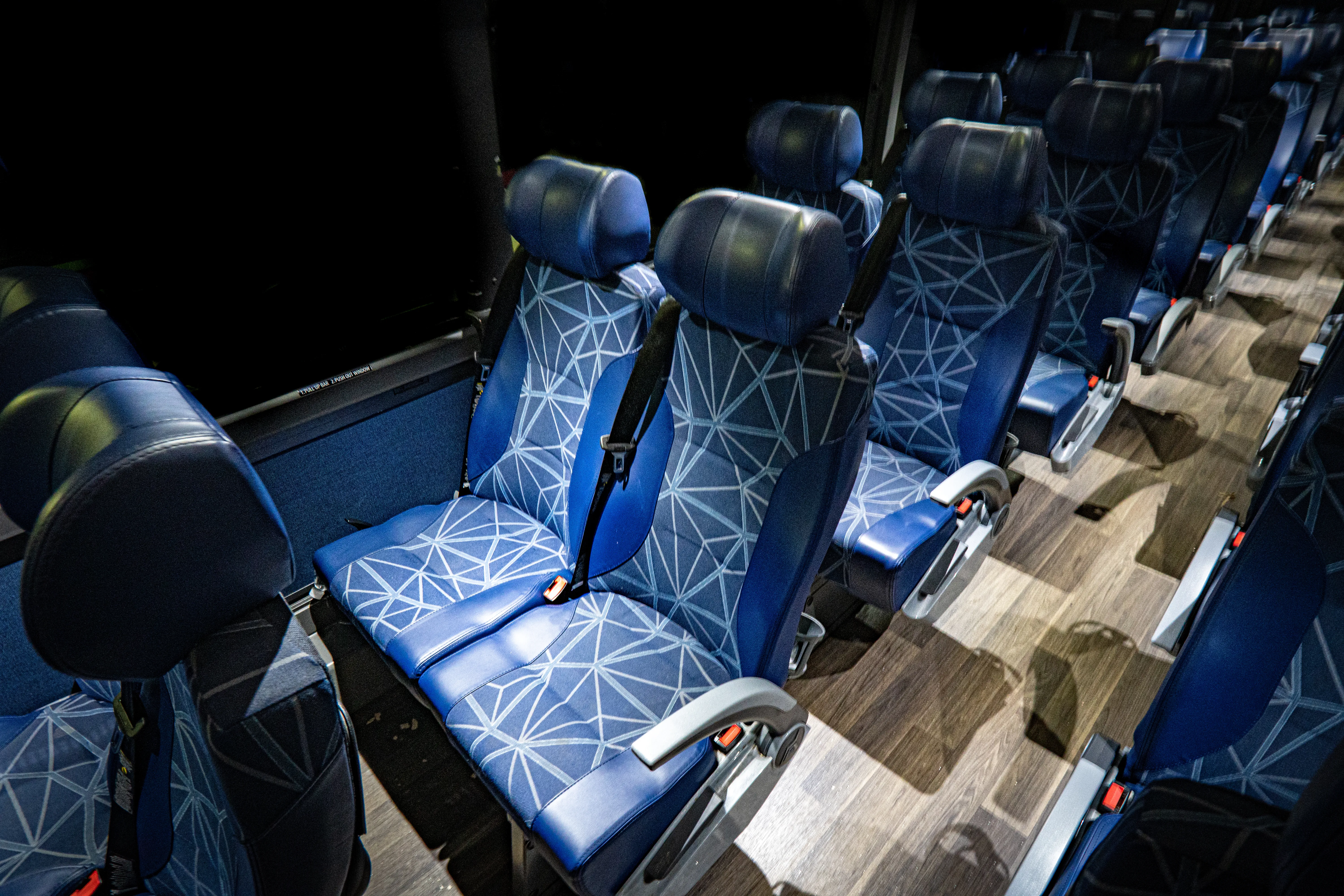
Most modern buses in 2026 are equipped with power outlets, reclining seats, and onboard restrooms. However, the primary drawback is traffic. The I-95 corridor is notorious for delays, particularly around the Delaware Memorial Bridge and the approach to the Lincoln Tunnel. A scheduled 4.5-hour trip can easily stretch to 6 hours during holiday weekends.
Comparative Travel Overview
The following table compares the primary modes of transport for a single adult traveler on a typical midweek journey in 2026.
| Feature | Amtrak (Regional) | Driving (Private Vehicle) | Flying (DCA to LGA) | Regional Bus |
|---|---|---|---|---|
| Average Duration | 3h 50m - 4h 15m | 4h 00m - 5h 30m | 3h 30m - 4h 30m (total) | 4h 30m - 6h 00m |
| Typical Cost (One-Way) | $40 - $180 | $110 - $160 (Gas + Tolls) | $90 - $250 | $25 - $65 |
| Arrival Point | Penn Station (Midtown) | Flexible | LGA / JFK / EWR | Port Authority / Hudson Yards |
| Productivity Level | High (Wi-Fi/Tables) | None (Driver) | Low (Short flight) | Moderate (Wi-Fi) |
| Best For | Business/Comfort | Families/Heavy Luggage | Speed/Frequent Flyers | Budget Travelers |
Navigating New York City Upon Arrival
Once you arrive in NYC, your method of local transport will depend on where you disembarked.
From Penn Station (Amtrak/NJ Transit)
Penn Station is located between 31st and 33rd Streets and 7th and 8th Avenues. It is the hub for the 1, 2, and 3 subway lines (West Side) and the A, C, and E lines (connecting to Port Authority and lower Manhattan). The new Moynihan Train Hall, across 8th Avenue, provides a much-improved waiting area for Amtrak passengers with upgraded food halls and seating.
From Port Authority Bus Terminal
Located at 42nd Street and 8th Avenue, this terminal is a short walk from Times Square. It provides immediate access to almost every major subway line (N, Q, R, W, S, 7, 1, 2, 3, A, C, E).
From the Airports
- LGA: The M60-SBS bus or the LaGuardia Link Q70-SBS are the primary public transit links to the subway system. Taxis and rideshares (Uber/Lyft) to Manhattan typically cost $45–$70 including tolls and tips.
- JFK: The AirTrain is the most reliable way to avoid the Van Wyck Expressway traffic. Take the AirTrain to Jamaica Station, then transfer to the Long Island Rail Road (LIRR) for a 20-minute ride to Grand Central or Penn Station.
- EWR: Take the AirTrain to the Newark Liberty Airport Station, then board an NJ Transit train bound for New York Penn Station. This is often faster than a taxi during rush hour.
Frequently Asked Questions
What is the cheapest way to get from Alexandria to NYC?
The regional bus remains the most economical choice. If booked in advance, tickets on FlixBus or Megabus can be found for under $30. However, travelers should account for potential traffic delays and the cost of getting to the departure point at Union Station.
Is it better to take the train or fly from Alexandria?
For most, the train is superior. The Alexandria Amtrak station allows you to bypass the security lines and "terminal time" associated with Reagan National Airport. Furthermore, the train delivers you directly into Midtown Manhattan, whereas flying requires an additional 45–60 minute commute from the airport to the city center.
Are there direct trains from Alexandria to New York?
Yes, the Amtrak Northeast Regional provides multiple direct daily departures from the Alexandria (ALX) station to New York Penn Station (NYP). There is no need to change trains in Washington, D.C., on these specific routes.
How much are tolls from Alexandria to NYC in 2026?
A one-way trip via the I-95 and NJ Turnpike corridor will cost between $45 and $65 in tolls for a standard two-axle vehicle using E-ZPass. This includes the major Maryland tolls, the Delaware Memorial Bridge, the New Jersey Turnpike, and the tunnel or bridge entry into Manhattan.
Can I use my SmarTrip card in NYC?
No, the Washington-area SmarTrip card is not compatible with the NYC MTA system. However, New York has fully transitioned to the OMNY system. You can pay for subways and buses by tapping any contactless credit/debit card, smartphone, or wearable device at the turnstile. There is no longer a need to purchase a physical MetroCard for most travelers.
Strategic Recommendation
For the optimal balance of cost, time, and stress, the Amtrak Northeast Regional is the recommended choice for travel between Alexandria and NYC. By departing directly from the Alexandria station, you avoid the congestion of I-495 and the complexities of airport security.
If you are traveling with a group of three or more, driving becomes more cost-effective despite the tolls and parking fees. If you choose this route, ensure your vehicle is equipped with a functional E-ZPass to avoid the higher "Toll-by-Plate" administrative fees and ensure you have reserved a parking spot in New York in advance to avoid the stress of searching for a garage in Manhattan.