The Alexander Hamilton Award, primarily associated with the Manhattan Institute, recognizes individuals who embody the principles and administrative brilliance of Alexander Hamilton. While historically focused on urban revitalization and economic growth, recent years have seen a significant shift toward cultural advocacy and educational reform, sparking debate over the award’s evolving mission and its alignment with Hamilton’s original Federalist vision.
As of 2026, the Alexander Hamilton Award remains one of the most prestigious—and scrutinized—honors in the American intellectual and political landscape. Since its inception in 1995, the award has undergone a dramatic transformation. What began as a celebration of pragmatic governance and market-oriented urbanism has evolved into a symbol of the broader "culture wars" currently defining American civic life. This shift has prompted stakeholders, historians, and political analysts to question whether the award still honors the technical statecraft of the first Secretary of the Treasury or if it has become a vehicle for ideological signaling.
Defining the Alexander Hamilton Award: A Brief Disambiguation
To understand the current controversies, one must first identify which "Alexander Hamilton Award" is being discussed. While several organizations use Hamilton’s name, two primary honors dominate the discourse:
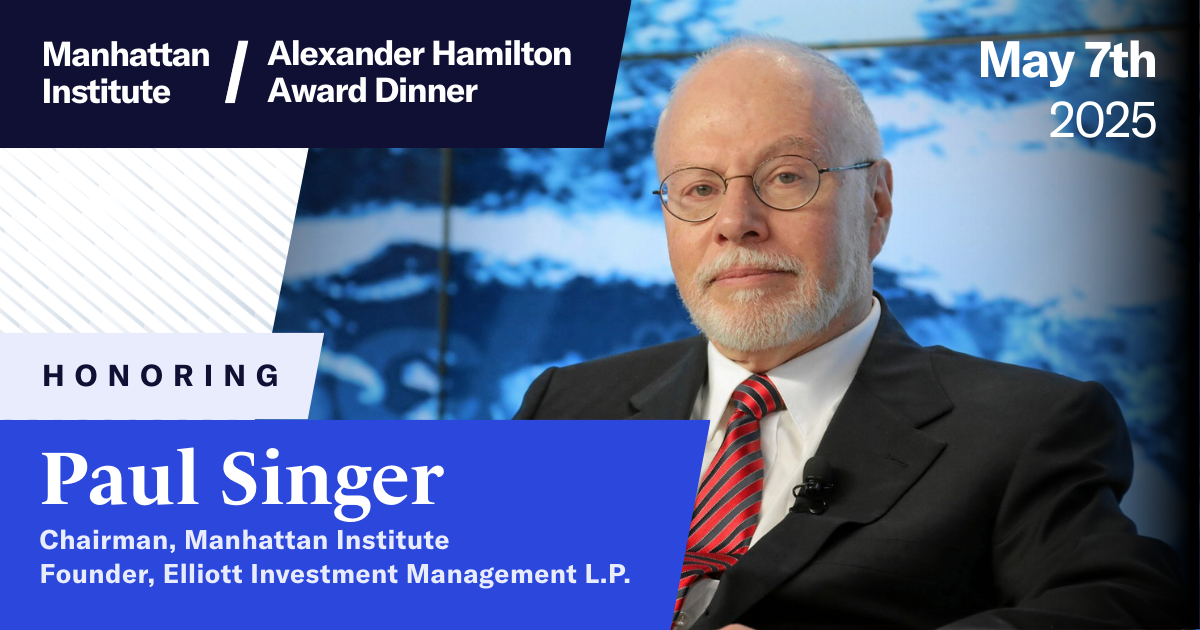
- The Manhattan Institute’s Alexander Hamilton Award: This is the subject of the most intense public debate. It is an annual prize given to individuals who have made significant contributions to the "renewal of the American spirit" and the promotion of Hamiltonian principles.
- The Department of the Treasury’s Alexander Hamilton Award: This is the highest honor bestowed by the Secretary of the Treasury. It is strictly a government service award given to departing officials who have demonstrated exceptional leadership within the federal government’s financial apparatus.
- The Treasury & Risk Alexander Hamilton Awards: These are corporate awards focused on technical excellence in treasury management, finance, and risk assessment within the business sector.
The focus of this analysis is the Manhattan Institute’s Alexander Hamilton Award, as it is the entity currently experiencing a fundamental shift in focus and significant public controversy.
Historical Origins and the Original Hamiltonian Mission
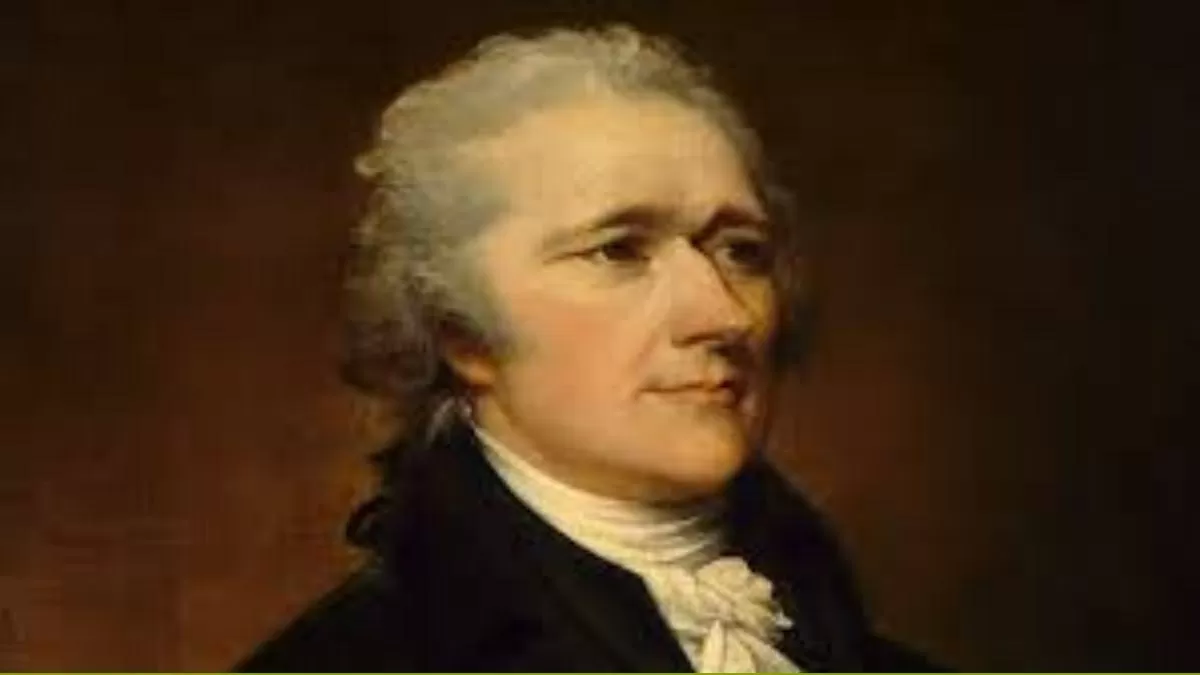
When the Manhattan Institute established the award in 1995, the primary goal was to celebrate the resurgence of American cities. During the 1990s and early 2000s, "Hamiltonianism" was defined through the lens of order, commerce, and effective municipal governance. Alexander Hamilton was viewed not just as a Founding Father, but as the architect of the American commercial republic—a figure who believed in the power of centralized institutions to foster economic prosperity.
Early recipients reflected this pragmatic, often bipartisan approach to governance. Honorees included figures such as Daniel Patrick Moynihan, Michael Bloomberg, and Rudy Giuliani. During this era, the "shift in focus" was toward market-based solutions for urban poverty, the improvement of public safety, and the streamlining of government bureaucracies. The award was a badge of "New Urbanism" and "Broken Windows" policing—ideologies that were controversial in their own right but remained grounded in the technicalities of city management.
The Pivotal Shift in Focus (2020–2026)
Beginning in the early 2020s and accelerating into 2026, the Manhattan Institute redirected the award's prestige. The focus migrated from the "how-to" of urban governance to the "what-for" of cultural identity and institutional reform. This transition reflects a broader realignment within conservative intellectual circles, moving away from a primary focus on economics (neoconservatism or libertarianism) toward a focus on cultural preservation and institutional "recapture."
From Economics to Cultural Advocacy
The most visible sign of this shift has been the selection of recipients whose primary achievements are in the realm of social and educational policy rather than finance or infrastructure. Recent honorees have been selected for their roles in:
- Educational Reform: Targeting curricula and administrative policies in public universities and K-12 schools.
- Institutional Critique: Challenging the prevailing norms of diversity, equity, and inclusion (DEI) frameworks within corporate and governmental bodies.
- Judicial Philosophy: Celebrating jurists who strictly adhere to originalism, reflecting Hamilton’s views on the "least dangerous branch" of government.
This shift is not merely a change in personnel; it represents a fundamental reinterpretation of Hamilton’s legacy. Instead of seeing Hamilton as a proponent of a strong state to support commerce, modern proponents see him as a proponent of a strong state to preserve the moral and cultural foundations necessary for a commercial republic to survive.
Analyzing the Ongoing Controversies
The evolution of the Alexander Hamilton Award has not occurred without friction. The ongoing controversy can be categorized into three distinct areas of debate: the politicization of the award, the "Hamiltonian" accuracy of the recipients, and the impact on donor and public perception.
1. Allegations of Ideological Narrowing
Critics argue that the award has moved from a broad-tent celebration of American excellence to a narrow political endorsement. In the past, the Manhattan Institute was willing to honor Democrats (like Alice Rivlin or Paul Volcker) whose work aligned with Hamiltonian principles of fiscal responsibility.
The controversy arises from the perception that the award is now exclusively reserved for "culture warriors." Detractors claim this diminishes the award’s prestige, turning a once-unifying symbol of civic achievement into a polarizing trophy for the American Right.
2. The Battle Over Hamilton’s Legacy
Historical accuracy is a central theme in the ongoing controversy. Scholars of the early republic often debate whether Hamilton would actually support the causes championed by modern recipients.
- The Pro-Shift Argument: Supporters of the new focus argue that Hamilton was a nationalist who believed in a cohesive American identity. They suggest that modern efforts to reform education and challenge institutional norms are a direct extension of Hamilton’s desire for a disciplined, unified citizenry.
- The Anti-Shift Argument: Critics argue that Hamilton was a pragmatist concerned with credit, debt, and manufacturing. They posit that he would find modern culture-war issues secondary to the stability of the global financial system and the technical efficiency of the state.
3. Impact on Institutional Reputation
The shift has also caused internal debates among the Manhattan Institute’s traditional donor base. While many newer donors are energized by the focus on cultural issues, some legacy donors—who were attracted to the institute’s original focus on urban economics—have expressed concern that the award’s brand is being diluted by partisan aesthetics.
| Era | Primary Focus | Representative Recipients | Core Philosophy |
|---|---|---|---|
| 1995–2010 | Urban Renewal & Finance | Rudy Giuliani, Paul Volcker | Economic stability, crime reduction, and market-driven governance. |
| 2011–2020 | Educational Choice & Policy | Bobby Jindal, Betsy DeVos | Improving public systems through competition and choice. |
| 2021–2026 | Cultural & Institutional Reform | Christopher Rufo, Ron DeSantis | Reclaiming institutions from perceived ideological capture; social policy. |
The Selection Process and Criteria
To understand the shift, one must examine how the Manhattan Institute selects its winners. The process is handled by the Board of Trustees, often influenced by the institute’s senior fellows.
Eligibility and Prerequisites
The award does not have an open application process. Instead, it is a curated selection. The criteria have traditionally included:
- Demonstrated Impact: The individual must have moved the needle on a major policy or cultural issue.
- Alignment with "Hamiltonian" Thought: This is the most subjective criterion and where the recent "shifts" have manifested. In 2026, "Hamiltonian thought" is increasingly defined as the defense of Western liberal traditions and the rule of law against modern social movements.
- Courage in the Public Square: Recent awards have emphasized "intellectual bravery," honoring those who take unpopular stances in academia or the media.
The Department of the Treasury’s Version: A Contrast
While the Manhattan Institute’s award faces ideological scrutiny, the U.S. Department of the Treasury’s Alexander Hamilton Award faces a different set of challenges. In 2026, this version of the award has been focused on the technical challenges of digital currency integration and the management of national debt in a high-interest-rate environment.
The Treasury’s award is strictly non-partisan in its formal criteria, though it is usually awarded by the sitting Secretary to their most senior departing colleagues. The "controversy" here is rarely ideological; instead, it usually involves internal government politics or criticisms regarding the recipient's handling of specific economic crises.
Accessing Information and Verification
For researchers or members of the public looking to verify the history of these awards, several steps should be taken:
- Official Archives: The Manhattan Institute maintains a complete list of past winners on its official website. This is the best source for tracking the "shift in focus" over the decades.
- Press Releases: Reviewing the citations for each award is crucial. The language used in the 1990s (focusing on "fiscal discipline") differs markedly from the language used in 2026 (focusing on "civilizational confidence").
- Treasury Records: The U.S. Treasury Department’s history office maintains records of the governmental version of the award, which can be accessed via FOIA requests or official departmental publications.
Frequently Asked Questions
Is the Alexander Hamilton Award a partisan honor?
Originally, it was considered a non-partisan or bipartisan award focused on civic governance. However, in the current landscape of 2026, the Manhattan Institute’s version is widely viewed as a conservative-leaning honor, given its recent focus on recipients who are prominent in conservative policy circles.
How does the Manhattan Institute justify the "shift in focus"?
The Institute generally argues that the greatest threats to the "American Spirit" (a core component of the award's mission) have changed. While the 1990s were threatened by urban decay and crime, the 2020s are viewed by the Institute as being threatened by institutional rot and cultural fragmentation.
Can someone be stripped of an Alexander Hamilton Award?
There is no historical precedent for a recipient being stripped of the Manhattan Institute’s Alexander Hamilton Award. Once the Board of Trustees confers the honor, it is considered a permanent part of the award’s history, regardless of later controversies surrounding the individual.
Is there a cash prize associated with the award?
For the Manhattan Institute version, the award is primarily a recognition of achievement and a platform for the recipient to speak at the annual Hamilton Award Dinner. It is more about prestige and networking within influential policy circles than a monetary grant.
What is the most controversial award given to date?
As of 2026, the awards given in the 2023–2024 period remain the most discussed. These recipients were central figures in the "anti-DEI" movement and Florida’s educational reforms, which sparked national protests and intense media debate, highlighting the award’s move into the heart of American cultural conflict.
Practical Recommendation: Navigating the Information
If you are researching the Alexander Hamilton Award for academic or journalistic purposes, it is essential to triangulate your sources. Because the award has become a lightning rod for political discourse, descriptions of the award from third-party sources are often heavily biased.
- First, read the Manhattan Institute's own "Award Citation" for the specific year in question to understand their stated rationale.
- Second, compare this with contemporary news coverage from both conservative and liberal-leaning outlets to gauge the public reaction.
- Third, consult with historians of the Early Republic to determine how the recipient's work aligns with (or diverges from) the actual historical record of Alexander Hamilton.
By understanding that the award is currently a dynamic entity—reflecting the internal changes of the American conservative movement—you can better interpret why its focus has shifted and why the controversy surrounding it is unlikely to dissipate in the near future.