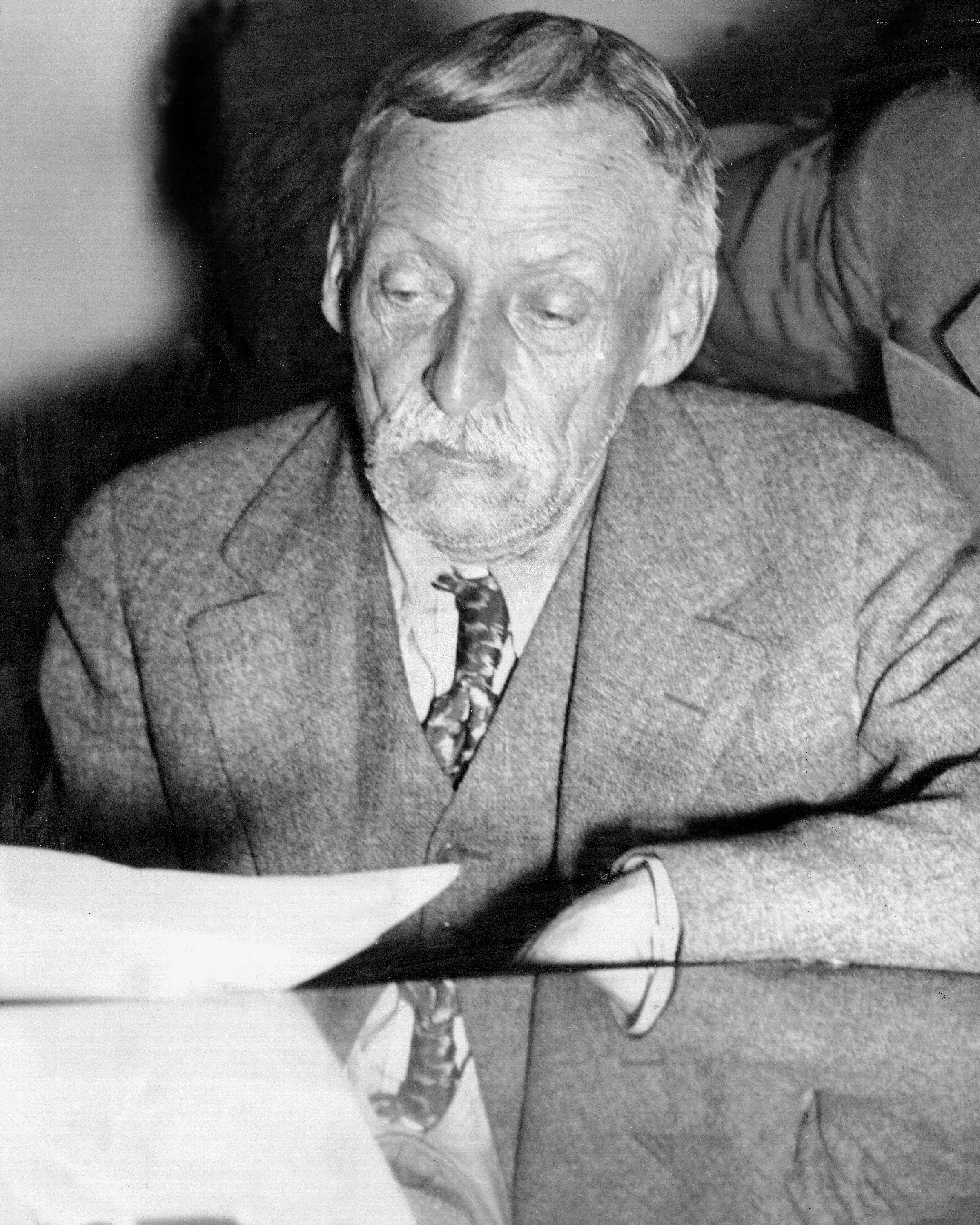
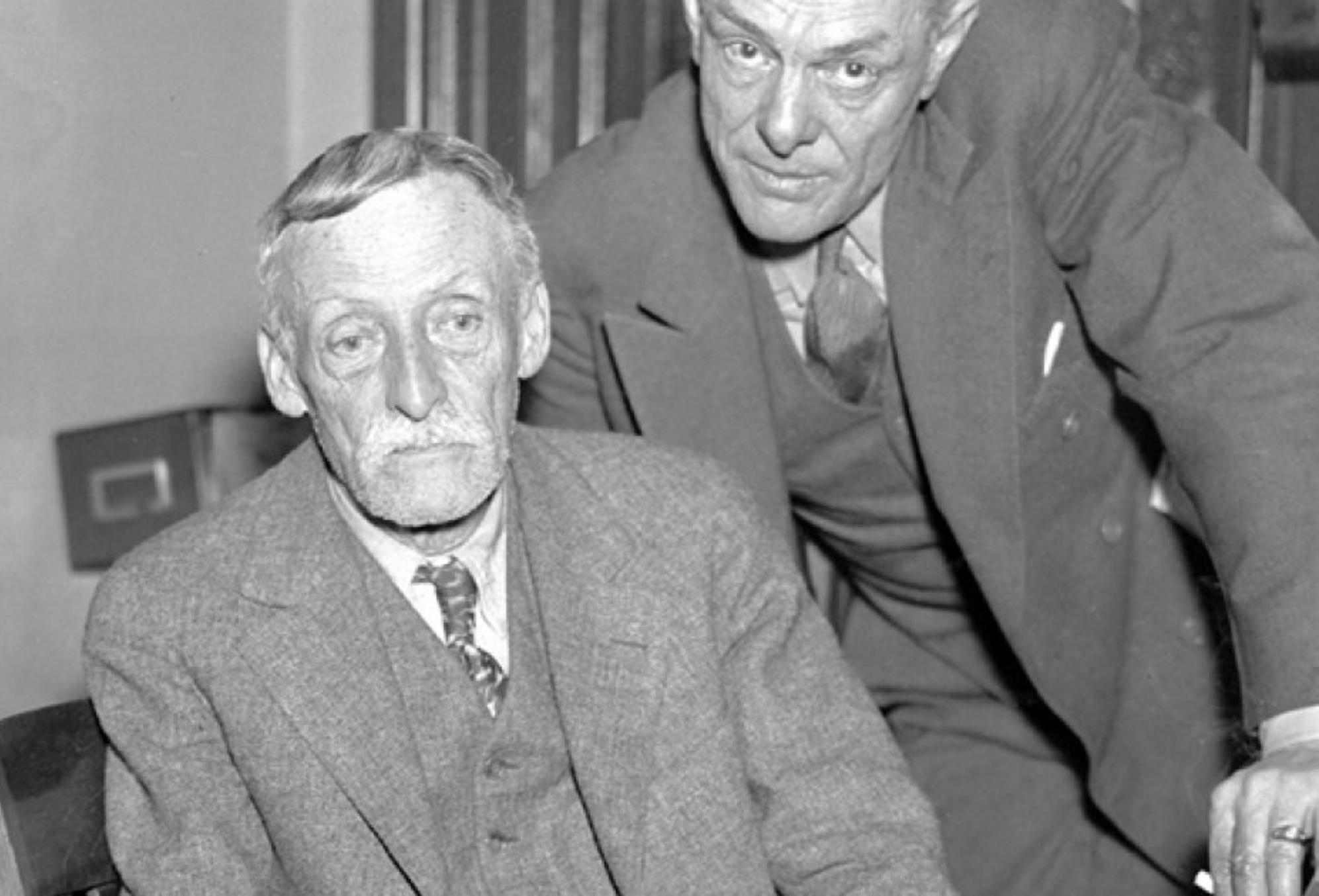
Albert Fish was executed by electrocution on January 16, 1936, at Sing Sing Correctional Facility in Ossining, New York. His death followed a conviction for the 1928 kidnapping and murder of ten-year-old Grace Budd. Despite a rigorous legal defense centered on chronic insanity and extreme masochistic behavior, the jury found him legally sane and responsible for his crimes.
The execution of Albert Fish remains one of the most documented and debated capital punishment cases in American history. It marked the end of a multi-state investigation into a man who claimed to have harmed hundreds of children. As of 2026, the case is still frequently analyzed by forensic psychologists and historians seeking to understand the intersection of severe mental illness and the legal standards of the early 20th century.
The Path to the Execution: The Murder of Grace Budd
The specific event that led to Albert Fish’s death was the murder of Grace Budd. In June 1928, Fish introduced himself to the Budd family under the alias "Edward Budd," claiming he wanted to take their young daughter to a birthday party. Instead, he took her to a derelict property known as Wisteria Cottage in Westchester County, where he committed the murder.
The case remained cold for six years until Fish made a critical error. In 1934, he sent a graphic, taunting letter to the Budd family describing the crime. This letter was traced back to a rooming house through a logo on the stationery, leading to his arrest by Detective William King. Upon his capture, Fish confessed not only to the Budd murder but to several other killings, providing gruesome details that shocked even seasoned investigators.
The 1935 Trial and the Insanity Defense
The trial of Albert Fish, which began in March 1935 in White Plains, New York, was primarily a battle over his mental state rather than his guilt. Fish’s defense attorney, James Dempsey, did not argue that Fish was innocent of the act; instead, he argued that Fish was "insane within the meaning of the law."
The M’Naghten Rule in 1935
During this era, New York used a strict interpretation of the M’Naghten Rule. To be found not guilty by reason of insanity, the defense had to prove that the defendant suffered from a defect of reason such that they did not know the nature and quality of the act they were doing, or if they did know it, they did not know the act was wrong.
Dr. Fredric Wertham, a prominent psychiatrist who examined Fish, testified that Fish was the most "profoundly distorted" individual he had ever encountered. He argued that Fish’s myriad of paraphilias—including coprophagia, masochism, and cannibalism—rendered him incapable of moral judgment. However, the prosecution countered this by highlighting Fish's efforts to conceal his crimes, use aliases, and evade capture for six years. They argued these actions proved he knew his behavior was legally and socially "wrong."
The Verdict
The jury deliberated for only three hours before returning a verdict of guilty of murder in the first degree. On May 14, 1935, Supreme Court Justice Frederick Close sentenced Fish to death by electrocution.
Pre-Execution Medical Discoveries: The Needles
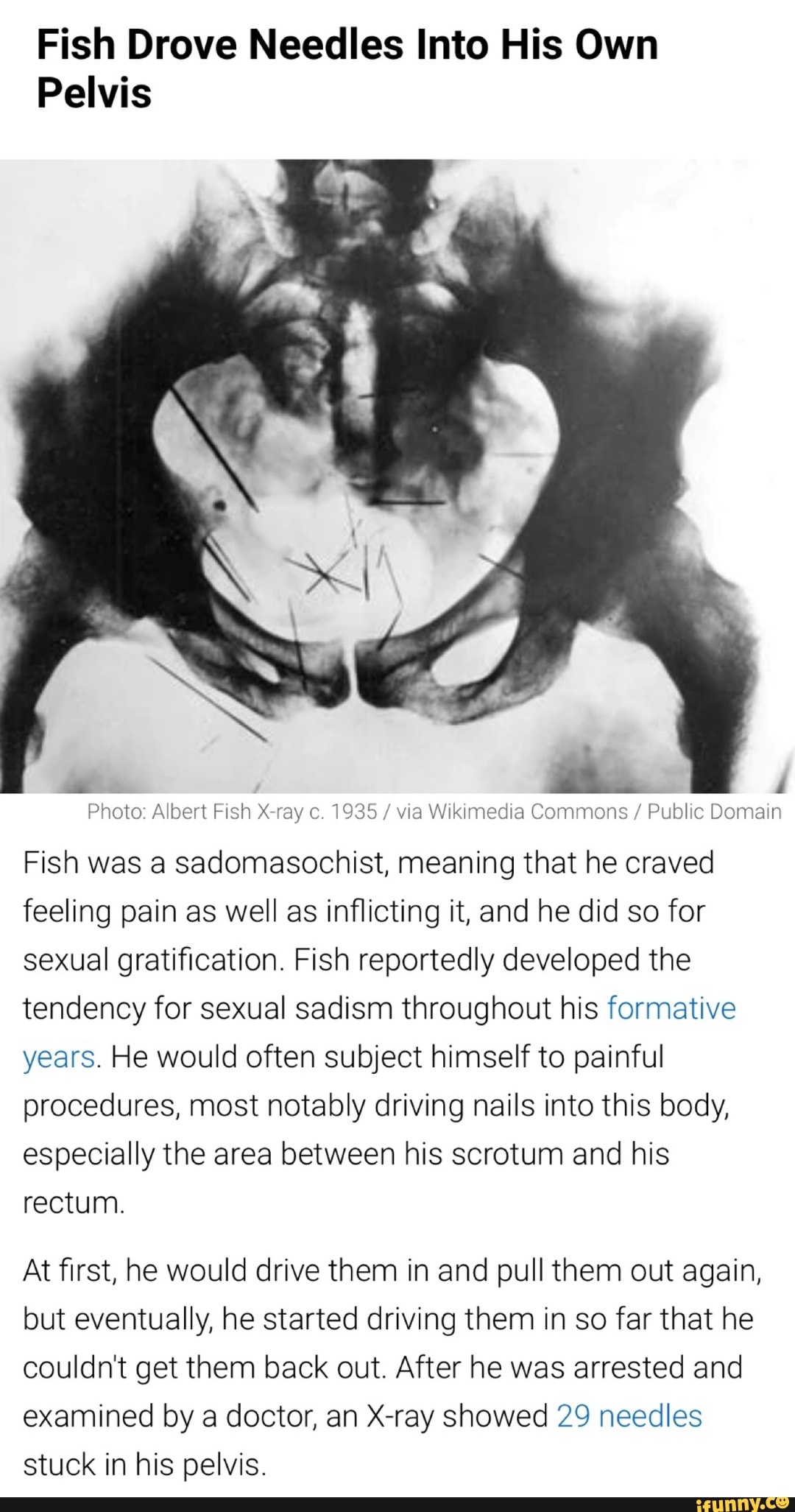
One of the most technically significant aspects of the Albert Fish case involves the medical examinations performed while he was on death row at Sing Sing. Fish had long claimed to be a masochist who derived pleasure from physical pain. To prove this, doctors took X-rays of his pelvic region.
The results were unprecedented in medical history. The X-rays revealed at least 29 sewing needles embedded deep within the soft tissue of his groin and pelvic area. Fish had inserted these needles into himself over several years. This discovery confirmed his extreme masochism but did not alter his legal status. For the prison authorities, it presented a potential technical challenge: there were concerns that the metal needles inside his body might interfere with the flow of electricity during his execution.
The Mechanics of the Execution
On the night of January 16, 1936, Albert Fish was led to the death chamber at Sing Sing. The execution was carried out using the infamous electric chair known as "Old Sparky."
The Executioner and the Procedure
The executioner was Robert G. Elliott, the state’s official electrician who also carried out the executions of Sacco and Vanzetti and Bruno Hauptmann. The procedure followed a strict protocol:
- Preparation: The prisoner’s head and one leg were shaved to ensure better contact with the electrodes.
- Electrodes: A copper cap containing a sponge soaked in brine (to conduct electricity) was placed on the head. A second electrode was attached to the shaved leg.
- The Jolts: Elliott applied an initial high-voltage surge of approximately 2,000 volts to cause immediate unconsciousness, followed by a lower voltage to damage internal organs and ensure the heart stopped.
Fish reportedly assisted the guards in adjusting the electrodes, famously stating, "I don't even know why I'm here."
| Execution Detail | Specification |
|---|---|
| Date of Execution | January 16, 1936 |
| Time of Death | 11:08 PM |
| Location | Sing Sing Correctional Facility, Ossining, NY |
| Executioner | Robert G. Elliott |
| Method | Electrocution ("Old Sparky") |
| Primary Voltage | Approx. 2,000 Volts |
| Confirmed Deaths | 3 (Grace Budd, Billy Gaffney, Francis McDonnell) |
Debunking the "Short-Circuit" Myth
A persistent urban legend suggests that the needles in Albert Fish’s body caused a short circuit during his execution, requiring multiple attempts to kill him. This claim has been largely debunked by historical records and the witness accounts of those present in the chamber.
While it is true that the execution of a person with significant metal implants could theoretically alter the path of the current, Elliott’s logs and the official reports from Sing Sing indicate that the execution proceeded without technical failure. Fish was pronounced dead after the standard application of current. The myth likely grew out of Fish’s own boasts before his death that it would be a "supreme thrill" to be electrocuted, combined with the public's fascination with his self-inflicted needle injuries.
Psychological and Forensic Legacy
The death of Albert Fish marked a turning point in the study of serial offenders. His case provided a foundational look at "lust murder" and the complexities of psychopathy combined with severe paraphilia.
Impact on the Insanity Defense
The failure of Fish’s insanity defense despite his obvious and extreme mental deviations highlighted the limitations of the M’Naghten Rule. It sparked decades of debate among legal scholars about whether the law should account for "irresistible impulses" or whether "moral insanity" should be a valid defense.
Modern Analysis
As of 2026, modern profiling techniques often use Fish as a case study for the "organized/disorganized" typology. While his life appeared disorganized, his ability to lure victims and evade police for years showed a level of predatory organization that modern forensic science identifies as a hallmark of a specific type of serial offender.
Summary of the Grace Budd Case Timeline
To fully explain the context of Fish's death, one must look at the timeline of the crime that ultimately brought him to the electric chair:
- June 1928: Fish kidnaps Grace Budd from her home in Manhattan.
- November 1934: Fish sends the "confession letter" to the Budd family.
- December 1934: Detective William King arrests Fish at a rooming house at 200 East 121st Street.
- March 1935: The trial begins in White Plains.
- May 1935: Fish is sentenced to death.
- January 16, 1936: The sentence is carried out at Sing Sing.
Frequently Asked Questions
Did Albert Fish really enjoy his execution?
According to witnesses and guards, Fish expressed a morbid curiosity about the electric chair, referring to it as the "only thrill I haven't tried." However, whether he actually experienced "pleasure" during the process is impossible to verify, as the initial surge of 2,000 volts is designed to cause immediate unconsciousness by paralyzing the central nervous system.
Where is Albert Fish buried?
Following his execution, Albert Fish's body was not claimed by his family. He was buried in the Sing Sing Prison Cemetery, also known as "Hunter’s Island." His grave was marked only by a number, consistent with the prison's policy for unclaimed remains of executed inmates.
How many people did Albert Fish actually kill?
While Fish was only convicted for the murder of Grace Budd, he confessed to at least three specific murders: Grace Budd, Billy Gaffney, and Francis McDonnell. He made various claims about killing scores of other children across different states, but many of these claims could never be verified by law enforcement.
Why was his execution not stopped due to his mental health?
In 1936, the legal definition of "sanity" was very narrow. Because Fish showed "consciousness of guilt" by using aliases and hiding bodies, the court ruled he knew his actions were illegal. Under the laws of the time, being a "sexual psychopath" or having extreme delusions did not automatically exempt a person from the death penalty if they understood the illegality of their actions.
What happened to the needles found in his body?
The needles remained inside Fish's body during the execution and were buried with him. The X-ray plates themselves became part of the forensic evidence and have been reproduced in numerous medical and true crime publications to illustrate the extent of his masochistic behavior.
Final Practical Note
For researchers or students studying the Albert Fish case in 2026, the most authoritative records remain the trial transcripts of The People of the State of New York v. Albert Fish and the investigative files of the Westchester County District Attorney's office. These documents provide the most objective look at the evidence that led to his execution, stripping away the sensationalism that has accumulated around the "Gray Man" over the last century.