Albert Cohen, primarily through his leadership at Cohen Partners, LLC, specializes in sophisticated life insurance solutions designed for high-net-worth individuals, business owners, and families. His approach integrates life insurance into broader financial plans, focusing on estate liquidity, premium financing, and tax-efficient wealth transfer to protect multi-generational assets.
The landscape of life insurance in 2026 requires more than a simple policy purchase; it demands a strategic alignment of death benefits, cash value growth, and tax mitigation. For clients seeking the expertise of Albert Cohen or similar high-level brokerages, understanding the interplay between insurance products and current estate law is essential. Whether the goal is to fund a buy-sell agreement or to ensure that a family estate remains intact after the sunset of favorable tax provisions, the right structure is paramount.
The Role of Albert Cohen and Cohen Partners in Modern Risk Management
Albert Cohen is a recognized figure in the insurance brokerage industry, particularly within the New York metropolitan area and among national high-net-worth circles. As the President of Cohen Partners, LLC, he has built a reputation for handling complex risk portfolios that extend beyond standard personal lines. In the context of life insurance, his firm acts as an intermediary between affluent clients and top-tier insurance carriers, tailoring policies that serve as financial instruments rather than just safety nets.
In 2026, the brokerage's role has become increasingly technical. With the fluctuations in interest rates over the past few years and the resulting impact on policy crediting rates, clients require active management of their insurance portfolios. Cohen Partners emphasizes a "boutique" level of service, meaning that policies are not merely "set and forgotten" but are reviewed for performance against original projections. This is particularly important for permanent life products where the internal cost of insurance (COI) can fluctuate.
Professional Scope and Expertise
The expertise associated with the Albert Cohen name typically covers:
- Estate Liquidity Planning: Ensuring cash is available to pay federal and state estate taxes without forced asset liquidation.
- Executive Benefits: Designing "Golden Handshake" or "Golden Handcuff" programs for key employees using life insurance.
- Private Placement Life Insurance (PPLI): For ultra-high-net-worth clients seeking institutional investment options within a tax-advantaged wrapper.
- Complex Underwriting: Navigating the medical and financial requirements for multi-million dollar death benefits.
Primary Life Insurance Products Offered
When engaging with a high-level specialist like Albert Cohen, the conversation usually moves past simple Term Life insurance into permanent structures. While Term Life remains a tool for short-term debt protection, the focus for wealth preservation is almost always on policies that build cash value and offer lifetime coverage.
Universal Life Insurance (UL)
Universal Life is often the cornerstone of high-net-worth planning because of its flexibility. Unlike Whole Life, which has fixed premiums, UL allows the policyholder to adjust their payments and death benefits. In 2026, Indexed Universal Life (IUL) remains popular. These policies credit interest based on the performance of a market index (like the S&P 500) while providing a "floor" to protect against market losses. Albert Cohen’s strategies often involve using IULs for their "tax-free" income potential via policy loans.
Whole Life Insurance
For clients who prioritize guarantees, Whole Life insurance provides a fixed premium, a guaranteed death benefit, and a guaranteed rate of return on cash value. Participating policies may also pay dividends. While more expensive than other options, the predictability of Whole Life makes it an excellent vehicle for funding Irrevocable Life Insurance Trusts (ILITs), ensuring that the exact amount needed for estate taxes is available regardless of market conditions.
Variable Universal Life (VUL)
VUL policies allow the policyholder to invest the cash value in sub-accounts, similar to mutual funds. This offers the highest growth potential but carries the most risk. In a 2026 financial environment, VULs are frequently used by younger high-earners who have a higher risk tolerance and want their life insurance to double as a significant investment engine.
Estate Planning and the 2026 Tax Environment
The year 2026 marks a significant turning point in life insurance planning due to the sunset of several provisions from the Tax Cuts and Jobs Act (TCJA) of 2017. As of January 1, 2026, the federal estate tax exemption has effectively been cut in half (from approximately $13 million per person to roughly $7 million, adjusted for inflation).
Addressing the Liquidity Gap
For families with estates valued above the new, lower exemption thresholds, the federal government may claim up to 40% of the estate’s value in taxes. If the estate consists primarily of real estate, private business interests, or art, there may not be enough cash to pay the tax bill. Life insurance underwritten through specialists like Albert Cohen provides the necessary liquidity. By holding the policy inside an Irrevocable Life Insurance Trust (ILIT), the death benefit itself is generally excluded from the taxable estate, providing "tax-free dollars to pay a tax bill."
Business Succession Planning
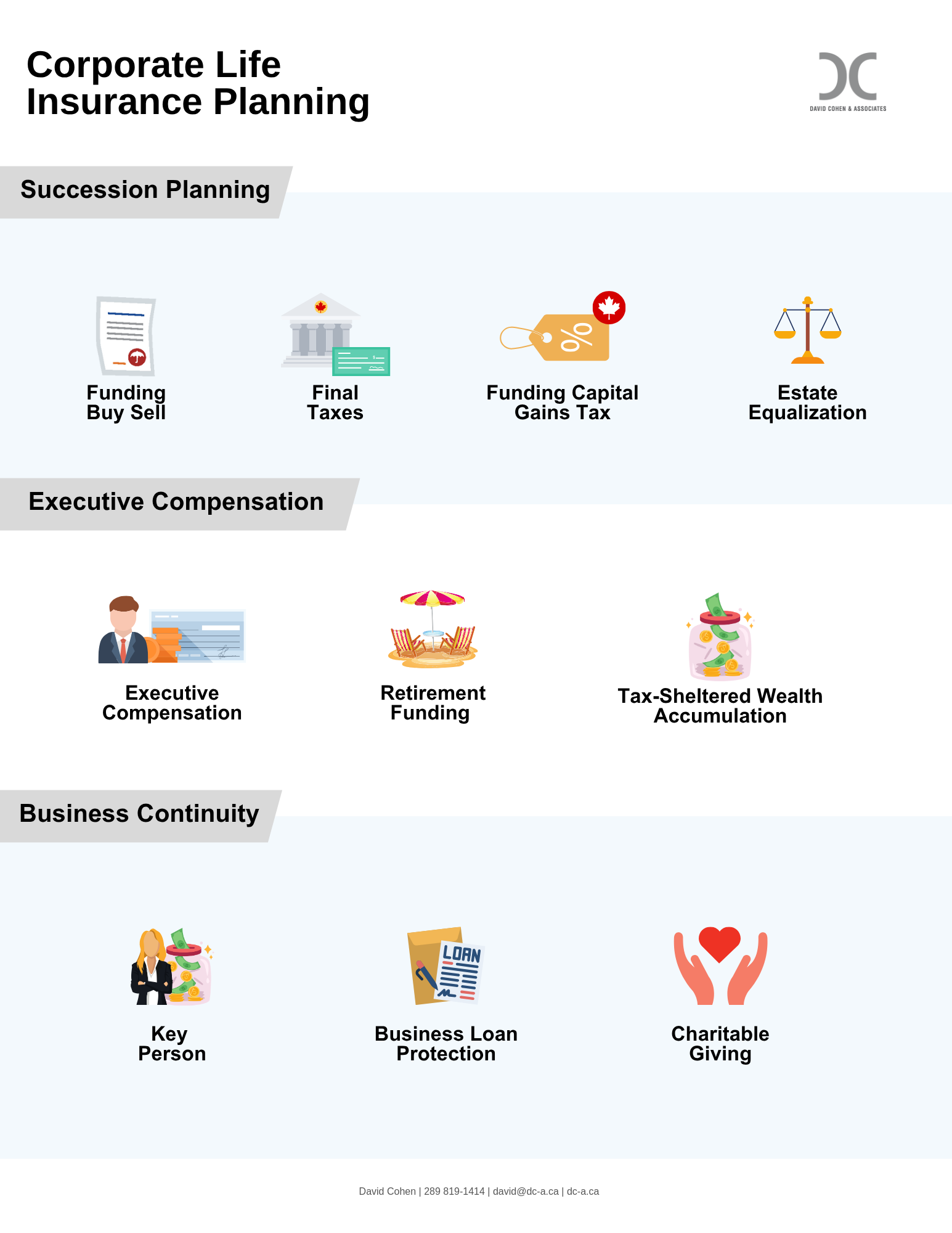
For business owners, Albert Cohen’s services often intersect with succession planning. Life insurance is the most cost-effective way to fund a Buy-Sell Agreement. If a partner passes away, the surviving partners receive the insurance proceeds to buy out the deceased partner’s heirs. This ensures the business continues without interruption and the heirs receive fair market value in cash.
Advanced Strategies: Premium Financing
A hallmark of sophisticated insurance brokerage is the use of Premium Financing. This strategy is often employed by clients of Albert Cohen who have high net worth but do not want to liquidate high-performing assets to pay large insurance premiums.
How Premium Financing Works
Instead of the client paying the premium out of pocket, they borrow the funds from a third-party lender. The life insurance policy (and sometimes additional collateral) secures the loan.
- The Loan: The lender pays the annual premium to the insurance carrier.
- The Growth: The policy’s cash value grows, ideally at a rate higher than the loan’s interest rate (the "spread").
- The Exit: Upon the death of the insured, the loan is repaid from the death benefit, and the remaining proceeds go to the beneficiaries. Alternatively, the loan can be repaid during the insured's lifetime using the policy's accumulated cash value.
In 2026, this strategy requires careful monitoring. If interest rates are high, the "spread" may narrow, requiring the client to post more collateral or increase out-of-pocket interest payments. Specialist brokers provide the annual stress tests necessary to ensure these programs remain viable.
The Underwriting Process for High-Limit Policies
Acquiring a policy with a death benefit in the tens of millions—common in the world of Albert Cohen—is a rigorous process that goes far beyond a simple medical exam.
Medical Underwriting
Insurance carriers for high-limit policies require comprehensive medical records, including EKGs, blood panels, and sometimes cognitive testing for older applicants. Specialists in this field work with "underwriting advocates" to present a client’s health profile in the best possible light, often negotiating with multiple carriers to find the best "rating" (e.g., Super Preferred vs. Standard).
Financial Underwriting
The insurance company must justify the amount of insurance being applied for. This involves:
- Income Verification: To justify the "human life value."
- Net Worth Statements: To justify the "estate preservation" need.
- Third-Party Documentation: Often requiring letters from CPAs or tax attorneys.
Cohen Partners facilitates this by acting as a project manager, coordinating between the client’s legal team, the medical examiners, and the insurance company’s home office.
Comparing Life Insurance Structures for 2026
The following table compares the three most common permanent life insurance structures utilized by high-net-worth clients to manage wealth and risk.
| Feature | Whole Life | Indexed Universal Life (IUL) | Variable Universal Life (VUL) |
|---|---|---|---|
| Premium Payments | Fixed and Mandatory | Flexible within limits | Flexible within limits |
| Cash Value Growth | Guaranteed Minimum + Dividends | Linked to Market Index (S&P 500) | Directly invested in Sub-accounts |
| Downside Risk | None (Guaranteed) | Floor (usually 0%) | Market-based (can lose value) |
| Upside Potential | Moderate/Stable | Capped (e.g., 8-10%) | Uncapped (Market Performance) |
| Primary Use Case | Estate Tax Liquidity / ILITs | Supplemental Tax-Free Income | Long-term Wealth Accumulation |
| Management Need | Low | Moderate (Annual Review) | High (Active Rebalancing) |
Compliance and Verification
When working with an insurance professional like Albert Cohen, it is important to verify their standing and the validity of the products offered. In the United States, insurance is regulated at the state level.
- State Insurance Departments: You can verify a broker’s license through the New York Department of Financial Services (or the relevant state where you reside).
- FINRA BrokerCheck: If the broker is selling Variable Life insurance, they must also be a registered representative with FINRA. You can check their "CRD number" on the FINRA BrokerCheck website.
- Carrier Ratings: Always ensure the insurance carrier being recommended has a high financial strength rating from agencies like A.M. Best (A or A++), Moody's, or Standard & Poor's.
Frequently Asked Questions
Is Albert Cohen an insurance company?
No, Albert Cohen (and Cohen Partners) is an insurance brokerage and advisory firm. They do not issue the policies themselves; instead, they represent the client to major insurance carriers such as Prudential, MassMutual, New York Life, or Pacific Life to find the best terms and pricing.
Why is life insurance important in 2026 specifically?
The primary reason is the reduction of the federal estate tax exemption. Many families who were previously "exempt" from estate taxes under the 2018–2025 rules are now subject to them. Life insurance is the most efficient tool to provide the liquidity needed to pay these taxes without selling off family assets.
What is "Key Person" insurance?
This is a policy purchased by a business on the life of a crucial employee or owner. Albert Cohen often structures these to protect a company from the financial loss that would occur if a "key person" died, providing funds to find a replacement or to pay off business debts.
Can I change my life insurance policy if it was written years ago?
Yes, this is known as a Section 1035 Exchange. It allows you to transfer the cash value of an old, underperforming policy into a new, more efficient policy without triggering a taxable event. Given the product innovations available in 2026, many clients are finding that newer policies offer better features or lower costs than those written ten or twenty years ago.
How does the death benefit remain tax-free?
Under Internal Revenue Code Section 101(a), life insurance death benefits are generally received by the beneficiary free of federal income tax. However, to keep the benefit out of your taxable estate, the policy should ideally be owned by a third party or an Irrevocable Life Insurance Trust (ILIT).
Summary and Next Actions
The services associated with Albert Cohen life insurance represent the intersection of risk management and high-level financial engineering. In the 2026 economic environment, where tax exemptions have narrowed and market volatility remains a factor, the structure of your life insurance is as important as the death benefit amount.
Recommended Next Actions:
- Conduct a Policy Audit: If you have existing permanent life insurance, have a specialist review the "in-force illustrations" to ensure the policy is still on track to meet its goals.
- Evaluate Estate Tax Exposure: Consult with a tax professional to see how the 2026 exemption changes affect your specific estate.
- Explore Premium Financing: If you require a large amount of coverage (over $5 million) but prefer to keep your capital invested, ask your advisor if premium financing is a viable option for your cash flow profile.
- Verify Licensing: Before sharing sensitive financial data, verify your broker's credentials through the appropriate state insurance department and FINRA BrokerCheck.