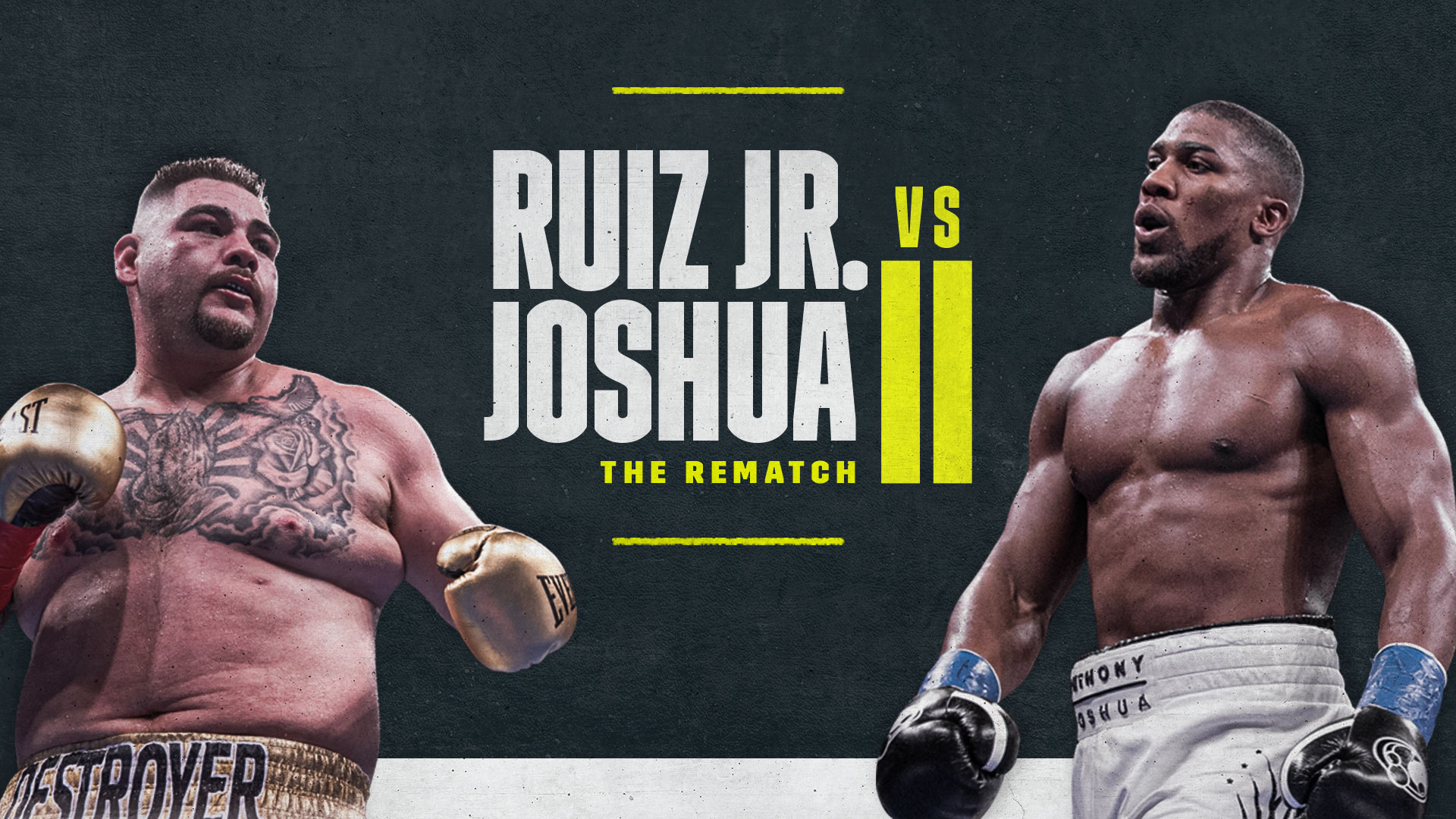
The AJ vs Ruiz Rematch December 2019 decision was a unanimous points victory for Anthony Joshua over Andy Ruiz Jr., held on December 7, 2019, at the Diriyah Arena in Saudi Arabia, which saw Joshua successfully reclaim the WBA (Super), IBF, WBO, and IBO heavyweight world titles.
Introduction to the Clash in Diriyah
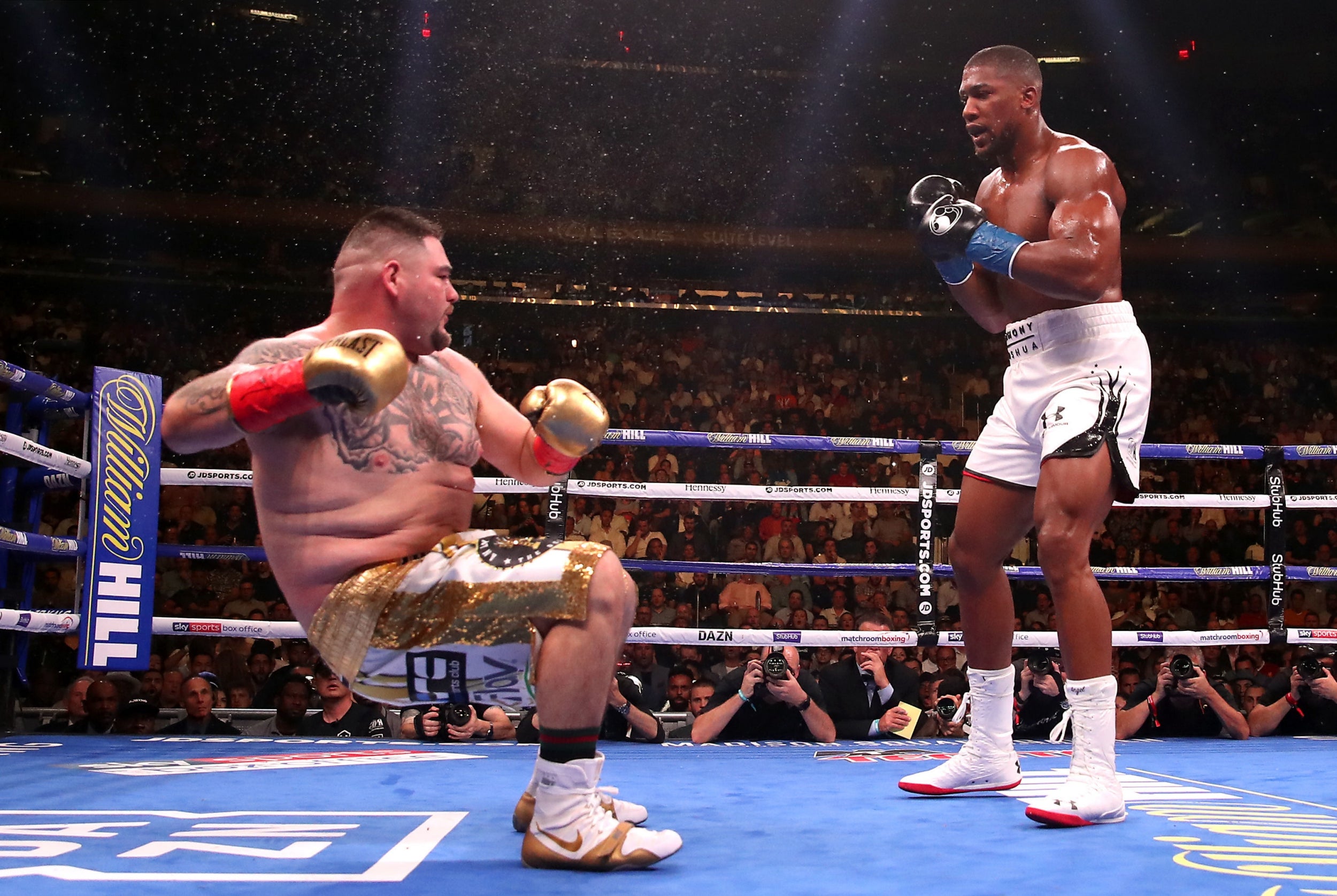
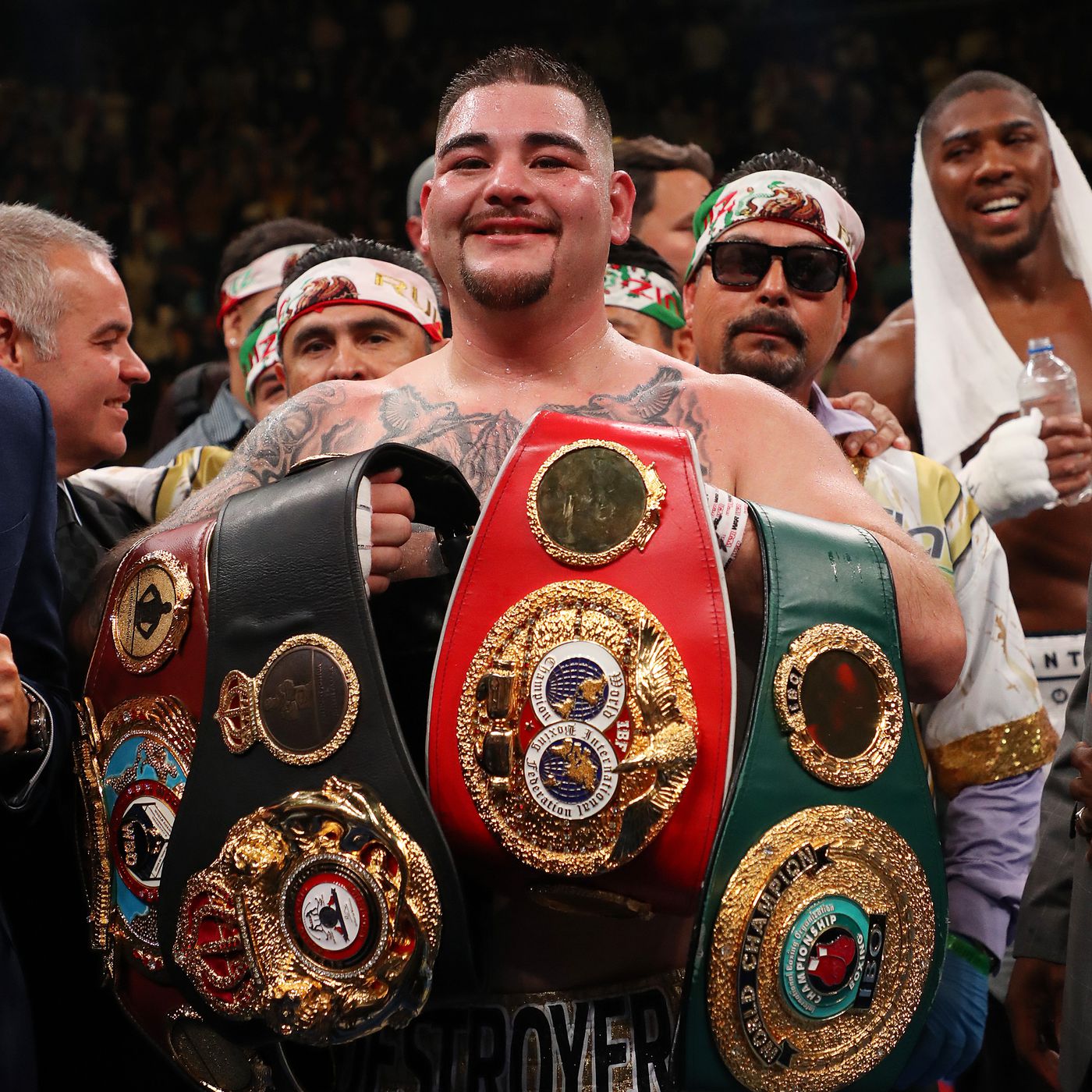
The heavyweight landscape underwent a seismic shift on June 1, 2019, when the Mexican-American underdog Andy Ruiz Jr. stepped in as a late replacement to face the undefeated unified champion Anthony Joshua at Madison Square Garden. Ruiz stunned the boxing world by dropping Joshua four times, leading to a seventh-round technical knockout (TKO) and capturing all four major sanctioning body belts. This upset immediately entered the pantheon of boxing history alongside legendary shocks like Buster Douglas defeating Mike Tyson.
Boxing promoters, fans, and media immediately turned their attention to the contractual rematch clause. The return bout, officially dubbed "Clash on the Dunes," was scheduled for December 7, 2019. Staged in a purpose-built outdoor 15,000-seat stadium in Diriyah, Saudi Arabia, the event represented a historic milestone as the first heavyweight championship fight to take place in the Middle East.
When the final bell sounded after twelve tactical, high-stakes rounds, the three judges at ringside scored the contest clearly in favor of the challenger-turned-champion. This comprehensive look examines the judges' scorecards, the strategic shifts implemented by both fighters, the tactical dynamics of the bout, and the enduring legacy of the decision on the heavyweight division.
The Official Decision and Scorecards
Unlike their first chaotic encounter, which ended in a stoppage, the December 2019 rematch went the full twelve-round distance. Anthony Joshua utilized a disciplined, mobile, and safety-first boxing strategy, neutralizing Andy Ruiz Jr.’s dangerous inside fighting and devastating left hook.
When the bout concluded, the three official ringside judges submitted their scorecards:
- Judge 1 (Malik Waleed): 118–110 for Anthony Joshua
- Judge 2 (Glenn Feldman): 118–110 for Anthony Joshua
- Judge 3 (Steve Weisfeld): 119–109 for Anthony Joshua
The unanimous decision was mathematically decisive. Judge Weisfeld gave only a single round to Ruiz, while Feldman and Waleed awarded two rounds to the champion.
Round-by-Round Breakdown of the Tactical Shift
To understand why the judges scored the fight so heavily for Joshua, one must evaluate how the structural dynamics of the fight played out from the opening bell.
- Rounds 1–3 (Establishing Range): Joshua immediately established a sharp, snapping jab and utilized lateral movement to stay on the outside. Recognizing Ruiz’s exceptional hand speed and counter-punching ability from close range, Joshua refused to engage in prolonged exchanges. He scored effectively with straight right hands down the middle whenever Ruiz tried to step inside.
- Rounds 4–8 (Controlling the Pace): Ruiz attempted to pressure Joshua, cutting off the ring and looking for opportunities to land hooks to the body. However, Joshua’s conditioning allowed him to maintain his mobility. Whenever Ruiz closed the distance, Joshua initiated clinches, neutralizing Ruiz's offensive output and forcing the referee to separate them. Joshua also sustained a minor cut over his left eye from an accidental clash of heads in round one, but it did not alter his tactical discipline.
- Rounds 9–12 (Securing the Victory): Knowing he was behind on the scorecards, Ruiz needed a knockout to retain his titles. He pressed forward more aggressively in the championship rounds, but Joshua met him with disciplined footwork, firing double-jabs and stepping back out of harm's way. Joshua coasted through the final round, avoiding unnecessary risks to secure the unanimous decision.
Strategic Comparison: June 2019 vs. December 2019
The stark contrast between the first fight and the rematch highlights how tactical discipline and physical preparation dictate outcomes at the elite level of heavyweight boxing.
| Metric / Attribute | First Bout (June 1, 2019) | Rematch (December 7, 2019) |
|---|---|---|
| Location | Madison Square Garden, New York, USA | Diriyah Arena, Diriyah, Saudi Arabia |
| Joshua's Weight | ~247.8 lbs (112.4 kg) | ~237 lbs (107.5 kg) |
| Ruiz's Weight | ~268 lbs (121.6 kg) | ~283.7 lbs (128.7 kg) |
| Primary Tactic (AJ) | Aggressive trading, seeking early stoppage | Disciplined footwork, lead jab, distance management |
| Primary Tactic (Ruiz) | Pressure fighting, counter-punching inside | Chasing, seeking single big-hook openings |
| Method of Victory | TKO (Round 7) | Unanimous Decision (Round 12) |
Physical Conditioning and Weight Discrepancies
One of the most heavily discussed elements leading up to the decision was the physical condition of both fighters.
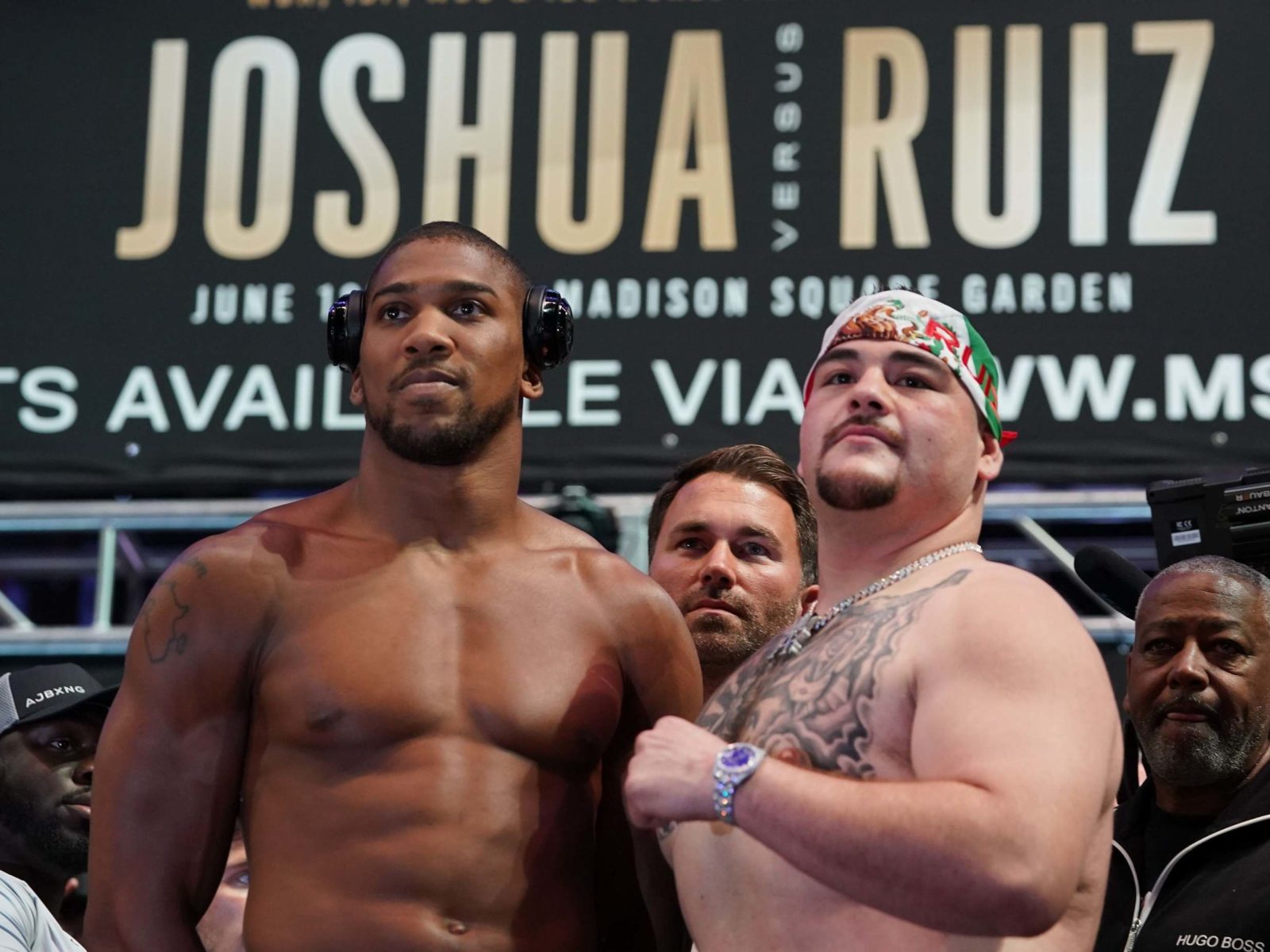
For the first bout, Anthony Joshua weighed in heavier, believing his physical strength would easily overwhelm Ruiz. In contrast, for the December rematch, Joshua dropped approximately ten to eleven pounds, weighing in at a leaner 237 pounds. This weight reduction drastically improved his lateral movement, stamina, and hand speed, allowing him to dance around the ring and evade Ruiz's heavier attacks.
Conversely, Andy Ruiz Jr. entered the rematch significantly heavier than he was in June, tipping the scale at over 283 pounds. Ruiz later admitted that he did not train with the necessary discipline during the celebratory months following his upset victory. The added weight hindered his mobility, robbed him of the explosive closing speed he displayed in the first fight, and made it difficult for him to cut off the ring against a mobile opponent.
Controversies and Public Reception of the Decision
While some boxing purists and fans enjoy high-action, toe-to-toe brawls, the December 2019 rematch was characterized by a more cautious, risk-averse tactical approach from Joshua. Because Joshua prioritized self-preservation and round-winning boxing over hunting for a knockout, some spectators criticized the bout as lacking the explosive drama of their first meeting.
However, among analysts and media members at ringside, there was virtually no controversy regarding the legitimacy of the decision itself. Joshua clearly won the vast majority of the rounds by establishing the jab, controlling the distance, and landing cleaner, more frequent scoring blows. Ruiz’s inability to close the distance effectively meant he simply did not land enough punches to convince the judges otherwise.
Frequently Asked Questions
Why did Anthony Joshua change his fighting style in the rematch?
Anthony Joshua changed his style because standing and trading punches with Andy Ruiz in the first fight resulted in a knockout loss. Recognizing Ruiz's superior hand speed in close quarters, Joshua hired a new tactical strategy emphasizing movement, a long jab, and clinching to neutralize Ruiz's inside power.
What were the exact scorecards for the AJ vs Ruiz rematch?
The three ringside judges scored the fight 118–110, 118–110, and 119–109, all in favor of Anthony Joshua via unanimous decision after twelve completed rounds.
How did Andy Ruiz Jr.’s weight affect the outcome of the fight?
Ruiz weighed in at 283.7 pounds for the rematch—heavier than his previous outing. This extra weight diminished his stamina and foot speed, preventing him from effectively cutting off the ring or applying sustained pressure against a mobile Joshua.
Did Anthony Joshua knock down Andy Ruiz Jr. during the fight?
No. Unlike the first fight, which featured multiple knockdowns for both competitors, neither fighter was knocked down during the twelve rounds of the rematch. Both fighters remained on their feet until the final bell.
Which belts did Anthony Joshua reclaim with this decision?
By winning the unanimous decision, Joshua successfully reclaimed the WBA (Super), IBF, WBO, and IBO heavyweight championship titles that he had lost to Ruiz six months prior.
Conclusion and Legacy
The AJ vs Ruiz rematch December 2019 decision stands as a masterclass in tactical adaptation and disciplined execution. Faced with the pressure of a career-defining loss and the risk of squandering his dominant position in the heavyweight division, Anthony Joshua altered his physical composition, abandoned his pride as a knockout puncher, and boxed to a safe, wide points victory.
For Andy Ruiz Jr., the bout served as a sobering lesson regarding the importance of discipline, conditioning, and professionalism following championship success. Ultimately, the decision restored Joshua to the heavyweight throne, setting the stage for future unification fights while proving that strategic mastery can trump raw punching power at the highest level of professional boxing.