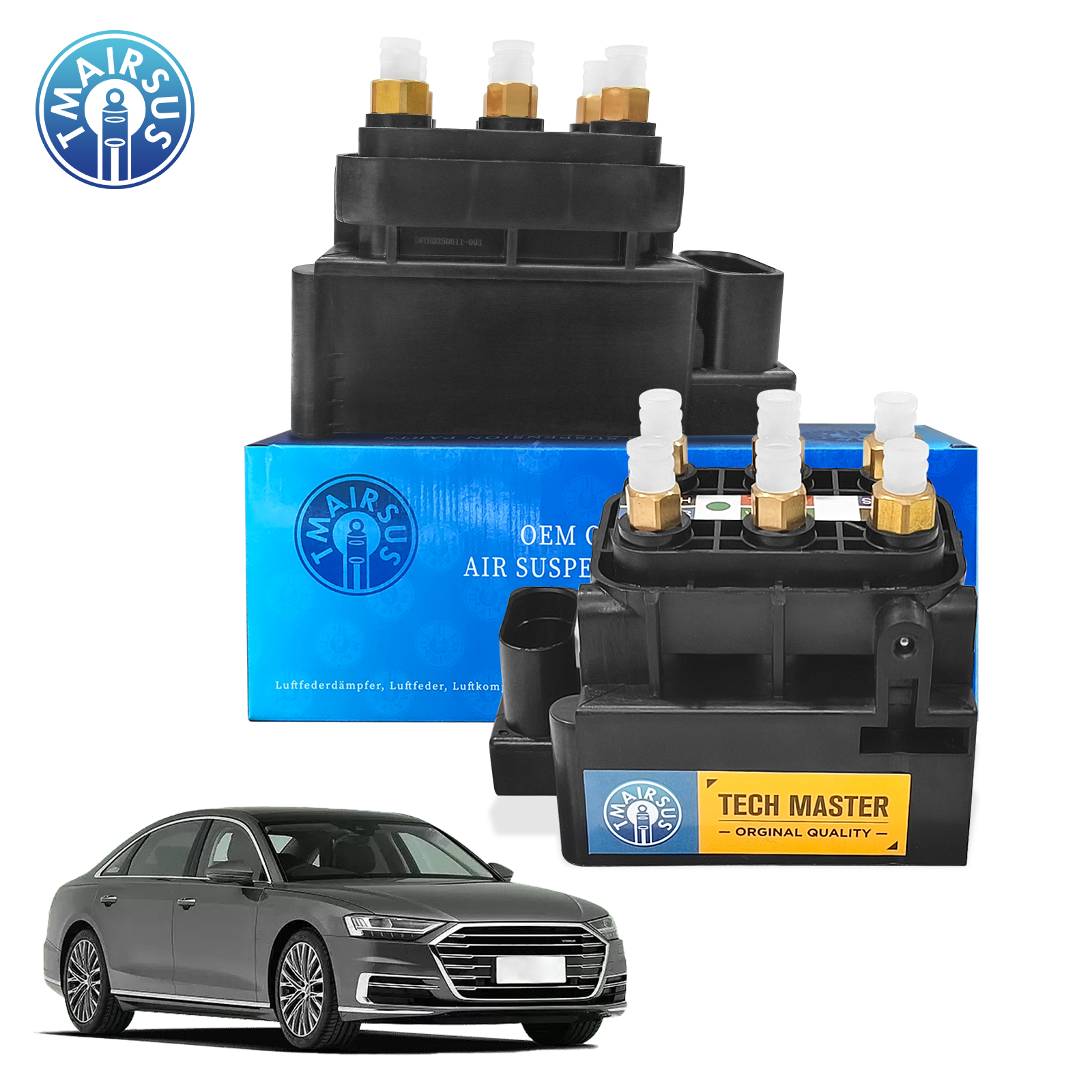
The air suspension system in the Audi A8—marketed primarily as adaptive air suspension—is an electronically controlled pneumatic damping setup that replaces traditional steel coil springs. It dynamically adjusts ride height, firmness, and body roll based on vehicle speed, road conditions, and driver-selected settings through Audi drive select, delivering a balance of plush luxury comfort and high-speed stability.
Evolution of Air Suspension in the Audi A8
The Audi A8 has long served as Audi’s technological flagship. Since the introduction of advanced multi-link suspension designs and fully electronic damping systems, air suspension has been central to the flagship sedan's identity. Across generations—from the D3 and D4 to the modern D5 platforms—the technology has evolved from a basic automatic leveling mechanism into an intricate predictive system integrated with cameras, radar, and advanced chassis computers.
In earlier iterations, the primary focus was maintaining a constant ride height regardless of passenger load or trunk cargo, alongside basic manual height adjustments. Modern iterations of the Audi A8 take this a step further. They integrate with the car's electrical architecture to read the road ahead, preemptively stiffening or softening individual dampers milliseconds before the vehicle encounters a pothole or speed bump.
Understanding this evolution helps owners and prospective buyers recognize that modern luxury air suspension is not merely a comfort feature; it is an active safety and handling system that underpins the entire driving dynamic of the vehicle.
Core Components of the Audi A8 Air Suspension System
To understand how the Audi A8 manages to glide over rough tarmac while remaining composed in tight corners, one must look beneath the sheet metal at its constituent parts. Unlike a traditional passive suspension system, an air suspension setup relies on a closed or semi-closed pneumatic circuit managed by a central control module.
- Driver Input / Sensors
- Suspension Control Module (J197)
- Valve Block
- Air Struts / Dampers
- Compressor & Air Reservoir
- Valve Block
1. Air Springs (Air Struts)
At each corner of the Audi A8, a specialized air strut replaces the conventional steel spring and damper assembly. The strut features a heavy-duty, multi-ply rubber air sleeve that encloses a compressed volume of air. This column of air acts as the spring medium. The pressure inside this sleeve dictates the spring rate; adding air raises the vehicle and firms up the resistance, while releasing air lowers the car and softens the initial compression phase.
2. Electronically Controlled Dampers
Integrated within or operating alongside the air springs are continuous damping control (CDC) valves. These variable hydraulic dampers alter the flow of fluid inside the shock absorber. By rapidly opening or closing internal bypass valves, the system alters rebound and compression characteristics independently at each wheel.
3. Compressor and Valve Block
The pneumatic heart of the system is a high-pressure electric air compressor, typically housed within the engine bay or near the chassis underbody. The compressor pumps air into a central accumulator tank (air reservoir), which stores pressurized air so the system can make rapid adjustments without constantly running the compressor. A central valve block directs this pressurized air to individual struts as needed.
4. Ride Height and Acceleration Sensors
A network of sensors constantly monitors the vehicle's behavior. Level sensors located on each control arm measure the exact distance between the chassis and the wheel carrier. Concurrently, acceleration sensors measure vertical, lateral, and longitudinal G-forces, feeding real-time data to the suspension control module.
How Adaptive Air Suspension Works in Practice
The magic of the Audi A8 air suspension lies in its real-time adaptability. The system processes inputs from dozens of vehicle sensors thousands of times per second.
When cruising on a highway at elevated speeds, the A8’s control module automatically lowers the chassis by a predetermined margin (typically around 10 to 20 millimeters depending on the generation and selected mode). This reduction in ride height lowers the vehicle's center of gravity, minimizes aerodynamic drag, and improves fuel efficiency while enhancing high-speed directional stability.
Conversely, when navigating a steep driveway or driving through deep snow, the driver can manually raise the vehicle via the MMI (Multi Media Interface) infotainment system to clear obstacles safely. Once the vehicle exceeds a specific threshold speed, the system automatically lowers back to normal ride height to restore aerodynamic efficiency.
Furthermore, the system compensates for dynamic weight transfer. During hard cornering, the outer air springs automatically receive a surge of air pressure to counteract body roll, keeping the chassis remarkably flat. During heavy braking, the front struts firm up to prevent excessive nose-dive, ensuring predictable stopping distances and passenger comfort.
Audi Drive Select Modes and Suspension Profiles
The Audi A8 allows drivers to tailor the air suspension behavior through the Audi drive select system. Each mode alters the calibration of the dampers, steering weight, throttle mapping, and suspension height.
| Drive Select Mode | Primary Characteristic | Ride Height | Typical Use Case |
|---|---|---|---|
| Comfort / Comfort+ | Maximum damping compliance; absorbs minor and major road imperfections smoothly. | Standard / Normal | Long highway cruises, rough city streets, relaxed driving. |
| Auto | Balanced response; dynamically adjusts stiffness based on immediate driving style and road surface. | Standard | Daily commuting, mixed driving conditions. |
| Dynamic | Firmer damping, reduced body roll, quicker steering response, lower center of gravity. | Lowered | Enthusiast driving on winding back roads, high-speed autobahn cruising. |
| Lift / Allroad | Maximum ground clearance; raises the chassis to clear deep snow, heavy ruts, or steep ramps. | Raised | Low-speed maneuvering over rough obstacles or unpaved driveways. |
Common Maintenance, Reliability, and Failure Points
While the Audi A8 air suspension system is engineered for longevity and exceptional comfort, it operates under high pressures and constant mechanical stress. Over time, wear and tear can lead to specific component failures. Understanding these common failure modes helps owners diagnose issues early and prevent catastrophic damage to peripheral parts like the compressor.
Air Leaks in Struts or Air Springs
The most frequent issue in aging air suspension systems is degradation of the rubber air sleeves. Over years of exposure to road salt, extreme temperatures, and debris, microscopic cracks can form in the rubber. A leaking air strut will cause the vehicle to sag overnight, often referred to as "dropping on its corner." When the driver starts the car, the compressor must work overtime to reinflate the sagging corner.
Compressor Burnout
The air compressor is designed to handle routine adjustments, but it is not built to run continuously. If an air strut or the valve block develops a significant leak, the compressor will run constantly to maintain ride height. This leads to overheating, thermal overload, and eventual motor burnout. Catching a small leak early can save the expense of replacing a burnt-out compressor.
Valve Block Failures
The valve block contains electronic solenoids that direct airflow to and from the struts and reservoir. If moisture infiltrates the pneumatic system (due to a failing dryer unit on the compressor), internal valves can corrode or stick open, causing air to bleed out of the springs unevenly.
Electrical and Sensor Faults
Corroded wiring harnesses, damaged level sensor arms (often bent or broken during service work), or software calibration errors can trigger suspension warning lights on the instrument cluster. In these instances, the vehicle often defaults to a rigid "limp" mode to protect the chassis components.
Troubleshooting and Diagnostic Steps
When an Audi A8 exhibits suspension irregularities—such as a warning message on the MMI screen, a visibly uneven stance, or an overly harsh ride—a structured diagnostic approach is required.
- Visual and Auditory Inspection: Park the car on a flat surface, turn off the engine, and listen closely near each wheel arch. Hissing sounds indicate an active air leak. In the morning, measure the distance from the ground to the fender lip at each corner to identify sagging.
- Scan for Diagnostic Trouble Codes (DTCs): Use a Volkswagen-Audi Group (VAG) specific diagnostic scanner (such as VCDS or OBDeleven) to read fault codes stored in the Suspension Electronics module (Address 34). Generic OBD-II scanners often cannot read proprietary chassis codes.
- Perform the "Soapy Water" Test: For suspected air spring leaks, spray a mixture of mild soap and water onto the rubber bladders of the air struts. Bubbles will form directly over any microscopic punctures or porosity leaks.
- Check Compressor Output: Monitor the compressor's ability to build and hold pressure within the specified timeframe via diagnostic software. A weak compressor will struggle to fill the reservoir, triggering low-pressure fault codes.
Cost Considerations: Repair vs. Replacement
Servicing an Audi A8 air suspension system requires financial planning, as OEM (Original Equipment Manufacturer) components are engineered to exacting tolerances.
- Air Strut Replacement: Replacing a single OEM front or rear air strut can range significantly in parts and labor, often totaling several thousand dollars per axle at a franchised dealership. Independent European specialists often offer reputable aftermarket alternatives (such as Arnott industries) that can reduce parts costs while retaining ride quality.
- Compressor Replacement: A failing compressor unit typically costs several hundred to over a thousand dollars for the part alone, plus labor for installation and relay replacement.
- Preventative Maintenance Tip: Always replace the compressor relay alongside a new compressor. A welded (stuck-closed) relay is a primary cause of premature compressor failure, as it forces the pump to run continuously until it burns out.
Summary and Next Actions
The adaptive air suspension in the Audi A8 is a defining feature that delivers the signature magic-carpet ride expected of a luxury flagship sedan. By combining variable damping with pneumatic spring rates and automated ride-height control, it adapts seamlessly to any driving environment.
If you own an Audi A8, monitor the vehicle's stance regularly after parking overnight, address any warning lights immediately with a VAG-compatible diagnostic scan, and never ignore a compressor that runs for extended periods. Promptly repairing small leaks preserves the longevity of the entire pneumatic ecosystem and protects your investment in ride comfort.