The emergence of AI-driven cybersecurity has fundamentally altered the landscape of digital defense, shifting the focus from reactive, human-led remediation to autonomous, machine-speed response. This evolution represents a critical transition where security operations centers (SOCs) leverage artificial intelligence to neutralize threats within a "60-minute" window, effectively compressing the time between intrusion detection and automated system containment.
The Evolution of the "60-Minute" Cybersecurity Paradigm
For decades, cybersecurity was characterized by a "dwell time" problem. Organizations often took weeks or months to discover an advanced persistent threat (APT) within their networks. The modern shift toward a 60-minute response standard—often discussed in industry briefings and investigative reports like those popularized by 60 Minutes—is not merely a marketing slogan but an operational necessity. As attackers adopt automated exploit kits, the defense must respond at the same scale.
This shift relies on the integration of Security Orchestration, Automation, and Response (SOAR) platforms powered by machine learning models. These models process petabytes of telemetry data in near real-time, identifying behavioral anomalies that signify unauthorized access. The 60-minute benchmark serves as a target for "mean time to remediate" (MTTR), where the goal is to identify, isolate, and neutralize an adversary before they can escalate privileges or move laterally across a critical infrastructure environment.
Core Components of AI-Enhanced Defense
To achieve a rapid response posture, organizations must integrate several distinct AI-driven layers. Each layer contributes to the velocity required to meet the 60-minute objective.
1. Predictive Threat Intelligence
Traditional threat intelligence feeds were static, relying on known indicators of compromise (IoCs) such as malicious IP addresses or file hashes. AI-driven intelligence moves beyond this by analyzing patterns of movement. By training on historical attack data, neural networks can predict the next likely move of a threat actor, allowing security teams to preemptively harden specific network segments before an attack occurs.
2. Automated Behavioral Analytics
Endpoint Detection and Response (EDR) agents now incorporate local machine learning models that monitor user behavior. When a user account begins executing scripts or accessing databases at an unusual time or from an unexpected location, the AI system does not simply flag the event; it initiates an automated "kill chain" sequence. This reduces reliance on human analysts who previously had to manually verify each alert.
3. Orchestrated Remediation
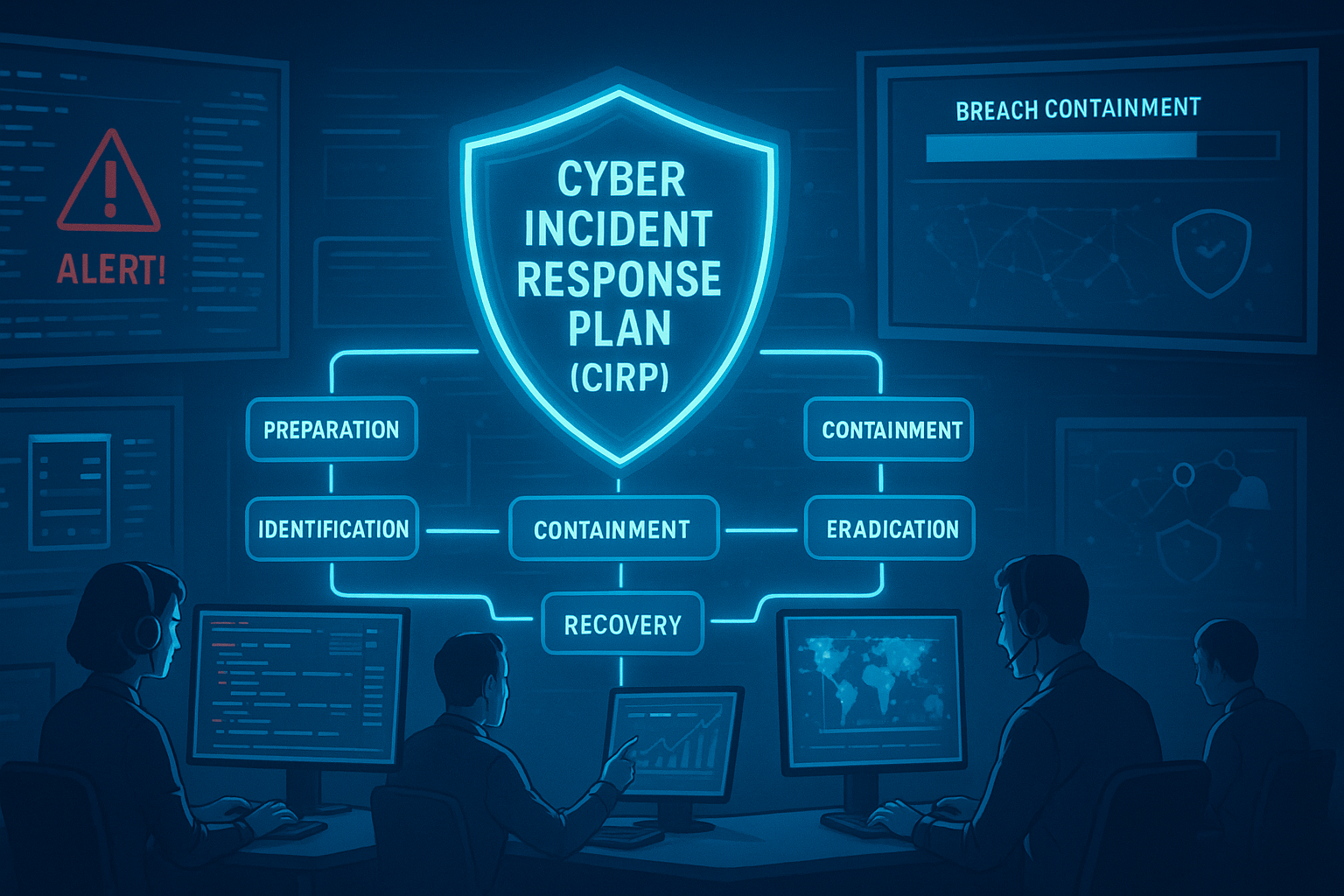
Once an anomaly is verified, the system triggers pre-approved playbooks. These playbooks might include isolating a host from the network, disabling a compromised user account, or clearing malicious temporary files. By automating these rote tasks, the system saves the 60 minutes often lost to administrative coordination and manual verification.
Comparative Analysis: Traditional vs. AI-Driven Response
The transition from traditional security methods to AI-augmented models is best viewed through the lens of operational efficiency and risk mitigation.
| Feature | Traditional Security (Human-Centric) | AI-Driven Security (Autonomous) |
|---|---|---|
| Detection Speed | Hours to Days | Milliseconds to Seconds |
| Response Initiation | Manual Analyst Verification | Automated Policy Execution |
| Data Processing | Sample-based / Thresholds | Full Telemetry / Pattern Recognition |
| Human Role | Triage and Investigation | Oversight and Strategic Threat Hunting |
| Primary Limitation | Human Fatigue and Alert Overload | False Positives and Model Drift |
Operational Prerequisites and Implementation
Adopting this paradigm is not as simple as deploying an AI-enabled software package. Organizations must meet specific prerequisites to ensure these tools function effectively without introducing instability or unintended outages.
- Data Hygiene: AI models are only as good as the data they ingest. Organizations must ensure that logs from disparate systems (cloud instances, on-premises servers, and remote endpoints) are centralized and normalized in a unified data lake.
- Policy Granularity: Automated response carries the risk of "false-positive execution," where the system might accidentally quarantine a critical production server. Organizations must define strict policies that dictate when an AI can act autonomously and when it must pause for human approval.
- Continuous Model Monitoring: Threat actors adapt their tactics to evade machine learning models. Security teams must perform periodic "adversarial testing" to ensure the models remain effective against current obfuscation techniques.
Challenges and Limitations in AI-Driven Cyber Defense
Despite the promise of a 60-minute response cycle, there are inherent risks that practitioners must navigate.
First is the issue of model poisoning. Sophisticated attackers may attempt to feed "noise" into the AI’s training data to shift its baseline for normal behavior. If the AI learns that malicious activity is "normal," it will cease to alert the security team.
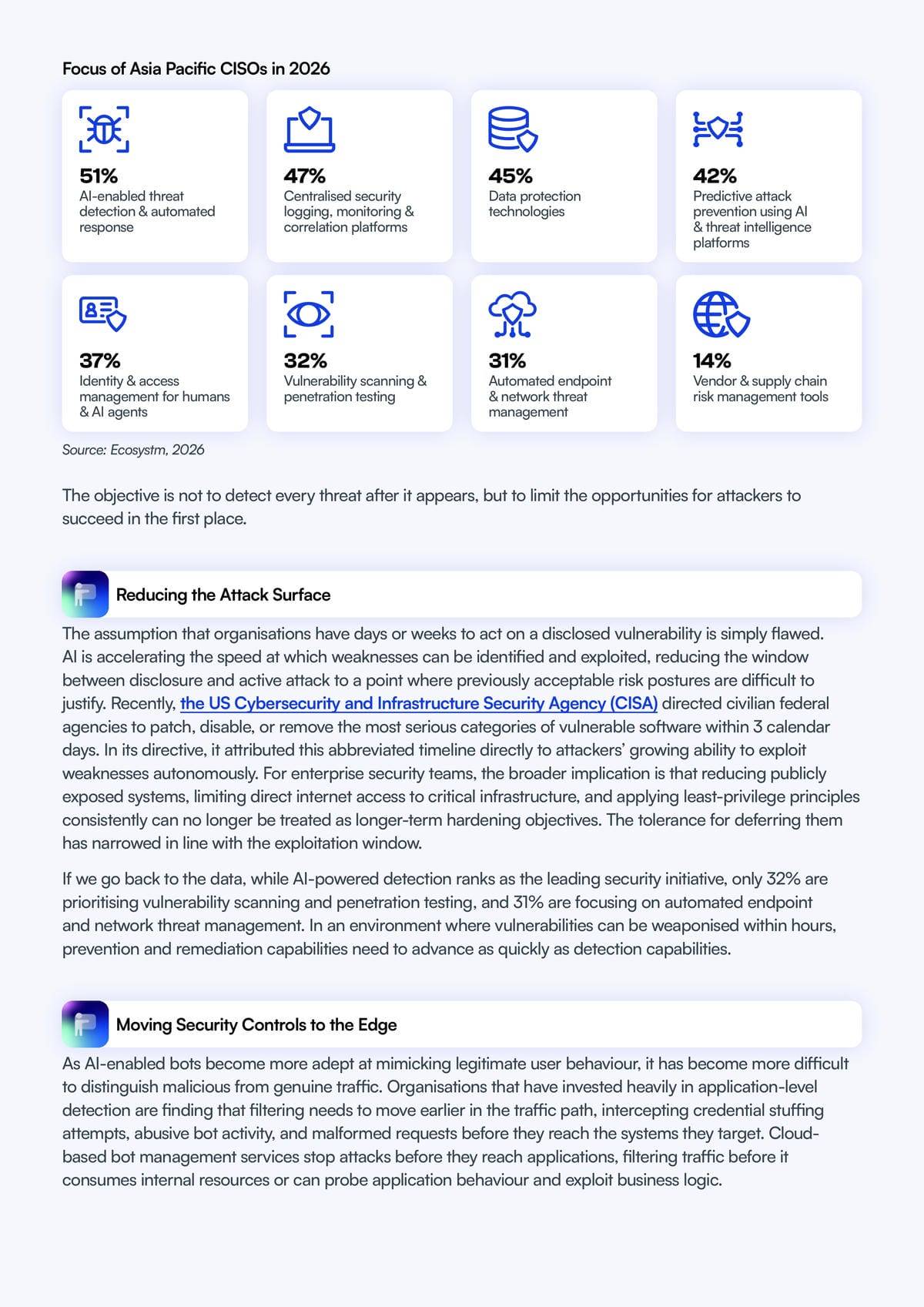
Second is alert fatigue 2.0. While AI reduces the number of false alerts, it can sometimes be over-tuned, leading to "noisy" systems that interrupt operations for minor, benign anomalies. Finding the balance between an overly aggressive automated defense and a permissive one is the most significant hurdle for CISOs in 2026.
Finally, there is the dependency on connectivity. If a network is partially compromised, the connection between the agent and the central AI brain may be severed. A robust system must have a "fail-safe" mode where local endpoints continue to apply protective policies even when the centralized intelligence is unreachable.
Human-in-the-Loop: The Necessary Oversight
The shift toward AI does not signify the end of the human cybersecurity professional; rather, it elevates the role. In a 60-minute response environment, the analyst acts as the "manager of the machine." Their primary function shifts from manual triage to investigating the "why" behind an attack and performing deep-dive forensic analysis that AI is not yet capable of conducting independently.
Analysts are responsible for refining the AI’s decision-making logic, updating playbooks based on the latest threat reports, and managing the ethical and compliance dimensions of automated response. As AI handles the commoditized threats, human expertise is preserved for the high-value, bespoke attacks that require creative problem-solving and institutional knowledge.
Strategic Recommendations for Organizations
For organizations looking to move toward an AI-driven, high-velocity response model in 2026, the following steps are recommended:
- Audit Current Response Times: Measure the time from the first alert to full containment. If this consistently exceeds one hour, identify the manual bottlenecks (e.g., waiting for authorization, data collation).
- Pilot Automated Playbooks: Start by automating low-risk responses, such as revoking access for suspicious credentials. Measure the false-positive rate over a 90-day period before expanding to more complex network-level actions.
- Invest in Data Infrastructure: AI is a force multiplier for data. Ensure your logging and telemetry infrastructure is capable of handling the high-volume ingestion required for real-time machine learning.
- Prioritize Training: Ensure your staff is skilled in managing AI interfaces rather than just raw log analysis. The ability to interpret machine-generated insights is the new core competency in cybersecurity.
The transformation toward a 60-minute response window is not just a trend—it is a survival mechanism in a world where speed determines the difference between a minor incident and a catastrophic data breach. By leveraging AI to handle the scale and velocity of modern threats, organizations can reclaim the advantage, turning the defense from a reactive struggle into a proactive, resilient process.
Frequently Asked Questions
1. Does "60 minutes" mean an attack is guaranteed to be resolved? No. It is a benchmark for the response process to reach the containment phase. An attack may be contained in 60 minutes, but post-incident forensic analysis and system recovery may take much longer.
2. Can AI replace the need for an internal security team? No. While AI handles volume and speed, it lacks context for business-specific risks. A human team is required to set security strategies, oversee the AI’s performance, and handle the complex decision-making involved in high-stakes breaches.
3. Is there a risk that AI will block legitimate business traffic? Yes. This is a common challenge known as a "false positive." It is managed through iterative tuning of the AI’s behavioral models and by implementing human-approval thresholds for high-impact actions.
4. How does AI handle "zero-day" exploits? Since zero-day exploits have no known signature, AI identifies them by observing anomalous behavior—such as a process attempting to modify kernel memory—rather than searching for a known file match.
5. What is the biggest cost associated with implementing AI cybersecurity? Beyond software licensing, the primary cost is the investment in data infrastructure and the specialized talent required to train, monitor, and maintain the AI systems over time.