To fully enjoy the rest of your meal after the sushi courses, transition from the cold, raw textures of nigiri to the warm, soothing elements of miso soup and green tea. Focus on cleansing your palate with ginger (gari), savoring the traditional egg-based tamagoyaki, and concluding with a light, seasonal dessert to balance the acidity of the vinegared rice.
In the world of high-end Japanese dining—specifically in the omakase (chef’s choice) tradition—the arrival of the final piece of sushi does not signal an immediate exit. Instead, it marks a critical shift in the dining experience. As we navigate the culinary landscape of 2026, the etiquette and sensory appreciation of the "post-sushi" phase have become as refined as the fish itself. Understanding how to navigate the transition from raw seafood to cooked components and sweet finishes is essential for any discerning diner.
The Traditional Sequence of a Japanese Sushi Meal
To appreciate the rest of your meal, you must first understand where the sushi fits into the larger architectural design of a Japanese dinner. In a formal kaiseki or a premium omakase setting, the sushi often serves as the "main event" or the penultimate chapter. However, the meal is designed as a curve: starting with light appetizers (zensai), moving through sashimi and cooked dishes, peaking with the sushi, and then gently descending into a comforting, warm conclusion.
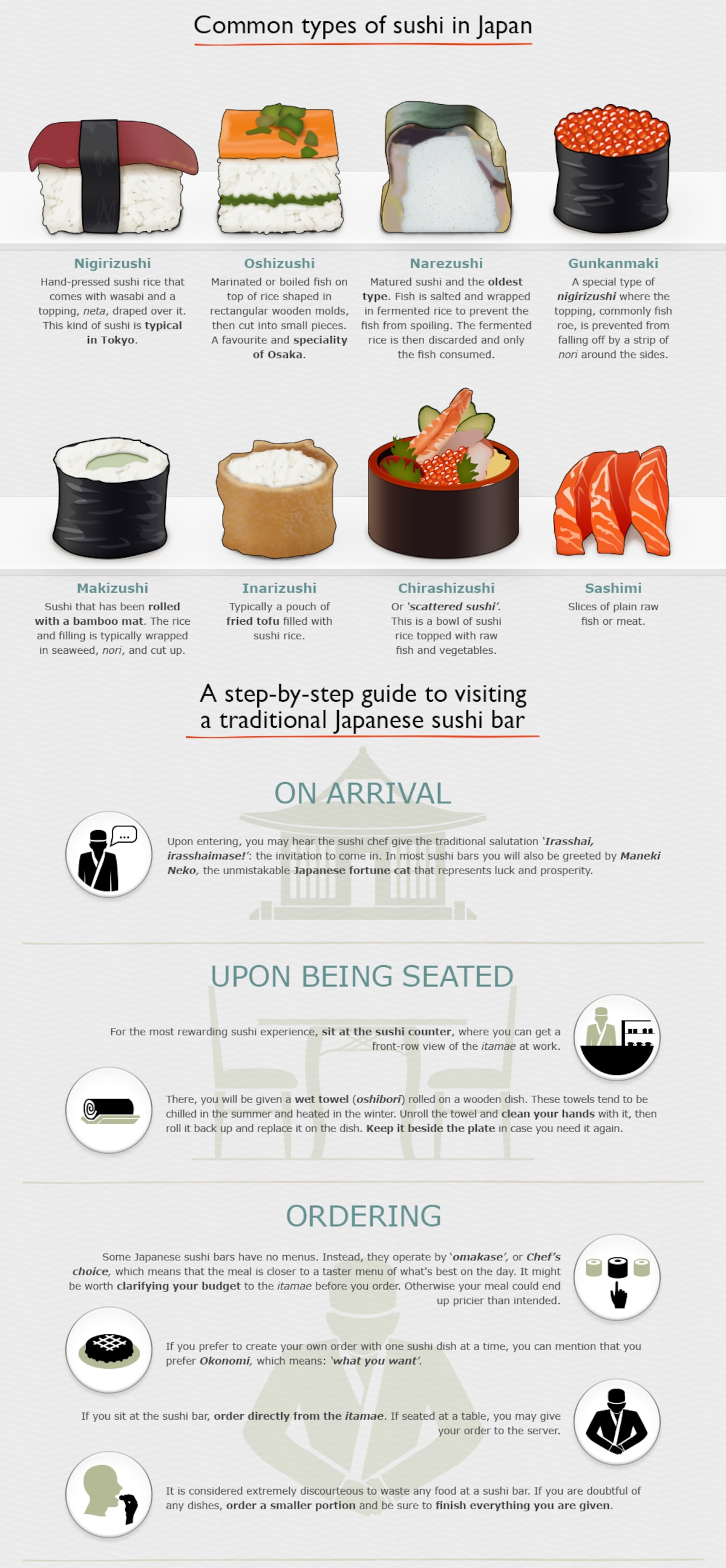
Once the itamae (chef) presents the final piece of nigiri—often a rich, fatty piece like otoro (fatty tuna) or a flavorful anago (sea eel)—the pace of the meal changes. The focus shifts from the precision of the fish-rice balance to digestive comfort and palate restoration. In 2026, many restaurants have leaned further into this restorative phase, incorporating traditional medicinal herbs or hyper-seasonal infusions into the final stages of the meal.
The Shift from Cold to Warm
Sushi is primarily a cold or room-temperature dish. Because raw fish and vinegared rice can be cooling to the body, Japanese culinary tradition dictates that the meal should conclude with heat. This is not merely a preference but a functional part of the dining experience intended to aid digestion and provide a sense of satiety. When the sushi service ends, prepare your palate for the arrival of warm liquids and steamed textures.
Mastering the Palate Cleanser: Gari and Agari
Before you can enjoy the soup or dessert, you must reset your taste buds. The oils from fatty fish like salmon, yellowtail, or tuna often linger on the tongue, which can dull the subtle flavors of the concluding courses.
The Role of Gari (Pickled Ginger)
While many diners eat gari between pieces of sushi, it is also vital at the end of the sushi sequence. The ginger serves two purposes:
- Antimicrobial properties: Traditionally, ginger was eaten to provide a natural defense against potential bacteria in raw fish.
- Cleansing: The acidity and heat of the ginger neutralize the fats remaining on your palate.
In 2026, craft gari—often pickled in-house with organic rice vinegar and local honey rather than refined sugar—is a hallmark of quality. Take a final, small bite of ginger after your last piece of sushi to ensure your mouth is refreshed for the transition to come.
The Importance of Agari (Green Tea)
In sushi-ya (sushi restaurants), green tea is referred to as agari. This specific type of tea is usually konacha—a powdered or fine-leaf green tea that is stronger and more astringent than standard sencha.
The high concentration of catechins in agari helps to break down the fats from the fish you have just consumed. To enjoy the rest of your meal, sip the tea slowly. The heat should be significant but not scalding. In 2026, sustainability-focused sushi bars often source their agari from carbon-neutral estates in Shizuoka or Uji, emphasizing a "soil-to-cup" philosophy that mirrors the traceability of their fish.
The Role of Miso Soup (Misoshiru) at the End
In Westernized Japanese dining, miso soup is often served as an appetizer. However, in an authentic sushi experience, the soup is almost always served after the sushi. This is one of the most misunderstood aspects of the meal.
Why Miso Soup Comes Last
The primary reason for serving miso soup at the end is its role as a digestive aid. The fermented miso paste contains probiotics and enzymes that help the stomach process the raw proteins and rice. Furthermore, the saltiness of the soup provides a savory "period" to the sentence of the meal.
How to Enjoy Your Soup
- Skip the Spoon: In a traditional setting, you do not use a spoon for miso soup. Hold the small bowl with both hands, using your fingers to steady the base, and sip directly from the rim.
- The "Aka-Dashi" Variation: Many high-end sushi-ya serve aka-miso (red miso) at the end of the meal. Red miso is fermented longer and has a deeper, more robust flavor than white miso, making it a perfect counterpoint to the delicate flavors of the sushi.
- Appreciate the Dashi: Pay attention to the base of the soup. Whether it is made from katsuobushi (bonito flakes) or kombu (kelp), the quality of the dashi (broth) is the ultimate test of a chef's skill.
The Sweet Finale: Tamagoyaki and Mizumono
The transition from savory to sweet in a sushi meal is subtle. It begins with tamagoyaki (the sweet omelet) and ends with mizumono (seasonal fruit or a light dessert).
Tamagoyaki: The Bridge
Technically a piece of sushi if served on rice, tamagoyaki is often served as a standalone block at the end of the sushi flight. It acts as a culinary bridge. It is savory because of the dashi and eggs, but sweet because of the sugar or mirin. In 2026, the trend has shifted toward "cake-style" tamago, which is baked rather than rolled, resulting in a texture similar to a light sponge cake or flan. Eating this indicates the formal end of the "fish" portion of your evening.
Mizumono: The Seasonal Fruit
Unlike Western desserts that rely on heavy creams and chocolate, the "rest of the meal" in a sushi-ya typically concludes with mizumono.
- Fruit: This is often a single, perfect slice of high-quality fruit, such as a Shizuoka crown melon, a piece of Japanese pear (nashi), or a strawberry.
- Light Sweets: You might be served a small scoop of matcha or black sesame ice cream, or perhaps yuzu sorbet.
The goal is to leave the restaurant feeling refreshed and light, rather than weighed down by sugar. To enjoy this part of the meal, focus on the natural sweetness and the temperature contrast between the cold fruit and your final cup of warm tea.
Cultural Etiquette and Post-Meal Customs
Enjoying the rest of your meal also involves understanding the social cues that signal the conclusion of the experience.
The Oshibori (Wet Towel)
You were likely given a warm oshibori at the start of the meal. In many 2026 establishments, a second, fresh oshibori (sometimes scented with seasonal essential oils like hinoki or sudachi) is provided after the sushi is finished. Use this to clean your fingers—especially if you ate the sushi with your hands—but do not use it on your face. Fold it neatly and leave it on the tray provided.
The Bill and Tipping
In 2026, the "check" process has become more seamless, with many high-end places utilizing contactless or pre-paid booking systems to avoid the clunky exchange of cards at the table.
- In Japan: Tipping remains unnecessary and can even be seen as confusing or offensive. The price you see is the price you pay.
- Outside Japan: Follow local customs, but remember that the "service charge" is often already included in premium omakase prices.
Thanking the Chef
The most important part of enjoying the end of your meal is expressing gratitude. As you finish your tea, a simple "Gochisousama-deshita" (pronounced: go-chee-so-sama-desh-ta) is the standard way to say, "Thank you for the feast." This acknowledges not just the food, but the effort of the chef.
Comparison of Sushi Meal Sequences
Depending on the type of establishment you visit in 2026, the "rest of the meal" may vary. Below is a comparison of what to expect in different dining environments.
| Dining Style | Post-Sushi Transition | Final Savory Course | Dessert Type | Beverage Focus |
|---|---|---|---|---|
| Traditional Omakase | Slow, meditative | Aka-Miso Soup & Tamago | Seasonal Fruit (Melon/Pear) | High-grade Agari (Green Tea) |
| Modern Fusion | Fast-paced | Clear Broth or Miso Ramen | Matcha Parfait or Mochi | Sake Pairings or Craft Tea |
| Kaiseki (Full Course) | Part of a 12-course flow | Rice, Pickles, and Soup | Wagashi (Traditional Sweet) | Ceremonial Matcha |
| Premium Conveyor | Self-directed | Self-serve Miso/Udon | Soft Serve or Melon | Self-serve Powdered Tea |
Common Mistakes to Avoid After the Last Piece of Nigiri
To ensure you enjoy the rest of your meal without breaking the flow or the etiquette of the restaurant, avoid these common pitfalls:
- Rushing the Miso Soup: Treat the soup as a course, not a palate cleanser to be gulped down in one go.
- Adding Soy Sauce to Everything: By the time you reach the soup and dessert, your soy sauce dish should be moved aside. Never add soy sauce to your soup or tamago unless specifically instructed.
- Leaving Rice in the Bowl: If your meal concludes with a small bowl of rice and pickles (common in kaiseki), finishing every grain is a sign of respect for the farmer and the chef.
- Heavy Alcohol at the Very End: While sake is excellent with sushi, most diners switch to tea for the final courses. Heavy spirits can dull the refreshing effect of the fruit and tea.
Practical Steps for a Perfect Finish
If you find yourself at a sushi counter and the chef asks, "Would you like anything else?" before the soup arrives, here is how to handle it:
- Assess your hunger: If you are still hungry, this is the time to ask for a "hand roll" (temaki) or a repeat of your favorite piece.
- The "Hyu" Moment: Once you say "No more sushi, thank you," the kitchen will trigger the final sequence (soup, tea, dessert).
- Hydrate: Use this transition time to drink water. Sushi is high in sodium due to the seasoned rice and soy sauce; hydrating at the end prevents the "sushi coma" later.
Frequently Asked Questions
Why do I feel so full after only a few pieces of sushi? Sushi rice is seasoned with vinegar, salt, and sugar, and it expands slightly in the stomach. The "rest of the meal" (soup and tea) is specifically designed to help settle this feeling by using heat to relax the stomach muscles and acidity to aid digestion.
Can I order more sushi after I have already started my miso soup? In a formal setting, it is generally considered poor etiquette to go backward. Once the soup is served, the sushi service has "closed." If you are still hungry, it is better to ask for a second helping of soup or an extra piece of tamago.
Is it okay to leave before the fruit is served if I am in a hurry? While you can, you would be missing a vital part of the culinary balance. The fruit is meant to neutralize the salt and vinegar from the previous 45–60 minutes of eating. If you must leave, inform the server before the sushi course ends so they can expedite the final stages.
What is the "green powder" tea served at the end? It is usually Konacha. Unlike ceremonial Matcha, which is whisked into a froth, Konacha consists of the dust and small tea leaf particles left over from processing high-quality Sencha. It is intentionally strong to cut through the fish oils.
Should I eat the garnish on the dessert plate? In Japanese cuisine, almost everything on the plate is edible and serves a purpose. If there is a mint leaf or a small berry, it is meant to be consumed to provide a final burst of freshness.
Final Recommendation
To truly enjoy the rest of your meal after sushi, embrace the descending intensity. The sushi was the peak of flavor and complexity; let the miso soup be your comfort, the tamago be your transition, and the green tea be your digestive reset. By slowing down during these final stages, you transform a simple meal into a restorative ritual. As you finish your final sip of agari in 2026, take a moment to appreciate the silence of the room and the craftsmanship of the itamae before stepping back into the outside world.