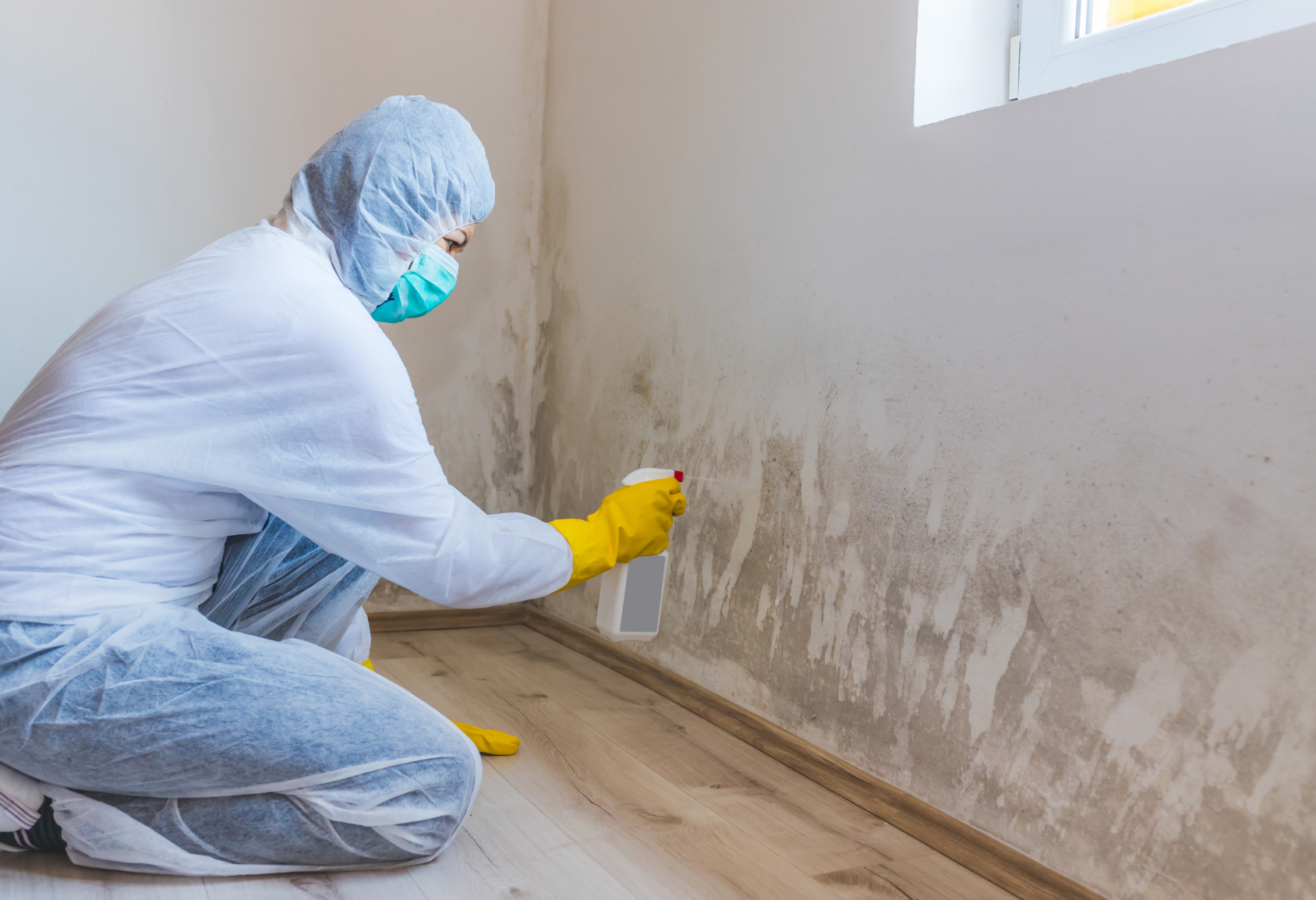
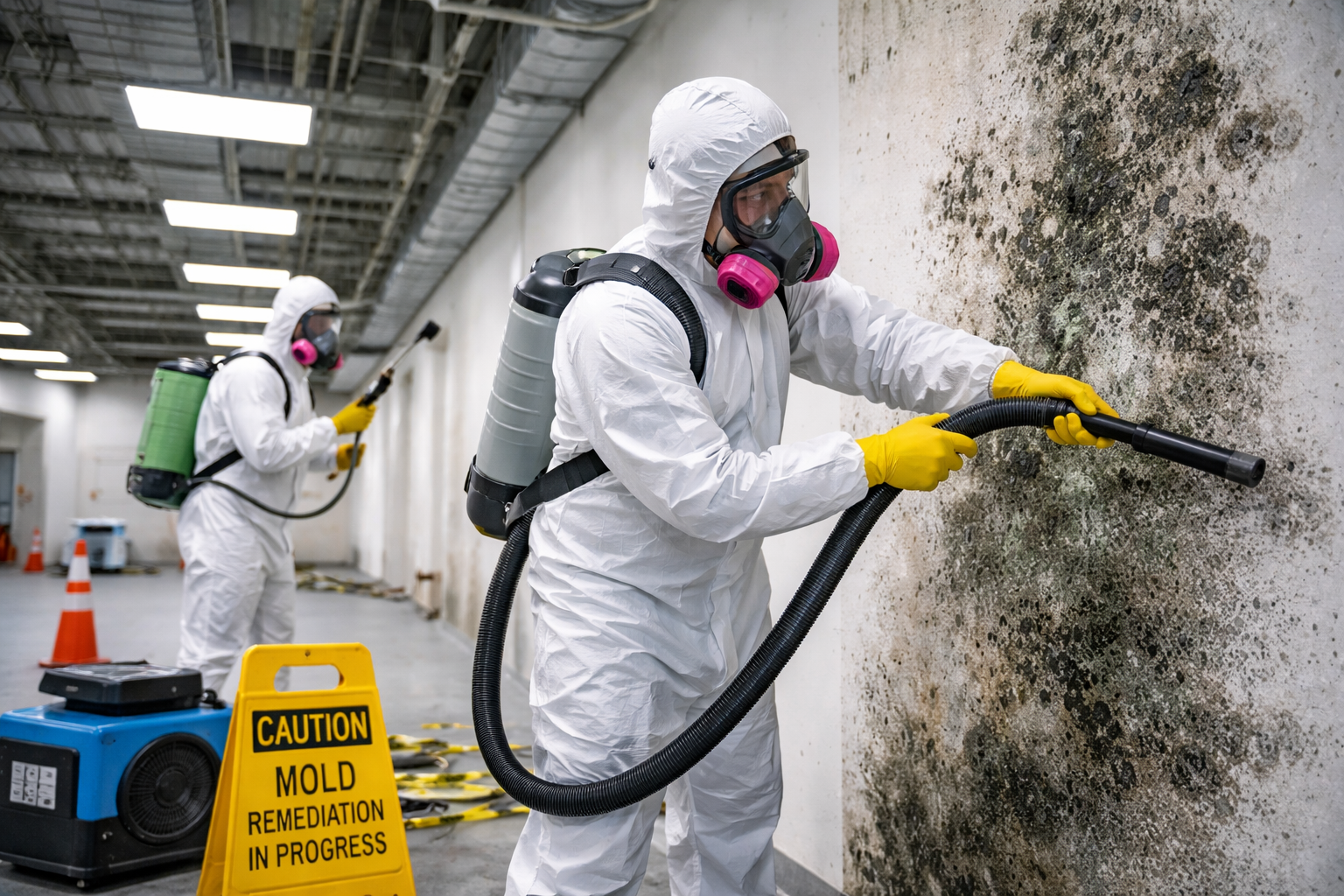
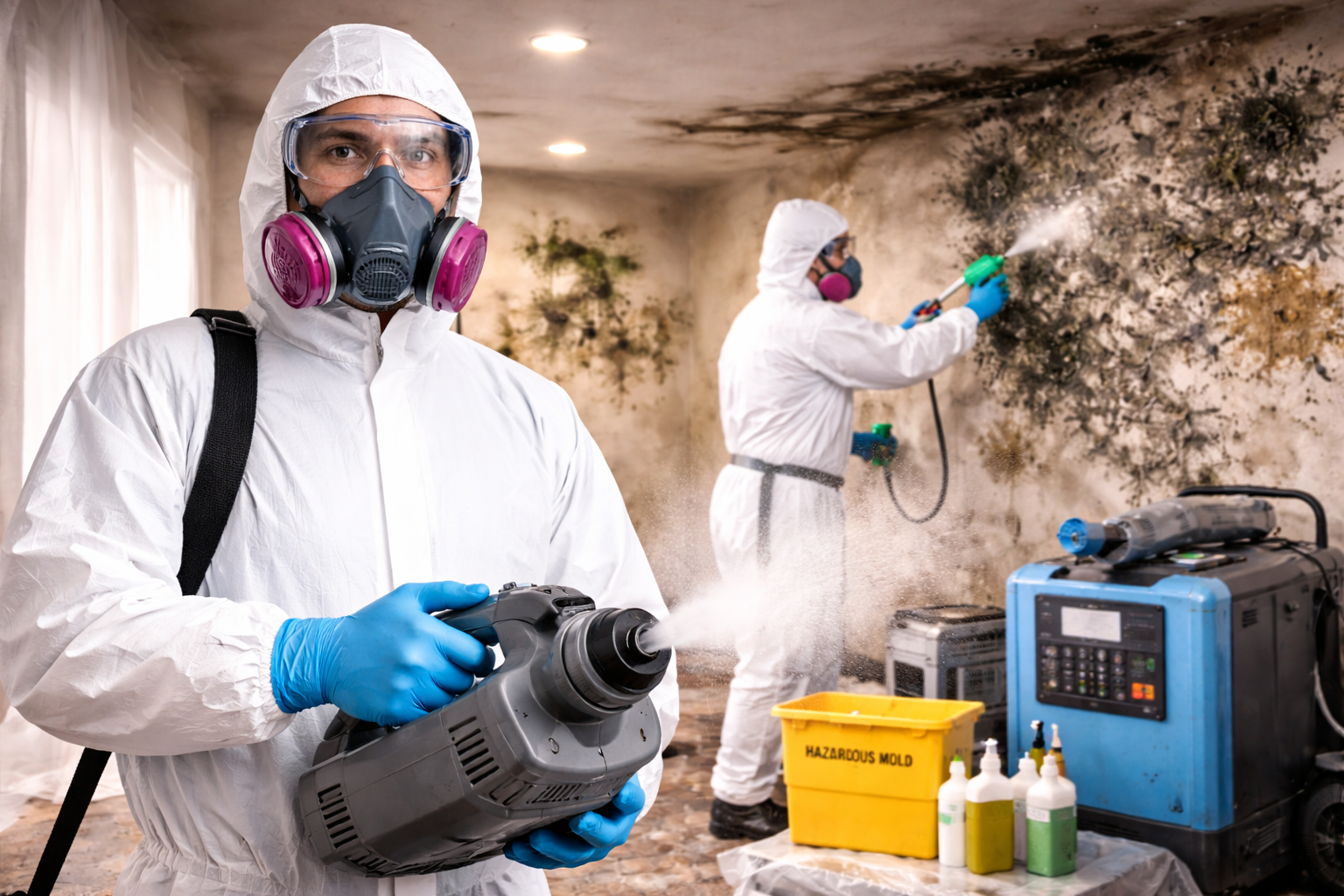
Securing an affordable mold damage remediation service requires a combination of rapid diagnostic verification, clear communication of scope, and an understanding of the professional standards mandated for safe fungal removal. Homeowners can minimize costs by obtaining multiple itemized estimates, addressing the underlying moisture source before remediation begins, and verifying that prospective contractors adhere to standardized industry safety protocols.
The Reality of Mold Remediation Costs
Professional mold remediation is rarely a flat-rate service because the cost is fundamentally tied to the extent of the infestation, the structural complexity of the affected area, and the type of material contaminated. In 2026, market rates vary significantly based on regional labor costs and the severity of the growth.
Affordability is often confused with the lowest quote, but in the remediation industry, the lowest bid can sometimes signal a lack of adherence to rigorous containment or safety procedures. True affordability is found by balancing a competitive price with a comprehensive, professional service scope that ensures the mold does not return. A remediator who provides a suspiciously low price without a site inspection or a detailed plan is often a red flag, as they may be skipping the essential step of physical containment or using ineffective cleaning agents that do not address mycelial penetration in porous materials.
Understanding the Remediation Process
To manage costs effectively, it is essential to understand what you are paying for. Professional remediation is not merely "cleaning" or "spraying"; it is a systematic approach to restoring an environment to a condition where fungal levels are comparable to those in the exterior or non-affected areas.
1. Assessment and Inspection
Before any work begins, a visual inspection or professional mold assessment is required. This phase determines the moisture source—the "why" behind the mold growth. If you treat the mold but ignore a leaky pipe or poor attic ventilation, the mold will inevitably return, rendering your investment in remediation useless.
2. Containment
Professional services must establish physical containment using thick, 6-mil polyethylene sheeting to create a negative air pressure environment. This ensures that when materials are disturbed, fungal spores are not spread to clean areas of your home. If a contractor proposes skipping containment to "save money," you should reject their service. The cost of cleaning secondary contamination caused by poor containment practices often far outweighs the initial savings.
3. Removal and HEPA Filtration
Hard surfaces can often be cleaned, but porous materials such as drywall, insulation, and carpet that are heavily saturated with mold must be physically removed. Professionals use High-Efficiency Particulate Air (HEPA) vacuuming to capture spores at the microscopic level. Ensure your quote explicitly mentions the use of HEPA-rated equipment, as standard shop vacuums actually worsen air quality by exhausting spores back into the room.
Strategies for Cost-Effective Remediation
Managing the financial burden of a remediation project involves tactical planning. Below are established methods to ensure you receive a fair price without compromising the safety or efficacy of the work.
Obtain Comparable Estimates
Solicit at least three itemized quotes. An itemized quote allows you to compare line items rather than just the total price. Look for specific costs associated with:
- Mobilization/Setup fees: The cost to prepare the site.
- Containment square footage: The area isolated for work.
- Disposal fees: The cost of transporting and legally disposing of contaminated materials.
- Professional labor hours: A breakdown of time spent on the project.
Address the Moisture Source Independently
If you are capable, you can save money by fixing the source of the moisture before the remediators arrive. For instance, if the mold is caused by a minor plumbing leak, hiring a plumber to fix the leak independently can be cheaper than paying a remediation firm to manage the trade-subcontracting process. However, always consult with your mold remediator first to ensure you are not disturbing affected materials in a way that risks your health or spreads spores.
Prioritize Targeted Remediation
If you are on a strict budget, ask the contractor for a "phased approach." While complete remediation is always preferred, you can negotiate a plan that prioritizes the most critical living areas—such as bedrooms or common areas—where air quality is most essential for health.
Comparative Overview of Remediation Approaches
| Method | Target Area | Cost Implications | Pros | Cons |
|---|---|---|---|---|
| Full Abatement | Entire affected zone | High | Removes all spores | Long duration |
| Source Isolation | Restricted, small area | Moderate | Focused budget | Risk of cross-contamination |
| Moisture Mitigation | Preventive measure | Low | Prevents recurrence | Does not remove existing mold |
| Professional Encapsulation | Coated surfaces | Moderate | Seals dormant spores | Requires expert application |
Essential Safety and Legal Protections
Before hiring, you must verify the credentials of the remediation company. In many jurisdictions, mold remediators are required to hold specific licenses or certifications from bodies like the Institute of Inspection, Cleaning and Restoration Certification (IICRC).
Avoiding Common Pitfalls
- Avoid "Mold Testing" Companies that also Remediate: There is a fundamental conflict of interest when the same company that inspects your home for mold also performs the remediation. Always hire a third-party, independent environmental testing service to perform post-remediation verification (PRV).
- Beware of Over-Promising: No reputable company can guarantee a "100% mold-free" environment, as mold spores are ubiquitous in the natural environment. A professional's goal is to return your home to a baseline level of cleanliness.
- Insurance Verification: Check if your homeowner's policy covers mold. While many policies exclude mold due to long-term neglect, they may cover it if the mold resulted from a "covered peril," such as a sudden, accidental plumbing failure.
Frequently Asked Questions
Can I handle mold remediation myself to save money?
For very small, contained areas (less than 10 square feet) on non-porous surfaces, DIY cleaning with soap and water or a mild detergent can be effective. However, if the mold covers a larger area, is in HVAC systems, or is hidden behind walls, you should hire professionals to ensure the containment is adequate and the underlying moisture is addressed.
What is the purpose of post-remediation verification?
PRV is an independent inspection conducted after the remediation is finished to ensure that the work was successful and that the area is safe for re-occupancy. This provides you with an objective report confirming that the mold levels are acceptable, which is vital for your health and for future home value.
Does "affordable" mean lower quality?
Not necessarily. Affordable remediation usually refers to companies that have streamlined their administrative processes, utilize efficient equipment, and provide clear, transparent pricing. A company can be affordable by being honest about the scope of work rather than inflating the necessity of expensive, unnecessary treatments like widespread chemical fogging, which is often ineffective.
Why do estimates for the same job vary so much?
Discrepancies in estimates usually stem from differences in the proposed scope of work. One company might include a thorough cleaning of the entire HVAC system, while another focuses only on the wall cavity. Always ask why there is a price difference between quotes to ensure you are comparing similar services.
How do I identify a reliable contractor?
Look for certifications from reputable organizations, such as the IICRC, and check for a professional history of business. A reputable company should be willing to provide a written, detailed estimate, a clear plan for containment, and references from past clients upon request.
Next Actions
To begin the process of finding an affordable and professional solution, start by documenting the affected area with clear, high-resolution photographs. Create a list of the visible extent of the damage. Contact a licensed independent inspector to verify the scope of the problem. Once you have an expert opinion on the true extent of the damage, contact at least three local, certified remediation companies and provide them with the same scope of work to ensure you receive accurate, comparable quotes. Do not prioritize the lowest price over the safety procedures documented in this guide.