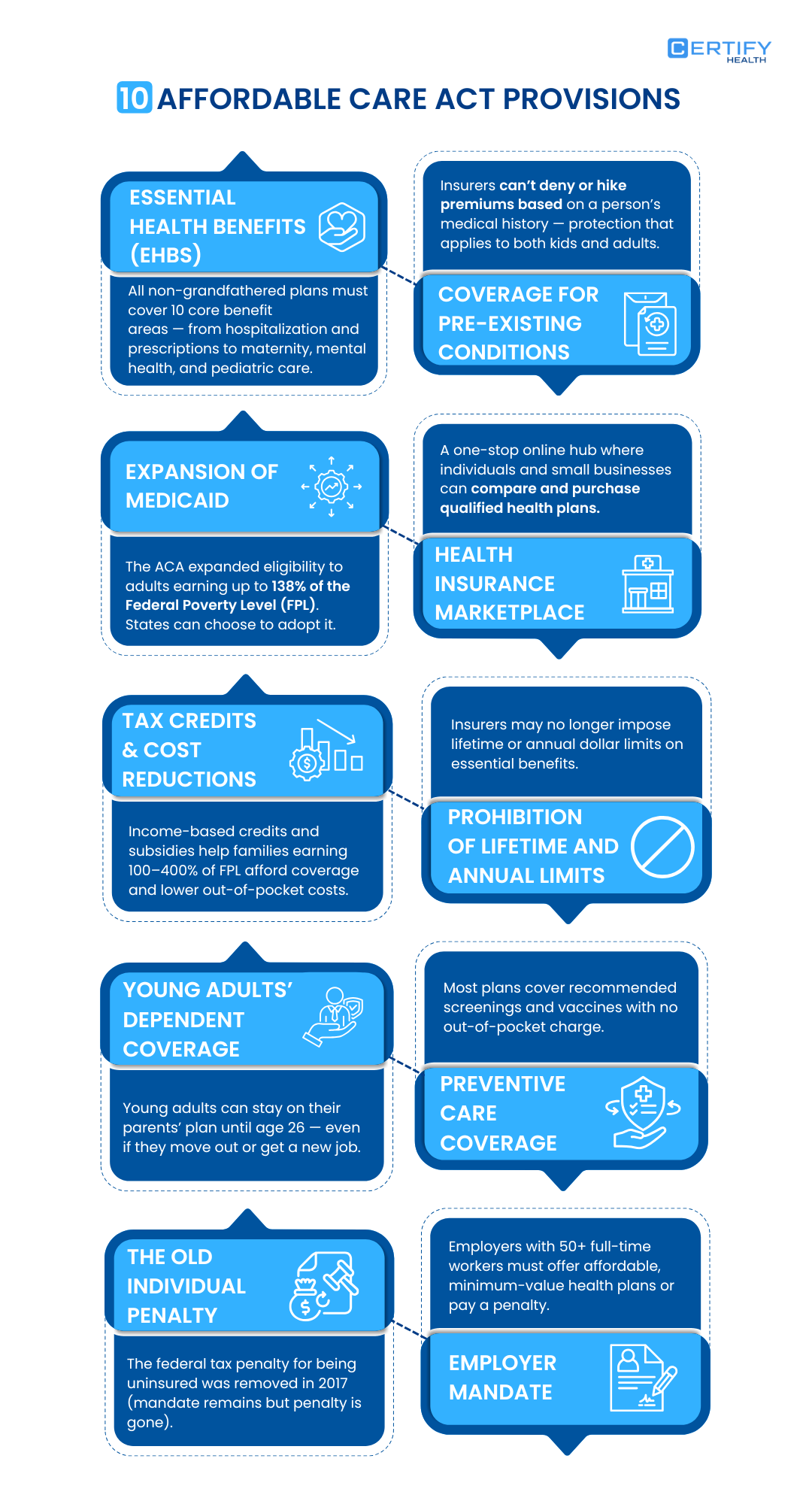
Form 1095ing documents—collectively known as the ACA 1095 tax forms—serve as essential proof of health insurance coverage under the Affordable Care Act, detailing who was covered, when, and by whom. These forms are sent to taxpayers and reported to the IRS by insurance providers, large employers, and government agencies to verify compliance with federal healthcare mandates, simplify tax filing, and confirm eligibility for premium tax credits.
Introduction to ACA 1095 Tax Forms
Navigating the tax implications of the Affordable Care Act (ACA) often involves dealing with specific IRS documentation designed to track health insurance coverage. Among these, the 1095 series of forms is the most critical. Whether you purchased a policy through a state or federal marketplace, received coverage through an employer, or enrolled in a government program like Medicare or Medicaid, a 1095 form documents your insurance status.
Understanding these forms helps taxpayers complete their federal income tax returns accurately, avoid unnecessary correspondence with the Internal Revenue Service (IRS), and verify that their health plan meets federal standards. Although the federal individual mandate penalty for lacking insurance was reduced to zero at the federal level beginning with the 2019 tax year, several states have implemented their own individual mandates. Consequently, 1095 forms remain vital for state-level tax reporting, verifying premium tax credits, and demonstrating compliance where local laws apply.
The Core Purpose of Form 1095
The primary function of the 1095 form series is verification. The ACA requires certain employers, insurers, and government programs to report health coverage information to both the IRS and individuals. This reporting creates transparency and accountability within the healthcare market.
From the perspective of the IRS, these documents cross-reference the health insurance information provided by taxpayers on their federal income tax returns (such as Form 1040). If a taxpayer claims a Premium Tax Credit for a plan purchased through the Health Insurance Marketplace, the data on their 1095 form is used to reconcile the advance credit payments received during the year against the actual credit allowed based on final annual income.
For the taxpayer, the form acts as an official record. It provides the necessary data points—such as months of coverage and covered dependents—needed to complete tax preparation software or work with a professional accountant. Without these forms, taxpayers risk misreporting their health coverage status, which can lead to processing delays, requests for additional information, or adjustments to tax refunds.
The Three Variations: 1095-A, 1095-B, and 1095-C
The 1095 series is divided into three distinct variants. Each form is issued by a different entity and serves a specific segment of the insured population. Knowing which form applies to your situation depends entirely on where you obtained your health insurance coverage.
| Form Number | Issuer | Target Audience / Purpose |
|---|---|---|
| Form 1095-A | Health Insurance Marketplace (State or Federal) | Issued to individuals who enrolled in a qualified health plan through healthcare.gov or a state-based exchange. Used to reconcile Premium Tax Credits. |
| Form 1095-B | Health Insurance Providers & Small Employers | Issued to individuals covered by minimum essential coverage outside of a large employer or marketplace, including small group plans, private plans, and Medicare. |
| Form 1095-C | Applicable Large Employers (ALE) | Issued by employers with 50 or more full-time equivalent employees to full-time staff. Details the offer of health coverage and affordability. |
Deep Dive into Form 1095-A (Health Insurance Marketplace Statement)
Form 1095-A is generated exclusively by the Health Insurance Marketplace. If you or any member of your household purchased a qualified health plan through the federal exchange or a state-run exchange, you will receive this form.
The form is broken down into three main sections:
- Part I: Recipient information, including the policyholder's name, address, and Marketplace-assigned policy number.
- Part II: Covered individuals, listing everyone on the policy, their Social Security numbers, dates of birth, and the start and end dates of their coverage.
- Part III: Coverage information by month, detailing the monthly premium amount, the applicable second lowest cost silver plan (SLCSP) premium used to calculate tax credits, and any advance payments of the Premium Tax Credit (APTC).
Taxpayers who receive Form 1095-A must use it to complete IRS Form 8962 (Premium Tax Credit). Failing to reconcile Form 1095-A with Form 8962 can cause the IRS to delay tax refunds or send notices requesting further clarification.
Understanding Form 1095-B (Health Coverage)
Form 1095-B is issued by health insurance providers—such as insurance companies, HMOs, and smaller employers that self-insure their health plans—as well as government-sponsored programs like Medicaid, Children's Health Insurance Program (CHIP), and Medicare.
This form provides evidence that the individual and their covered dependents maintained minimum essential coverage for specific months during the tax year. While the federal penalty for lacking insurance is zero, state-level tax authorities in states like California, Massachusetts, New Jersey, Rhode Island, and the District of Columbia use Form 1095-B data to enforce state-level individual mandates and assess penalties for uninsured residents.
Exploring Form 1095-C (Employer-Provided Health Insurance Offer and Coverage)
Form 1095-C is issued by Applicable Large Employers (ALEs)—organizations that generally employ 50 or more full-time employees, including full-time equivalent equivalents. Under the employer mandate of the ACA, these businesses must offer affordable, minimum-value health coverage to their full-time workforce.
Form 1095-C contains detailed information regarding:
- Whether an offer of coverage was made to the employee, their spouse, and dependents.
- The lowest-cost monthly premium available to the employee that meets minimum value standards.
- The specific months during the calendar year when coverage was available.
For employees of large organizations, Part II of Form 1095-C utilizes a series of code letters (such as code 1A through 1T) and numeric codes (such as code 2A through 2I) to communicate the exact nature of the health offer and employment status. These codes help tax professionals and the IRS determine whether the employer complied with ACA mandates and whether the employee was eligible for subsidies on the public marketplace.
Distribution Timelines and What to Do If Your Form is Missing
Issuers face strict statutory deadlines for distributing 1095 forms to taxpayers, though these timelines can occasionally be extended via IRS administrative relief. Generally, issuers must provide forms to recipients by early to mid-March of the year following the tax year in question.
Because tax filing seasons often begin in late January, taxpayers frequently wonder whether they can file their taxes before receiving their 1095 forms.
Filing Without Your 1095 Form
- Form 1095-A: It is strongly recommended not to file your taxes before receiving Form 1095-A if you purchased marketplace coverage. Because you must reconcile premium tax credits using Form 8962, filing without exact 1095-A data often leads to mathematical errors, rejected tax returns, or substantial processing delays. Marketplace participants can typically access an electronic copy of their 1095-A by logging into their account on healthcare.gov or their state exchange portal.
- Forms 1095-B and 1095-C: Because the federal individual mandate penalty is zero, taxpayers generally do not need to attach Form 1095-B or 1095-C to their federal tax returns. If you know you and your dependents had qualifying coverage, you can typically complete your federal return using other records (such as W-2 forms showing pre-tax health deductions, insurance cards, or statements from providers) without waiting for the physical form to arrive. However, keeping the form for your personal records once it arrives is still advised.
Common Errors and Discrepancies on 1095 Forms
Errors on tax documents can complicate filing. When reviewing your 1095 forms, check for common mistakes that require immediate correction from the issuer.
1. Incorrect Personal Information
Typos in Social Security numbers, misspelled names, or outdated mailing addresses can cause mismatches in IRS databases. If your dependent's Social Security number is listed incorrectly on a Form 1095-A, for instance, reconciling your premium tax credits can trigger an automated IRS notice.
2. Discrepancies in Monthly Coverage Data
Review Part III of Form 1095-A or the monthly indicator boxes on Forms 1095-B and 1095-C to confirm that every month you held coverage is marked accurately. If your insurance was canceled mid-year or if you switched plans, verify that the start and end dates match your actual coverage history.
3. Incorrect Premium or Second Lowest Cost Silver Plan (SLCSP) Amounts
For Marketplace participants, errors in the SLCSP amount listed on Form 1095-A can significantly alter your calculated Premium Tax Credit. If you suspect the benchmark plan amount is incorrect, you should contact the Marketplace call center to request a corrected Form 1095-A.
Steps to Request a Correction
If you identify an error, contact the entity that issued the form immediately:
- For 1095-A errors, contact the Marketplace (healthcare.gov or your state exchange).
- For 1095-B errors, contact your insurance provider or the member services department listed on your insurance card.
- For 1095-C errors, contact your employer's human resources or payroll department.
Issuers are required to issue corrected forms with an amended indicator checked at the top. If an issuer refuses or fails to provide a correction in a timely manner, taxpayers should file their tax returns using their best estimates and contemporaneous records, attaching an explanation if necessary, or consult a qualified tax professional.
Frequently Asked Questions
Do I need to attach my 1095 form to my tax return?
No. You do not need to physically attach Form 1095-B or Form 1095-C to your federal income tax return. You should, however, keep these documents with your personal tax records for at least three years in case the IRS initiates an audit or requests verification. If you file Form 1095-A, the data must be transcribed onto Form 8962, which is attached to your Form 1040.
What happens if I never receive my 1095-C form from my employer?
Because the federal penalty for lacking insurance is zero, not receiving a Form 1095-C does not prevent you from filing your federal income tax return. You can verify your health coverage status using pay stubs showing pre-tax health insurance deductions or by contacting your employer's human resources department for a copy.
Are 1095 forms required for state tax returns?
It depends on the state. Several states—including California, Massachusetts, New Jersey, Rhode Island, and the District of Columbia—enforce their own individual health insurance mandates. If you reside in one of these jurisdictions, you may need to report health coverage information from your 1095 forms on your state tax return to avoid state-level tax penalties.
Can I file my taxes electronically before my 1095-A arrives?
Doing so is strongly discouraged. Form 1095-A contains essential data required to complete Form 8962 for reconciling advance premium tax credits. Filing without this form can result in miscalculated tax credits, rejected electronic returns, and prolonged processing delays from the IRS while they verify your subsidy amounts.
How do I access my Form 1095-A online?
If you enrolled in coverage through the federal health insurance marketplace, log into your account on healthcare.gov, navigate to your tax forms section under your past applications, and download the electronic PDF version of your Form 1095-A. State-based marketplaces offer similar document retrieval options through their respective user portals.
Conclusion and Next Actions
Understanding ACA 1095 forms ensures a smooth tax filing process and helps you maintain accurate personal financial records. To recap your next steps:
- Locate and Review: Gather your 1095 forms (A, B, or C) as they arrive in the mail or online. Check all names, Social Security numbers, and coverage months for accuracy.
- Prioritize Marketplace Verification: If you received Form 1095-A, wait for the document and use it alongside Form 8962 to reconcile your premium tax credits before submitting your return.
- Contact Issuers for Corrections: Immediately reach out to your marketplace, insurance provider, or employer human resources department if you spot data errors.
- Maintain Records: Store your 1095 documents securely with your annual tax return files for future reference.