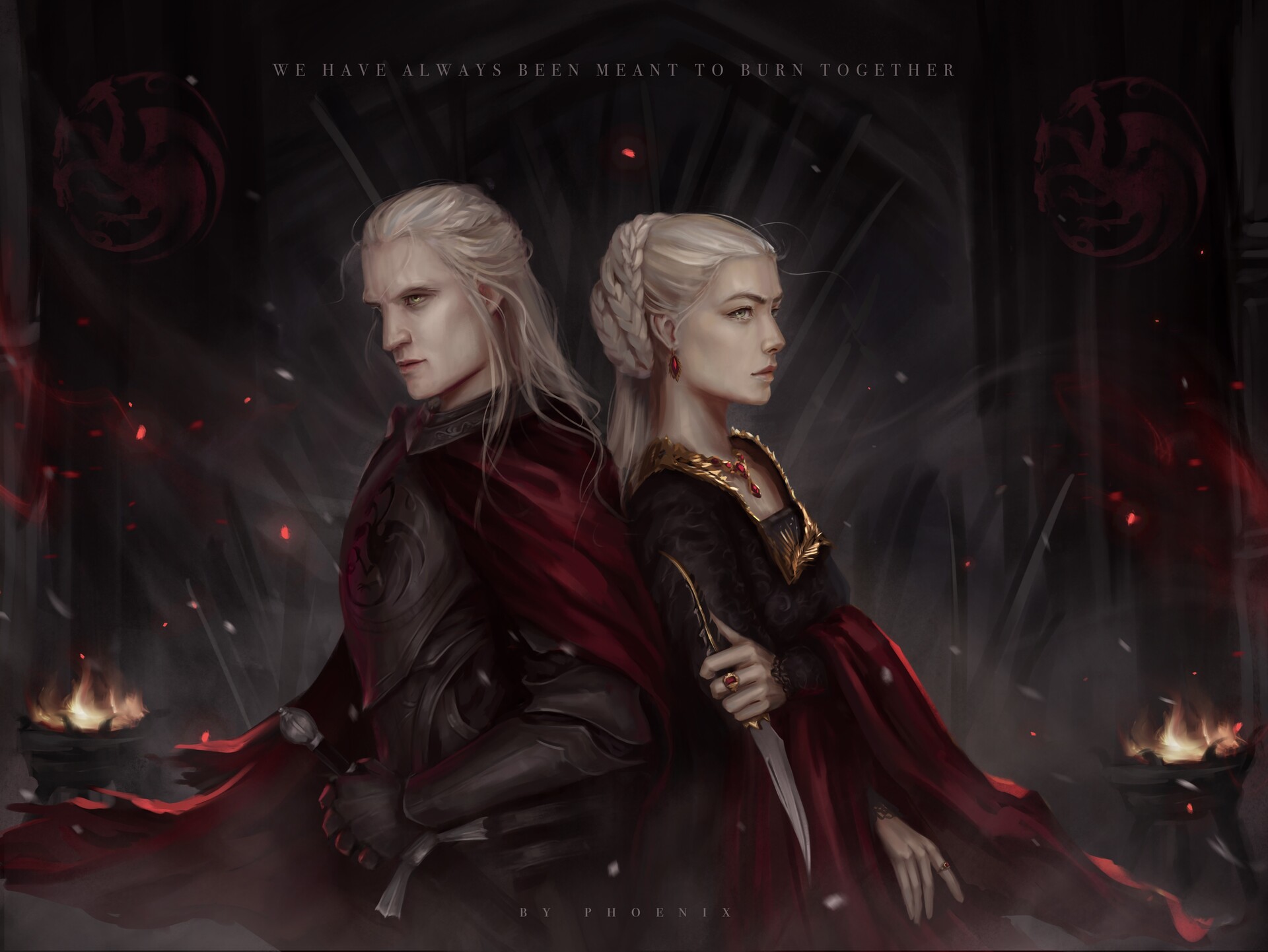
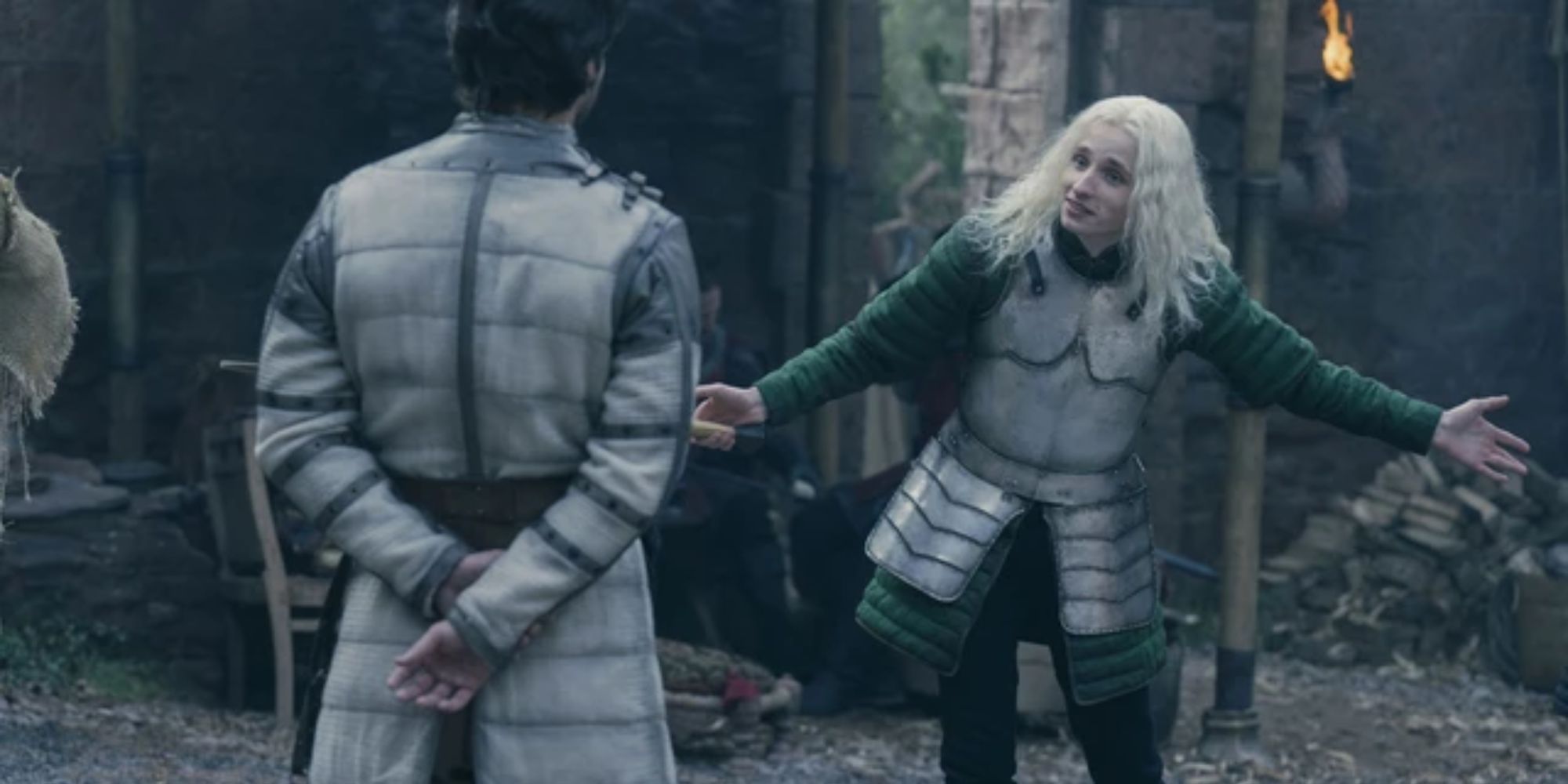
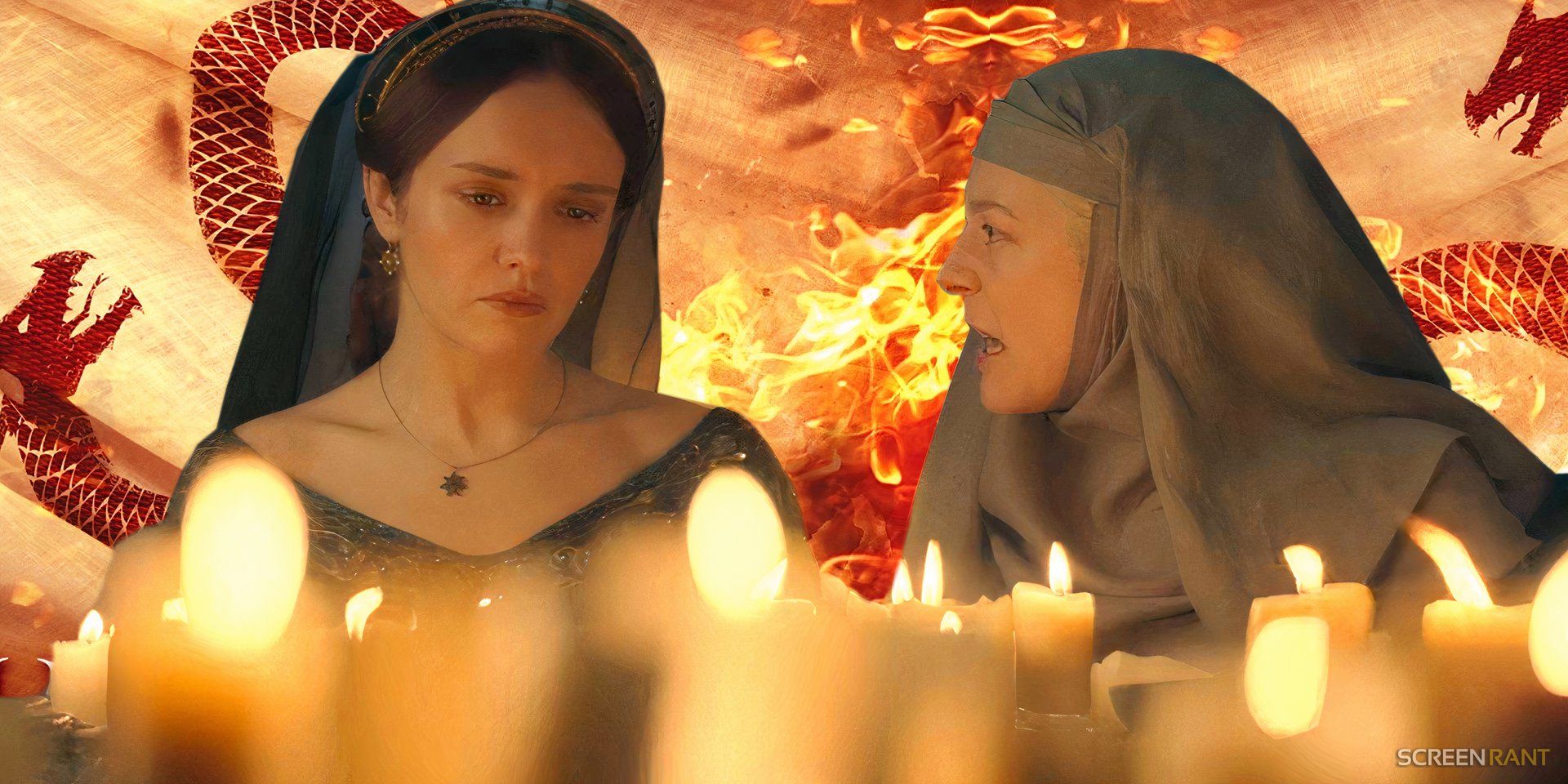
In the climax of the Dance of the Dragons, King Aegon II Targaryen executed his half-sister and rival claimant, Rhaenyra Targaryen, on Dragonstone in late 130 AC. After Rhaenyra fled the riots of King’s Landing, she was betrayed by Ser Alfred Broome and captured. Aegon II fed her to his dragon, Sunfyre, in front of her young son, Aegon III, marking a definitive but pyrrhic end to her reign and the height of the Targaryen civil war.
The Context of the Fatal Decision: A Kingdom in Ruins
By the year 130 AC, the Dance of the Dragons had decimated the Seven Kingdoms. What began as a dynastic dispute between the "Blacks" (supporters of Rhaenyra) and the "Greens" (supporters of Aegon II) had evolved into a scorched-earth conflict. The "fatal decision" often discussed by historians of Westeros refers to a series of tactical and psychological miscalculations that led Rhaenyra Targaryen back to the very place where her demise awaited: Dragonstone.
Rhaenyra’s hold on King’s Landing had collapsed following the Storming of the Dragonpit and the subsequent riots. Paranoid, grieving the loss of her children, and short on funds, she made the desperate choice to flee the capital. This decision was driven by a lack of secure alternatives; her husband Daemon was dead (presumed so after the Battle Above the Gods Eye), and her allies were scattered. She sold her crown to buy passage on a Braavosi merchant ship, the Violande, seeking the safety of her ancestral seat. However, she was unaware that Dragonstone had already fallen to Aegon II in secret.
The king, though crippled and hiding in a remote fishing village on the island, had orchestrated a coup within the castle. When Rhaenyra arrived, expecting a sanctuary, she instead walked directly into a trap set by the man she had sought to depose.
The Betrayal at Dragonstone: Ser Alfred Broome’s Role
The mechanics of Rhaenyra’s capture were facilitated by Ser Alfred Broome, a disgruntled knight of the Dragonstone garrison. Broome had been passed over for the position of castellan by Rhaenyra, who chose Ser Robert Quince instead. This perceived slight festered into resentment, making him the perfect instrument for the Greens.
When Aegon II arrived on the island following the Battle of Rook's Rest, he found a garrison ripe for mutiny. Broome led the internal betrayal, murdering the loyalist Ser Robert Quince and securing the castle for Aegon. When Rhaenyra reached the gates, she was greeted not by her loyal guards, but by Broome’s men.
This betrayal highlights the systemic failures of Rhaenyra’s leadership during the final months of her life. Her inability to reward loyalty and her growing suspicion of those around her—including the "Two Betrayers," Hugh Hammer and Ulf White—pushed even her long-standing supporters toward Aegon II. The "fatal decision" was not just her return to Dragonstone, but the alienation of the men who guarded her home.
The Execution: Sunfyre and the Death of the Realm’s Delight
The meeting between Aegon II and Rhaenyra Targaryen remains one of the most harrowing scenes in the history of the Seven Kingdoms. Aegon II, scarred by fire and broken by bone-shattering falls, confronted Rhaenyra in the courtyard of Dragonstone. Despite her capture, Rhaenyra remained defiant, famously calling Aegon a "usurper" even as she stood before him in chains.
Aegon II’s decision to execute her via dragonfire was both a symbolic and practical choice. He wished to utilize Sunfyre the Golden, his own dragon, to reaffirm his legitimacy and power. Sunfyre, however, was in a state of physical decay, having been maimed in battles at Rook's Rest and against the dragon Moondancer. The dragon was initially reluctant to strike, but after Alfred Broome pricked Rhaenyra’s breast with a dagger, the scent of blood roused the beast.
Sunfyre bathed Rhaenyra in a blast of flame before consuming her in six bites. The most tragic element of this event was the presence of Aegon the Younger, Rhaenyra’s son. Forced to watch his mother’s death, the trauma left him with a lifelong hatred of dragons and a melancholic disposition that would define his future reign as Aegon III.
Comparison of the Rival Monarchs at the Time of the Execution
The following table outlines the status of both claimants at the moment their conflict reached its terminal point on Dragonstone.
| Aspect | Rhaenyra Targaryen (The Blacks) | Aegon II Targaryen (The Greens) |
|---|---|---|
| Physical Condition | Exhausted, mourning, uninjured physically. | Critically burned, legs broken, reliant on milk of the poppy. |
| Dragon Status | Syrax (Dead at the Dragonpit). | Sunfyre (Maimed, dying from battle wounds). |
| Location | Dragonstone (Attempting to regroup). | Dragonstone (Hidden conqueror). |
| Political Support | Crumbling in the south, strong in the North/Vale. | Holding the capital by proxy, but facing insurgencies. |
| Succession Status | One surviving son (Aegon the Younger) in her company. | Sons dead; daughter Jaehaera surviving. |
The Tactical Miscalculation: Why Aegon II’s Victory Was Short-Lived
While Aegon II successfully ended Rhaenyra’s life, his victory was an empty one. His decision to execute her so brutally galvanized her remaining supporters rather than terrifying them into submission. The Cregan Stark-led "Winter Wolves" and the armies of the Riverlands, known as the "Lads," continued their march toward King’s Landing in Rhaenyra’s name, or rather, in the name of her son.
Aegon II returned to the Iron Throne in 131 AC, but he found a kingdom that refused to acknowledge him. His insistence on Rhaenyra being remembered only as a "Princess" and never as "Queen" in official records did little to erase the fact that her line would be the one to continue the Targaryen dynasty. Aegon II’s refusal to seek a diplomatic solution with the approaching Northern and Riverlands armies eventually led his own council to conclude that he was a liability.
The King’s death came not on the battlefield, but via a poisoned cup of wine, likely administered by his own advisors, including Lord Corlys Velaryon and Lord Larys Strong. The "fatal decision" of the execution on Dragonstone had created a martyr, making Aegon II’s final months a desperate, losing struggle to maintain a crown that no longer had a kingdom to support it.
The Psychological Impact on the Succession
The death of Rhaenyra at the hands of Aegon II fundamentally altered the Targaryen relationship with their dragons. The trauma inflicted upon Aegon III during the execution is widely cited by maesters as the primary reason for the subsequent decline of the species. As King, Aegon III did nothing to encourage the breeding of dragons, and the last of the beasts died during his reign, leading to his nickname, "Aegon the Dragonbane."
Furthermore, the execution set a legal precedent regarding female succession in Westeros. Following the Dance, the Great Council’s earlier leanings toward agnatic primogeniture (men over women) were solidified. The horror of the civil war was blamed on the ambiguity of Viserys I’s succession plan, leading the realm to favor male heirs almost exclusively to avoid a repeat of the carnage.
Legacy of the "Half-Year Queen"
In the history books written by the Maesters of the Citadel, Rhaenyra is often referred to as the "Half-Year Queen." Her execution by Aegon II is portrayed as the inevitable result of her "usurpation," though this view is heavily biased by the patriarchal nature of Westerosi scholarship.
As of 2026, modern analysis of the lore suggests that the "fatal decision" was not just a single act, but a cascade of failures. Rhaenyra’s loss of the capital and her subsequent capture proved that in the game of thrones, possession of the throne is secondary to the loyalty of the people and the military. Aegon II won the battle of the claimants on that courtyard in Dragonstone, but he lost the war for the Targaryen legacy.
Frequently Asked Questions
Why did Rhaenyra choose to return to Dragonstone instead of the North?
Rhaenyra returned to Dragonstone because she needed to hatch more dragon eggs to regain her military advantage. She believed the island was her safest stronghold and a place where she could recover before joining her allies in the North or the Vale. She did not know that Aegon II had already infiltrated the island and turned her garrison against her.
Did Aegon II regret executing Rhaenyra?
There is no historical evidence in Fire & Blood to suggest Aegon II felt remorse. On the contrary, his primary concern after her death was ensuring she was stripped of her title as Queen in all official records. His bitterness toward his half-sister remained until his own death by poisoning.
How did Sunfyre die after the execution?
Sunfyre the Golden died shortly after the execution of Rhaenyra. The dragon had suffered horrific injuries throughout the war, including a partially torn wing and missing scales. The effort of the execution and the consumption of Rhaenyra took the last of his strength, and he succumbed to his wounds on Dragonstone in late 130 AC.
What happened to Ser Alfred Broome?
Ser Alfred Broome’s betrayal did not grant him the long life he expected. When the "Hour of the Wolf" arrived and Cregan Stark took control of King’s Landing, those who had betrayed their oaths were held to account. While Broome was initially rewarded by Aegon II, he eventually met a violent end, consistent with the fates of many who played both sides during the Dance.
Was Rhaenyra ever officially considered a Queen?
In the official chronology of the Kings of Westeros, Rhaenyra is not listed as a monarch. She is remembered as Princess Rhaenyra. This was a direct result of Aegon II’s decrees following her death, which were upheld by subsequent kings to maintain the precedent that women could not inherit the Iron Throne before their male relatives.
Practical Recommendation for Lore Enthusiasts
For those seeking to understand the full scope of this event, it is recommended to consult the primary text Fire & Blood by George R.R. Martin. While secondary adaptations may offer visual representations of the execution, the nuances of the "fatal decision" are best explored through the competing accounts of Mushroom, Septon Eustace, and Grand Maester Munkun. Understanding the discrepancy between these accounts is vital for any serious study of the Targaryen dynasty.