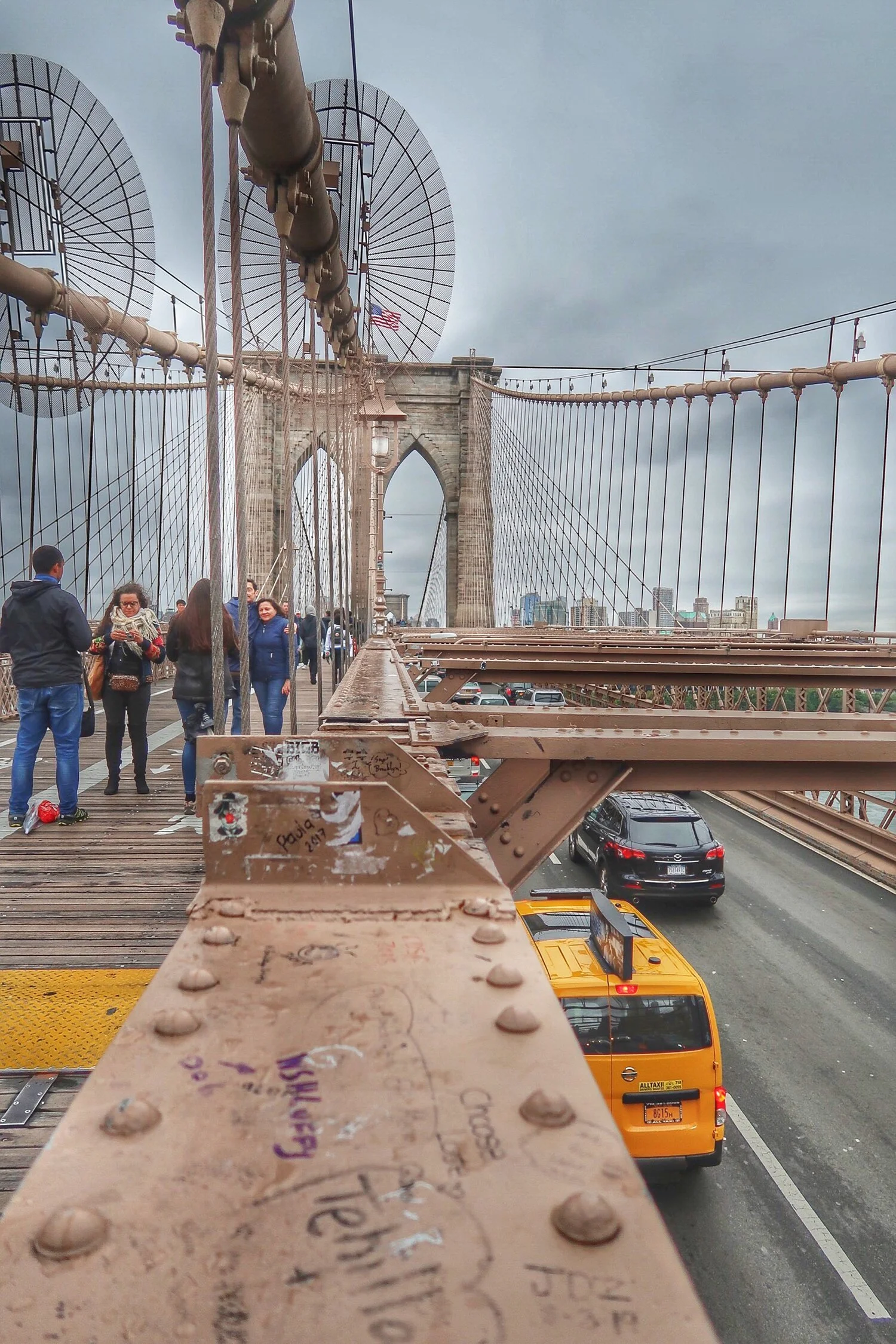
Embarking on adventures in Brooklyn offers a deep dive into one of the world's most dynamic cultural landscapes, blending historic architecture, world-class culinary destinations, and diverse neighborhood identities that stretch from the East River waterfront out to the sprawling expanses of eastern Queens borders. Whether you are navigating the historic brownstones of Brooklyn Heights, exploring contemporary art galleries in Bushwick, or walking along the historic shores of Coney Island, understanding the borough's layout, transit systems, and distinct regional micro-cultures is essential for a successful exploration.
Understanding Brooklyn: Geographic and Cultural Scope
Brooklyn functions as a patchwork of distinct neighborhoods, each retaining a strong sense of identity. Historically an independent city before consolidating with New York City in 1898, the borough covers roughly 71 square miles and houses over 2.6 million residents. For visitors and locals alike, planning adventures across this vast territory requires moving beyond generic sightseeing and engaging directly with the local infrastructure, transit nuances, and community rhythms.
Regional Breakdown of the Borough
To structure any exploration of Brooklyn, it helps to categorize the borough into distinct quadrants:
- Northwest Brooklyn (The Historic Core): Encompassing DUMBO, Brooklyn Heights, Downtown Brooklyn, and Cobble Hill, this area features cobblestone streets, sweeping Manhattan skyline views, and some of the oldest residential architecture in New York City.
- Central and Prospect Park Vicinity: Anchored by Prospect Park—designed by the same landscape architects behind Central Park, Frederick Law Olmsted and Calvert Vaux—this zone includes Park Slope, Crown Heights, and Flatbush, blending green spaces with cultural powerhouses like the Brooklyn Museum and the Brooklyn Botanic Garden.
- North Brooklyn (The Creative Corridor): Centered on Williamsburg and Bushwick, this sector is globally recognized for its contemporary arts scene, independent boutiques, nightlife, and industrial-chic adaptive reuse architecture.
- South and Southwest Brooklyn (The Coastal Communities): Stretching down to Bay Ridge, Bensonhurst, and Coney Island, these neighborhoods offer rich immigrant culinary traditions, historic seaside boardwalks, and a quieter residential pace compared to the northern districts.
Planning Your Logistics: Transit and Accessibility
Navigating Brooklyn efficiently requires mastering the Metropolitan Transportation Authority (MTA) subway and bus networks, as well as recognizing the realities of walking and cycling across long distances.
Subway and Bus Navigation
The New York City subway system connects Manhattan to Brooklyn via multiple trunk lines (such as the A, C, F, G, L, N, Q, R, 2, 3, 4, and 5 trains). However, navigating within Brooklyn can occasionally present challenges:
- The G Train Lifeline: The G train is the only major subway line that runs entirely through Brooklyn and Queens without entering Manhattan. It serves as a vital artery for traveling north-south between Greenpoint, Williamsburg, Bedford-Stuyvesant, and Clinton Hill.
- Express vs. Local Service: Lines like the 4, 5, B, Q, and D offer express service with fewer stops, which is crucial for cutting down travel times when moving from outer zones into Downtown Brooklyn or Manhattan.
- Omnny and Fare Payment: Standard fare payment relies on OMNY contactless payment systems (credit cards, smartphones, or wearable devices) or MetroCards, which remain fully supported.
Active Transportation and Micro-Mobility
Walking and cycling are often the most rewarding ways to experience Brooklyn's street-level details.
- Citi Bike: The municipal bike-share program operates extensive docking stations throughout North, Central, and Northwest Brooklyn, making point-to-point travel seamless.
- Protected Bike Lanes: Major corridors like Bedford Avenue, Prospect Park West, and the Manhattan Bridge bike path feature dedicated, protected infrastructure separating cyclists from vehicular traffic.
- Walking Bridges: Walking or biking across the Brooklyn Bridge or the Manhattan Bridge provides an iconic entry point into the borough, offering panoramic views of the harbor and skyline.
Essential Neighborhood Itineraries
Different districts cater to different exploration styles. Aligning your goals with the right neighborhood ensures an efficient and rewarding excursion.
Architectural and Cultural Immersion: Brooklyn Heights and DUMBO
For history buffs and photography enthusiasts, the waterfront interface of DUMBO (Down Under the Manhattan Bridge Overpass) and Brooklyn Heights provides an immediate introduction to the borough's industrial and residential past.
- The Brooklyn Heights Promenade: A cantilevered pedestrian walkway offering unobstructed views of the Lower Manhattan financial district, the harbor, and the Statue of Liberty.
- Historic Brownstone Streets: Walking along streets like Pierrepont Street or Willow Street reveals pristine 19th-century Greek Revival and Gothic Revival townhouses.
- Jane’s Carousel: Located in Brooklyn Bridge Park, this meticulously restored 1922 wooden carousel sits inside a glass pavilion designed by Jean Nouvel, offering a striking juxtaposition of historic craft and modern architecture.
Culinary and Artistic Exploration: Williamsburg and Greenpoint
North Brooklyn is synonymous with modern culinary innovation, independent retail, and post-industrial design.
- Smorgasburg: Operating seasonally at outdoor waterfront locations like Marsha P. Johnson State Park, this open-air food market features dozens of independent vendors showcasing global cuisines.
- McCarren Park: A central green space serving as a community hub for recreational sports, weekend markets, and casual gatherings.
- Greenpoint Waterfront: Explore a historic Polish-American neighborhood that blends long-standing bakeries and butcher shops with modern cafes, waterfront esplanades, and ferry landings.
Green Spaces and Cultural Institutions: Prospect Park and Vicinity
Central Brooklyn offers a dense concentration of cultural landmarks paired with expansive natural landscapes.
| Destination | Primary Feature | Approximate Location |
|---|---|---|
| Prospect Park | 526-acre park featuring a historic carousel, Long Meadow, and boathouse. | Park Slope / Prospect Lefferts Gardens |
| Brooklyn Museum | One of the oldest and largest art museums in the country, housing over 500,000 objects. | Eastern Parkway / Prospect Heights |
| Brooklyn Botanic Garden | 52-acre garden renowned for its Cherry Blossom collection and Japanese Hill-and-Pond Garden. | Washington Avenue / Crown Heights |
| Central Library | Iconic Art Deco building serving as the flagship branch of the Brooklyn Public Library system. | Grand Army Plaza |
Practical Considerations for Visitors and Explorers
To ensure a smooth experience during your adventures in Brooklyn, keep several operational realities and safety guidelines in mind.
- Weather Preparedness: Summers can be humid and hot, while winters bring freezing temperatures and occasional heavy snowfall. Layered clothing and durable walking shoes are essential year-round due to the extensive walking required.
- Crowd Management: Popular destinations such as DUMBO, Smorgasburg, and the Brooklyn Bridge pedestrian path experience heavy foot traffic on weekends. Visiting early in the morning on weekdays offers a quieter environment.
- Reservations and Ticketing: Major cultural institutions like the Brooklyn Museum and specialized venues often require timed-entry ticketing or advance reservations, particularly during special exhibitions.
- Neighborhood Etiquette: Brooklyn is a densely populated residential area. Be mindful of local residents when exploring quiet residential blocks, and support local, independent businesses whenever possible.
Frequently Asked Questions
What is the best way to travel between Manhattan and Brooklyn?
The subway is generally the fastest and most reliable method, with multiple lines connecting downtown and midtown Manhattan to various parts of Brooklyn. Alternatively, taking the NYC Ferry provides a scenic and cost-effective aquatic commute along the East River waterfront, stopping at DUMBO, Williamsburg, Greenpoint, and Sunset Park.
Is Brooklyn safe for solo travelers and pedestrians?
Brooklyn is generally safe for pedestrians and solo travelers, particularly in well-traveled commercial and residential districts. Standard urban awareness applies: keep valuables secure, remain aware of your surroundings when navigating unfamiliar areas late at night, and stick to well-lit main thoroughfares.
Can I explore Brooklyn on a budget?
Yes. Many of Brooklyn’s top attractions—including walking across the Brooklyn Bridge, strolling through Prospect Park, exploring the Brooklyn Heights Promenade, and visiting public waterfront parks—are entirely free. Additionally, cultural institutions often offer suggested admission fees or designated free hours.
How much time should I allocate for a trip to Brooklyn?
Because Brooklyn is geographically expansive and culturally diverse, a single day is only enough to scratch the surface of one or two neighborhoods (such as DUMBO and Brooklyn Heights). To properly experience a mix of parks, museums, and distinct neighborhood cultures, allocate at least three to four days.
What are the best months to visit Brooklyn for outdoor activities?
Late spring (May to June) and early autumn (September to October) offer mild, comfortable weather ideal for walking tours, outdoor markets, and park visits without the extreme heat and humidity of mid-summer.
Conclusion and Next Actions
Adventures in Brooklyn reward the curious traveler who looks beyond standard tourist itineraries and engages with the borough's distinct neighborhoods, rich history, and vibrant local culture. Start your planning by selecting one or two primary regions—such as combining the historic architecture of Brooklyn Heights with the green spaces of Prospect Park—and use the reliable MTA transit network or NYC Ferry to map out your daily routes. Check current operating hours for museums and seasonal markets before you depart, wear comfortable footwear, and allow yourself time to wander off the main avenues to discover independent cafes, local galleries, and hidden streetscapes.