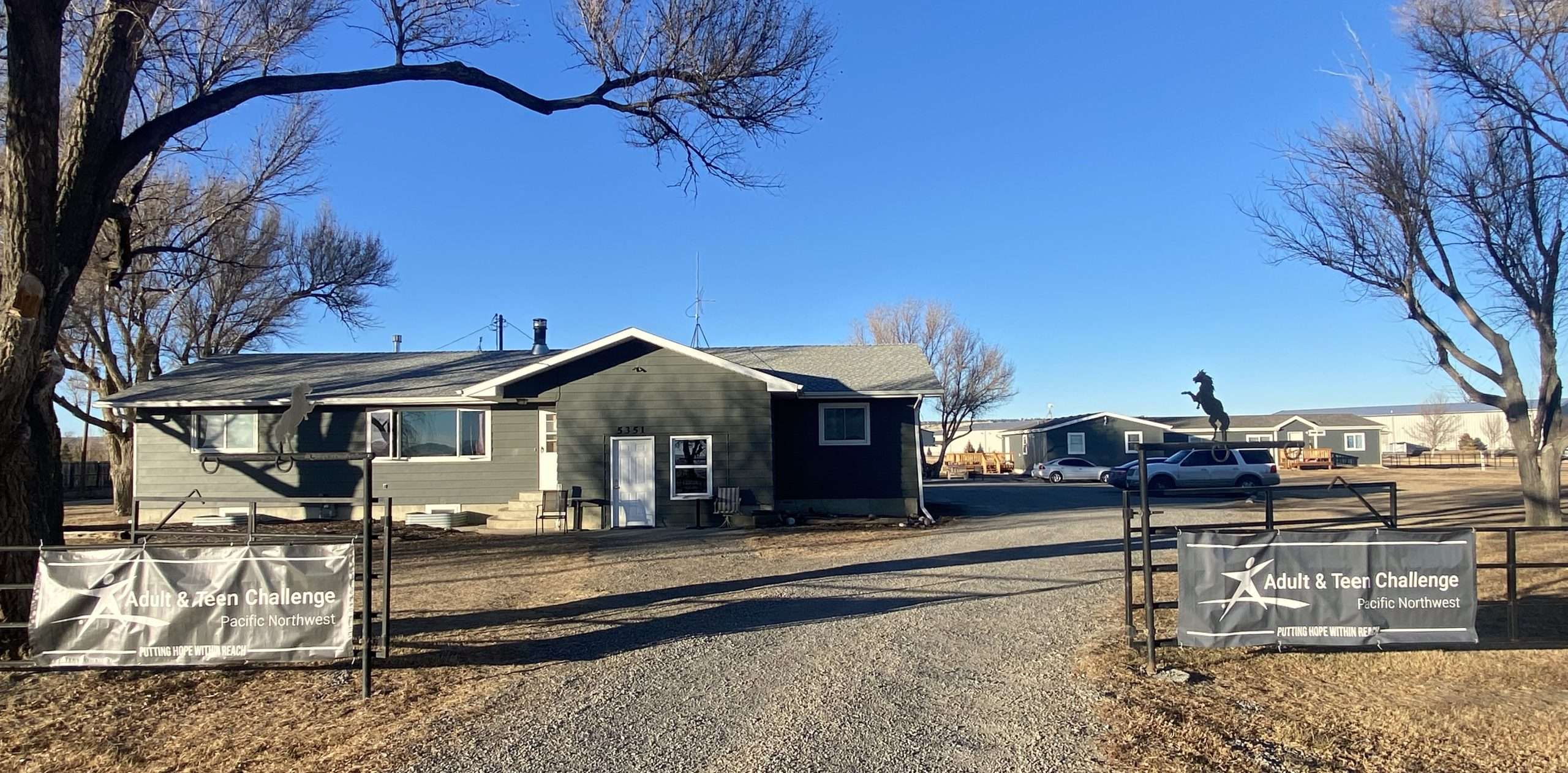
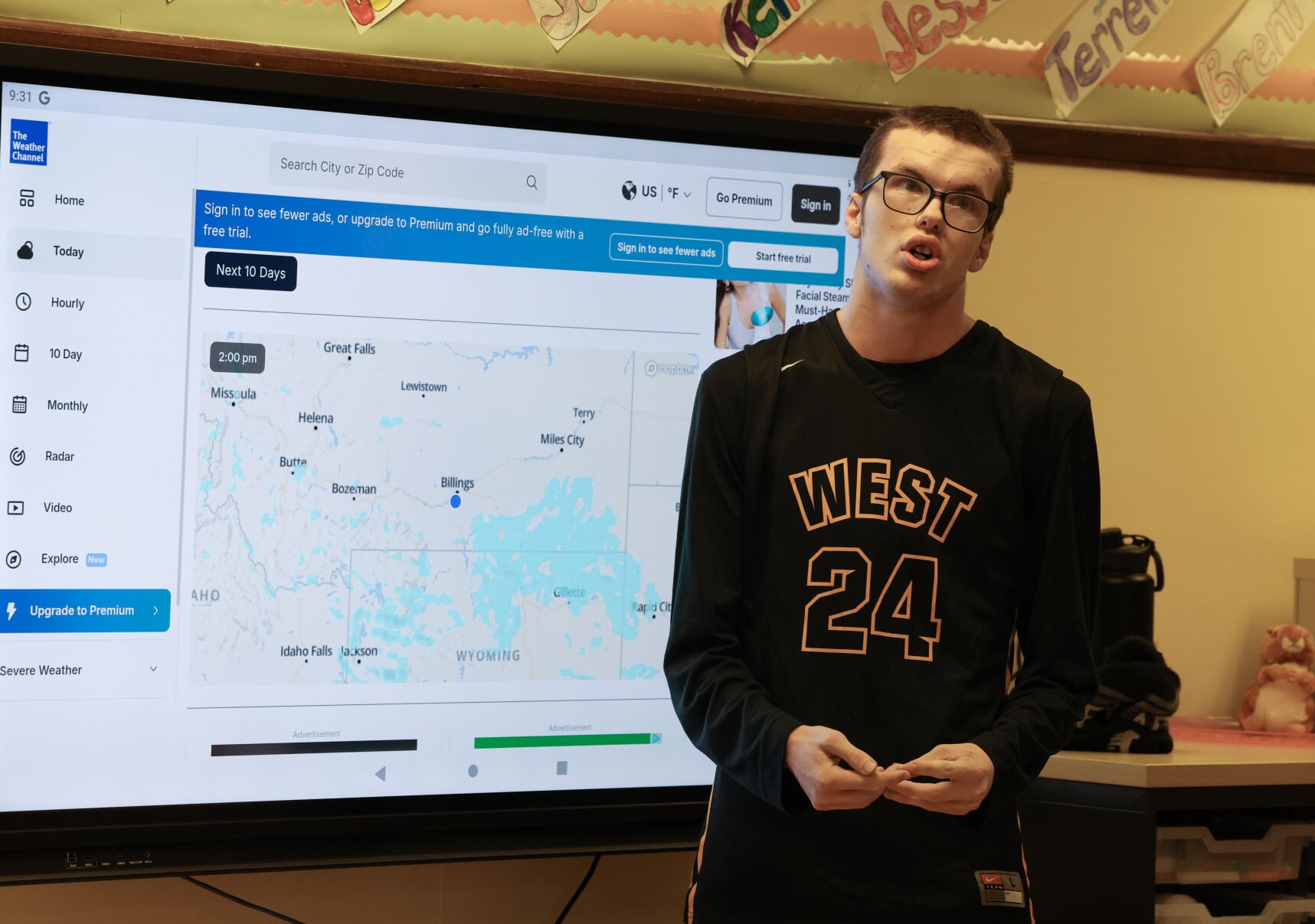
Adult education in Billings, Montana encompasses a wide array of learning pathways designed for residents seeking to complete their high school education, acquire English language proficiency, learn a trade, or develop new professional and personal skills. Whether individuals are preparing for the HiSET exam, pursuing career and technical training, or taking enrichment classes through local institutions, Billings offers community-focused infrastructure to support lifelong learning at any stage of life.
Overview of Adult Education Landscapes in Billings
Billings serves as the economic and educational hub of Montana, making it a focal point for regional educational resources. Adult education in the area is driven by a combination of public school district programs, community college initiatives, non-profit organizations, and state workforce development agencies. The primary objective of these programs is to bridge educational gaps, enhance employability, and foster a culture of continuous learning.
Unlike traditional K-12 education, adult learning systems are structured to accommodate complex schedules. Many learners balance full-time employment, family responsibilities, and financial constraints. Consequently, the educational framework in Billings emphasizes flexible scheduling, modular coursework, hybrid learning environments, and targeted support services such as career counseling and academic advising.
High School Equivalency: HiSET Preparation and Testing
One of the foundational components of adult education in Billings is high school equivalency preparation. Montana utilizes the High School Equivalency Test (HiSET) as its primary assessment for adults who did not complete traditional high school.
Preparation Programs
Local organizations and adult learning centers provide instruction tailored to the five core areas of the HiSET: Reading, Writing, Mathematics, Science, and Social Studies. Instruction is typically customized to the individual’s skill level, identified through initial diagnostic testing. This diagnostic phase ensures that students do not spend time reviewing concepts they have already mastered, allowing them to focus directly on areas requiring improvement.
Class formats vary to suit different learning styles and life commitments. Options frequently include:
- In-Person Classes: Structured classroom environments with direct instruction from certified educators.
- Self-Paced Independent Study: Online modules paired with periodic check-ins from instructional staff.
- Blended Learning: A combination of classroom instruction and digital home study.
Testing Logistics
Once students demonstrate readiness through practice tests, they can schedule their official HiSET exams at authorized testing centers in the Billings area. Test fees apply, though various local grants and non-profit programs occasionally offer financial assistance or fee waivers for eligible candidates. Passing the HiSET grants individuals a Montana High School Equivalency Diploma, opening doors to higher education, technical training programs, and enhanced career opportunities.
English Language Acquisition (ELA) and Literacy
As Billings continues to grow and diversify economically, the demand for English Language Acquisition (ELA)—formerly known as English as a Second Language (ESL)—has risen significantly. These programs are vital for integrating non-native speakers into the local workforce and community.
ELA programs in Billings focus on developing four core language competencies:
- Listening: Understanding spoken English in social, professional, and academic settings.
- Speaking: Communicating clearly and effectively with employers, colleagues, and community members.
- Reading: Comprehending written materials, workplace safety manuals, and legal documents.
- Writing: Drafting professional emails, filling out applications, and producing coherent text.
Beyond basic language instruction, advanced ELA classes often incorporate workforce preparation. Students learn specialized vocabulary related to healthcare, construction, hospitality, and office administration. This vocational integration helps accelerate the transition from language learning to stable, family-sustaining employment in the Billings labor market.
Career and Technical Education (CTE) and Workforce Training
For adults looking to re-enter the workforce, transition to a new industry, or advance within their current profession, career and technical education plays a critical role. Billings hosts institutions that specialize in bridging the gap between basic education and specialized employment.
Institutional Support
Post-secondary and vocational training providers in the area offer certificate programs, diploma pathways, and degree options. Notable among these is City College at Montana State University Billings, which provides career-focused technical education designed to meet the immediate labor demands of the region.
Common Vocational Pathways
Adult learners in Billings frequently enroll in programs centered around high-demand local industries, which include:
- Healthcare: Certified Nursing Assistant (CNA), medical billing and coding, and practical nursing.
- Trade and Industry: Welding, diesel technology, construction, and electrical systems.
- Information Technology: Network administration, cybersecurity fundamentals, and computer support specialist roles.
- Business and Office Technology: Bookkeeping, administrative assistance, and project management fundamentals.
| Educational Pathway | Primary Target Audience | Typical Duration | Main Outcome |
|---|---|---|---|
| HiSET Preparation | Individuals without a high school diploma | 3 to 12 months | High School Equivalency Diploma |
| ELA / ESL Classes | Non-native English speakers | Variable (ongoing) | Improved workplace and conversational fluency |
| Career & Technical Ed | Workers seeking skill upgrades or career changes | 6 months to 2 years | Industry certifications or technical degrees |
| Community Enrichment | Lifelong learners and hobbyists | Single sessions to 8 weeks | Personal growth, creative skills, or basic digital literacy |
Community Enrichment and Lifelong Learning
Education for adults in Billings is not exclusively vocational or remedial. A robust ecosystem of personal enrichment classes exists for residents seeking to learn new hobbies, enhance cultural awareness, or stay mentally active in retirement.
These non-credit courses are frequently hosted through local community education initiatives, public libraries, and arts organizations. Topics range from financial planning and homeownership to creative writing, digital photography, and foreign languages. These programs foster community cohesion and provide accessible entry points for individuals who may feel intimidated by formal academic environments.
Financial Considerations and Support Services
Navigating the financial aspects of adult education requires careful planning, but numerous resources exist to offset costs in Billings.
Tuition and Fees
Costs vary widely depending on the program. Basic literacy, HiSET preparation, and ELA classes are frequently offered free of charge or for a nominal registration fee through state and federally funded grant programs (such as those authorized by the Workforce Innovation and Opportunity Act). Conversely, career and technical education programs at colleges and trade schools involve standard tuition rates, textbook expenses, and lab fees.
Financial Aid Options
Eligible students enrolled in qualifying certificate or degree programs may apply for federal financial aid by completing the Free Application for Federal Student Aid (FAFSA). Additionally, state-specific workforce training grants, employer-sponsored tuition reimbursement programs, and local non-profit scholarships can significantly reduce out-of-pocket expenses.
Support Infrastructure
Adult learners often face non-academic barriers to success, such as childcare needs, transportation challenges, and housing instability. Local educational providers frequently collaborate with community action agencies in Billings to connect students with support networks, ensuring that logistical hurdles do not derail their educational journeys.
Common Challenges and How to Overcome Them
Returning to an educational environment as an adult presents unique psychological and practical challenges. Acknowledging these hurdles is the first step toward building a successful strategy for completion.
- Time Management: Balancing work, family, and study requires strict scheduling. Utilizing hybrid or asynchronous online courses can provide the necessary flexibility.
- Imposter Syndrome: Many adult learners worry they are too old to learn new concepts or that technology will be an insurmountable barrier. Programs in Billings routinely start with foundational digital literacy training to build student confidence.
- Financial Strain: Short-term loss of income or the immediate cost of materials can be daunting. Exploring employer assistance and workforce development grants early in the process helps mitigate financial anxiety.
Frequently Asked Questions
What are the age requirements for adult education programs in Billings?
Most adult education programs in Billings require students to be at least 16 or 18 years old, depending on whether they have officially withdrawn from the K-12 public school system. Programs funded through federal adult education acts generally focus on individuals aged 16 and older who are no longer enrolled in traditional secondary schools.
Are online adult education classes available in Billings?
Yes. Many local institutions and state-approved providers offer a mix of online, hybrid, and in-person courses. This hybrid flexibility allows students to complete coursework around shift work or caregiving responsibilities while still accessing local testing centers and support staff when needed.
How much does it cost to study for the HiSET in Billings?
Instruction and preparation classes offered through public adult education providers are often free or charge a minimal administrative fee. However, the official HiSET testing itself involves mandatory state and test-publisher fees per subtest. Fee assistance programs are sometimes available for qualifying low-income residents.
Can international residents take ELA classes in Billings?
Yes. English Language Acquisition programs in the area welcome immigrants, refugees, and international residents regardless of their background, provided they reside within the service area. These programs focus on practical communication skills needed for daily life and employment in Montana.
Do I need prior experience to enroll in vocational training at City College?
Prerequisites vary by program. While foundational certificates may require only a high school diploma or HiSET equivalent, more advanced technical degrees may require placement testing in mathematics and English to ensure student readiness.
Next Actions for Prospective Adult Learners
To begin an educational journey in Billings, prospective students should first identify their primary goal—whether that is obtaining a high school equivalency, learning English, or acquiring a technical trade.
- Assess Goals: Determine whether the objective is short-term employment certification or long-term academic credentialing.
- Contact Local Providers: Reach out directly to adult education centers, school district continuing education offices, or City College at MSU Billings to discuss current course schedules and enrollment deadlines.
- Complete Intake Assessments: Prepare for initial placement or diagnostic testing, which helps advisors place students in the most appropriate tier of instruction.
- Explore Funding: Inquire about scholarships, federal financial aid, and workforce development grants before finalizing registration.