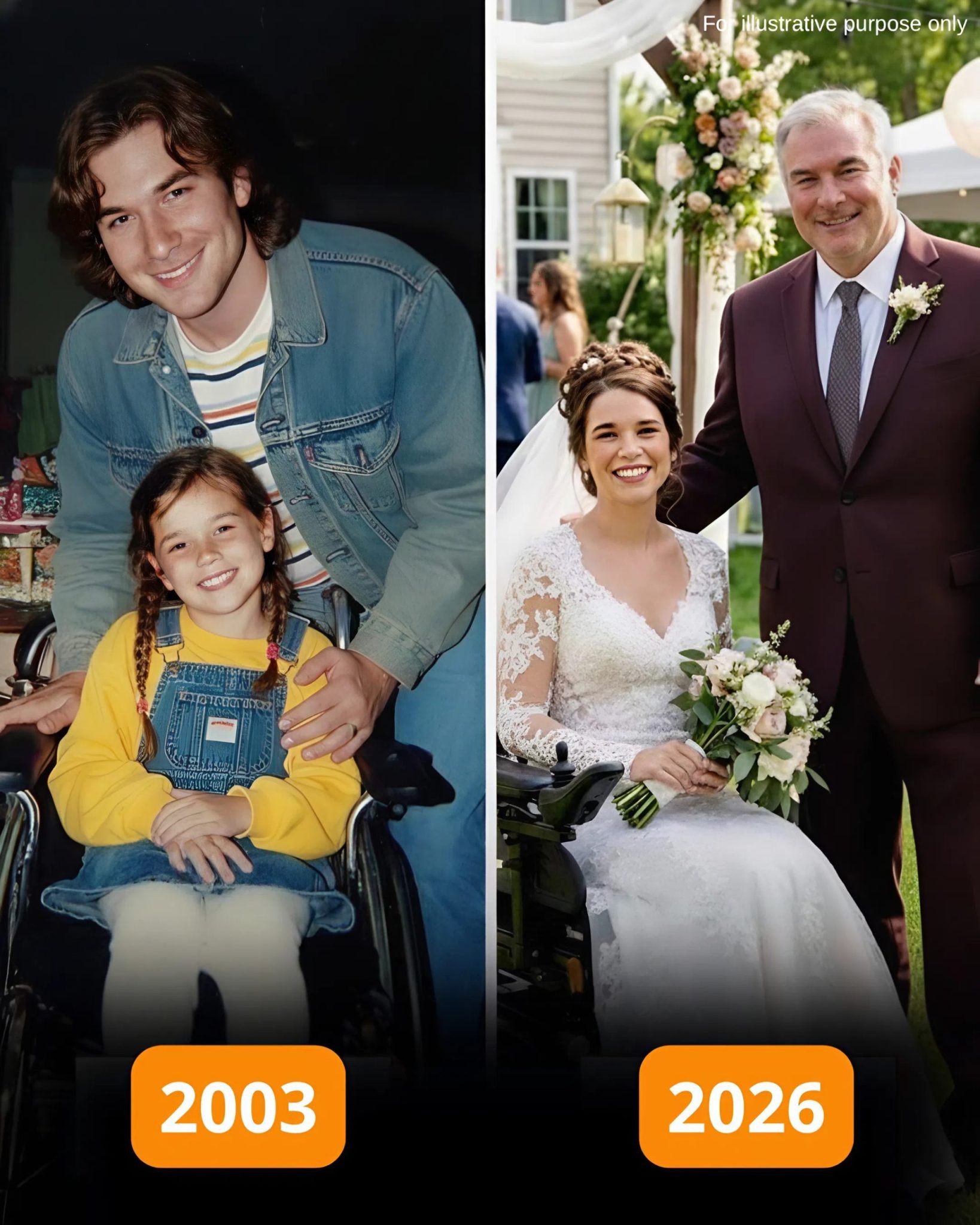
In the United Kingdom, it is not legally possible to adopt a person who is 18 years of age or older. Under the Adoption and Children Act 2002, an adoption order can only be made for an individual who is under 18 at the time the application is submitted. While "adult adoption" exists in some international jurisdictions, UK law focuses on the transfer of parental responsibility, which naturally expires when a child reaches legal adulthood.
The Statutory Barrier: Understanding the Adoption and Children Act 2002
To understand why you cannot adopt a 20-year-old daughter in the UK, one must look at the primary legislation governing family shifts: the Adoption and Children Act 2002. This act serves as the foundation for all adoption proceedings in England and Wales (with similar provisions in the Adoption and Children (Scotland) Act 2007 and the Adoption (Northern Ireland) Order 1987).
The law is explicit regarding age. For a court to grant an adoption order, the individual being adopted must be a "child." Within the context of this legislation, a child is defined as someone who has not yet reached their 18th birthday. Furthermore, the application for the adoption order must be lodged with the court before the individual turns 18. If a person is 20 years old, they are legally an adult with full autonomy, and the concept of "parental responsibility"—the legal bundle of rights and duties a parent has toward a child—no longer applies in the same way.
The primary purpose of adoption in the UK is to provide a permanent family for a child who cannot be raised by their birth parents. Because an adult is deemed capable of making their own legal and lifestyle decisions, the state does not see a "welfare" requirement to transfer legal parenthood. This can be frustrating for families who have formed deep emotional bonds later in life or for stepparents who wish to formalize a relationship with a stepchild who has already crossed the threshold into adulthood.
Why Adult Adoption is Sought and the Legal Vacuum
Despite the legal prohibition, many families in 2026 continue to seek ways to formalize the bond with a "daughter" or "son" who is over 20. The motivations are rarely about "parenting" in the sense of discipline or schooling; instead, they focus on:
- Emotional Recognition: Validating a relationship that feels like a parent-child bond in every way except on paper.
- Inheritance Security: Ensuring the adult child has the same automatic rights as a biological child.
- Next-of-Kin Status: Guaranteeing that the "parents" have the right to be consulted in medical emergencies or legal crises.
- Identity and Naming: Sharing a family surname and having that reflected in official records.
In some countries, such as certain states in the US or parts of Europe, adult adoption is a simple administrative process used to formalize these exact points. However, the UK has resisted these calls for reform, maintaining that the legal system for adults should be handled through contracts, wills, and other civil instruments rather than a rewrite of a person's birth certificate.
Legal Alternatives: How to Formalize the Bond for a 20-Year-Old
Since a formal adoption certificate is unavailable, families must use a "patchwork" of legal tools to achieve the same functional results. In 2026, these methods are the standard route for those wishing to "adopt" an adult daughter.
1. Changing the Surname via Deed Poll
One of the most significant symbolic steps in adoption is the taking of the family name. A 20-year-old can change her surname at any time through a Deed Poll. This is a legal document that proves a change of name. Once the Deed Poll is executed, the daughter can update her passport, driving license, bank accounts, and NHS records to reflect her new family identity. While this does not change her birth certificate, it establishes a public and permanent link to the family.
2. Strategic Inheritance Planning and Wills
In a standard adoption, the adopted child gains the same inheritance rights as a biological child under the rules of intestacy. For a 20-year-old who cannot be adopted, these rights do not exist automatically. If the "parents" die without a will, the adult daughter may receive nothing, and the estate could go to distant biological relatives.
To remedy this, the parents must draft a Last Will and Testament specifically naming the daughter as a beneficiary. In 2026, it is also advisable to include a "Letter of Wishes" explaining the relationship. This helps protect the daughter's inheritance if other relatives attempt to contest the will under the Inheritance (Provision for Family and Dependants) Act 1975.
3. Lasting Power of Attorney (LPA)
An adoption order grants parents the right to make decisions for a child. For an adult daughter, this can be replicated using a Lasting Power of Attorney. The daughter can appoint her "adoptive" parents as her attorneys.
- Health and Welfare LPA: This allows the parents to make decisions about her medical care and daily routine if she becomes unable to do so herself.
- Property and Financial Affairs LPA: This allows the parents to manage her finances, pay bills, or sell property on her behalf if needed.
4. Next of Kin Formalization
In the UK, "next of kin" is not a strictly defined legal term in the way many believe. However, in hospital settings, staff will usually ask the patient who they want to be notified. A 20-year-old daughter can formally designate her chosen parents as next of kin in medical records and workplace emergency contact forms.
Comparative Rights: Legal Adoption vs. Adult "Social" Adoption
The following table illustrates the differences between a standard adoption (under 18) and the legal status of an adult daughter who is "socially adopted" using the alternatives mentioned above.
| Feature | Legal Adoption (Under 18) | Adult Social Adoption (20+) |
|---|---|---|
| Birth Certificate | Issued a new Adoption Certificate | Original remains unchanged |
| Parental Responsibility | Transferred to adopters until 18 | Does not exist for adults |
| Surname Change | Automatic via Court Order | Via Deed Poll |
| Inheritance Rights | Automatic (Intestacy rules) | Must be specified in a Will |
| Medical Decisions | Parents decide automatically | Requires Power of Attorney |
| Citizenship/Immigration | Can confer British Citizenship | Does not confer citizenship |
| Legal Status | Irrevocable legal bond | Collection of revocable civil links |
The Stepparent Nuance
If the 20-year-old is a stepdaughter, the situation remains the same. Stepparents often wait until a child is older to consider adoption, not realizing there is an age cap. While a stepparent can obtain Parental Responsibility via a court order or agreement while the child is under 18, this responsibility expires at 18.
If you are a stepparent to a 20-year-old, you cannot use the "Stepparent Adoption" path provided by the Gov.uk guidance. Your relationship is now legally defined as two consenting adults. However, the emotional bond is no less valid, and the use of a Will and Deed Poll remains the recommended path to formalize that bond.
Potential Challenges and Common Mistakes
When attempting to navigate the lack of adult adoption in the UK, families often encounter several hurdles.
Immigration and Nationality Issues
One of the most common reasons people seek adult adoption is to secure a visa or British citizenship for a loved one. It is crucial to understand that even if the UK allowed adult adoption, the Home Office generally does not recognize adoptions for immigration purposes if they occur after the age of 18. If a 20-year-old daughter is a foreign national, "social adoption" through wills or name changes will provide no benefit to her right to remain in the UK.
Contested Estates
Even with a will, the biological relatives of the parents might challenge the daughter's right to inherit. In the UK, the law allows certain people to claim against an estate if they feel they haven't been left "reasonable financial provision." Because the 20-year-old is not legally a "child of the deceased," she may be in a more vulnerable position than a biological or legally adopted child. Frequent consultation with a solicitor specializing in the Trusts and Succession field is essential in 2026.
The Myth of "Common Law" Adoption
There is a persistent myth that if you live with someone long enough and treat them as a daughter, they become your legal child. There is no "common law" adoption in the UK. Without a formal court order (for minors) or the civil documents mentioned above (for adults), the law views you as legal strangers.
The Psychological Value of a "Naming Ceremony"
Since the law provides no ceremony for adult adoption, many families in 2026 choose to hold private "Family Commitment Ceremonies." While these have no legal weight, they provide the emotional closure and public declaration of family unity that many seek. These ceremonies often coincide with the signing of the Deed Poll or the formalization of a new Will, serving as a milestone for the family.
Frequently Asked Questions
Can I adopt a 20-year-old if she has a disability and I am her carer?
No. Even if the adult has significant needs or a disability, the Adoption and Children Act 2002 still applies its age limit of 18. In these cases, you should look into Court of Protection deputyship or a Health and Welfare Power of Attorney. This gives you the legal authority to care for her and make decisions without the need for an adoption order.
Does the law differ in Scotland for adult adoption?
While Scottish law has some distinct variations in family law, the age limit for an adoption order is consistent across the UK. You cannot adopt an adult in Scotland. The Adoption and Children (Scotland) Act 2007 focuses on the welfare of the child, defined as a person under 18.
Can we go abroad to adopt her and then bring her back to the UK?
If you adopt an adult in a country where it is legal (such as the USA), the UK government will generally not recognize that adoption for legal purposes within the UK. It will not change her UK legal status, her birth certificate, or her inheritance rights under UK law. Furthermore, it will not grant her a UK visa.
What is the cost of the "alternative" adoption process?
The costs vary depending on the depth of legal protection you seek. A Deed Poll can be done for under £50 (or even for free if unenrolled). However, professional Wills and Lasting Powers of Attorney can cost anywhere from £300 to £1,000 depending on the complexity. These are essential investments to mimic the security that an adoption order provides.
Is there any movement to change adult adoption laws in 2026?
There have been various petitions and discussions in Parliament regarding the introduction of adult adoption, primarily to help care leavers and long-term foster children formalize their bonds with foster parents. As of 2026, however, no legislation has been passed to amend the 18-year-old cut-off.
Summary of Next Actions
If you wish to "adopt" a 20-year-old daughter in the UK, your path is not through the family courts, but through civil law. To provide her with the most secure status possible, you should:
- Execute a Deed Poll: Formally change her surname to yours to establish a shared identity.
- Draft Professional Wills: Ensure she is named as a "child" for the purposes of your estate, using specific language to prevent challenges from other relatives.
- Set up Lasting Powers of Attorney: Ensure you have the legal right to assist her in medical or financial crises.
- Update Emergency Records: Ensure all medical and workplace records list the "adoptive" parents as the primary contact and next of kin.
By taking these steps, you can create a legal framework that mirrors the protections of adoption, even if the formal title remains out of reach under current UK statutes.