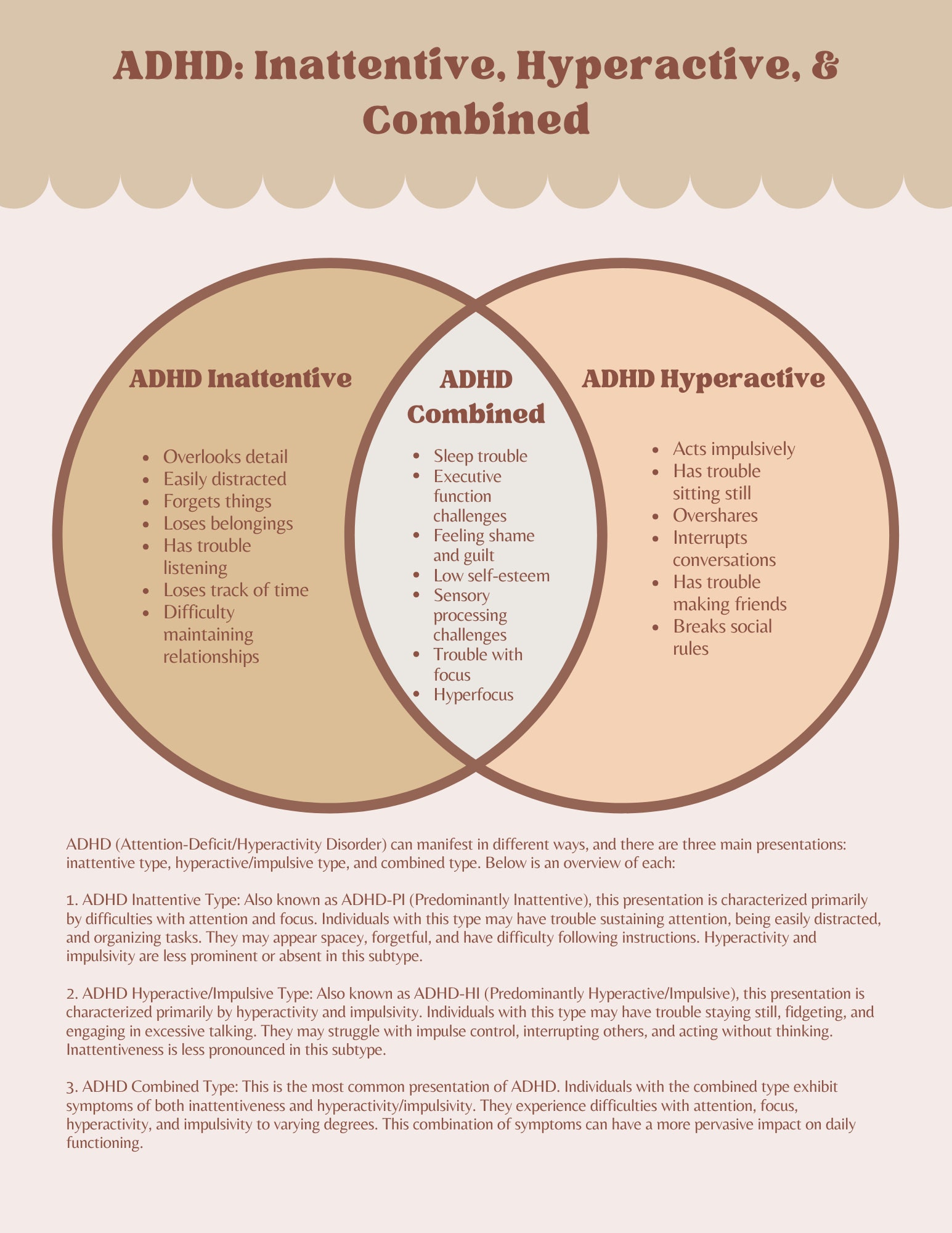
Attention-deficit/hyperactivity disorder (ADHD) presents a unique cognitive profile in theatrical and camera performance, combining challenges in working memory, executive function, and sensory regulation with powerful artistic strengths like intense emotional availability, hyperfocus, and spontaneous improvisation. By implementing targeted rehearsal strategies, structured line-memorization protocols, and appropriate professional accommodations, actors with ADHD can effectively manage industry demands while channeling their neurodivergent traits into compelling performances.
The Neurodivergent Actor: Understanding ADHD on Stage and Screen
Performing arts require an extraordinary convergence of cognitive processes: rapid script memorization, precise spatial awareness (blocking and mark-hitting), deep emotional access, continuous active listening, and instant adaptation to live cues. For actors with ADHD—a neurodevelopmental condition characterized by altered dopamine pathways, executive dysfunction, and emotional dysregulation—the traditional demands of rehearsals and live shows present distinct psychological and logistical dynamics.
Executive function encompasses the brain's command center: working memory, cognitive flexibility, response inhibition, and task initiation. In a traditional conservatory or professional environment, actors are often expected to sit through lengthy table reads, absorb complex directional notes rapidly, and maintain consistent focus across multi-hour film shoots or eight-show performance weeks. When executive function operates non-typically, standard methods of preparation can lead to cognitive overload, fatigue, or performance anxiety.
However, the ADHD brain is not incapable of focus; rather, it experiences interest-based nervous system regulation. When an actor with ADHD engages with a captivating script or an intense scene partner, the brain can enter a state of hyperfocus—a deeply immersive cognitive flow state where external distractions fade and emotional connection heightens. Understanding how ADHD manifests in performance allows actors, directors, and stage managers to replace frustration with effective systems.
Transformative Strengths: How ADHD Enhances Dramatic Performance
While discussion around ADHD frequently centers on operational challenges, neurodivergent performers frequently possess distinct artistic advantages that align closely with high-level acting techniques.
| ADHD Trait | Performance Application |
|---|---|
| Dynamic Dopamine System | High Stage Energy & Spontaneity |
| Hyperfocus Capability | Deep Immersion & Character Absorption |
| Emotional Reactivity | Authentic Empathy & Raw Vulnerability |
1. High Spontaneity and Unfiltered Presence
Meisner and Stanislavski techniques place high value on living truthfully under imaginary circumstances and responding in real time to a partner's impulses. Performers with ADHD often have reduced latent inhibition—the cognitive filter that screens out environmental stimuli. In an acting context, this lower inhibition translates into immediate, unfiltered reactions to subtle shifts in a scene partner's tone, gesture, or eye contact, creating dynamic, unpredictable performances.
2. Deep Emotional Resonance and Empathy
Many individuals with ADHD experience intense emotional reactivity, feeling feelings deeply and rapidly. While this can complicate daily life, it serves as an extraordinary asset on stage or screen. The ability to access visceral grief, joyful exuberance, or sudden anger without long periods of psychological preparation allows ADHD actors to hit demanding emotional marks reliably during takes or scene beats.
3. Rapid Problem-Solving in Live Theater
Live performance is inherently unstable: props fail, lines are dropped, sound cues misfire, and set pieces malfunction. The ADHD brain thrives under novel, high-arousal conditions. When an unexpected error occurs during a live show, neurodivergent actors often experience a surge of clarity, improvising seamlessly to protect the illusion of the show while neurotypical actors might freeze or break character.
Overcoming Core Challenges in Rehearsal and Production
Despite these natural creative advantages, the operational demands of professional acting can conflict directly with ADHD symptoms. Addressing these challenges requires replacing standard rehearsal habits with neurodivergent-optimized workflows.
Working Memory Deficits and Line Memorization
Working memory—the temporary mental workspace used to hold and manipulate information—is frequently impaired in ADHD. Sitting down to passively read a script repeatedly ("rote memorization") is often the least effective way for an ADHD actor to retain text, leading to rapid distraction and poor retention.
Tactile and Multi-Sensory Script Learning Strategies:
- Kinesthetic Encoding: Learn lines while engaging in physical movement (walking, juggling, throwing a ball, or running through blocking). Linking speech to physical action bypasses reliance on pure visual or auditory memory, building motor-memory pathways for text.
- Audio Loop Recording: Record scene partners' lines on an audio app (such as Line Learner or Smartlines), leaving silent gaps for your own dialogue. Listen while driving, cooking, or walking to absorb cadence and cues passively.
- Color Coded Visual Annotation: Highlight scripts using visual patterns. Color-code objectives, tactics, or emotional transitions rather than just text. High visual contrast keeps the ADHD brain engaged during script work.
- Chunking and Backward Chaining: Break long monologues into bite-sized "beats" (3–4 sentences). Learn the final beat first, then work backward to the beginning. Starting with the most familiar material creates positive reinforcement as you move through the text.
Managing Rejection Sensitive Dysphoria (RSD) in Auditions
Rejection Sensitive Dysphoria (RSD) is a intense emotional response to perceived or actual rejection, criticism, or failure. In an industry built on constant casting rejections and blunt directorial notes, unchecked RSD can lead to severe performance anxiety, avoidance behaviors, or premature career dropouts.
To counteract RSD:
- Separate Feedback from Self-Worth: Frame notes from directors not as personal corrections, but as practical adjustments to the creative composition.
- Establish Post-Audition Rituals: Create a strict transition routine after leaving an audition room (e.g., listening to a specific playlist, logging the audition in a tracker, and moving immediately to an unrelated task) to prevent ruminating on performance flaws.
- Reframing the Audition's Purpose: Shift focus from "getting the job" (an outcome outside your direct control) to "delivering a clear, specific choices" (an outcome completely within your control).
Backstage Overstimulation and Sensory Regulation
The backstage environment of a theater or a busy film set can cause sensory overload. Bright lights, loud chatter, ringing cues, costume changes, and chaotic props setups drain executive function before an actor even steps into the spotlight.
Actors should build a sensory management toolkit:
- Use noise-canceling headphones backstage until half-hour or call times.
- Keep small, quiet stim tools (fidget rings, tactile fabrics) in costume pockets to ground the nervous system between scenes.
- Establish a designated quiet zone backstage with stage management approval for deep breathing or mental imagery prior to major entrances.
Adaptation Matrix: Traditional Techniques vs. ADHD-Optimized Strategies
The following matrix illustrates how conventional acting methodologies can be adapted to better accommodate ADHD cognitive profiles:
| Acting Domain | Traditional Approach | Common ADHD Friction Point | ADHD-Optimized Adaptation |
|---|---|---|---|
| Script Analysis | Sitting at a desk, writing long-form character biographies and subtext notes. | Task initiation paralysis, executive fatigue, loss of focus. | Mind-mapping visual diagrams; voice-recording character thoughts while pacing; using bullet-point beats. |
| Line Memorization | Silent, repeated reading of script pages line-by-line. | Working memory burnout; mind wandering; poor recall under stress. | Kinesthetic repetition (moving while speaking); audio app playback; active dialogue recording with pauses. |
| Maintaining Blocking | Memorizing stage directions by rote from written rehearsal notes. | Spatial confusion, difficulty translating written directions to physical memory. | Mapping stage space visually with sketch diagrams; recording physical movements on video during rehearsal for visual review. |
| Director’s Notes | Listening silently to long post-rehearsal note sessions and writing them down. | Auditory processing delays; forgetting verbal notes; distraction during long meetings. | Audio recording note sessions (with permission); requesting written notes via email; using shorthand bullet journals. |
| On-Set Waiting | Sitting quietly in green rooms or holding areas for hours between takes. | Severe dopamine drop, restlessness, brain fog, sudden energy crashes before calls. | Controlled physical movement; engaging in low-stakes creative tasks; micro-naps; structured snacking to regulate glucose. |
Professional Accommodations and Self-Disclosure
Navigating professional relationships in theater, film, and television requires careful consideration regarding when and how to request adjustments. Under disability protection frameworks such as the Americans with Disabilities Act (ADA) in the United States or the Equality Act 2010 in the United Kingdom, performers are entitled to reasonable accommodations that do not impose an undue hardship on production operations.
Should You Disclose Your ADHD Status?
Disclosure is a personal decision that depends on workplace culture, safety, and individual needs.
- When to Consider Disclosure: If you require structural accommodations (such as early access to scripts, written copies of verbal notes, or specific scheduling adjustments), informing stage management, directors, or production staff can establish a clear framework for support.
- Framing Accommodations Professionally: When requesting adjustments, focus on process optimization rather than limitations. Frame requests in terms of performance efficiency:
- Instead of: "I have ADHD and can't remember verbal notes during long meetings."
- Try: "To make sure I hit every note accurately tomorrow, I record our note sessions on my phone so I can review them while going over my script tonight."
Working Effectively with Stage Managers and Directors
Stage managers are the operational nerve center of theatrical productions, while assistant directors (ADs) manage film sets. Clear communication with these key personnel ensures smoother rehearsals:
- Script Continuity: Request updated script revisions in digital formats (such as searchable PDFs) compatible with screen readers or annotation software like GoodNotes or Scriptation.
- Call Sheet Buffer: Build a mandatory 15-to-20-minute buffer into personal travel time to combat time blindness—a common ADHD executive dysfunction where tracking time accurately is difficult.
- Clear Cues: Ask stage managers for direct visual or auditory pre-cues if backstage distractions make tracking scene changes challenging.
Pharmacological and Somatic Considerations for Performers
Managing ADHD in a high-intensity performance environment often involves balancing medical management with physiological demands.
Disclaimer: Medical decisions regarding ADHD diagnosis, medication selection, and dosage timing must be made under the supervision of a licensed healthcare professional.
PERFORMANCE SCHEDULE TIMELINE:
- Morning Call
- Morning Dose
- Take with protein
- Track dry mouth
- Rehearsal / Shoots
- Peak Focus
- Hydrate & snack
- Track restlessness
- Curtain / Rolling
- Evening Crash?
- Plan split-dose or somatic ground
Medication Timing and Live Show Schedules
Central nervous system stimulants (such as methylphenidate or amphetamine formulations) and non-stimulant medications (such as atomoxetine or guanfacine) affect executive control, heart rate, and emotional expression.
- The Evening Performance Crash: Many stimulant medications wear off after 8 to 12 hours. For theatrical performers whose curtain time is 7:30 PM, taking medication at 7:00 AM can lead to an executive function "rebound crash" precisely when peak focus and physical stamina are required on stage. Actors should consult their prescribing physician to adjust dosing schedules or explore split-dosing strategies for evening shows.
- Managing Xerostomia (Dry Mouth): Stimulant medications frequently cause dry mouth, which directly impacts vocal articulation and throat health. Performers should utilize vocal steamers, stay hydrated with electrolyte solutions, and keep non-medicated vocal lozenges nearby backstage.
- Preserving Emotional Range: Some performers express concern that medication might "flatten" their emotional responsiveness on stage. Working closely with a psychiatrist to fine-tune dosage ensures executive control is supported without dulling dynamic emotional expression.
Somatic Grounding and Nervous System Regulation
Hyperactivity and physical restlessness can lead to tension in the body, which restricts vocal breath support and movement freedom. Somatic techniques help ground the nervous system before going on stage:
- Box Breathing (4-4-4-4): Inhale for 4 seconds, hold for 4 seconds, exhale for 4 seconds, hold for 4 seconds. This stimulates the vagus nerve, reducing autonomic arousal and stage fright.
- Progressive Muscle Relaxation (PMR): Systematically tense and release muscle groups from toes to face. This process releases stored muscular tension and brings awareness back to physical form, aiding blocking precision.
- Alexander Technique and Lessac Work: Engaging in somatic voice and body frameworks helps neurodivergent actors align breath, body, and text naturally without over-thinking physical execution.
Frequently Asked Questions
Can ADHD make someone a better actor?
Yes. Many actors with ADHD excel due to high emotional empathy, spontaneous reactivity, creative intuition, and the ability to enter intense states of hyperfocus during scenes. While administrative and memorization tasks require structured systems, the core creative process often benefits directly from neurodivergent cognitive styles.
How can an actor with ADHD learn lines fast without getting distracted?
Rote memorization (reading text silently at a desk) is rarely effective for ADHD brains. Instead, combine physical movement with line recitation (kinesthetic learning), use dedicated memorization apps that hide dialogue behind prompts, record audio tracks with pauses for your responses, and break long speeches down into small, backward-chained beats.
How should an actor manage time blindness regarding call times and auditions?
Time blindness can be addressed by building external visual and auditory support systems. Set multiple alarms with distinct sounds, use visual timers (like Time Timer) to make time elapsed visible, build mandatory 20-minute buffers into travel plans, and prepare costumes, props, and scripts the night before an audition or shoot.
Is it necessary to disclose an ADHD diagnosis to a casting director or agent?
No. You are under no legal or professional obligation to disclose a neurodevelopmental diagnosis during auditions or employment. Disclosure is entirely personal. If you require operational accommodations during rehearsals or filming, you can request specific structural adjustments directly from stage management or human resources without sharing medical details.
How does ADHD medication affect acting performance?
When properly titrated under medical supervision, ADHD medication enhances working memory, attention to blocking, script retention, and emotional control. If an actor experiences physical side effects like dry mouth or emotional blunting, they should work with their prescribing physician to fine-tune dosages or adjust timing around performance schedules.
Strategic Recommendations for Neurodivergent Actors
To optimize your creative process and build a sustainable performance career:
- Build a Kinesthetic Rehearsal System: Stop relying on passive script reading. Integrate physical movement, visual highlighting, and audio loop apps into your daily line-learning routine.
- Establish a Post-Audition Boundary: Protect your emotional energy from Rejection Sensitive Dysphoria by creating a consistent ritual to detach immediately from auditions once you leave the room.
- Optimize Medication and Bio-Rhythms: Work with your doctor to align your medication window with your performance schedule, prioritizing evening focus and vocal hydration.
- Communicate Needs Professionally: Request clear, structured accommodations from stage managers or assistant directors by framing requests around professional efficiency and performance quality.