Adding a second vehicle to your existing auto insurance policy in North Carolina is a standard procedure that can offer significant administrative convenience and potential cost savings. In North Carolina, the process involves notifying your insurance provider of the new vehicle’s details, confirming that your current liability coverage meets or exceeds state-mandated minimums, and ensuring that all household drivers are appropriately classified. Because North Carolina utilizes a specific regulatory framework for auto insurance, managed by the North Carolina Rate Bureau (NCRB), understanding how multi-car policies function is essential for maintaining compliance and securing optimal rates.
Understanding North Carolina’s Insurance Regulatory Environment
North Carolina maintains a unique system for automobile insurance compared to many other states. The North Carolina Rate Bureau (NCRB) is a non-profit, unincorporated rating organization that represents all companies writing auto insurance in the state. By law, all insurers must be members of the NCRB.
This structure means that the basic liability rates and policy forms are often standardized across the industry. When you decide to add a second vehicle to your policy, you are generally working within a framework that follows state-mandated guidelines. While insurance companies may compete on service, claims handling, and specific discounts, the core requirements for liability coverage remain consistent across the state. Understanding this system helps you approach your insurer with the knowledge that your premium adjustments will be governed by approved filings rather than arbitrary company-specific pricing models.
Prerequisites for Adding a Second Vehicle
Before contacting your agent or insurance carrier, you should gather the necessary documentation to ensure a smooth transition. Insurers require specific information to accurately price the addition of a second vehicle to your existing policy.
Required Vehicle Information
- Vehicle Identification Number (VIN): This is the most critical piece of information, as it allows the insurer to verify the make, model, year, and safety features of the vehicle.
- Primary Driver Assignment: Identify who will be the primary operator of the second vehicle. Your insurance rate is heavily dependent on the driving record and experience level of the person behind the wheel.
- Vehicle Usage Details: Be prepared to state whether the vehicle is used for commuting, pleasure, or business purposes, and provide an estimate of the annual mileage.
- Lienholder Information: If you are financing or leasing the second vehicle, you must provide the details of the financial institution. They will be added as a loss payee on your policy to satisfy the terms of your loan agreement.
Financial and Compliance Considerations
Ensure your current policy is active and in good standing. Adding a vehicle to a policy that is currently in a "lapsed" or "cancelled" state may trigger a more rigorous underwriting process or require a significant down payment to reinstate the entire policy.
The Process of Adding a Vehicle
Adding a second auto is a straightforward administrative task, but it requires precision to avoid future coverage gaps or regulatory issues.
- Contact Your Agent or Carrier: Most insurers provide a customer portal or a mobile application, but for complex policy changes like adding a new vehicle, speaking with a licensed agent is often recommended. This ensures that you are receiving all applicable multi-car discounts.
- Request a Quote: Before officially binding the coverage, ask for a comparison of costs. While adding a vehicle almost always results in a premium increase, there are often synergies, such as multi-car discounts, that mitigate the total cost compared to holding two separate policies.
- Confirm Effective Date: Clearly state the date and time you wish for the coverage to begin. In North Carolina, it is illegal to operate a vehicle without continuous liability insurance. Ensure your coverage starts no later than the moment you take possession of the new vehicle.
- Review Declarations Page: Once the vehicle is added, the insurer will issue an updated "Declarations Page." Review this document carefully to ensure that the VIN is correct, the coverages (bodily injury and property damage) are aligned with your needs, and the correct drivers are assigned to the correct vehicles.
Analyzing Multi-Car Policy Benefits
One of the primary advantages of adding a second car to an existing policy is the potential for a "multi-car discount." Insurance companies prefer to insure multiple vehicles under one household because it reduces administrative costs and often provides the insurer with a more stable, long-term customer relationship.
Comparison: Single-Car vs. Multi-Car Policies
| Feature | Single-Car Policy | Multi-Car Policy |
|---|---|---|
| Administration | One bill, one renewal date | One bill, one renewal date |
| Discounts | Usually unavailable | Frequently offered |
| Coverage Limits | Independent selection | Shared or combined limits |
| Administrative Fees | Standard application | Often reduced/consolidated |
Beyond the discount, a multi-car policy simplifies your financial management. You will receive one bill, and your renewal cycles will be synchronized, preventing the risk of accidentally letting one policy lapse while focusing on the other.
Mandatory Coverage Requirements in North Carolina
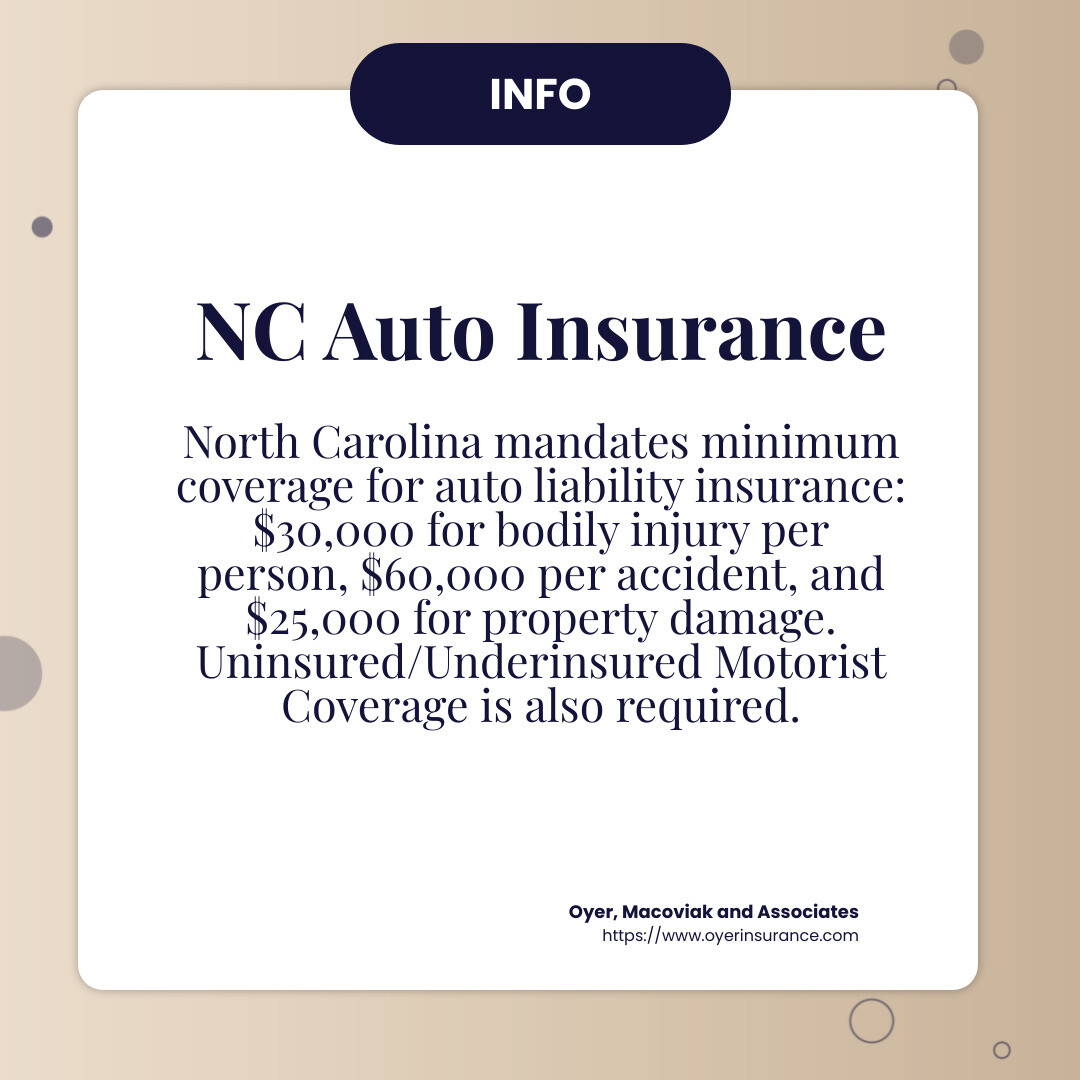
When you add a second vehicle, you are legally required to maintain the state’s minimum liability coverage. As of 2026, North Carolina law mandates the following minimum liability limits:
- $30,000 for bodily injury to one person in any one accident.
- $60,000 for all bodily injury for two or more people in any one accident.
- $25,000 for property damage in any one accident.
It is common for insurance experts to advise customers to carry limits higher than these state minimums. Because a second vehicle often signifies a growing household or additional assets, you should consider whether your current coverage limits provide enough protection for your total financial exposure. Discuss "umbrella" policies or increased liability limits with your agent during the addition process.
Common Mistakes to Avoid
The transition to a multi-car household is generally smooth, but policyholders occasionally run into preventable issues.
Misrepresenting Primary Drivers
Some policyholders attempt to save money by listing the least experienced driver as the primary operator of a less expensive vehicle, while listing themselves as the primary operator of the faster or more expensive car. This is considered material misrepresentation. If a claim is filed, the insurer may investigate, and if they discover the actual primary driver is different from the one listed, they may deny the claim or cancel the policy.
Ignoring Uninsured/Underinsured Motorist Coverage
North Carolina requires Uninsured Motorist (UM) coverage. When adding a second vehicle, ensure that your UM limits are adjusted to reflect the fact that you now have two vehicles on the road, each with its own risk profile.
Forgetting to Remove the Old Vehicle
If you are replacing an old vehicle rather than just adding a second one, ensure that the old vehicle is removed from the policy effectively. Retaining an inactive vehicle on your policy leads to unnecessary premium payments. Ensure you receive a "confirmation of change" notification from your insurer.
Frequently Asked Questions
Does adding a second car automatically double my insurance premium?
No, it does not necessarily double your premium. While your premium will increase due to the added risk exposure of a second vehicle, insurers apply multi-car discounts that lower the cost of insuring both vehicles together compared to insuring them on two separate, independent policies.
Can I have two cars on one policy if they are driven by different people?
Yes. In fact, most insurers require that every licensed driver in your household be disclosed on your policy. If your spouse or child will be the primary driver of the second vehicle, the insurer will factor their specific driving record into the premium calculation for that specific vehicle.
If I add a second vehicle, does it change my current vehicle's insurance rate?
Sometimes. Adding a second vehicle can change your "risk profile" in the eyes of the insurer. If your second vehicle is safer or if you qualify for a household-based discount, you might see small adjustments to your existing car's premium, though these are typically minor.
What happens if the second vehicle is a classic or collectible car?
Classic cars often have different insurance requirements than daily drivers. If the second vehicle is a classic, you may want to look into a "stated value" or "agreed value" policy rather than adding it to your standard liability policy, as standard policies are designed for vehicles that depreciate in a traditional manner.
How quickly does the coverage take effect after I request the change?
If you provide all necessary information, the change can often be bound immediately. However, it is vital to obtain an updated insurance card or a binder letter from your agent that confirms the second vehicle is officially covered. Do not assume coverage is active until you have this confirmation.
Do I need to notify the DMV separately when adding a vehicle?
Usually, the insurance company will electronically notify the North Carolina Division of Motor Vehicles (NCDMV) that you have fulfilled the state's financial responsibility requirement for the new vehicle. However, you should always check your insurance documents to ensure your proof of insurance (Form FS-1 or equivalent) accurately lists all covered vehicles.
Next Steps for Policyholders
To successfully add a second auto to your North Carolina liability insurance, begin by reviewing your current policy's Declarations Page to understand your existing coverage limits. Contact your insurance agent to obtain a formal quote that includes all available multi-car discounts. Before finalizing the addition, confirm that the primary driver assignment for each vehicle is accurate and that your liability limits are sufficient to protect your assets. Once the change is processed, ensure you receive an updated policy packet and keep a copy of your updated insurance card in both vehicles.