Acupuncture and Oriental Medicine (AOM) provide a vital, evidence-based complement to conventional healthcare in modern urban environments. By addressing stress-related disorders, chronic pain, and respiratory issues prevalent in high-density cities, AOM improves population health outcomes through cost-effective, non-invasive interventions and holistic prevention strategies tailored to the fast-paced demands of metropolitan life.
The Evolution of Urban Health and the Role of AOM
As of 2026, the landscape of urban health has shifted from a primary focus on infectious disease control to managing the "lifestyle diseases" of the 21st century. Urban dwellers face unique physiological and psychological stressors: chronic noise pollution, poor air quality, sedentary work environments, and the mental strain of high-density living. Acupuncture and Oriental Medicine—a comprehensive healthcare system including acupuncture, herbal medicine, moxibustion, Tui Na (massage), and dietary therapy—offer a sophisticated framework for mitigating these modern ailments.
The integration of AOM into urban health systems is no longer a peripheral trend but a central component of integrative medicine. Hospitals in major metropolitan hubs now routinely employ licensed acupuncturists to assist in post-operative recovery, oncology support, and pain management. This shift recognizes that while conventional medicine excels in acute trauma and emergency care, AOM provides superior tools for regulating the autonomic nervous system and managing chronic conditions that arise from urban living.
Addressing the "Urban Syndrome": Stress and Mental Health
One of the most significant contributions of AOM to urban health is its efficacy in treating what practitioners often call "Urban Syndrome"—a constellation of symptoms including chronic anxiety, insomnia, digestive issues, and tension headaches. In the framework of Traditional Chinese Medicine (TCM), these are often categorized as Liver Qi Stagnation or Heart-Kidney Disharmony.
Regulation of the Autonomic Nervous System
Modern clinical research has demonstrated that acupuncture significantly impacts the hypothalamic-pituitary-adrenal (HPA) axis. For the urban professional constantly in a "fight or flight" state, acupuncture helps trigger the parasympathetic nervous system, or the "rest and digest" state. By stimulating specific points such as Yintang (between the eyebrows) or Shenmen (on the ear), practitioners can induce a state of physiological relaxation that reduces cortisol levels and improves heart rate variability.
Combatting Urban Insomnia
Sleep deprivation is an epidemic in 24-hour cities. Unlike pharmaceutical interventions which can lead to dependency or morning grogginess, AOM aims to resolve the underlying energetic imbalances causing wakefulness. Herbal formulas containing Suan Zao Ren (Ziziphus jujuba) are frequently utilized in urban clinics to nourish the blood and calm the spirit, allowing for restorative sleep without the side effects of sedative-hypnotics.
Environmental Health: Respiratory Support in Polluted Cities
Air quality remains a persistent challenge in many metropolitan areas. Chronic exposure to particulate matter (PM2.5) leads to increased rates of asthma, allergic rhinitis, and chronic obstructive pulmonary disease (COPD). AOM approaches these issues by strengthening the "Wei Qi" (defensive energy), which is functionally similar to the modern concept of the mucosal immune system.
Practitioners utilize acupuncture and herbal medicine to reduce inflammation in the respiratory tract. For example, the use of Scutellaria baicalensis (Huang Qin) has been studied for its potent anti-inflammatory and anti-viral properties. In urban health initiatives, AOM serves as a preventative measure, helping residents build resilience against environmental pollutants rather than merely treating the symptoms of respiratory distress after they manifest.
Pain Management and Ergonomic Health in the Digital Workplace
The urban workforce is increasingly digital and sedentary, leading to a surge in repetitive strain injuries (RSI), "tech neck," and chronic lower back pain. AOM provides a non-pharmacological alternative to opioids and NSAIDs, which is a critical priority for public health departments aiming to reduce substance dependency.
Acupuncture works through multiple mechanisms to alleviate musculoskeletal pain:
- Local Micro-circulation: Inserting needles creates micro-trauma that encourages blood flow to stagnant, oxygen-deprived tissues.
- Endorphin Release: The central nervous system releases natural painkillers (opioid peptides) in response to stimulation.
- Myofascial Release: "Dry needling" or trigger point acupuncture specifically targets knotted muscles common in office workers to restore range of motion.
Access and Equity: The Community Acupuncture Model
A critical hurdle in urban health is the cost of care. To address this, the Community Acupuncture movement has revolutionized how AOM is delivered in cities. By treating patients in a shared, quiet room and using a sliding-scale fee structure, these clinics make acupuncture accessible to low-income residents who may not have insurance coverage for integrative medicine.
This model mirrors traditional settings in Asia and allows for the high-frequency treatment often necessary for chronic conditions. In 2026, urban health departments are increasingly partnering with community clinics to provide AOM services to underserved populations, recognizing that the low overhead and high patient throughput of this model are ideal for dense urban environments.
Comparing AOM and Conventional Urban Health Interventions
| Feature | Acupuncture & Oriental Medicine | Conventional Urban Primary Care |
|---|---|---|
| Primary Focus | Holistic balance and prevention | Symptom management and acute care |
| Pain Intervention | Endorphin release / Myofascial trigger points | NSAIDs, Opioids, Physical Therapy |
| Stress Treatment | Autonomic nervous system regulation | Benzodiazepines, SSRIs, Psychotherapy |
| Side Effect Profile | Minimal (bruising, occasional fatigue) | Variable (dependency, GI issues, lethargy) |
| Treatment Setting | Private or high-volume community rooms | Private exam rooms |
| Cost (Average Urban) | $40 - $150 per session | $150 - $400+ per visit (pre-insurance) |
Integration with Modern Medical Technology
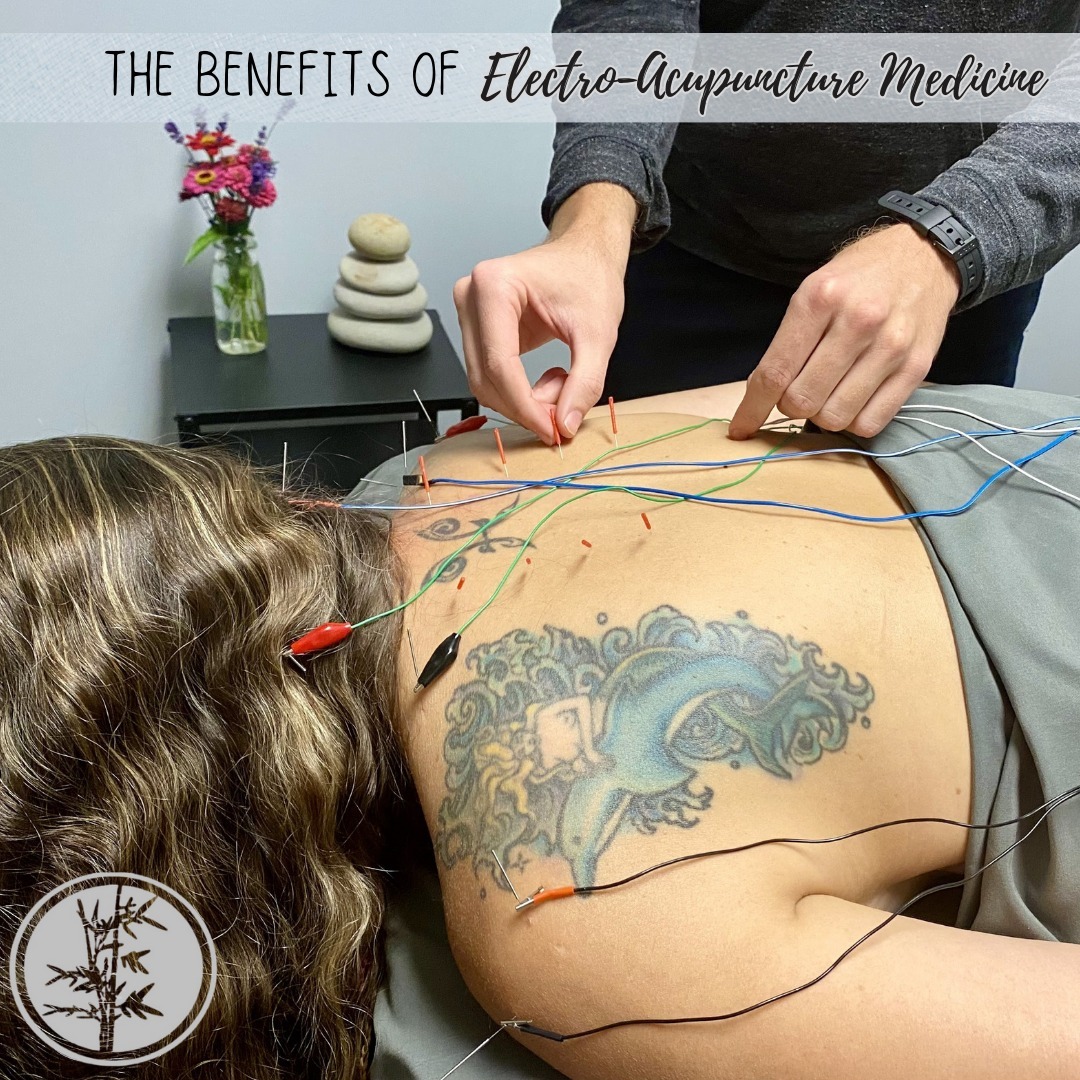
In 2026, the intersection of AOM and technology is more prominent than ever. "Electro-acupuncture" is standard in urban sports medicine clinics, using micro-currents to enhance the stimulation of needles for nerve regeneration and deep muscle recovery. Furthermore, urban health apps now integrate TCM dietary wisdom, providing users with seasonal food recommendations based on their specific body constitution (e.g., cooling foods for "Heat" patterns during urban heatwaves).
Telehealth has also expanded the reach of Oriental Medicine. While acupuncture requires physical presence, herbal consultations and lifestyle coaching (Qi Gong and dietary therapy) are now widely available via secure video platforms, allowing busy urbanites to maintain their health regimens without the need for long commutes.
Regulatory Standards and Practitioner Verification
For urban residents seeking AOM services, verification of credentials is essential for safety and efficacy. In the United States, the National Certification Commission for Acupuncture and Oriental Medicine (NCCAOM) is the gold standard for certification.
When seeking a practitioner in an urban setting, patients should verify:
- State Licensure: Requirements vary, but most states require an L.Ac. (Licensed Acupuncturist) designation.
- Education: A Master’s or Doctorate from an ACAHM-accredited institution (Accreditation Commission for Acupuncture and Herbal Medicine).
- Specialization: Many urban practitioners specialize in areas like fertility, sports medicine, or mental health.
Challenges to Implementation in Metropolitan Areas
Despite its benefits, several challenges hinder the full integration of AOM into urban health:
- Insurance Disparities: While Medicare and many private insurers now cover acupuncture for chronic low back pain, coverage for other conditions remains inconsistent.
- Zoning and Real Estate: High commercial rents in city centers make it difficult for small AOM practices to remain viable without charging high fees.
- Interdisciplinary Communication: There is still a need for better data-sharing protocols between AOM practitioners and conventional medical doctors to ensure coordinated care.
Frequently Asked Questions
How many sessions are typically required to see results for urban stress?
While some patients feel immediate relaxation after a single session, chronic stress-related issues generally require a course of 6 to 10 treatments. Urban health practitioners often recommend a "loading dose" of twice-weekly sessions for the first two weeks, followed by weekly maintenance to counteract the ongoing stressors of city life.
Is acupuncture safe in a high-density urban clinic?
Yes, acupuncture is exceptionally safe when practiced by a licensed professional. In the U.S., practitioners are required to use single-use, sterile, disposable needles. Community clinics in urban areas follow the same Clean Needle Technique (CNT) protocols as private practices, ensuring a high standard of hygiene despite the higher volume of patients.
Can Oriental Medicine help with the effects of urban air pollution?
While AOM cannot remove pollutants from the air, it can strengthen the body's resilience. Specific herbal formulas are designed to moisten the lungs and clear "phlegm-heat," which can help alleviate the chronic cough and throat irritation often associated with smog and poor indoor air quality in older urban buildings.
Does insurance cover AOM in most major cities?
Coverage is expanding but remains localized. As of 2026, many employer-provided plans in metropolitan areas include acupuncture benefits, particularly for pain management. It is advisable to check with your provider regarding "out-of-network" benefits or the use of Health Savings Accounts (HSA) and Flexible Spending Accounts (FSA), which almost universally cover AOM services.
How do I find a reputable AOM practitioner in a new city?
The most reliable method is to use the "Find a Practitioner" directory on the NCCAOM website. Additionally, many urban hospitals now have integrative medicine departments that can provide referrals to vetted practitioners who work in conjunction with conventional medical teams.
Final Recommendation for Urban Residents
For those living in fast-paced metropolitan environments, integrating Acupuncture and Oriental Medicine into a regular wellness routine is a proactive strategy for long-term health. To begin, identify a licensed practitioner (L.Ac.) who specializes in your specific area of concern—whether that be stress, chronic pain, or respiratory health. Start with an initial consultation to establish a "TCM pattern diagnosis" and commit to at least four sessions to accurately gauge the therapy's impact on your well-being. By combining the precision of modern urban life with the holistic balance of AOM, residents can achieve a sustainable state of health that thrives amidst the city's complexities.