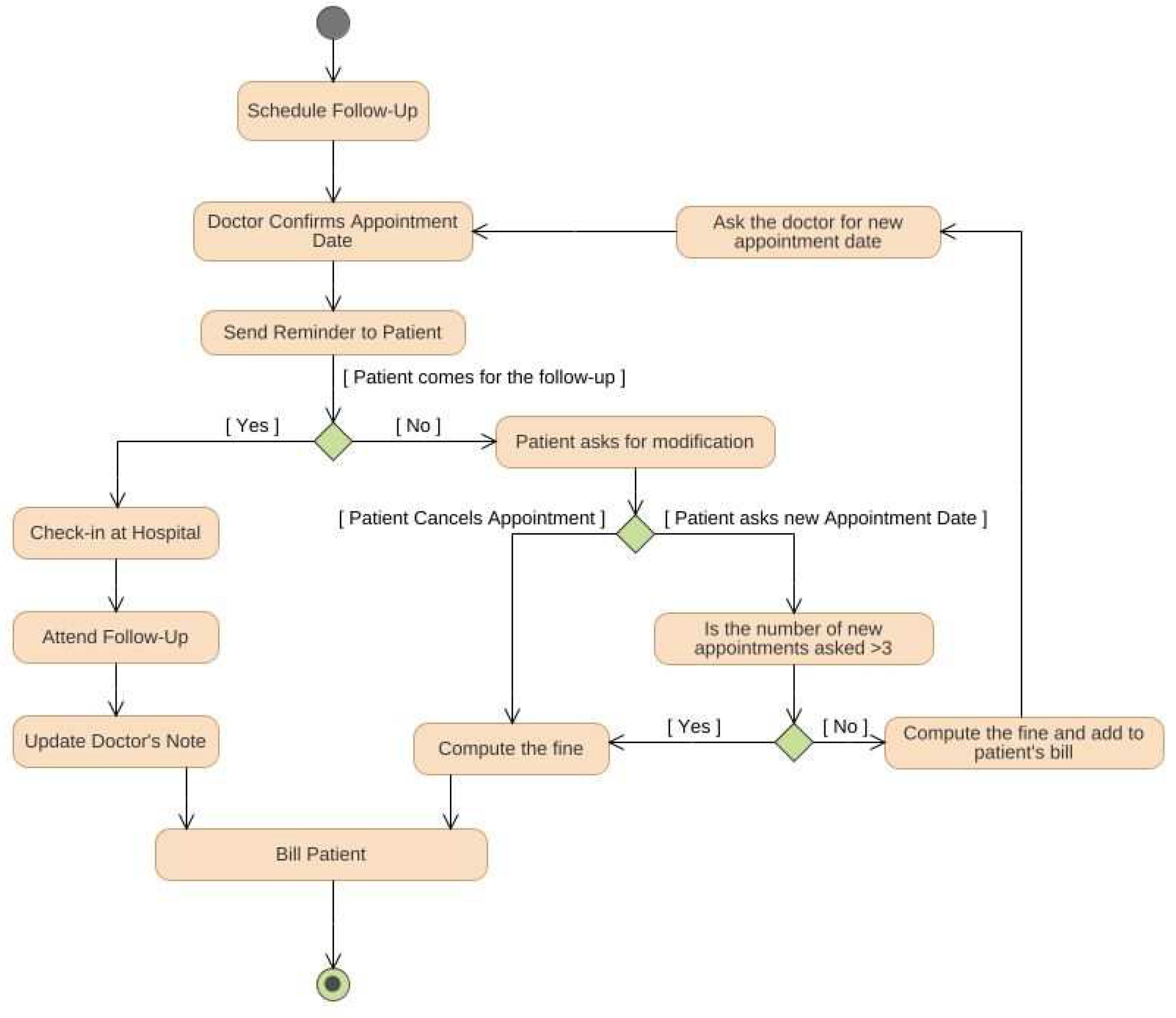
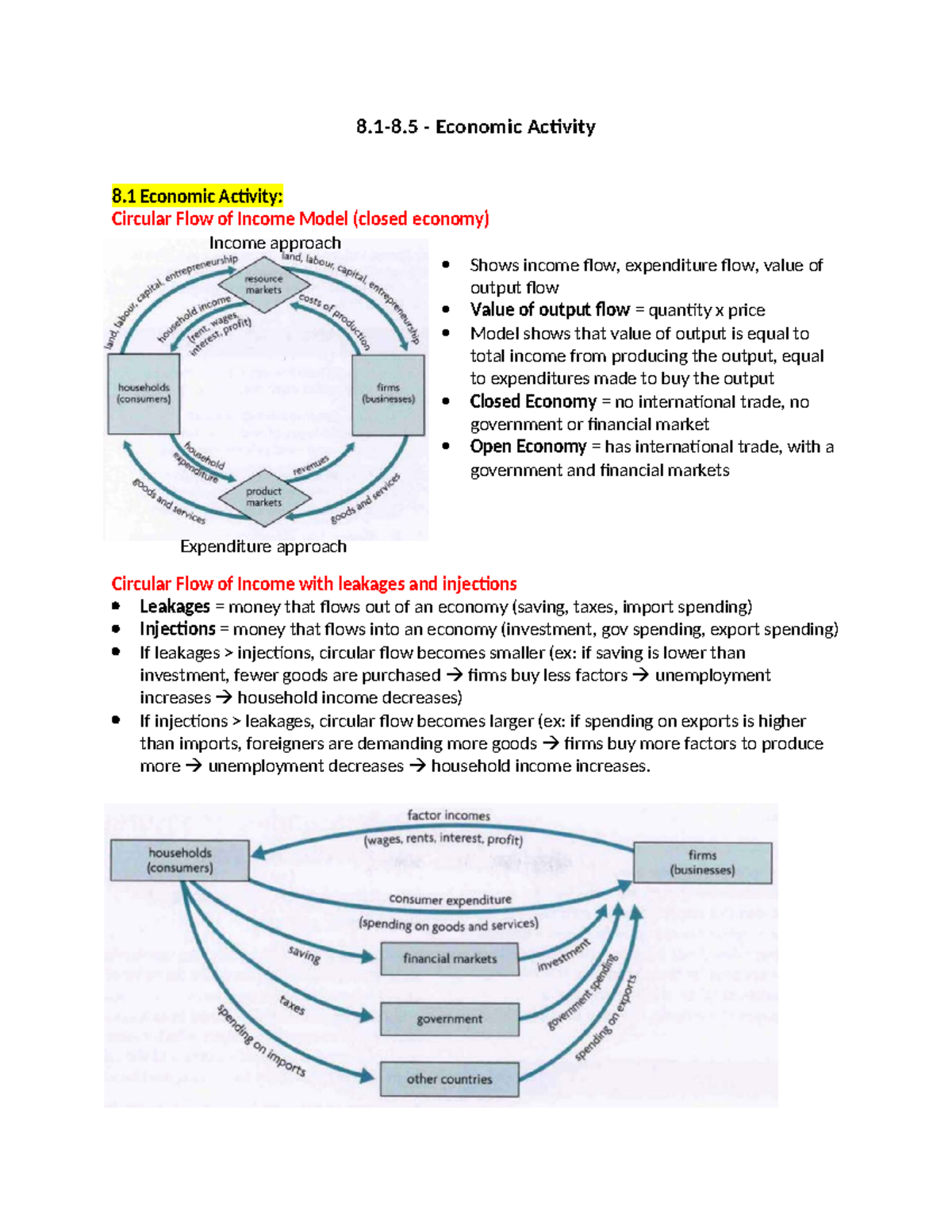
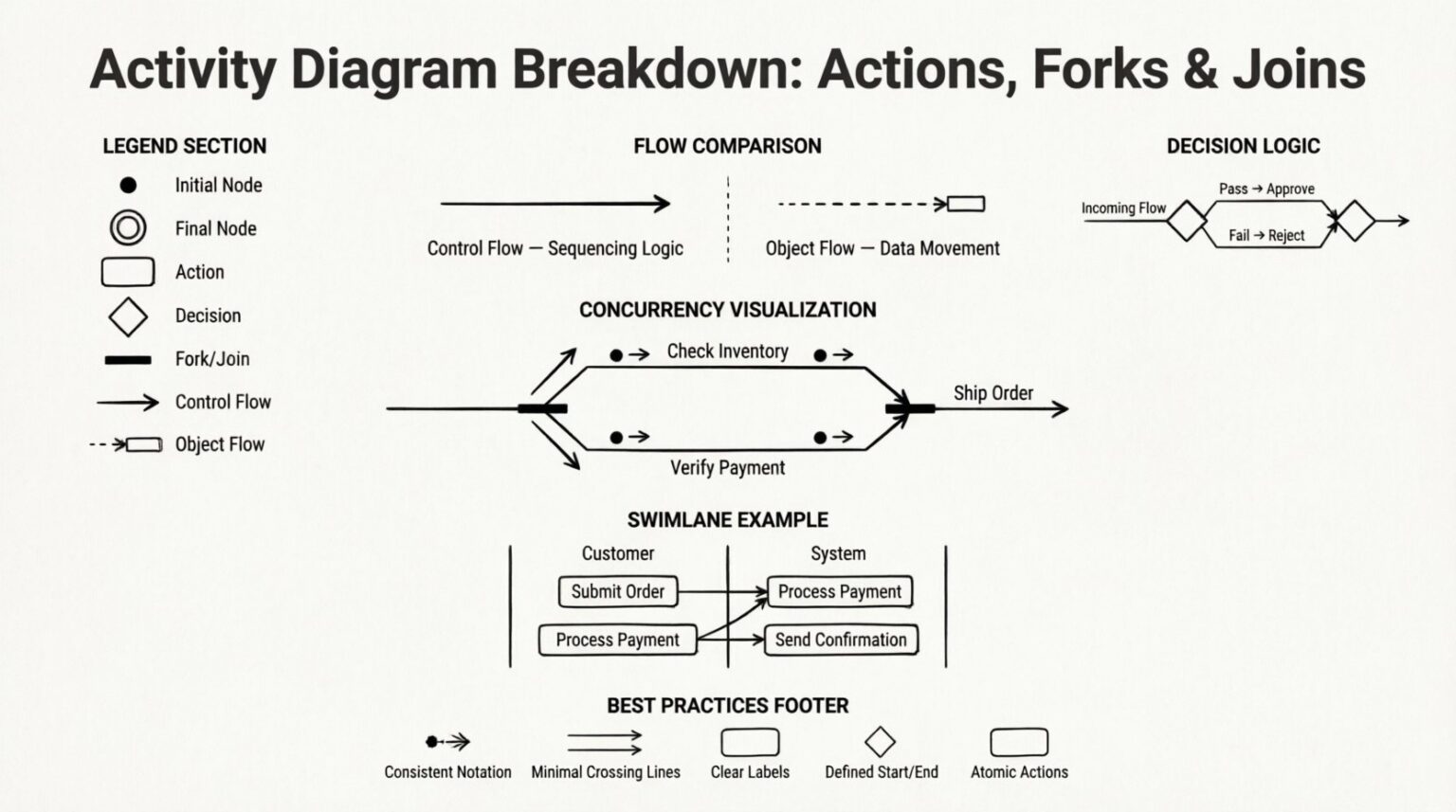
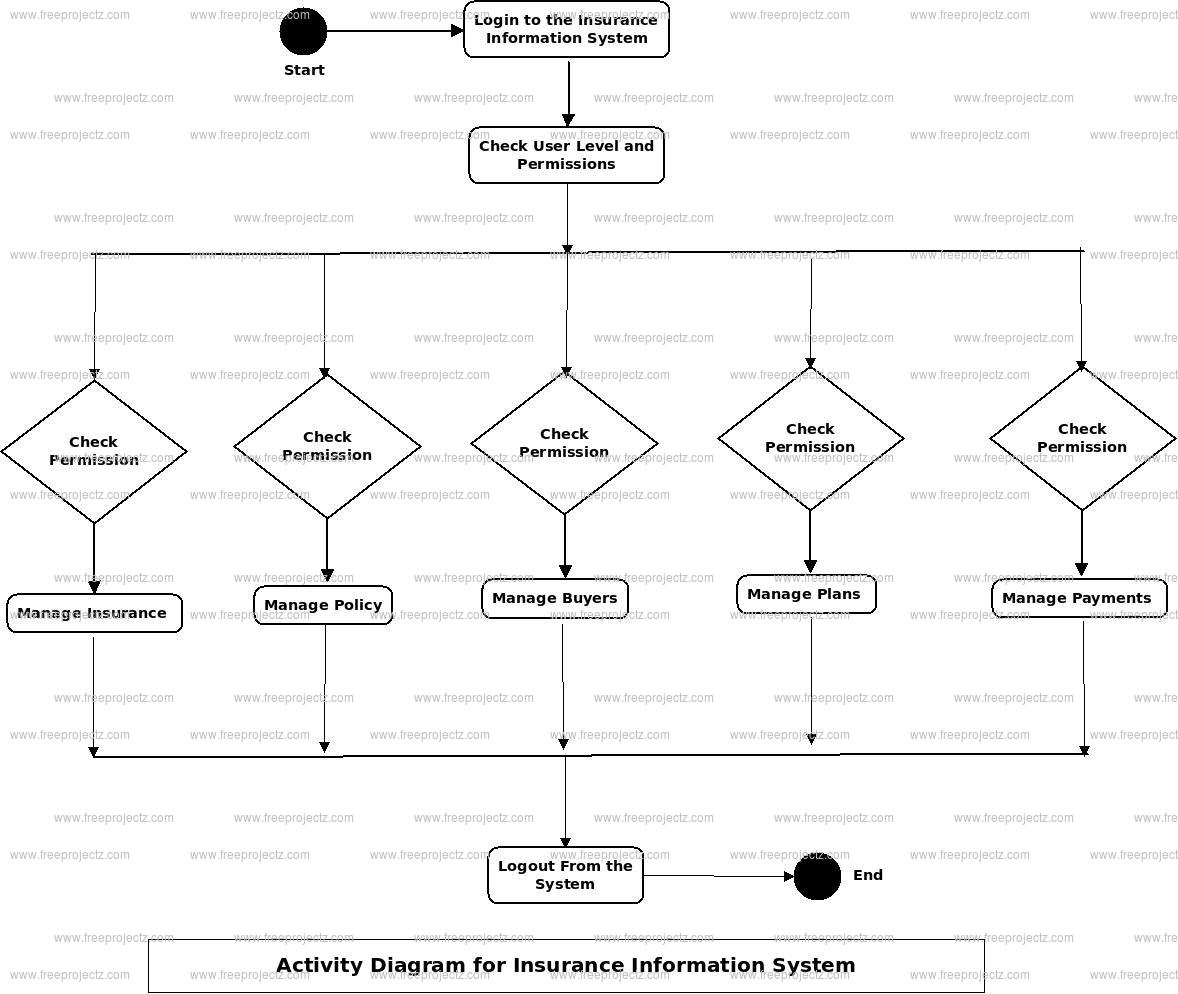
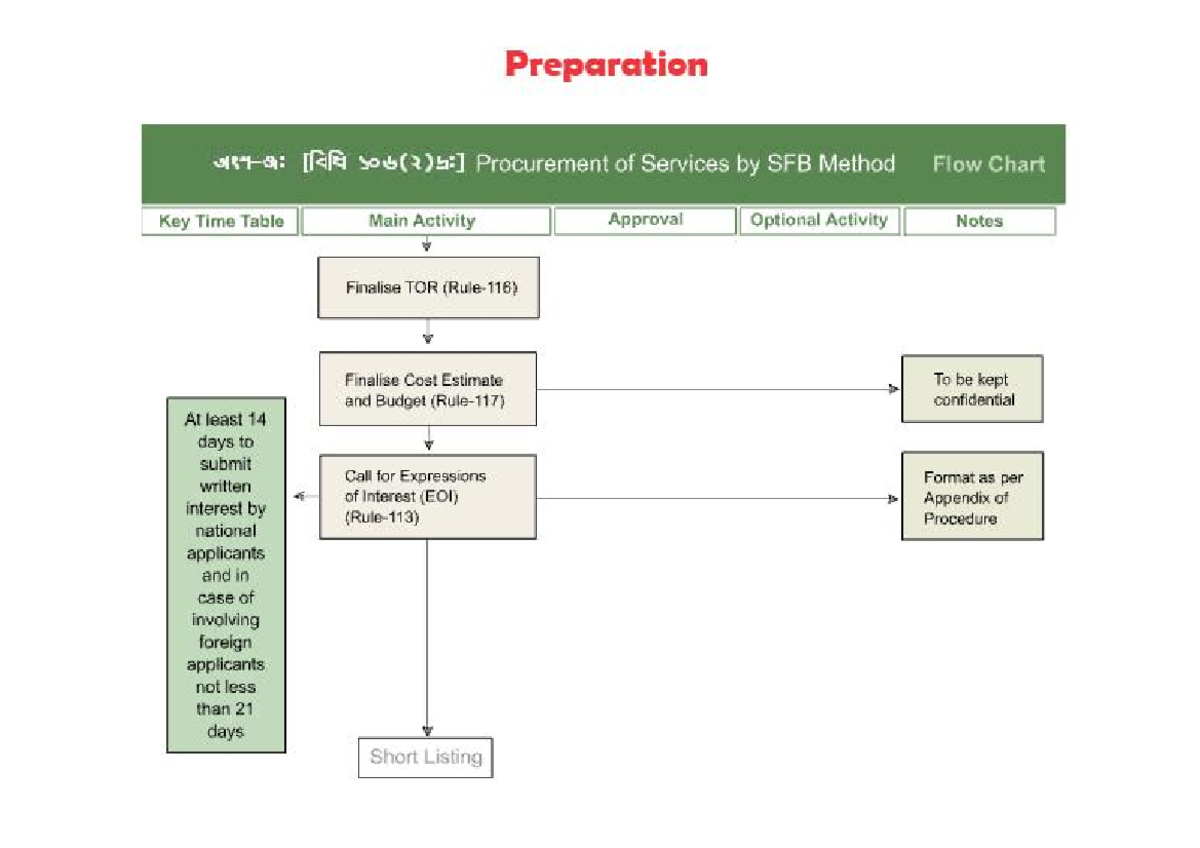
The activity flow for auto insurance represents the standardized chronological sequence of events, tasks, and data exchanges that occur between a policyholder, an insurance carrier, and potential third-party entities from the moment a need for coverage arises until the lifecycle of the policy concludes. Mastering this flow is essential for policyholders to maintain continuous coverage, ensure accurate premium calculations, and navigate claims processes effectively.
The Phases of the Auto Insurance Lifecycle
The activity flow is not a singular event but a series of interconnected stages. While individual carriers may integrate proprietary technologies or specific automated underwriting platforms, the foundational requirements of the process remain largely consistent across the industry in 2026.
1. Discovery and Eligibility Assessment
The process begins with the identification of insurance needs. Whether a driver is purchasing a vehicle for the first time or switching providers, the initial activity involves data gathering. Carriers require specific inputs to verify eligibility, including the driver’s license number, Vehicle Identification Number (VIN), and historical driving records. During this stage, the "activity" is primarily transactional, involving the input of personal data into the carrier’s quoting engine.
2. Underwriting and Risk Profiling
Once the data is submitted, the carrier’s internal systems initiate an automated activity flow. This involves checking external databases—such as the Comprehensive Loss Underwriting Exchange (CLUE) or state-run motor vehicle department (MVD) records—to verify the accuracy of the information provided. In 2026, many carriers utilize sophisticated machine learning algorithms to assess risk profiles. This stage is where "rating factors" are applied, determining the base premium for the policy based on the statistical likelihood of future claims.
3. Policy Issuance and Binding
When the underwriting criteria are satisfied, the carrier issues a formal offer of insurance. The "binding" activity signifies the legal inception of the policy. The policyholder must typically provide a down payment or pay the full premium to activate coverage. At this point, the activity flow shifts from prospective risk assessment to administrative maintenance.
4. Ongoing Policy Maintenance
Throughout the policy term, the activity flow includes periodic updates such as adding or removing drivers, changing vehicle registrations, or updating garaging addresses. These changes trigger a re-calculation of the risk profile, which may result in premium adjustments. Efficient policyholders utilize digital portals to document these changes, which creates a clear audit trail.
5. Claims Processing (The Reactive Flow)
If an incident occurs, the activity flow shifts to the claims lifecycle. This is the most complex phase of the process. It involves:
- Notice of Loss: The policyholder informs the carrier of the incident.
- Assignment: The carrier assigns an adjuster to evaluate the damage and liability.
- Investigation: Verification of coverage, police reports, and witness statements.
- Resolution: Approval of repairs, payment of medical bills, or denial of the claim based on policy exclusions.
Comparing Traditional vs. Digitally Enabled Activity Flows
The modernization of the insurance industry has significantly altered how these steps are performed. The table below outlines the differences in common activity triggers between traditional manual workflows and modern digital-first models prevalent in 2026.
| Activity Phase | Traditional Workflow | Digital/Automated Workflow |
|---|---|---|
| Quoting | Paper forms and manual agent input | API-integrated instant data retrieval |
| Document Delivery | Physical mail (USPS) | Encrypted portal/email notification |
| Premium Payments | Mailed checks or phone calls | Recurring automated clearing house (ACH) |
| Claim Filing | Phone-based intake with representative | Mobile app photo submission and AI triage |
| Verification | Periodic manual audits | Real-time telematics and database pinging |
Key Requirements for Smooth Navigation
To maintain a seamless activity flow, policyholders must adhere to several best practices. Failing to meet these requirements can lead to coverage gaps, policy cancellations, or claim denials.
Accuracy of Personal Data
The most common friction point in the insurance activity flow is the discrepancy between submitted data and official records. If the VIN provided does not match the manufacturer's database, or if the garaging address differs from the primary residence, the carrier’s automated systems may flag the policy for "manual review." This delay can pause the issuance of insurance cards and documentation.
Compliance with State Mandates
Every jurisdiction has specific laws regarding the minimum financial responsibility limits. The activity flow for obtaining insurance must include verification that the chosen policy meets the state’s mandatory liability requirements. In 2026, many states have implemented electronic verification systems that communicate directly with insurers to ensure that every registered vehicle has an active policy in the system.
Telematics and Usage-Based Integration
An increasingly common branch of the modern activity flow involves telematics—devices or apps that track driving behavior. When a policyholder opts into these programs, the activity flow includes continuous data transmission. Drivers must be aware that their "safety score" or "driving activity" now directly influences their future premiums. Failure to maintain the app or device in an active state can lead to the loss of participation discounts or, in some cases, policy non-renewal.
Troubleshooting Common Interruptions
Despite digitized processes, the insurance activity flow can experience interruptions. Understanding how to resolve these prevents unnecessary stress during the policy lifecycle.
- Payment Discrepancies: If an automated payment fails, the policy may enter a "grace period." The activity flow for resolving this typically involves a notification sent to the policyholder's registered email. It is critical to keep contact information updated to avoid a lapse in coverage due to an unnoticed failed payment.
- Underwriting Suspense: If a policy is "in suspense," it means the carrier requires additional documentation, such as proof of prior insurance or a clarification of a past claim. The primary action is to check the carrier's digital dashboard, which acts as the central hub for all pending tasks.
- Disputed Claim Outcomes: When a claim enters a dispute, the standard activity flow is interrupted by an escalation process. Policyholders should consult their policy declarations page to understand the binding arbitration or appeal procedures dictated by their specific carrier.
Professional Considerations and Legal Limitations
It is important to recognize that the activity flow for auto insurance is governed by complex contractual and legal frameworks. An insurance policy is a legally binding contract; therefore, the activities defined within the policy document—such as the duty to report an accident within a specific timeframe—are legally enforceable.
While the tips provided here offer a structured way to navigate the insurance process, they do not replace the specific terms of a personal policy. Insurance regulations vary significantly by state and country. Policyholders should always consult the specific "Declarations Page" provided by their insurer for the most accurate information regarding their unique obligations and rights. For complex legal or financial disputes involving insurance claims, seeking the counsel of a licensed professional in your specific jurisdiction is recommended.
Frequently Asked Questions (FAQ)
1. Does every auto insurance company follow the same activity flow? While the foundational steps—quoting, underwriting, binding, and claims—are universal, the specific internal workflows, speed of automation, and documentation requirements vary by carrier. Each company uses its own proprietary software and risk-assessment models to manage these activities.
2. What happens if I change my address mid-policy? Changing your garaging address is a significant event in the activity flow. Because insurance premiums are highly correlated with geographic risk, you must notify your carrier immediately. This will trigger a re-rating process, which may increase or decrease your premium based on the risk profile of the new location.
3. Why is my insurance activity flow showing a "pending" status? "Pending" status usually indicates that the carrier’s automated systems have flagged the application for human review. This often occurs due to missing information, a mismatch in driving history records, or the need for a secondary verification of the vehicle's value.
4. How does the claims activity flow change if the accident is not my fault? Even in "not-at-fault" scenarios, you must still follow the standard notice-of-loss activity flow with your own carrier. While your insurer may seek subrogation (recovering costs from the at-fault driver's insurance), you are still bound by your own policy’s requirements for reporting and cooperation during the investigation.
5. How can I ensure my digital records remain accurate? Regularly auditing your online insurance portal is the best way to maintain accuracy. Ensure that all listed drivers, vehicle details, and coverage limits match your current needs. If any information appears outdated, use the "Update Policy" or "Edit Profile" feature provided by your carrier.
Final Recommendation
To effectively manage your auto insurance activity flow, treat your insurance carrier’s web portal as your primary administrative hub. Log in at least once every six months—or whenever a life event occurs, such as a change of address or the addition of a new driver—to review your declarations. By proactively monitoring your policy status and ensuring all data remains current, you minimize the risk of coverage gaps and ensure that your claims experience, should it become necessary, proceeds with minimal friction.