The Articles of Confederation, ratified in 1781, established the initial framework for the United States government. Despite its eventual replacement by the Constitution due to structural weaknesses, the Articles succeeded in formalizing a national identity, winning the Revolutionary War, managing the transition of western territories into sovereign states, and asserting the legitimacy of a new, unified American republic on the global stage.
The Context of Early American Governance
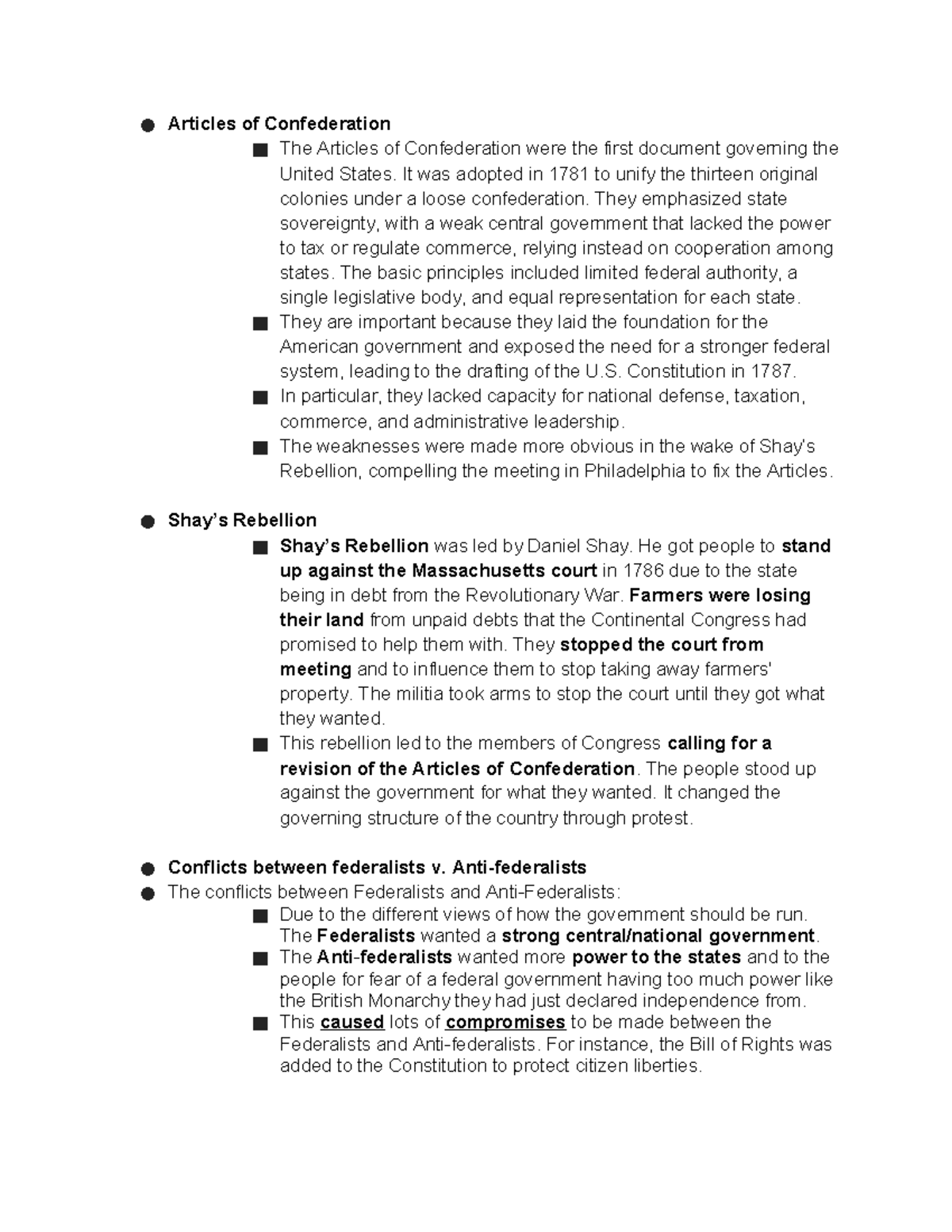
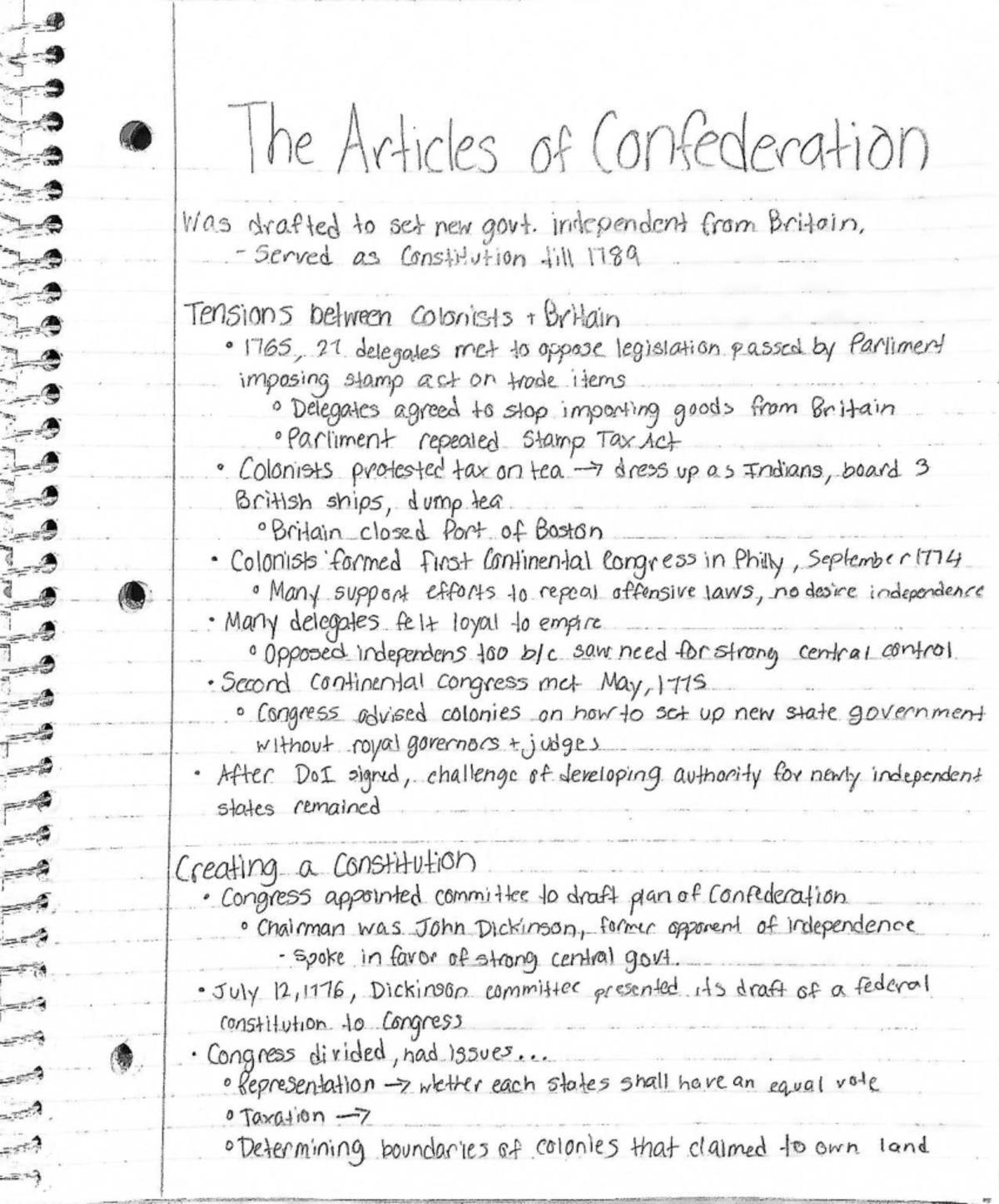
Following the Declaration of Independence in 1776, the former colonies faced the dual challenge of fighting a war for autonomy while constructing a functional government. The Articles of Confederation were drafted by the Continental Congress to provide a legal basis for a "firm league of friendship" among the states. The primary concern of the founders at this time was the prevention of tyranny; having just broken away from a centralized monarchical power, the drafters intentionally limited the reach of the national government.
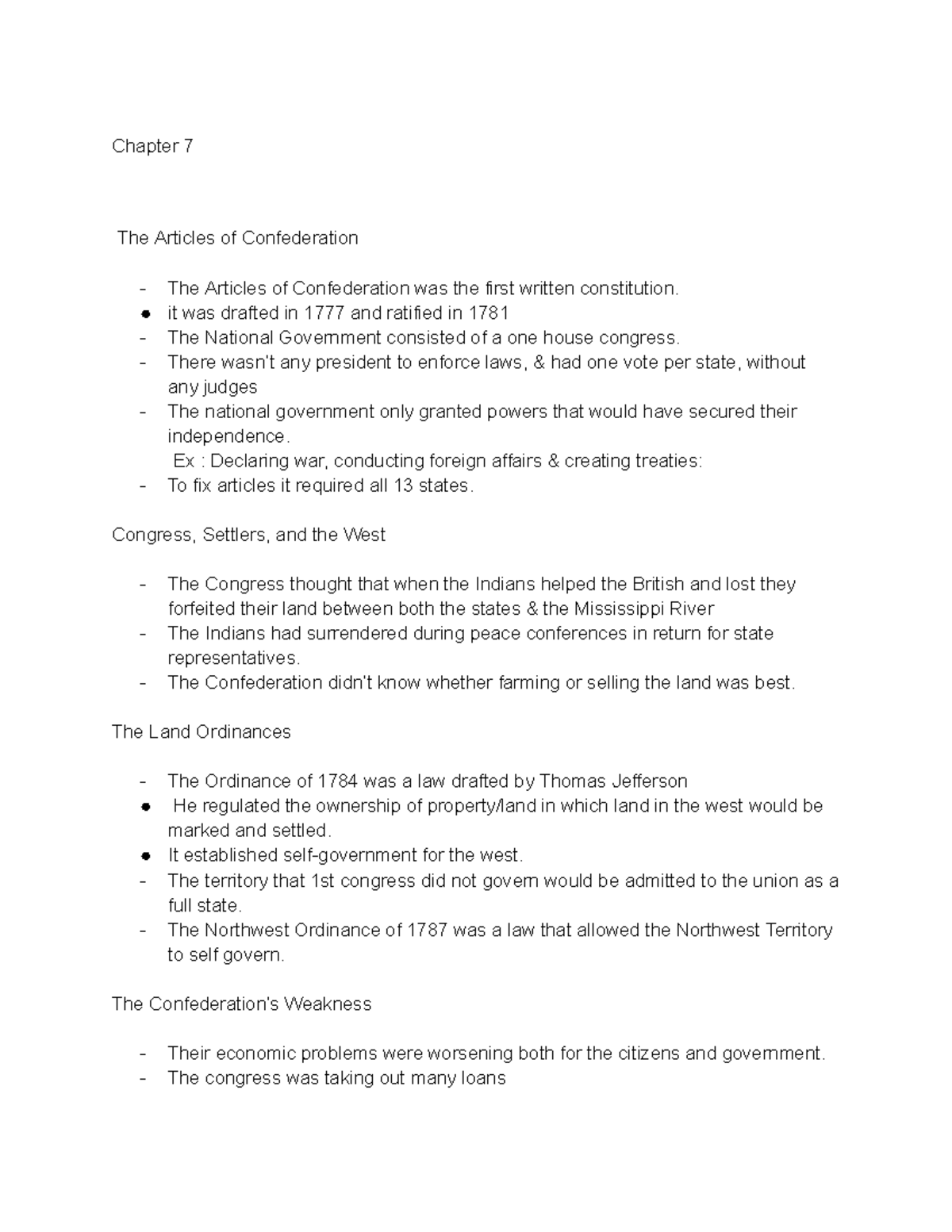
The resulting structure was a unicameral legislature where each state held one vote, regardless of size or population. Because the Articles required unanimous consent for amendments and a supermajority for most legislative actions, it was inherently difficult to manage. However, this decentralized model acted as the essential training ground for the political systems that would later stabilize the nation.
Successful Conduct of the Revolutionary War
One of the most significant, yet often overlooked, accomplishments of the Articles of Confederation was its ability to sustain the American cause throughout the final years of the Revolutionary War. While the central government lacked the power to levy taxes, it served as the unifying entity that coordinated the efforts of the individual state militias into a cohesive Continental Army.
Through the Continental Congress, the government managed diplomatic relations with foreign powers, most notably securing the critical alliance with France. This alliance provided the financial, naval, and military support required to force a British surrender at Yorktown in 1781. The Articles provided a veneer of national legitimacy that made such treaties possible. Without a formal, albeit fragile, central government, the American colonies might have been viewed by European powers as a collection of disjointed rebels rather than a sovereign state capable of upholding international obligations.
Territorial Expansion and the Northwest Ordinances
Perhaps the most enduring legacy of the Articles of Confederation lies in its management of the western lands. As states ceded their claims to the territory west of the Appalachian Mountains, the federal government found itself responsible for governing vast, undeveloped tracts.
The Land Ordinance of 1785 created a standardized system for surveying and selling these lands. By dividing the territory into townships and sections, the government established a predictable, orderly method for westward expansion that prioritized the generation of revenue for the national treasury.
This was quickly followed by the Northwest Ordinance of 1787, arguably the most successful legislative act of the period. This ordinance established a blueprint for the creation of new states, ensuring they would be admitted to the Union on an equal footing with the original thirteen. Key provisions included:
- The prohibition of slavery: It banned the practice of involuntary servitude in the Northwest Territory, setting a legal precedent that would influence national discourse for decades.
- Protection of civil liberties: It guaranteed trial by jury, freedom of religion, and the right to public education.
- Democratic governance: It defined a path from territorial status to statehood based on population benchmarks.
These ordinances proved that the central government could manage national resources effectively and provide a framework for growth that transcended local interests.
Establishing Diplomatic Precedents
Before the 1789 transition to the Constitution, the Articles of Confederation represented the United States in the global community. The government successfully negotiated the Treaty of Paris (1783), which brought a formal end to the war with Great Britain. In this treaty, the British government officially recognized the independence of the United States and defined the boundaries of the new nation.
The Articles empowered the government to conduct foreign policy, engage in treaty-making, and oversee Indian affairs. While these powers were hampered by the inability of the central government to enforce treaties at the state level, the fact that an independent, republican government was recognized by imperial powers was a monumental achievement for a fledgling nation.
Comparative Overview: Articles of Confederation vs. The Constitution
The transition from the Articles of Confederation to the United States Constitution represents the evolution from a loose alliance of states to a structured federal republic. The following table highlights the functional differences between the two frameworks.
| Feature | Articles of Confederation | U.S. Constitution (1787/1789) |
|---|---|---|
| National Tax Power | None; relied on state requisitions | Congress has the power to levy taxes |
| Executive Branch | None; no independent enforcement | President established to enforce laws |
| Judiciary | No national court system | Supreme Court and federal courts |
| Legislative Structure | Unicameral (one vote per state) | Bicameral (House by pop., Senate equal) |
| Trade Regulation | States regulated their own commerce | Congress regulates interstate/foreign trade |
| Amendment Process | Unanimous consent required | Three-fourths of states required |
The Limitations That Led to Reform
To understand the accomplishments of the Articles, one must recognize why they were eventually replaced. The system lacked the authority to resolve interstate trade disputes, leading to protectionist tariffs that stifled economic growth. Furthermore, the inability to collect taxes meant the government could not pay down the massive debt incurred during the Revolutionary War, leading to widespread financial instability and events like Shays' Rebellion.
These failures did not negate the achievements of the period; rather, they provided the "lessons learned" that guided the Constitutional Convention. The Founders observed that a nation required a stronger central authority to maintain internal security, regulate commerce, and ensure that federal law superseded conflicting state laws. The Articles of Confederation were, in essence, the required failure that made the success of the Constitution possible.
Addressing Common Misconceptions
A frequent misconception is that the Articles of Confederation were a total failure or entirely devoid of effective government. History reveals a more nuanced picture. The period between 1781 and 1789 saw the formation of a national postal service, the establishment of the Department of Foreign Affairs, and the management of a complex national land policy.
Furthermore, the Articles promoted the idea of a "national" identity. By requiring states to recognize each other’s legal acts and public records, the Articles began the process of knitting together disparate colonies into a singular American entity. Without this initial phase of experimentation, the delegates in Philadelphia would not have had the practical experience to draft a document as resilient as the Constitution.
Frequently Asked Questions
Did the Articles of Confederation allow for any tax collection?
No. The Articles strictly prohibited the central government from levying direct taxes. Congress could only request funds from the states, which were often ignored or delayed, creating severe budgetary crises for the national government.
Why was the Northwest Ordinance so important to the foundations of the United States?
The Northwest Ordinance was crucial because it established that new territories would become states rather than colonies. By ensuring equality of states and prohibiting slavery in the territory, it created a moral and administrative precedent for future American expansion.
What was the specific role of the Articles in the Revolutionary War?
The Articles served as the legal authority that allowed the states to act as a unified body. This unity was essential for managing the Continental Army, negotiating the alliance with France, and ultimately signing the Treaty of Paris to gain international recognition of independence.
Could the Articles of Confederation be amended?
Technically, yes, but the process was nearly impossible. Amendments required the unanimous approval of all thirteen states. Because state interests were often contradictory, no amendments were ever successfully passed, which eventually rendered the system obsolete.
How did the Articles of Confederation influence the U.S. Constitution?
The Articles identified the precise areas where a government needed more power: taxation, trade regulation, and enforcement. The writers of the Constitution used the deficiencies of the Articles as a checklist to ensure the new government had the "teeth" necessary to function as a sovereign power.
Was there a President under the Articles of Confederation?
There was a "President of the United States in Congress Assembled," but this role was vastly different from the modern presidency. It was a presiding officer chosen by Congress to lead meetings, possessing no executive authority, no power to veto laws, and no control over the military.
Recommendations for Further Study
For those examining the foundational period of American governance, it is essential to read the primary text of the Articles of Confederation alongside the records of the debates in the Continental Congress. Analyzing the economic records of the era—specifically the letters between national leaders regarding public debt—provides a clearer understanding of why the shift toward the Constitution was not merely ideological, but a practical necessity for the survival of the republic.
If you are investigating specific aspects of early territorial law, the Journals of the Continental Congress serve as the most reliable, comprehensive repository of the legislative intent behind the land and territorial ordinances that defined the early American frontier.