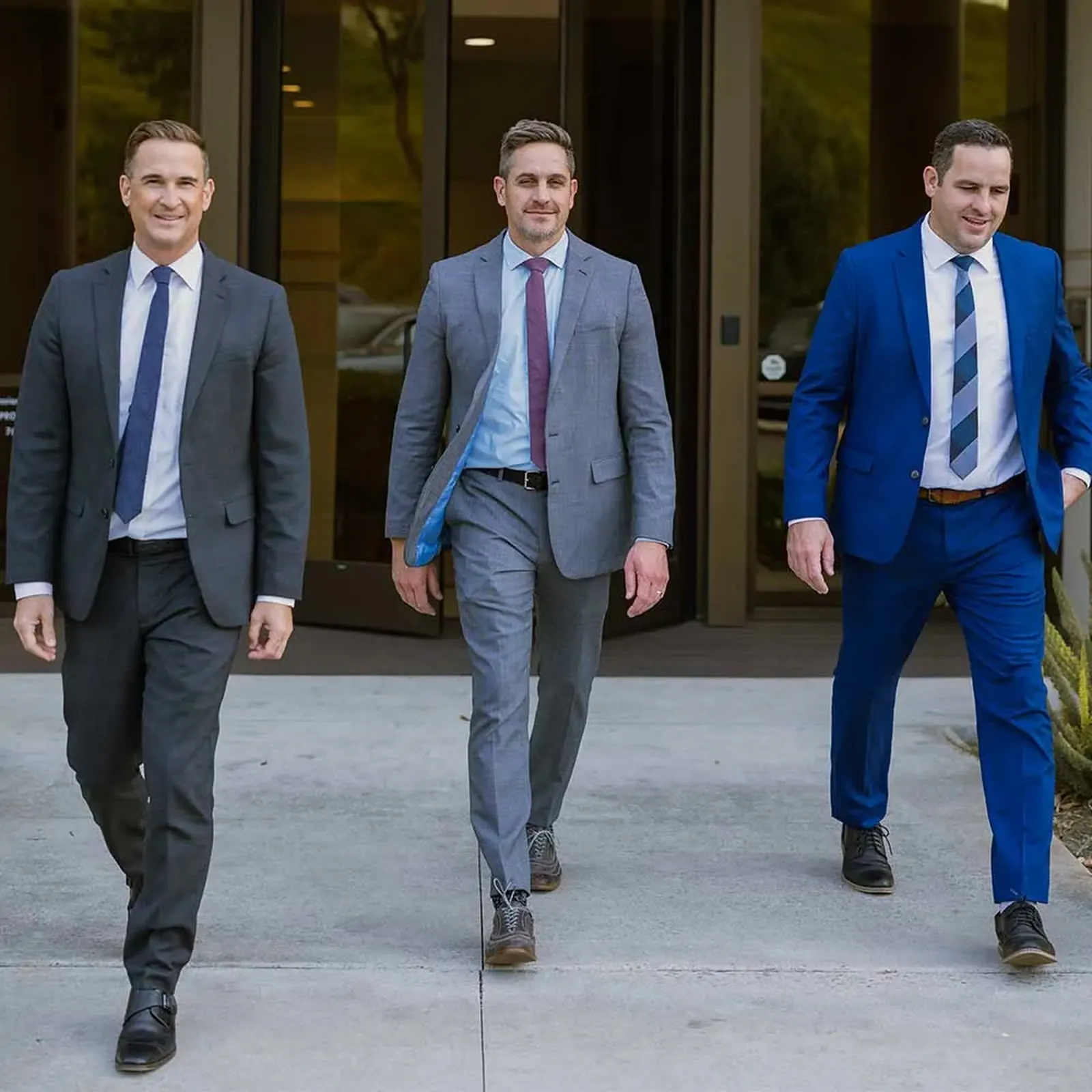
Hiring an accident lawyer in Oceanside for a personal injury claim involves securing a legal representative to manage your case against negligent parties in San Diego County. These attorneys operate on a contingency fee basis, meaning you pay no upfront costs while they pursue compensation for medical bills, lost wages, and pain and suffering following a motor vehicle accident, slip and fall, or other preventable injury.
The Vital Role of a Local Oceanside Personal Injury Attorney
When you suffer an injury in Oceanside, whether it occurs along the busy Interstate 5 corridor, near the Oceanside Pier, or on State Route 76, the legal path to recovery is often complex. A local personal injury lawyer provides more than just legal advice; they offer an understanding of the San Diego County court system, specifically the North County Division of the Superior Court located in nearby Vista.
Navigating the aftermath of an accident requires a meticulous approach to evidence collection and liability determination. In 2026, the legal landscape in California remains rooted in "pure comparative negligence." This means that even if you are partially responsible for an accident, you are still entitled to recover damages, though your compensation will be reduced by your percentage of fault. An Oceanside lawyer understands how to frame the narrative of the accident to minimize your liability and maximize the responsibility of the negligent party.
Furthermore, local attorneys have established relationships with area medical providers. If you are struggling to find specialized care for a traumatic brain injury (TBI) or spinal cord damage, a lawyer can often recommend medical experts who work on a "medical lien" basis. This arrangement allows you to receive necessary treatment now and pay the medical bills from your eventual settlement or jury award.
Common Personal Injury Cases in Oceanside
Oceanside’s unique geography—a mix of high-speed freeways, coastal tourist areas, and residential neighborhoods—creates a diverse range of personal injury scenarios. Legal strategies must be tailored to the specific mechanics of the incident.
Motor Vehicle Accidents
Car accidents remain the most frequent cause of personal injury claims in North County. With the high volume of traffic moving between San Diego and Orange County, rear-end collisions and multi-vehicle pileups are common. Lawyers in this field investigate "black box" data from modern vehicles, analyze dashcam footage, and interview witnesses to establish a clear timeline of negligence, such as distracted driving or speeding.
Pedestrian and Bicycle Injuries
As a coastal community with significant foot traffic near the beach and Harbor Drive, Oceanside sees a high rate of pedestrian and cyclist injuries. These cases are particularly sensitive because the injuries are often catastrophic. California law provides strong protections for non-motorized travelers, but insurance companies often attempt to shift blame to the pedestrian or cyclist for "failing to yield" or "darting into traffic." A skilled attorney counters these defenses with accident reconstruction experts.
Premises Liability and Slip-and-Fall
Property owners in Oceanside, including hotel operators, restaurant owners, and retail managers, have a legal duty to maintain safe premises. Under California Civil Code 1714, individuals are responsible for injuries caused by a lack of ordinary care in the management of their property. Common claims include injuries from wet floors, uneven pavement, or poor lighting in parking structures.
Maritime and Boating Accidents
Given the presence of the Oceanside Harbor, maritime injuries are a specialized area of practice. Whether it is a recreational boating collision or an injury occurring on a commercial vessel, these cases may involve federal maritime law or the Jones Act, rather than standard California personal injury statutes. Accessing a lawyer who understands these jurisdictional nuances is critical for residents and visitors alike.
Understanding California Personal Injury Laws in 2026
As we move through 2026, the fundamental statutes governing personal injury in California continue to prioritize the victim's right to "be made whole." However, strict procedural rules can derail a case if not followed precisely.
The Statute of Limitations
In California, the general Statute of Limitations for personal injury is two years from the date of the injury. If you fail to file a lawsuit within this window, you lose your right to sue forever. There are, however, critical exceptions:
- Government Entities: If your injury involved a City of Oceanside vehicle or occurred on poorly maintained public property, you must file a formal administrative claim within six months under the California Tort Claims Act.
- Medical Malpractice: Generally, the limit is one year from discovery or three years from the date of injury, whichever comes first.
- Minors: The "clock" typically does not start until the minor turns 18, though there are exceptions for medical malpractice.
Pure Comparative Negligence
California’s "pure comparative negligence" system is one of the most plaintiff-friendly in the United States. Unlike "modified" comparative negligence states—where you cannot recover if you are more than 50% at fault—California allows recovery even if you are 99% at fault. An Oceanside lawyer’s job is to ensure the insurance adjuster does not unfairly inflate your percentage of fault to save the company money.
Damage Caps
Unlike some other states, California does not impose a "cap" on economic damages (like medical bills and lost wages). However, for medical malpractice cases, the MICRA (Medical Injury Compensation Reform Act) caps non-economic damages (pain and suffering). These caps have seen recent adjustments to account for inflation, making it vital to have an attorney who stays current on the exact limits applicable in 2026.
The Step-by-Step Legal Process After an Injury
The path from the initial accident to a check in your hand is rarely a straight line. It is a structured process designed to build a mountain of evidence that makes a trial unnecessary.
- Initial Consultation: Most Oceanside injury lawyers offer a free consultation. During this meeting, they evaluate the merits of your case, the clarity of liability, and the extent of your damages.
- Investigation and Evidence Gathering: This is the most labor-intensive phase. Your legal team will gather police reports from the Oceanside Police Department, obtain medical records, secure surveillance video from nearby businesses, and hire expert witnesses if necessary.
- Treatment and MMI: You must reach Maximum Medical Improvement (MMI) before a settlement can be reached. MMI is the point where your condition has stabilized, and future medical needs can be accurately predicted. Settling before this point is a common mistake, as it may leave you with unpaid future medical bills.
- The Demand Package: Once the full extent of your damages is known, your lawyer sends a "demand letter" to the insurance company. This document outlines the facts of the case, the evidence of liability, and a specific dollar amount required to settle the claim.
- Negotiation: The insurance company will likely respond with a lower counteroffer. Your lawyer will negotiate back and forth, using evidence to justify the higher demand.
- Litigation: If a fair settlement cannot be reached, your attorney will file a formal complaint in the San Diego County Superior Court. This begins the "discovery" phase, where both sides exchange information under oath.
- Trial or Settlement: Most cases settle before a trial. However, if the insurance company refuses to be reasonable, your lawyer will present your case to a jury of your peers in Vista.
Calculating Compensation: What is Your Claim Worth?
One of the most frequent questions clients ask is, "How much is my case worth?" In 2026, compensation is divided into two primary categories: Economic and Non-Economic damages.
| Damage Type | Description | Examples |
|---|---|---|
| Economic Damages | Measurable financial losses directly resulting from the injury. | Hospital bills, surgery costs, physical therapy, lost wages, and loss of earning capacity. |
| Non-Economic Damages | Subjective, non-monetary losses related to your quality of life. | Pain and suffering, emotional distress, loss of consortium, and disfigurement. |
| Punitive Damages | Damages intended to punish the defendant for "malice, oppression, or fraud." | Cases involving drunk driving or intentional harm (rare in standard negligence). |
| Future Damages | Estimated costs for care or losses that will occur after the settlement. | Future surgeries, life-care planning, and projected inflation of medical costs. |
To calculate pain and suffering, lawyers often use one of two methods: the Multiplier Method (multiplying economic damages by a factor of 1.5 to 5) or the Per Diem Method (assigning a daily dollar value to your suffering until you recover).
Why Insurance Companies Are Not Your Friend
It is a common misconception that the insurance adjuster is there to help you. In reality, an adjuster's primary goal is to minimize the financial payout of the insurance company. They may use several tactics to undermine your claim:
- Recorded Statements: They may ask for a "friendly" statement shortly after the accident. They are looking for you to admit fault or downplay your injuries before you have seen a doctor.
- Quick Settlements: They may offer a small sum of money immediately after the accident. While tempting, these "lowball" offers usually require you to sign a release waiving your right to any future compensation.
- Delay Tactics: By dragging out the process, they hope you will become desperate for money and accept a lower settlement.
- Social Media Monitoring: Insurance companies often monitor a claimant's social media. If you post a photo of yourself at the beach while claiming a debilitating back injury, they will use it to impeach your credibility.
An experienced Oceanside accident lawyer acts as a buffer between you and these tactics. Once you hire an attorney, the insurance company is legally prohibited from contacting you directly.
How to Choose the Best Oceanside Injury Lawyer
Selecting the right attorney is a personal decision, but it should be based on objective criteria. Look for the following "green flags" when interviewing potential firms:
- Trial Experience: While most cases settle, you want a lawyer that the insurance companies know is willing to go to trial. This reputation alone often forces higher settlement offers.
- Specific Niche: A lawyer who handles "general law" (divorce, criminal defense, and injury) may not have the specialized knowledge required for a complex car accident or medical malpractice claim. Focus on firms that specialize exclusively in personal injury.
- Local Knowledge: A lawyer based in Oceanside or the North County area will know the specific traffic patterns of the I-5 and the tendencies of local judges.
- Communication Policy: You should have a clear understanding of how often you will receive updates. Will you be talking to the attorney or a paralegal?
- No Win, No Fee: Ensure the firm uses a standard contingency fee agreement. In 2026, the standard rate is typically between 33% and 40%, depending on whether the case goes to litigation.
Frequently Asked Questions
How much does it cost to hire an accident lawyer in Oceanside?
Most personal injury lawyers in Oceanside work on a contingency fee basis. This means there are no hourly fees or upfront retainers. The lawyer only gets paid if they successfully recover money for you, taking a percentage of the final settlement or court award. If they don't win your case, you typically owe them nothing for their legal time.
What if I was partially at fault for the accident?
Under California’s pure comparative negligence law, you can still recover damages even if you were partially at fault. Your total compensation will simply be reduced by your percentage of responsibility. For example, if you were found to be 25% at fault and your total damages were $100,000, you would receive $75,000.
How long will my personal injury case take?
The timeline varies significantly based on the complexity of the case and the severity of your injuries. A straightforward car accident with clear liability might settle in 4 to 9 months. However, a complex case involving catastrophic injuries or a disputed liability could take 18 to 24 months or longer, especially if it proceeds to a trial in the San Diego Superior Court.
Should I see a doctor even if I feel okay after an accident?
Yes, absolutely. Many injuries, such as whiplash, internal bleeding, or concussions, do not show symptoms immediately. "Adrenaline masking" can hide pain for hours or days. From a legal perspective, a "gap in treatment" is one of the easiest ways for an insurance company to argue that your injuries weren't serious or weren't caused by the accident.
Can I handle a personal injury claim myself?
While you have the legal right to represent yourself, it is rarely advisable for anything other than very minor "fender benders" with no injuries. Data consistently shows that claimants represented by attorneys receive significantly higher settlements—even after the attorney's fees are deducted—than those who represent themselves.
Practical Recommendations for Accident Victims
If you have been injured in Oceanside, your actions in the first 48 hours are critical. First, seek medical attention immediately, regardless of how you feel. This creates a contemporaneous medical record of your condition. Second, do not sign anything from an insurance company or give a recorded statement until you have consulted with a professional.
Third, preserve all evidence. Take photos of the scene, your injuries, and all property damage. Keep copies of your medical bills, discharge papers, and any correspondence from the police. Finally, contact a reputable Oceanside personal injury lawyer to schedule a free case evaluation. They can help you understand the true value of your claim and ensure that the statute of limitations does not expire while you are focused on your physical recovery.