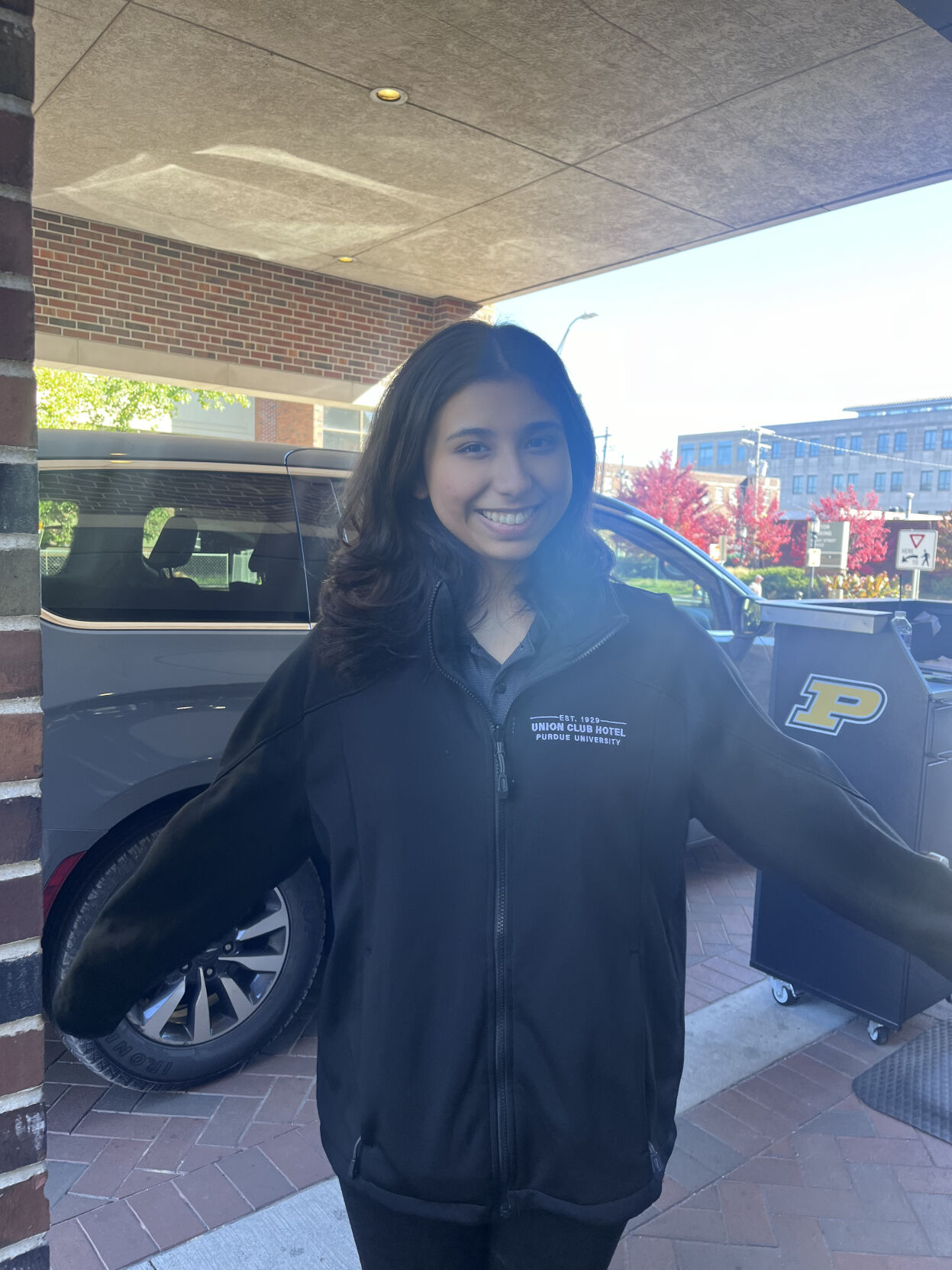
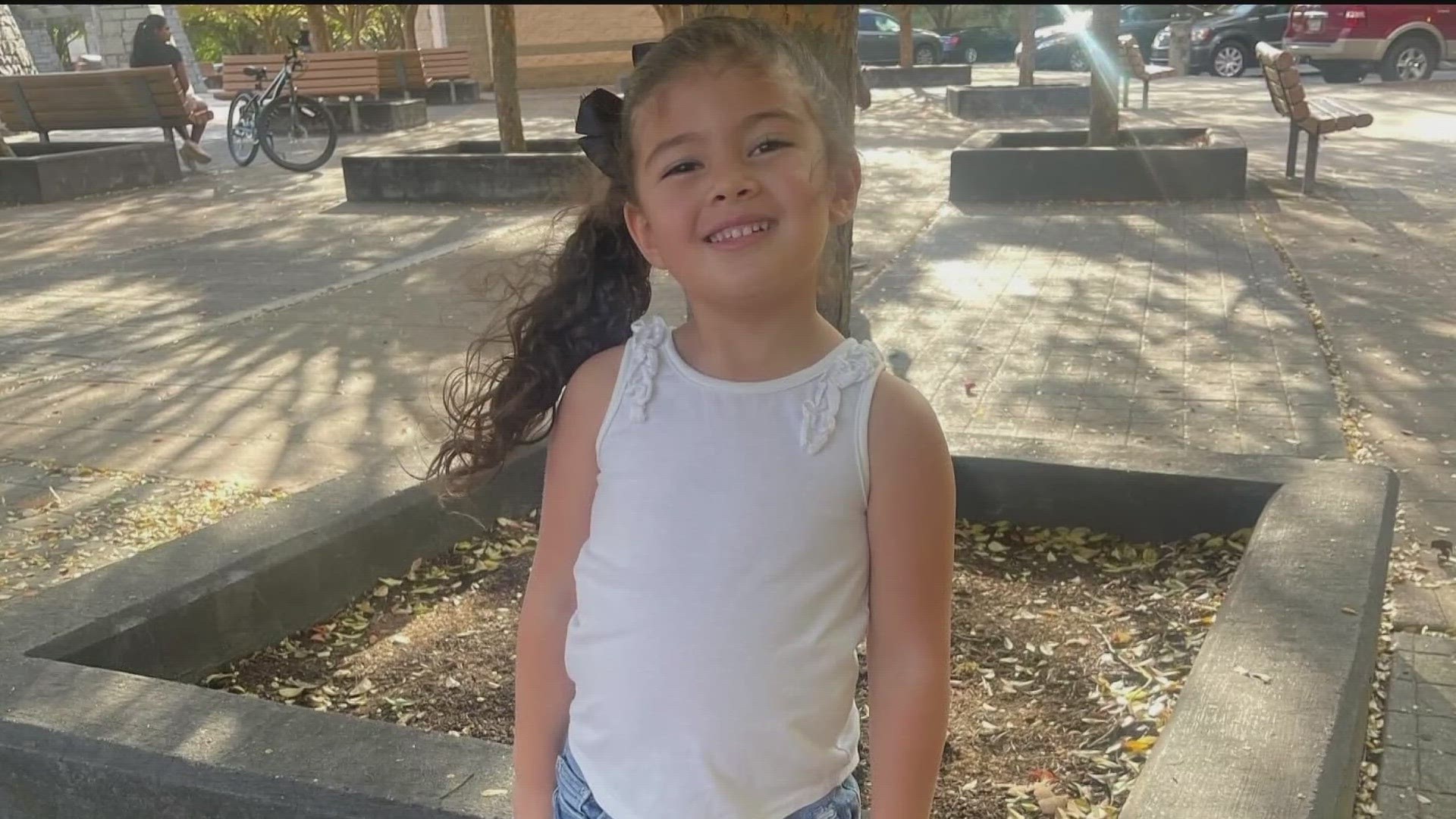
As of 2026, Abigail Hernandez remains a prominent figure in the landscape of American survival stories and victim advocacy. Since her 2014 release following 277 days in captivity, she has transitioned from a headline subject to a voice for empowerment, focusing on trauma recovery and personal safety education for young people.
The story of Abigail Hernandez is one of the most remarkable accounts of resilience in recent American history. Kidnapped at age 14 in North Conway, New Hampshire, Hernandez’s survival and subsequent return changed how law enforcement and the public view missing person cases involving long-term captivity. By 2025, her journey had evolved significantly, moving beyond the "victim" narrative and into a structured effort to help others navigate the complexities of trauma and the legal system.
To understand where Abigail Hernandez stands today, it is necessary to examine the foundational events of her case, the legal resolution involving her captor, and the specific advocacy paths she has pursued in the years leading up to 2026.
The Foundation of a Survivor: A Brief Retrospective
On October 9, 2013, Abigail Hernandez disappeared while walking home from Kennett High School in North Conway. For nine months, her whereabouts remained a mystery, sparking a massive search effort that involved local police, the New Hampshire State Police, and the FBI. It was later revealed that she had been abducted by Nathaniel Kibby and held in a soundproofed storage container—often referred to in media reports as a "shipping container" or "shed"—behind his mobile home in Gorham, New Hampshire.
During her 277 days of captivity, Hernandez endured psychological and physical trauma. However, her eventual release in July 2014 was not the result of a police raid, but rather a complex negotiation of sorts between herself and her captor. Her ability to remain calm and maintain a psychological connection with Kibby is often cited by experts as a primary reason for her survival. Her return to her family on July 20, 2014, marked the beginning of a long road to recovery that continues to influence her public presence in 2025 and 2026.
Legal Status of Nathaniel Kibby in 2026
For many following the case, the status of the perpetrator is a key component of the narrative. Nathaniel Kibby was arrested shortly after Abigail's return. In 2016, Kibby pleaded guilty to several charges, including kidnapping, sexual assault, and criminal threatening.
As of 2026, Nathaniel Kibby remains incarcerated within the New Hampshire State Prison system. Under the terms of his plea agreement, he was sentenced to 45 to 90 years in prison. Given the nature of his crimes and the length of the sentence, he is not eligible for parole until he has served the minimum 45-year term, which would be well into the mid-21st century.
Impact of the Legal Proceedings
The legal resolution of the case was significant because it spared Hernandez the trauma of a protracted trial. By accepting a plea deal, the state ensured a lengthy prison term while providing the survivor with a degree of privacy and closure. In the years following the sentencing, the case has served as a study for prosecutors on how to handle high-profile kidnapping cases where the victim’s testimony is the central piece of evidence.
Abigail’s Transition to Advocacy and Media
In the years leading up to 2025, Abigail Hernandez made a conscious decision to share her story on her own terms. This was most notably seen in the 2022 documentary and film project, Girl in the Shed: The Kidnapping of Abigail Hernandez. This project allowed her to reclaim the narrative, focusing on her internal strength rather than the external horrors of her captivity.
Professional Public Speaking
By 2025, Hernandez had established herself as a public speaker. Her presentations typically focus on:
- The Psychology of Survival: Explaining how the human mind adapts to extreme stress and trauma.
- Empowerment through Narrative: Encouraging other survivors to take control of their own stories.
- Safety Awareness: Providing practical advice to teenagers and parents about situational awareness.
Her approach is characterized by a "trauma-informed" perspective, which prioritizes the emotional well-being of the survivor while seeking justice and public awareness. This shift has made her a sought-after voice at conferences involving law enforcement, social workers, and victim advocacy groups.
The Dynamics of Long-Term Captivity Survival
The Abigail Hernandez case is often analyzed alongside other high-profile cases like those of Elizabeth Smart and Jaycee Dugard. Experts in forensic psychology use these cases to understand the "survival mindset."
One of the critical elements in Hernandez's survival was her use of "tactical empathy." This involves a victim building a rapport with their captor to reduce the likelihood of violence. In 2025, discussions surrounding Hernandez often highlight how she managed to humanize herself in the eyes of Nathaniel Kibby, eventually leading him to release her. This aspect of the case has become a teaching point for child safety advocates, emphasizing that survival strategies are varied and that there is no "wrong" way for a victim to behave if it results in them coming home alive.
Safety and Prevention: Lessons from the Case
The legacy of the Hernandez case in 2025 and 2026 is heavily rooted in prevention. The circumstances of her abduction—a routine walk home from school—serve as a reminder of the vulnerabilities in suburban and rural environments.
| Safety Category | Preventive Action / Lesson Learned | Modern Application (2026) |
|---|---|---|
| Route Variance | Avoid walking the exact same path at the same time every day. | Use of safety apps that notify parents of route deviations. |
| Communication | Establishing a "check-in" system upon arrival at a destination. | Standardized "Safe Arrival" automated SMS protocols in schools. |
| Situational Awareness | Recognizing "predatory grooming" or suspicious vehicle behavior. | Educational curriculum in middle schools focusing on personal boundaries. |
| Emergency Response | Training on how to react if approached by a stranger in a vehicle. | "Run-Hide-Tell" protocols adapted for individual abduction scenarios. |
The Role of Technology in Missing Person Cases
Since 2013, technology has drastically changed how cases like Abigail’s are handled. In 2025, the integration of high-resolution dashcam footage, doorbell cameras (like Ring or Nest), and advanced GPS tracking in smartphones has made it significantly harder for abductors to remain undetected.
In the Hernandez case, the search was hindered by a lack of digital footprints. Today, the "digital breadcrumbs" left by both victims and suspects often provide the first major breaks in an investigation. Hernandez has occasionally commented on these technological shifts, noting how the landscape of "stranger danger" has evolved into a more complex digital environment where threats can originate online long before a physical encounter occurs.
Trauma Recovery and the Long-Term Path
Recovery from nearly a year of captivity is not a linear process. As Hernandez has matured, her public updates (often shared through social media or select interviews) reflect the reality of living with PTSD (Post-Traumatic Stress Disorder) while striving for a "normal" life.
In 2025, the focus of her advocacy also includes the importance of mental health resources. She has advocated for:
- Extended Support: Ensuring survivors have access to therapy years after the initial event, as trauma often manifests differently as one enters adulthood.
- Privacy Rights: Protecting the identities and personal lives of survivors from "true crime" enthusiasts and invasive media.
- Community Integration: Helping survivors find employment and educational opportunities after significant gaps in their personal history due to trauma.
Understanding the "Girl in the Shed" Legacy
The moniker "Girl in the Shed" is one that Hernandez has both embraced and worked to transcend. In 2026, it is seen less as a label of victimization and more as a marker of where her journey began. The 2022 movie of the same name was a pivotal moment in this transition. By participating in the production, Hernandez ensured that the depiction of her captor was not glamorized and that her own agency was the focal point of the story.
This media involvement set a standard for how survivors can interact with the entertainment industry. Rather than selling the rights to her story and stepping away, she remained an active participant to ensure accuracy and ethical storytelling.
Frequently Asked Questions
Where is Abigail Hernandez now?
As of 2026, Abigail Hernandez lives a relatively private life in New England but remains active as an advocate for crime victims and a public speaker. She focuses on her personal healing and uses her platform to educate the public on survival and trauma.
Is Nathaniel Kibby still in prison?
Yes. Nathaniel Kibby is serving a 45-to-90-year sentence at the New Hampshire State Prison for Men. He will not be eligible for parole until he has served at least 45 years of his sentence, which began in 2016.
What is the "Abigail Hernandez Law"?
While there is no single federal law named after her, her case heavily influenced New Hampshire's approach to missing person protocols and victim-witness protection programs, particularly regarding the privacy of minors involved in high-profile abductions.
How did Abigail Hernandez survive?
Experts attribute her survival to her extraordinary psychological resilience and her ability to build a rapport with her captor. This "tactical empathy" allowed her to stay alive during 277 days of captivity and eventually convinced her captor to release her.
Did Abigail Hernandez write a book?
While she has contributed to documentaries and helped script the film about her life, as of early 2026, she has focused primarily on visual media and public speaking rather than a traditional memoir, though her story is documented extensively in various investigative books and reports.
What happened to the shed where she was held?
The storage container where Hernandez was held was seized as evidence during the investigation and was eventually destroyed after the legal proceedings were concluded to prevent it from becoming a macabre site for "dark tourism."
Future Outlook for Advocacy
Looking ahead from 2026, Abigail Hernandez’s impact is likely to grow as she continues to refine her message. The shift from "survivor" to "expert" is a difficult one, but Hernandez has navigated it with a level of grace that has earned her respect from both the public and professional communities.
Her work serves as a bridge between the clinical understanding of trauma and the lived experience of it. For those searching for "Abigail Hernandez 2025," the answer is not found in a new tragedy or a sensationalist update, but in the steady, quiet work of a woman who refused to let her worst year define the rest of her life.
The primary lesson of her journey remains clear: survival is only the beginning. The real work lies in the years that follow—the reclaiming of one’s identity, the pursuit of justice, and the commitment to ensuring that others do not have to walk the same dark path alone.
Practical Action for Readers: For those interested in supporting victims of abduction or learning more about child safety, the National Center for Missing & Exploited Children (NCMEC) remains the premier resource for verified information and active ways to help. Familiarizing yourself with their "Know the Rules" program is a direct way to apply the lessons learned from the Hernandez case to your own community.