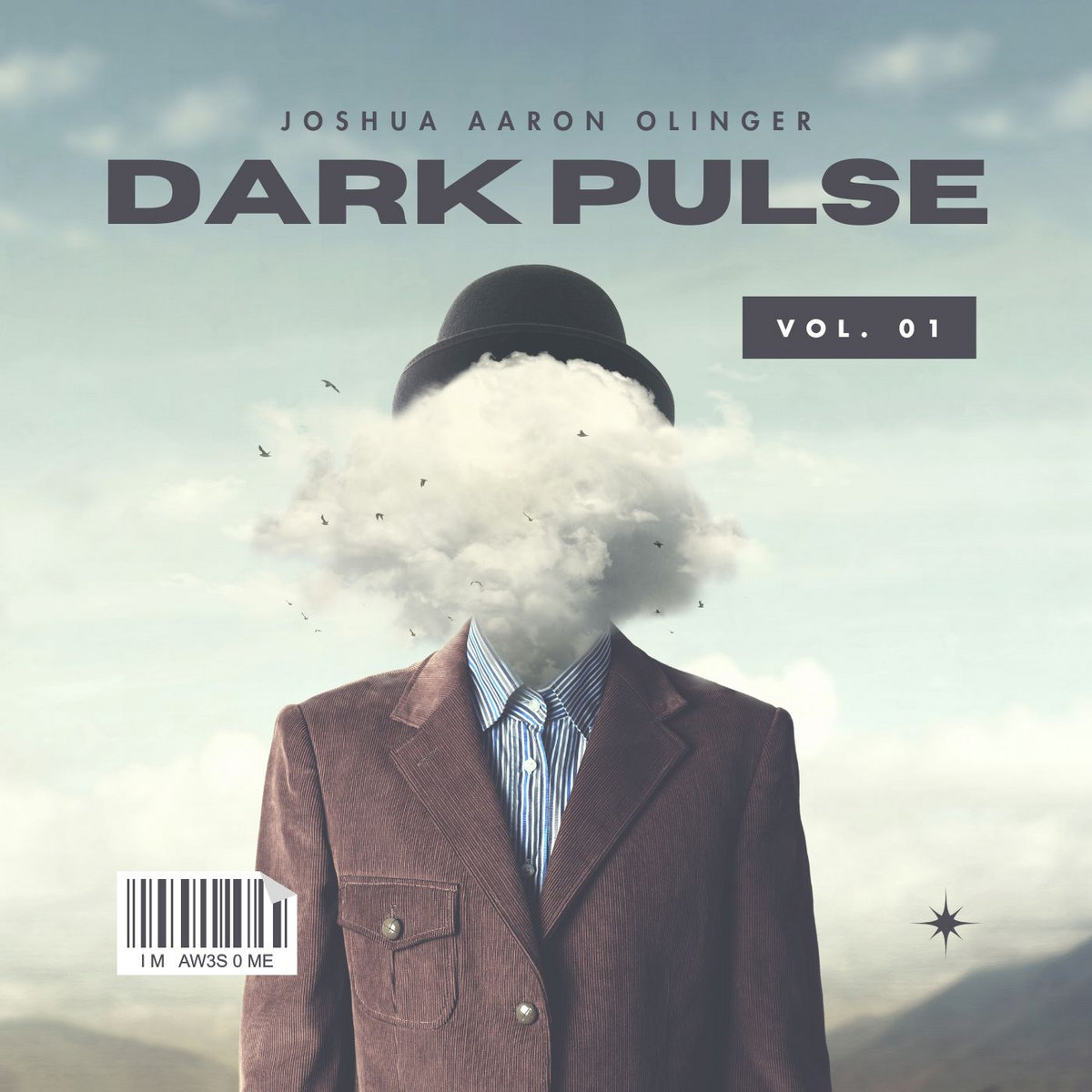
Aaron Dark occupies a distinct niche in the independent music landscape, blending atmospheric production techniques with structural songwriting approaches that appeal to dedicated listeners of underground and alternative genres. This profile examines his background, musical style, distribution methods, and the broader context of his career within the contemporary independent music ecosystem.
Introduction to Aaron Dark and His Musical Identity
Independent music production has expanded rapidly over the past decade, allowing artists outside major label systems to build direct audiences through streaming platforms, social media, and digital storefronts. Within this decentralized environment, artists like Aaron Dark construct profiles defined by stylistic versatility, self-directed production, and niche community engagement. While mainstream charts are dominated by heavily financed pop and hip-hop acts, independent musicians operating in alternative, ambient, and electronic subgenres rely on steady digital footprints, algorithmic discovery, and direct-to-fan marketing.
Evaluating a musician profile requires examining multiple facets: chronological background, core stylistic traits, technical production choices, distribution channels, and audience reception. For listeners, critics, and industry researchers seeking an accurate overview of Aaron Dark's creative output, this profile provides a comprehensive breakdown of his trajectory, artistic influences, and structural placement within the modern independent music market.
Chronological Trajectory and Early Career Beginnings
Every independent musician's journey is shaped by their initial entry point into the creative community, early collaborations, and the gradual evolution of their sound. While major label artists often experience rapid, manufactured entry into the public eye, independent creators typically navigate a long-tail growth curve characterized by self-released singles, localized performances, and progressive digital archiving.
Origins and First Releases
The foundational phase of Aaron Dark's career began with localized audio experiments and digital self-releases shared via online audio-sharing communities. In the early stages of independent music distribution, creators frequently utilize platforms like SoundCloud and Bandcamp to test early material without the financial barrier of traditional studio booking.
- Initial Experimentation: Early tracks focused heavily on atmospheric soundscapes, combining minimalist synthesizer patches with foundational rhythm tracks.
- Collaborative Roots: Working within local scenes, Dark engaged with other bedroom producers and instrumentalists, refining mixing and arrangement techniques through trial and error.
- Gradual Digital Footprint: The transition from unorganized audio dumps to curated releases marked the formal establishment of the Aaron Dark project as a distinct artistic entity.
Evolution of Sound and Stylistic Shifts
As the project matured, the sonic profile shifted from raw, unmastered electronic sketches toward structurally cohesive compositions. This evolution mirrors a common trajectory among independent electronic and alternative musicians:
- Bedroom Producer / Raw Audio
- Collaborative Experimentation & Sound Design
- Cohesive EP & Album Self-Releases
- Structured Digital Distribution & Curated Profile
This progression allowed Dark to refine his production workflow, incorporating hardware synthesizers and software digital audio workstations (DAWs) to achieve a cleaner, more professional sonic signature while retaining the raw emotional immediacy of his early work.
Musical Style, Genre Classification, and Technical Production
Defining the genre boundaries of an independent musician requires looking past rigid commercial categories. Aaron Dark’s music typically defies single-genre classification, residing at the intersection of several distinct aesthetic traditions.
Primary Genre Influences
The sonic palette of Aaron Dark draws from multiple established electronic and alternative movements:
- Ambient Electronic: Use of sustained pads, generative textures, and spacious reverb tails that create immersive listening environments.
- Alternative Pop/Rock: Incorporation of traditional song structures, vocal melodies, and rhythmic foundations that ground abstract electronic elements.
- Lo-Fi and Underground Soundscapes: Deliberate textural choices, including subtle saturation, tape emulation, and vinyl noise, lending warmth and vintage character to digital recordings.
Production Techniques and Equipment
The technical execution of Aaron Dark’s catalog reflects the modern DIY production ethos. Rather than relying exclusively on million-dollar commercial recording studios, the music is crafted within project studio environments.
| Production Element | Typical Approach | Technical Goal |
|---|---|---|
| Sound Design | Custom synthesizer patches and field recordings | Achieving a unique, non-generic sonic signature |
| Mixing | Dynamic EQ, parallel compression, and spatial panning | Maintaining clarity in dense, layered arrangements |
| Mastering | Tailoring loudness for digital streaming platforms (Spotify, Apple Music) | Ensuring commercial translation across consumer headphones and monitors |
| Distribution | Aggregator-led digital delivery (DistroKid, TuneCore, etc.) | Maximizing global reach without label intermediaries |
Digital Presence, Streaming, and Audience Engagement
In the current music industry landscape, an artist's profile extends far beyond audio files; it encompasses a multi-platform digital footprint that dictates visibility and audience retention.
Streaming Ecosystem and Algorithmic Discovery
Aaron Dark's music is distributed across major streaming services, allowing the project to accumulate a decentralized global listener base. Independent artists in this tier rely heavily on algorithmic placement—such as Spotify Radio, Discover Weekly, and curated user playlists—rather than terrestrial radio promotion.
- Metadata Optimization: Ensuring tracks are properly tagged with accurate genre descriptors, composer credits, and International Standard Recording Codes (ISRC).
- Playlist Pitching: Utilizing direct-to-curator submission tools and editorial pitching windows provided by streaming distributors.
- Cross-Platform Integration: Linking Bandcamp, SoundCloud, and streaming profiles to central social media hubs where fans can track upcoming releases.
Community Building and Direct-to-Fan Models
Without the marketing budgets of multinational entertainment conglomerates, independent musicians build loyalty through transparency and direct interaction. For Aaron Dark, audience connection is maintained via digital community spaces, where updates regarding upcoming projects, merchandise drops, and behind-the-scenes production insights are shared directly with listeners.
Comparative Analysis within the Independent Landscape
To understand Aaron Dark's standing, it is helpful to compare the operational model of his project against traditional and contemporary independent benchmarks.
| Feature | Major Label Artist | Traditional Indie Artist | Aaron Dark (Profile Model) |
|---|---|---|---|
| Funding | Corporate advances and marketing budgets | Self-funded or indie label backing | Self-financed project studio model |
| Distribution | Global physical and digital supply chains | Specialized boutique distributors | Automated digital aggregators |
| Creative Control | Shared with A&R and executive teams | Moderate to high | Absolute creative autonomy |
| Revenue Split | High percentage retained by corporate entities | Split with independent label/distributor | Maximized direct-to-artist digital returns |
This structural comparison highlights the freedom inherent in Dark's chosen path, alongside the inherent challenges of marketing and scaling an independent profile without external financial leverage.
Common Misconceptions Regarding Independent Artist Profiles
Navigating profiles of underground or independent musicians often involves sorting through inflated online claims, automated bio-generators, and unverified data. Listeners and researchers should keep several realities in mind:
- Streaming Numbers vs. Cultural Impact: High algorithmic play counts do not always translate to active, engaged communities or sustainable live touring markets.
- Production Misconceptions: Self-produced does not equate to low quality; modern software enables bedroom producers to achieve broadcast-ready mixing standards.
- Identity and Anonymity: Many independent electronic projects intentionally maintain low-profile public personas, focusing entirely on the audio output rather than personal celebrity branding.
Practical Guidance for Listeners and Researchers
For those looking to explore Aaron Dark's catalog or analyze the profile for academic or curatorial purposes, a structured approach yields the best results:
- Start at the Source: Visit primary artist hubs like Bandcamp or official web portals to hear uncompressed audio and support the artist directly.
- Trace the Discography Chronologically: Listen from early self-released tracks to later polished EPs to appreciate the technical growth of the production style.
- Verify Credits: Check metadata and liner notes on streaming platforms to identify collaborators, mix engineers, and co-writers associated with specific releases.
- Explore Related Acts: Use streaming recommendation trees to discover peers operating within the same niche ambient and alternative electronic spaces.
Frequently Asked Questions
What genre of music does Aaron Dark produce?
Aaron Dark primarily produces alternative electronic music, blending ambient soundscapes, lo-fi textures, and structured alternative pop elements. The music is characterized by atmospheric synthesizer arrangements, dynamic rhythm sections, and self-produced spatial mixing techniques.
Where can I listen to Aaron Dark's music?
The music is available across major digital streaming platforms, including Spotify, Apple Music, and Amazon Music, as well as independent creator platforms like Bandcamp and SoundCloud, where listeners can access direct downloads and physical media when available.
Is Aaron Dark signed to a major record label?
No, Aaron Dark operates as an independent musician. The project utilizes digital distribution aggregators to release music directly to streaming platforms, maintaining complete creative autonomy over production, art direction, and release schedules.
How do independent artists like Aaron Dark sustain their careers?
Independent musicians typically sustain their projects through a combination of digital streaming royalties, direct-to-fan sales on platforms like Bandcamp, merchandise offerings, and occasional sync licensing placements for film, television, or digital media.
What technical equipment defines the Aaron Dark sound?
While specific gear configurations evolve, the production style relies heavily on digital audio workstations (DAWs), software synthesizers, hardware MIDI controllers, and outboard tape saturation plugins designed to create warm, organic electronic textures.
Conclusion and Next Actions
Aaron Dark represents the modern paradigm of the independent musician: self-reliant, digitally distributed, and stylistically fluid. By combining thoughtful ambient textures with structured alternative songwriting, the project occupies a meaningful space within contemporary underground electronic music. For a complete understanding of the catalog, listeners and researchers should explore the primary releases directly on digital streaming networks and Bandcamp, tracing the technical and artistic evolution from early underground experiments to polished contemporary statements.