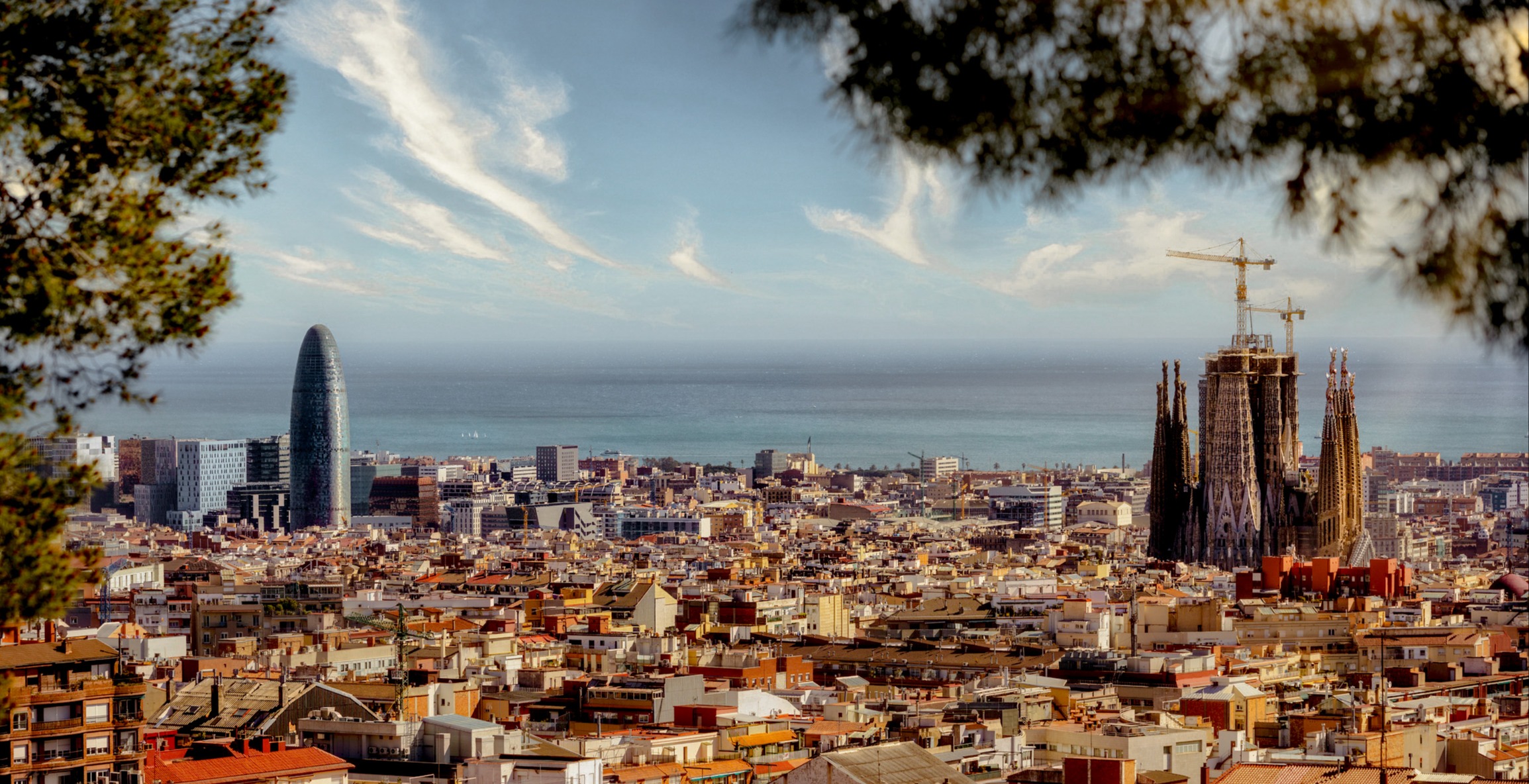
Barcelona experiences a transition from mild, temperate conditions to the intense heat of the Mediterranean summer over a seven-week period spanning late spring to early summer. The optimal window for visiting the city—balancing comfortable outdoor temperatures, lower humidity, and active tourist infrastructure—typically occurs between the second week of May and the final week of June, offering the most consistent conditions for coastal exploration and urban walking.
Understanding the Mediterranean Climate in Barcelona
Barcelona’s climate is classified as Mediterranean (Csa under the Köppen climate classification). This translates to mild, damp winters and warm, dry summers. However, the specific seven-week period from mid-May through June represents the "sweet spot" for visitors. During these weeks, the sea temperature begins to rise, the likelihood of rainfall decreases significantly compared to the autumn months, and the daytime temperatures rarely reach the oppressive humidity levels seen in late July and August.
In 2026, understanding this timeline requires looking at historical meteorological patterns. The city’s geography—sandwiched between the Collserola mountain range and the Mediterranean Sea—creates a unique microclimate. The mountains prevent cold winds from reaching the city center, while the sea provides a cooling effect. By mid-May, the persistent cloud cover that often lingers in early spring begins to dissipate, giving way to the stable high-pressure systems characteristic of the upcoming summer.
Week-by-Week Weather Progression
The progression of weather in Barcelona follows a predictable pattern that informs the viability of various tourist activities. The following breakdown tracks the transition from the end of spring into the early summer.
Week 1: Mid-May (The Transition)
Early to mid-May is marked by average daytime highs of 20°C (68°F). The air is fresh, and while the sea remains too cold for most swimmers (averaging 17-18°C), the city is perfect for walking tours. This is the period when the city’s parks, such as Parc de la Ciutadella, are in full bloom.
Week 2: Late May (Establishing Stability)
Temperatures climb steadily toward 22°C (72°F). The sea breeze, locally known as the garbí, begins to establish itself, keeping the city center cooler than the inland areas of Catalonia. This week is often the most comfortable for those who wish to avoid the midday heat.
Week 3: Early June (The Pre-Summer Peak)
By the start of June, Barcelona enters a period of consistent sunshine. Daytime temperatures hover around 24°C (75°F). Rainfall becomes infrequent, and the humidity levels are generally lower than at any other time of the year, making this the best week for visiting architectural sites like the Sagrada Família or Park Güell without the burden of extreme heat.
Week 4: Mid-June (The Onset of Summer)
As the summer solstice approaches, the city experiences longer daylight hours—often lasting until 9:30 PM. Highs reach 26°C (79°F). The beach culture begins to intensify, and outdoor dining becomes the standard for both locals and visitors.
Week 5: Late June (Optimal Coastal Conditions)
This week serves as the conclusion of the "ideal" weather window. The sea temperature reaches roughly 21-22°C (70-72°F), which is sufficient for swimming. The atmosphere is definitively summery, with very little risk of the sudden thunderstorms that characterize late August.
Weeks 6 and 7: The Bridge to Peak Heat
These final two weeks see temperatures regularly exceeding 27°C (81°F). While the weather remains beautiful, the ultraviolet (UV) index rises sharply. This is the period when city planning requires a shift toward indoor activities during the hours of 2:00 PM to 5:00 PM to mitigate heat exhaustion.
Comparative Weather Metrics
To make informed decisions regarding your travel schedule, it is necessary to compare the meteorological data of this seven-week window against the broader annual cycle.
| Period | Avg High (°C) | Avg Low (°C) | Sea Temp (°C) | Rain Risk |
|---|---|---|---|---|
| Mid-May | 20 | 14 | 17 | Moderate |
| Early June | 24 | 17 | 19 | Low |
| Late June | 27 | 20 | 22 | Low |
| July/August | 29+ | 22+ | 25+ | Very Low |
Data represents historical averages. Note that high humidity in July and August can make "feels-like" temperatures significantly higher than the recorded dry-bulb temperature.
Strategic Considerations for Visitors
When planning your visit, weather is only one factor in the overall experience. The seven-week window identified above provides the best physical conditions, but it also necessitates strategic planning regarding crowd density and city events.
The Role of Humidity
Unlike inland parts of Spain, Barcelona maintains a high ambient humidity due to its coastal location. In June, the humidity usually hovers around 65-70%. While this is manageable for most, it can make strenuous activities like hiking the Bunkers del Carmel significantly more taxing. Always plan such excursions for the early morning hours, ideally before 10:00 AM.
Managing Exposure
The sun intensity in Barcelona during June is significant. Between 12:00 PM and 4:00 PM, the UV index can reach levels of 8 or 9. If you are visiting during the latter half of this seven-week period, ensure that your itinerary includes "cooling breaks." Fortunately, Barcelona is densely packed with horchaterías (selling tiger nut milk) and granja cafes, which serve as excellent retreats from the sun.
Infrastructure and Urban Heat
The urban layout of the Eixample district, with its wide boulevards and grid pattern, is designed to allow sea breezes to circulate. However, the Gothic Quarter (Barri Gòtic) features narrow, winding streets that can trap heat. If you are visiting during the warmer weeks (Weeks 5-7), prioritize visiting the old city in the morning and utilize the wider, airier avenues of the Eixample for afternoon walks.
Frequently Asked Questions
Is June considered the best month for weather in Barcelona?
Yes, June is widely considered the best month because it perfectly bridges the gap between spring freshness and the oppressive heat of late summer. It offers the most reliable sunshine, warm sea temperatures for swimming, and comfortable evenings.
How does rainfall affect these seven weeks?
Rainfall is historically at its lowest point during the late spring transition. While brief, localized showers can occur, they are rarely persistent. Compared to the autumnal months of September and October, the likelihood of your travel being disrupted by rain during these seven weeks is minimal.
Should I worry about heatwaves in June?
While heatwaves are more common in July and August, they can occasionally occur in late June. If a heatwave is forecast, the local government often issues public health advisories. Monitor official sources like the Servei Meteorològic de Catalunya for real-time alerts.
What should I pack for this 7-week window?
Pack breathable, light-colored natural fibers like linen or cotton. While you will want shorts and swimwear for the beach, always carry a light layer, such as a denim jacket or a linen shirt, for cooler evenings, especially in mid-May. Comfortable, closed-toe walking shoes are essential for the city's cobblestone streets.
Does the sea temperature vary much during this period?
The sea temperature rises steadily throughout the seven weeks. It begins as quite brisk in mid-May (17°C) and reaches a comfortable, refreshing temperature by the end of June (22°C).
Final Recommendations for Your Visit
If your primary goal is maximizing outdoor comfort for sightseeing, target the first three weeks of this period (mid-May to early June). If your primary goal is a balance between sightseeing and beach leisure, target the final three weeks (mid-June to the end of June). Regardless of the specific week you choose, prioritize booking your entry to major attractions like the Sagrada Família well in advance, as the pleasant weather during these weeks consistently correlates with higher tourist volume. Always stay hydrated and observe the local rhythm—which involves mid-day pauses—to ensure the most enjoyable experience in Barcelona.