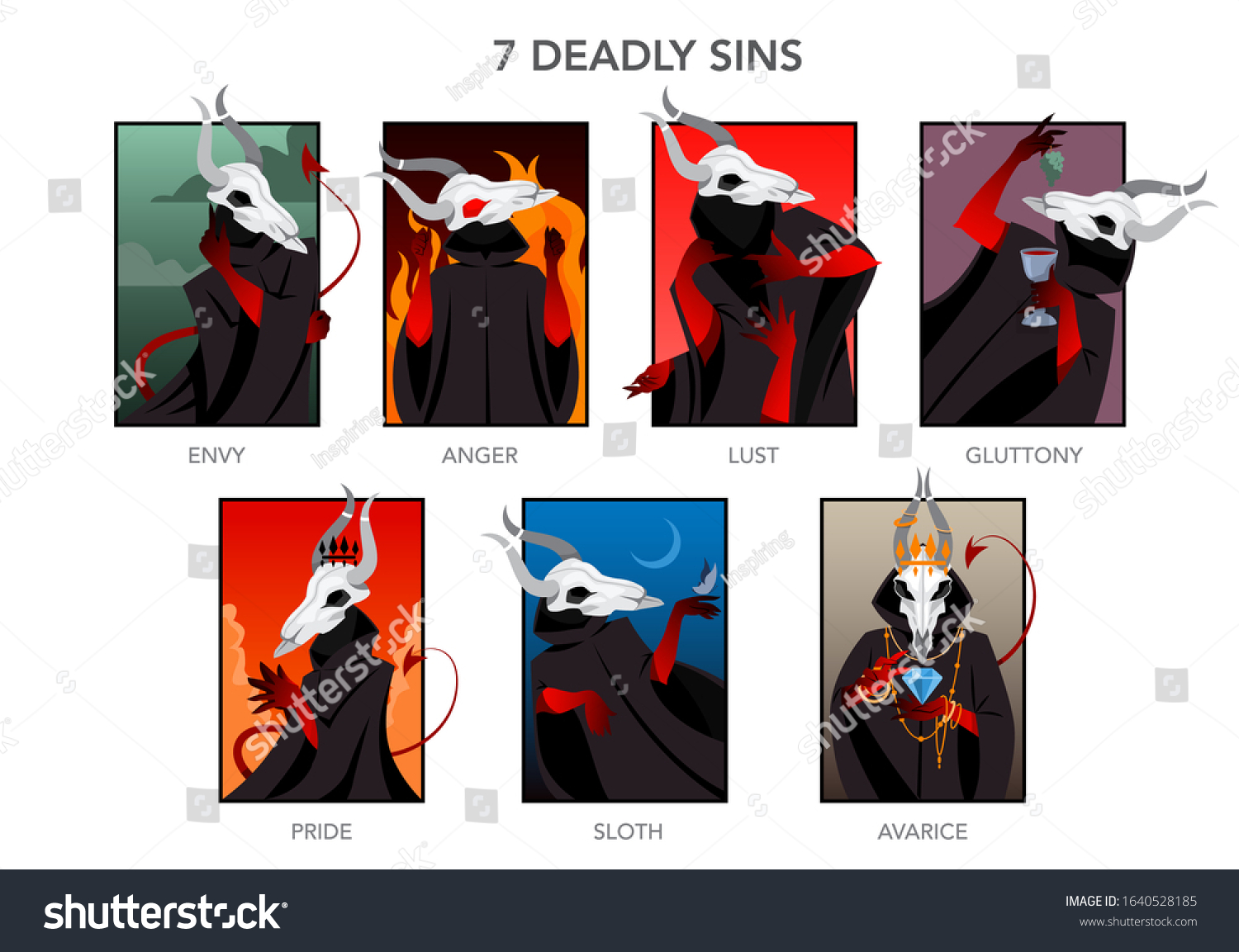
The seven deadly sins—pride, greed, lust, envy, gluttony, wrath, and sloth—are a classification of vices used since early Christian times to educate and protect followers from basic human instincts that lead to immorality. Each sin represents a perversion of a natural desire or a failure of love, serving as a framework for understanding moral failings in both theological and secular contexts.
The Origins and History of the Seven Deadly Sins
To understand the seven deadly sins as they are recognized in 2026, one must look back to the fourth century. The concept did not originate as a single list in the Bible but was developed by early Christian monastics. The Greek monastic Evagrius Ponticus first identified eight "evil thoughts" or "wicked spirits" that troubled monks: gluttony, lust, avarice, sadness, anger, acedia (spiritual apathy), vainglory, and pride.
In the late sixth century, Pope Gregory I (Gregory the Great) refined this list into the seven we recognize today. He folded "vainglory" into "pride," "acedia" into "sadness," and added "envy." This structure was later popularized in the 14th century by Dante Alighieri in his epic poem, The Divine Comedy, specifically in the "Purgatorio" section. Dante organized the sins based on the "perversion of love": love perverted (pride, envy, wrath), love deficient (sloth), and love excessive (greed, gluttony, lust).
While these "capital vices" are not explicitly listed together in a single biblical verse, they are derived from various passages, such as Proverbs 6:16-19 and Galatians 5:19-21. Today, they remain a foundational element of Western ethics, psychology, and literature, providing a map of the "shadow side" of the human experience.
1. Pride (Superbia)
Pride is traditionally considered the most serious of the seven deadly sins and the root from which all other sins grow. It is defined as an excessive belief in one's own abilities, worth, or accomplishments, often accompanied by a lack of recognition for the contributions of others or the divine.
The Theological Context of Pride
In religious traditions, pride is the sin that led to the fall of Lucifer. It is seen as a direct rejection of God because the proud individual believes they are the architect of their own success and existence. It is not merely "self-esteem," which is generally viewed as healthy, but rather a delusional self-exaltation that places the self above all else.
Modern Examples of Pride
- The "Main Character" Syndrome: In the digital age, this manifests as an obsessive need to be the center of attention, often at the expense of social harmony or others' well-being.
- Intellectual Arrogance: Refusing to consider alternative viewpoints or dismissing the expertise of others because of a belief that one’s own intellect is infallible.
- Narcissism in Leadership: A leader who takes all the credit for team successes but blames subordinates for any failures, viewing themselves as inherently superior to their peers.
The Opposing Virtue: Humility
Humility is the antidote to pride. It involves a realistic self-assessment—recognizing one's strengths without exaggeration and acknowledging one's flaws without self-loathing.
2. Envy (Invidia)
Envy is the intense desire to possess something that belongs to another, coupled with a feeling of resentment toward the person who possesses it. It differs from jealousy; while jealousy is the fear of losing something you have, envy is the pain of seeing someone else have what you lack.
The Psychology of Envy
Envy is often described as the "silent sin" because people are rarely willing to admit to it. It leads to a "zero-sum" mindset, where someone else's gain is perceived as your personal loss. This can lead to "schadenfreude," or taking pleasure in the misfortunes of others.
Modern Examples of Envy
- Social Media Comparison: Scrolling through curated "highlight reels" of others' lives and feeling deep resentment or bitterness about your own lifestyle, even if your needs are met.
- Professional Sabotage: Undermining a colleague’s project or reputation because they received a promotion or accolade that you desired.
- Resentment of Success: Dismissing someone’s hard-earned achievements as "mere luck" or "privilege" solely to soothe the ego’s pain of not having reached that same level.
The Opposing Virtue: Kindness/Gratitude
The remedy for envy is practicing gratitude for what one has and cultivating "mudita," a term from Buddhist philosophy meaning "sympathetic joy"—finding happiness in the success of others.
3. Wrath (Ira)
Wrath, or anger, becomes a deadly sin when it is uncontrolled, disproportionate, or seeks vengeance rather than justice. While "righteous indignation" (anger at injustice) is often viewed as acceptable, wrath is a destructive force that consumes the person feeling it.
The Destructive Nature of Wrath
Wrath clouds judgment and leads to actions that cause long-term harm. It is often a reaction to perceived slights or an inability to control a situation. Physically, chronic wrath is linked to high blood pressure and heart disease, showing the "deadly" nature of the sin even in a biological sense.
Modern Examples of Wrath
- Online Harassment and "Cancel Culture": Engaging in excessive, vitriolic attacks against individuals for perceived errors, often going far beyond the scope of the original grievance.
- Road Rage: Losing all sense of perspective and safety because another driver made a minor mistake or slowed one's progress.
- Domestic Aggression: Using anger as a tool for control or intimidation within personal relationships, creating a climate of fear.
The Opposing Virtue: Patience/Meekness
Patience allows an individual to process frustration without reacting impulsively. Meekness, often misunderstood as weakness, is actually "power under control."
4. Sloth (Acedia)
Sloth is often misunderstood as simple laziness. However, its original theological name, acedia, refers to spiritual apathy or a "lack of care." It is the failure to do what one should do, particularly concerning one's spiritual or moral obligations.
The Complexity of Sloth
Sloth can manifest as physical inactivity, but it can also manifest as "busy-ness" that avoids the most important tasks. It is a refusal to engage with the world's needs or one's own potential. It is the "sin of omission"—not doing the good that is required of you.
Modern Examples of Sloth
- Moral Indifference: Being aware of a major injustice or a friend in need but choosing to do nothing because "it doesn't affect me" or "it’s too much effort."
- Spiritual Stagnation: The refusal to engage in self-reflection or personal growth, choosing instead to stay in a comfortable but stagnant routine.
- The "Quiet Quitter" Mentality: In its negative form, this involves a deliberate withdrawal of effort and care from one’s responsibilities, doing the bare minimum to survive while contributing nothing to the collective good.
The Opposing Virtue: Diligence
Diligence is the persistent effort to fulfill one's duties and pursue excellence, even when it is difficult or unrewarding in the short term.
5. Greed (Avaritia)
Greed, also known as avarice or covetousness, is the immoderate desire for earthly possessions. It is the pursuit of wealth, status, or power at any cost, often leading to the exploitation of others.
The Endless Cycle of Greed
Greed is unique because it is never satisfied. The more a greedy person acquires, the more they feel they need. It shifts the focus from "having enough" to "having more than others," creating a vacuum that no amount of material wealth can fill.
Modern Examples of Greed
- Corporate Malfeasance: Prioritizing quarterly profits over environmental safety, worker welfare, or product integrity.
- Hoarding Resources: Accumulating vast amounts of wealth or goods while others in the same community lack basic necessities.
- Insider Trading: Using illegal means to gain a financial advantage in the stock market, prioritizing personal gain over the fairness of the financial system.
The Opposing Virtue: Charity/Generosity
Charity involves the willing sacrifice of one's resources (time, money, or talent) to help others, breaking the hold that material possessions have on the soul.
6. Gluttony (Gula)
Gluttony is the overindulgence and overconsumption of anything to the point of waste. While traditionally associated with food and drink, in the modern context, it applies to any form of consumption that goes beyond what is necessary or healthy.
The Varieties of Gluttony
St. Thomas Aquinas identified five ways to commit gluttony: eating too soon, too expensively, too much, too eagerly, or too daintily (being overly fussy). It is fundamentally about a lack of self-control over bodily appetites.
Modern Examples of Gluttony
- Binge Consumption: Spending hours mindlessly consuming digital content, food, or media to the point where it interferes with health and social responsibilities.
- Wasteful Consumerism: Buying excessive amounts of clothing or gadgets that are never used, contributing to environmental degradation.
- Substance Abuse: The overindulgence in alcohol or drugs to escape reality, prioritizing immediate sensory pleasure over long-term well-being.
The Opposing Virtue: Temperance
Temperance is the practice of moderation. It is the ability to enjoy the pleasures of life without becoming enslaved by them.
7. Lust (Luxuria)
Lust is an intense and uncontrolled desire, usually of a sexual nature. It becomes a deadly sin when it treats other human beings as objects for self-gratification rather than as individuals with their own dignity and rights.
The Perversion of Intimacy
Theologically, lust is seen as a perversion of love. While love seeks to give, lust seeks only to take. It isolates the physical impulse from the emotional and spiritual connection that defines healthy human relationships.
Modern Examples of Lust
- Objectification in Media: Consuming or producing content that reduces people to mere physical parts, ignoring their humanity.
- Infidelity: Prioritizing a fleeting physical urge over the sacred commitments made to a partner or spouse.
- The "Hookup Culture" Excess: Engaging in sexual encounters solely for physical release without any regard for the emotional safety or dignity of the other person involved.
The Opposing Virtue: Chastity/Self-Control
Chastity is not necessarily the absence of sex, but the integration of sexuality into a life of integrity, where physical desires are governed by respect and commitment.
Comparison of Sins, Punishments, and Virtues
The following table summarizes the seven deadly sins as depicted in classical literature (specifically Dante’s Purgatorio) and provides their corresponding virtues.
| Sin | Primary Focus | Classical Punishment (Dante) | Counter-Virtue |
|---|---|---|---|
| Pride | Self-Exaltation | Carrying heavy stones to bow the head | Humility |
| Envy | Resenting Others | Eyelids sewn shut with wire | Kindness |
| Wrath | Destructive Anger | Walking through thick, blinding smoke | Patience |
| Sloth | Spiritual Apathy | Running at full speed without stopping | Diligence |
| Greed | Material Excess | Lying face down on the ground | Charity |
| Gluttony | Overconsumption | Starving while smelling delicious food | Temperance |
| Lust | Disordered Desire | Walking through a wall of fire | Chastity |
Cultural and Psychological Perspectives in 2026
By 2026, the concept of the seven deadly sins has transitioned from purely religious dogma into the realm of behavioral psychology. Many psychologists view these "sins" as archetypal human behaviors that, when left unchecked, lead to personal and societal dysfunction.
For example, "Pride" is often discussed in clinical terms as Narcissistic Personality Disorder, while "Sloth" shares many characteristics with clinical depression or "learned helplessness." "Gluttony" and "Greed" are frequently analyzed through the lens of dopamine-seeking behaviors and addiction. By understanding these as part of the human condition, society can develop better tools for self-regulation and ethical living.
In literature and media, the "Seven Deadly Sins" remain a popular trope (seen in films like Se7en and various anime and television series). They serve as a shorthand for character flaws that audiences can immediately recognize and understand. This enduring relevance suggests that while the language we use to describe these vices may change, the underlying moral challenges they represent are timeless.
Frequently Asked Questions
Are the Seven Deadly Sins actually in the Bible?
No, there is no single list of these exact seven sins in the Bible. However, the themes are present throughout scripture. The list was finalized by Pope Gregory the Great in the 6th century and further solidified in Western culture by Thomas Aquinas and Dante Alighieri.
Which is the worst of the seven sins?
Theologically, Pride is considered the worst because it is the root of all other sins. It represents the ultimate turning away from truth and the divine. From a social perspective, many argue that Greed or Wrath causes the most tangible harm to others.
Is "Sloth" just about being lazy?
No. Sloth, or acedia, is more about spiritual or emotional apathy. It is the "failure to care" or the refusal to fulfill one’s moral obligations. You can be a very "busy" person and still be guilty of sloth if you are avoiding the important work of the soul or community.
Can these sins be forgiven?
In Christian theology, all of these are considered "capital" or "cardinal" sins, meaning they lead to other sins, but they are not "unpardonable." Through confession, repentance, and the practice of the opposing virtues, an individual can overcome these vices.
What are the "Seven Heavenly Virtues"?
The Seven Heavenly Virtues are the direct opposites of the sins: Humility (vs. Pride), Kindness (vs. Envy), Patience (vs. Wrath), Diligence (vs. Sloth), Charity (vs. Greed), Temperance (vs. Gluttony), and Chastity (vs. Lust).
Practical Recommendation: Moving Toward the Virtues
Understanding the seven deadly sins is not about self-condemnation, but about self-awareness. To move toward a more balanced and ethical life in 2026, one should engage in regular "moral inventory." Identify which of these seven tendencies is most prevalent in your life—everyone has at least one "dominant" vice.
Once identified, do not simply try to "stop" the behavior. Instead, actively cultivate the opposing virtue. If you struggle with Envy, make a daily habit of expressing gratitude. If you struggle with Wrath, practice mindfulness and "the pause" before reacting. By focusing on the virtue, the vice naturally loses its grip, leading to a more fulfilled and harmonious existence.