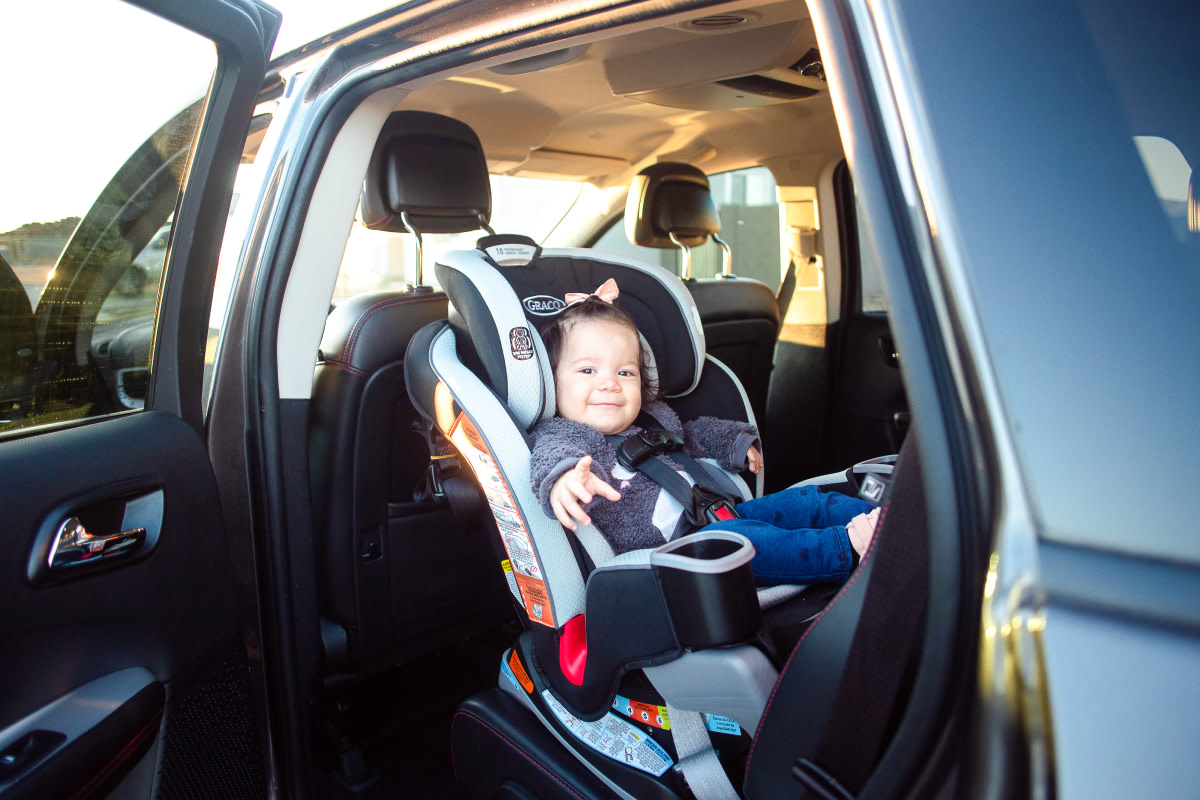
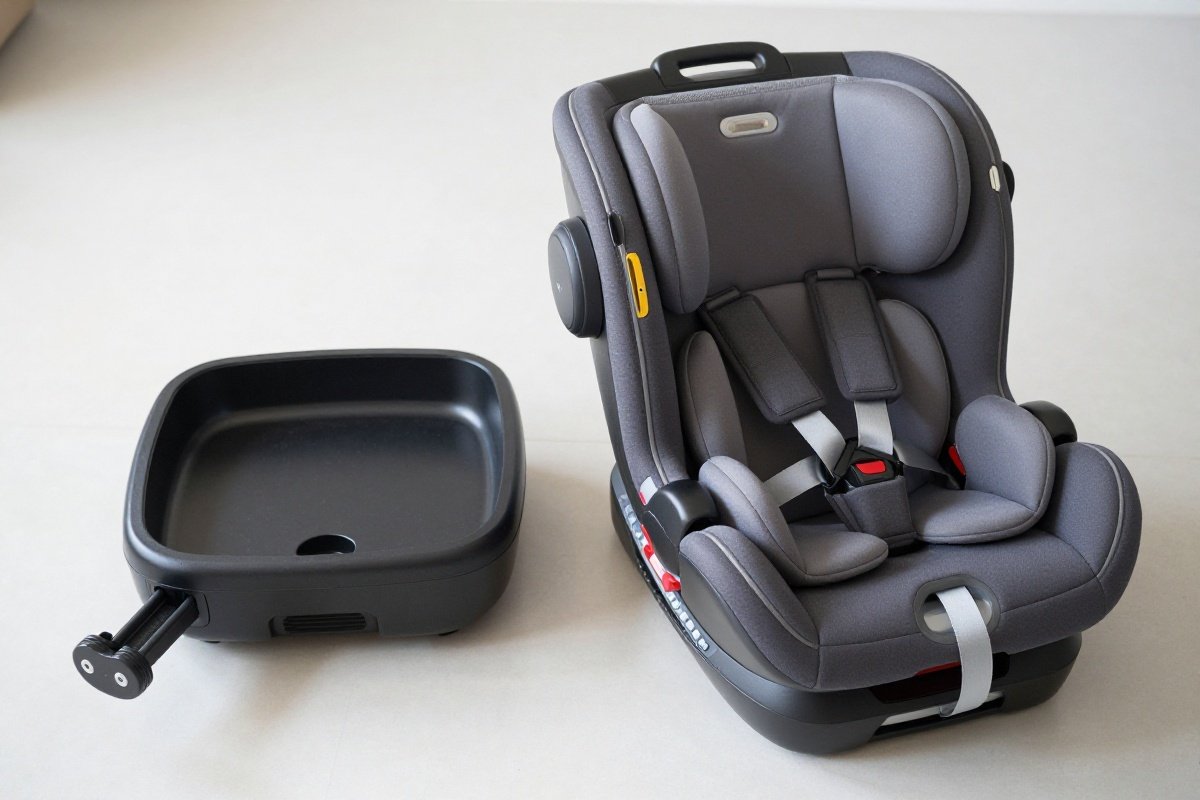
Choosing the best infant convertible car seat requires evaluating seven critical factors: safety certifications, vehicle compatibility, installation mechanisms, height and weight limits, ease of use, maintenance requirements, and long-term value. Prioritizing a seat that supports extended rear-facing and fits securely in your specific vehicle is essential for maximizing your child's safety and comfort.
Selecting a car seat is one of the most significant safety decisions a parent or caregiver makes. Unlike dedicated infant "bucket" seats that click in and out of a base and stroller, a convertible car seat is designed to stay in the vehicle and "convert" from a rear-facing seat for infants to a forward-facing seat for toddlers and older children. As of 2026, the market offers a wide array of technological advancements, from specialized tensioning systems to enhanced side-impact protection, making the selection process both more secure and more complex.
This guide breaks down the essential components of a convertible car seat to help you navigate the technical specifications and safety standards required to protect your child on the road.
1. Safety Certifications and Impact Technology
The primary purpose of any car seat is crash protection. In the United States, all car seats must meet Federal Motor Vehicle Safety Standard 213 (FMVSS 213). However, many premium convertible seats in 2026 go beyond these baseline requirements to include advanced energy-management features.
When evaluating safety, look for seats that incorporate Side-Impact Protection (SIP). Since federal standards primarily focus on frontal impacts, manufacturers often develop their own proprietary SIP technologies, such as energy-absorbing foam (EPS or EPP) and external pods designed to divert crash forces away from the child.
Another critical safety feature is the Anti-Rebound Bar (ARB) or a load leg. An ARB is a padded metal bar located at the foot of the car seat when in the rear-facing position. In the event of a collision, it prevents the car seat from rotating toward the back of the vehicle seat, significantly reducing the risk of head and neck injury. Load legs, while more common in European models and some high-end U.S. infant seats, are increasingly found in convertible models to stabilize the seat against the vehicle floor.
2. Vehicle Compatibility and Spatial Requirements
A car seat is only effective if it fits properly in your vehicle. Convertible seats are notoriously bulky, and their "footprint" can vary significantly between brands. Before purchasing, you must measure the depth of your back seat and the distance between the front and rear seats.
Many convertible seats require a specific recline angle when in the rear-facing position to ensure the infant’s airway remains open. This recline often pushes the car seat back into the space of the front passenger or driver. If you drive a compact car or a vehicle with a shallow second row, you should look for "compact" convertible models specifically designed for small spaces.
Furthermore, consider the "three-across" challenge. If you have other children or plan to have more, you may need a slim-profile seat (typically 17 inches wide or less) to ensure multiple seats can be installed side-by-side. Always consult your vehicle's owner's manual to identify where the Lower Anchors and Tethers for CHildren (LATCH) points are located, as some vehicles do not allow for car seat installation in the center seat using LATCH.
3. Installation Systems: LATCH vs. Seat Belt
The "best" car seat is the one you can install correctly every single time. Statistics from the National Highway Traffic Safety Administration (NHTSA) consistently show that a high percentage of car seats are installed incorrectly, often due to loose straps or improper routing.
Modern convertible seats in 2026 utilize several types of installation aids:
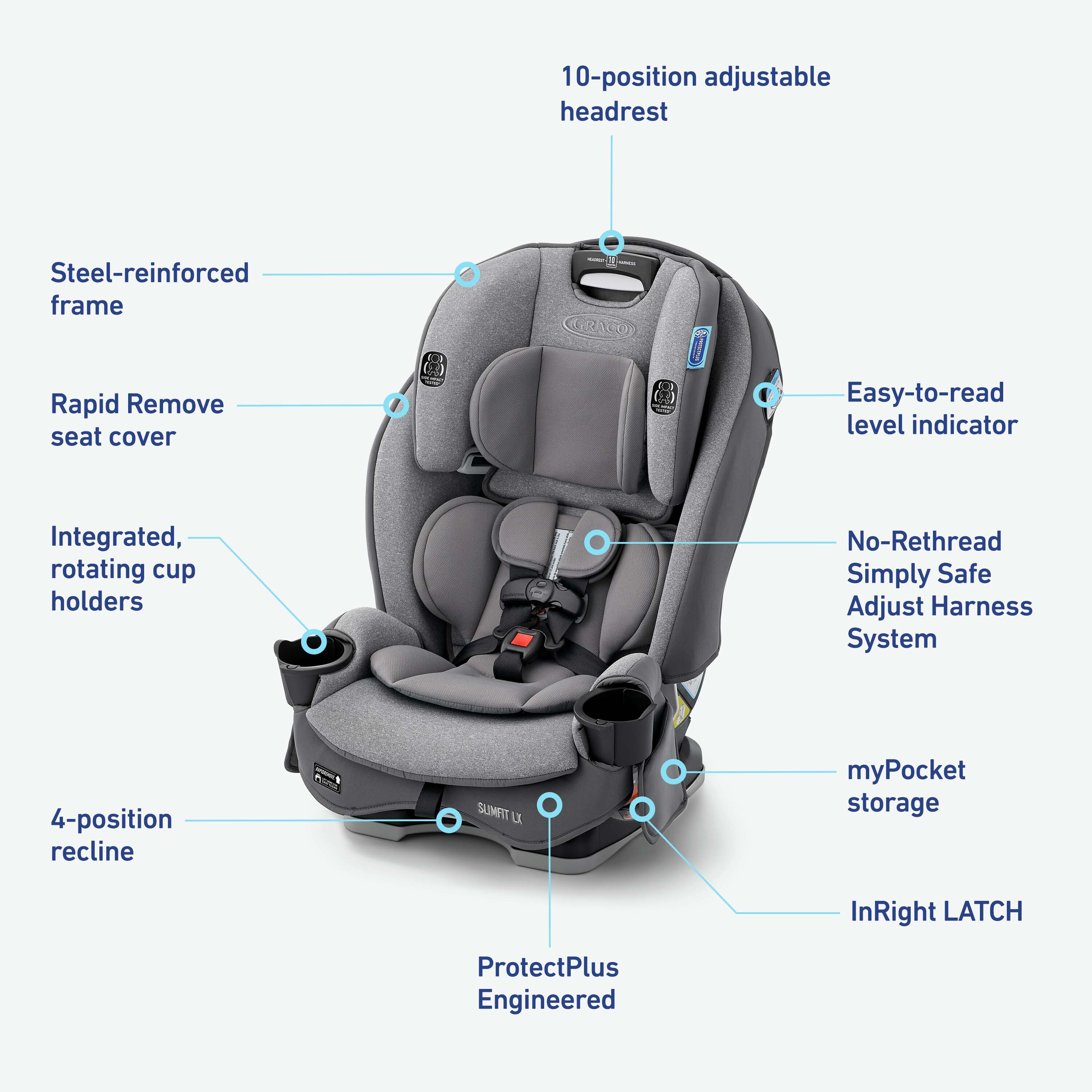
- Built-in Tensioning Systems: Many brands now include "click-tight" or "easy-tension" doors. You route the seat belt through the path, close a panel, and the seat automatically tensions the belt, removing the need for physical muscle to get a tight fit.
- Rigid LATCH: This involves metal connectors that extend from the car seat and snap directly onto the vehicle’s anchors. This is often considered the easiest and most secure method, though it is less common in convertible seats than in infant bases.
- Bubble Levels and Indicators: To ensure the seat is at the correct recline angle, look for integrated mechanical levels. These provide immediate visual feedback that the seat is positioned safely for an infant's developmental stage.
Remember the One-Inch Rule: Once installed, the car seat should not move more than one inch in any direction when pulled at the belt path.
4. Weight and Height Limits for Extended Rear-Facing
Pediatricians and safety experts emphasize "Extended Rear-Facing" (ERF) as the gold standard for child passenger safety. In a frontal collision, a rear-facing seat cradles the child’s head, neck, and spine, distributing the force across the shell of the seat rather than concentrating it on the child's body.
When choosing a convertible seat, check the maximum weight and height for the rear-facing mode. While the minimum legal requirement in many jurisdictions is two years old, many seats in 2026 allow children to remain rear-facing until they reach 40, 45, or even 50 pounds.
- Rear-Facing Height Limit: Usually defined as the child’s head being at least one inch below the top of the car seat shell or headrest.
- Forward-Facing Transition: Only transition to forward-facing once the child has reached the absolute maximum weight or height limit for rear-facing.
A seat with higher limits offers better long-term protection and prevents the need for an early transition to a forward-facing position.
5. Harness Design and Ease of Use
Daily use of a car seat involves buckling and unbuckling your child multiple times. A "fussy" harness system can lead to errors in securing the child.
Look for a no-rethread harness. In older models, adjusting the shoulder strap height required manually unhooking the straps from the back and threading them through higher slots. A no-rethread harness allows you to adjust the headrest and shoulder straps simultaneously with one hand as the child grows.
Additionally, consider the buckle design. Some buckles are notoriously stiff, while others feature magnetic clip holders that keep the straps out of the way while you place the child in the seat. This prevents the "digging for straps" struggle that often results in twisted webbing—a major safety hazard that prevents the harness from tightening properly against the child’s chest.
6. Maintenance, Cleaning, and Longevity
Infants are prone to spills, diaper leaks, and motion sickness. A convertible seat that is difficult to clean will become a significant burden. In 2026, many manufacturers offer naturally flame-retardant fabrics (such as merino wool) that do not use added chemicals, which is a popular choice for families prioritizing "green" or non-toxic materials.
Check if the seat cover is machine washable and, more importantly, if it is easy to remove. Some covers require complete uninstallation of the seat to take them off, while others "snap" off in sections.
Regarding longevity, every car seat has an expiration date, typically ranging from 6 to 10 years from the date of manufacture. Since a convertible seat is intended to last from infancy through the preschool years, ensure the model you choose has a long enough lifespan to accommodate your child’s growth or potentially be used for a younger sibling later.
7. Budget vs. Total Cost of Ownership
Convertible car seats range in price from approximately $100 to over $600. While all seats sold in reputable stores meet federal safety standards, the price difference usually reflects ease of installation, fabric quality, and additional safety "extras" like anti-rebound bars.
| Feature Category | Basic Models ($100-$200) | Mid-Range Models ($200-$400) | Premium Models ($400+) |
|---|---|---|---|
| Installation | Manual tensioning/Standard LATCH | Built-in lock-offs/Tensioning panels | Rigid LATCH/Advanced tensioners |
| Side-Impact | Standard foam lining | Multi-layered foam/External pods | Specialized honeycomb/Air-filled pods |
| Harness | Often requires rethreading | No-rethread harness | No-rethread + Magnetic holders |
| Safety Extras | Minimal | Often includes Anti-Rebound Bar | ARB, Load Legs, and Sensor Technology |
| Materials | Basic polyester | Breathable/Performance fabrics | Greenguard Gold/Merino wool |
When calculating value, consider how long the seat will last. A $400 seat that lasts 8 years and converts into a high-back booster may ultimately be more cost-effective than buying a $150 infant seat followed by a $200 convertible seat and a $100 booster.
Common Mistakes to Avoid
Even with the best guide, certain common pitfalls can compromise car seat safety:
- Using Second-Hand Seats: Unless you know the seat's entire history (meaning it was never in a crash, even a minor one) and it hasn't expired, avoid used seats. Stress fractures in the plastic can be invisible to the naked eye.
- Bulky Clothing: Never place a child in a car seat wearing a heavy winter coat. The fluff compresses in a crash, leaving the harness dangerously loose. Use thin layers and place a blanket over the harness instead.
- Incorrect Harness Height: For rear-facing, harness straps should be at or below the child's shoulders. For forward-facing, they must be at or above the shoulders.
- Chest Clip Placement: The chest clip should always be at armpit level to ensure the straps stay positioned over the strong bones of the shoulders.
Frequently Asked Questions
When is the best time to buy a convertible car seat?
Many parents choose to buy a convertible seat when their child is around 6 to 9 months old, as they begin to outgrow the height limits of their infant "bucket" seat. However, because many convertible seats are rated for use starting at 5 pounds, you can use one from birth. Buying during major sales events like "Baby Safety Month" (September) or annual clearance periods can yield significant savings on premium models.
Can I install a convertible car seat in the middle of the back seat?
The middle seat is statistically the safest location, as it is furthest from side-impact collisions. However, you must ensure your vehicle and the car seat allow for a "center install." Many vehicles do not have LATCH anchors for the middle seat, meaning you would need to use the vehicle's seat belt for installation. Always verify this in both the car seat manual and your vehicle’s owner's manual.
What is the "rebound" in a car seat, and why does it matter?
Rebound occurs in a rear-end or frontal collision when the car seat bounces back toward the rear of the vehicle. This secondary movement can cause the child’s head to strike the vehicle seat back. Features like Anti-Rebound Bars (ARB) or specialized tethering systems are designed specifically to absorb this energy and limit the seat's movement during this phase of a crash.
How do I know if my car seat has been recalled?
To stay informed about safety recalls, you should register your car seat with the manufacturer using the card provided in the box or through their website. You can also check the NHTSA website regularly by entering your seat’s brand name and model number. In 2026, many "smart" car seats also provide recall notifications through synced mobile applications.
Is a more expensive car seat always safer?
All car seats sold in the U.S. pass the same federal crash tests. A more expensive seat is not necessarily "safer" in a baseline frontal crash, but the extra cost often covers features that make a correct installation much easier to achieve. Since an incorrectly installed seat is the greatest safety risk, the "ease of use" features found in expensive models do provide a tangible safety benefit in real-world scenarios.
Final Recommendation
Before finalizing your purchase, visit a local certified Child Passenger Safety Technician (CPST). These experts can help you practice the installation in your specific vehicle and ensure you understand the unique adjustments of your chosen model. Always prioritize a seat that fits your child, fits your vehicle, and is one you can use correctly on every single trip.