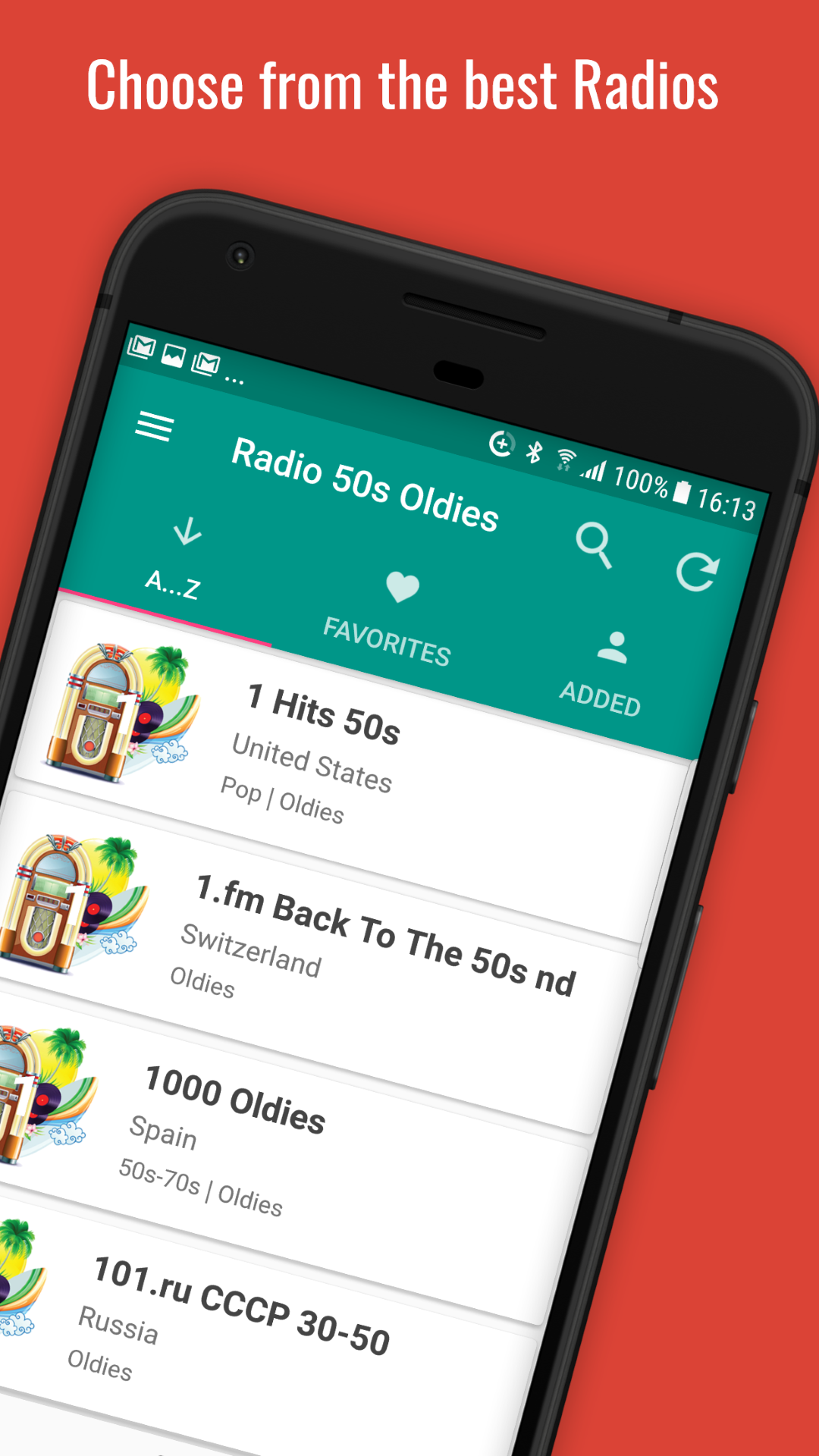
The history of 50s music radio stations is a journey from the birth of the Top 40 format to the modern digital nostalgia landscapes of 2026. Originally centered on high-energy AM broadcasts and the rise of the disc jockey, the format transitioned through "Oldies" iterations before finding its current home on satellite and specialized internet streams.
The Genesis of the 50s Radio Sound: From Variety to Specialization
Before the 1950s, radio was dominated by national networks like NBC and CBS, which focused on "block programming." This meant a listener might hear a comedy show, followed by a soap opera, followed by a live orchestra. However, as television began to steal the mass-market audience for visual storytelling, radio stations were forced to reinvent themselves to survive.
The 1950s marked the era where music became the primary product of the airwaves. This shift was fueled by the emergence of Rock 'n' Roll, a genre that demanded a new kind of presentation. The transition was not merely about the songs played but about the "sound" of the station itself. Disc jockeys became the stars, moving away from the formal, clipped tones of news announcers toward high-energy, personality-driven performances.
Early pioneers like Alan Freed in Cleveland and New York played a pivotal role. Freed’s "Moondog House" show broke racial barriers by playing R&B records (then called "race records") for a largely white teenage audience. This era established the fundamental relationship between the radio station and the youth culture, a bond that would define the industry for decades.
The Invention of the Top 40 Format
In the early 1950s, the concept of a "format" as we know it today did not exist. That changed when Todd Storz and Gordon McLendon observed patrons at a diner repeatedly playing the same songs on a jukebox. They noticed that listeners didn't necessarily want variety; they wanted familiarity.
This observation led to the creation of the Top 40 format. The strategy was simple but revolutionary: identify the 40 most popular songs and play them in a tight rotation. By 2026, the psychology behind this remains a cornerstone of music programming, though the "Top 40" of the 1950s was uniquely diverse, blending Perry Como and Doris Day with Elvis Presley and Little Richard.
The Role of the Program Director
The rise of the Top 40 format necessitated a new hierarchy in the station. The Program Director (PD) became the architect of the station's sound, selecting the playlist and ensuring that the "clocks"—the hourly schedule of music, commercials, and news—were followed strictly. This moved power away from individual DJs and toward a centralized, branded station identity. This standardization allowed stations like WABC in New York and KHJ in Los Angeles to become legendary "Boss Radio" powerhouses.
Technical Evolution: From AM Dominance to FM Fidelity
During the 1950s and the subsequent decades when 50s music was first categorized as "Oldies," AM (Amplitude Modulation) was the king of the airwaves. AM signals traveled long distances, especially at night, allowing "clear channel" stations to reach listeners hundreds of miles away.
However, AM radio had technical limitations, including susceptibility to atmospheric interference and a narrow frequency response that lacked the "high fidelity" required for the burgeoning stereo era. As the 1960s and 70s progressed, the 50s hits moved toward FM (Frequency Modulation). FM offered superior sound quality and stereo capabilities, which gave a new life to the early recordings of the 50s, allowing listeners to hear the nuances of the production in ways that were impossible on a portable transistor radio.
By the time the format matured into the "Oldies" category in the 1980s, FM stations like WCBS-FM in New York became the standard-bearers. They utilized high-end processing to make 1950s mono recordings sound "fat" and punchy, competing with modern 80s pop on the dial.
Defining the "Oldies" Format (1970s–2000s)
As the teenagers of the 1950s grew into the primary consumers of the 1970s and 80s, radio stations capitalized on nostalgia. The term "Oldies" was coined to describe a format that focused almost exclusively on the period between 1955 and 1964—essentially from the birth of Rock 'n' Roll to the arrival of the Beatles.
The WCBS-FM Model
The gold standard for the 50s music format was established by WCBS-FM. Their approach wasn't just about the music; it was about the culture. They employed legendary "personality" DJs who had lived through the era, and they utilized authentic PAMS jingles—the upbeat, harmonized station IDs that were synonymous with 1950s and 60s radio.
Key elements of a classic 50s-focused Oldies format included:
- The "Million Dollar Weekend": Special programming blocks where only the biggest hits were played.
- Doo-Wop Sundays: Dedicated hours for the vocal harmony groups that were a staple of urban 50s culture.
- The 55-Minute Music Hour: A marketing tactic used to promise fewer commercials and more "Gold" hits.
The Decline of 50s Music on Terrestrial Radio
By the mid-2000s, a significant shift occurred in the radio industry. Advertising agencies began to prioritize the 25-54 age demographic. As the "Class of 1955" moved into their 60s and 70s, they fell outside the primary target for many major advertisers.
Consequently, many terrestrial FM stations began "aging up" their playlists. The 1950s tracks were slowly phased out, replaced by hits from the 1970s and 80s. The "Oldies" format rebranded as Classic Hits. On these stations today, in 2026, it is rare to hear a 1950s track unless it is a massive crossover hit like "Johnny B. Goode" or "Jailhouse Rock."
The Digital Migration: 50s Radio in 2026
While 50s music has largely vanished from the standard FM dial, it has found a vibrant second life in the digital realm. As of 2026, technology has allowed the 50s format to diversify into highly specific sub-genres that were never commercially viable on terrestrial radio.
Satellite and HD Radio
SiriusXM's "50s on 5" remains the most prominent example of a dedicated 50s format. Because satellite radio operates on a subscription model rather than a purely demographic-based advertising model, it can afford to cater to the "Vintage" audience. Similarly, HD Radio (digital sub-channels on existing FM stations) often hosts 50s programming as a secondary service for niche audiences.
Internet Radio and Streaming
The most significant growth for the 50s format has been in the "Boutique" internet radio sector. Platforms like TuneIn, iHeartRadio, and independent broadcasters offer streams that mimic the 1950s experience with incredible accuracy.
Some stations in 2026 even use AI-driven voice tracking to recreate the sound of 1950s DJs, using historical scripts and vernacular to provide a fully immersive time-capsule experience. These stations are not just playing music; they are preserving a broadcasting style that includes vintage commercials and "breaking news" segments from the 50s.
Structural Comparison of 50s Radio Platforms (2026)
| Feature | Terrestrial AM/FM | Satellite Radio | Internet Streaming |
|---|---|---|---|
| Availability | Limited; mostly small markets | Nationwide (North America) | Global |
| Audio Quality | Variable (Low on AM) | Consistent Digital | High-Resolution / Lossless |
| Curation | Broad/Corporate | Professional/Live | Niche/Algorithm/Boutique |
| Commercials | High frequency | None (Subscription) | Variable (Ad-supported/Free) |
| Nostalgia Factor | Moderate | High (Uses period DJs) | Very High (Full immersion) |
| Interactivity | Phone-ins (rare) | Limited | High (Chat/Social integration) |
The Art of 50s Music Programming
To successfully run a 50s-format station, a Program Director must balance three distinct musical pillars:
- The Rock 'n' Roll Pioneers: Artists like Chuck Berry, Buddy Holly, and Elvis Presley. These tracks provide the energy and "edge" of the station.
- The Vocal Groups (Doo-Wop): Groups like The Drifters, The Platters, and The Five Satins. This music is the "heart" of the format, often associated with the romanticized image of 50s youth culture.
- The "High Pop" Crooners: Traditional pop artists who remained popular throughout the decade, such as Frank Sinatra, Dean Martin, and Nat King Cole.
A common mistake in modern 50s programming is over-relying on "novelty" songs (e.g., "The Purple People Eater"). While these were hits, a station that plays too many of them loses its musical credibility and becomes a "caricature" of the era rather than a legitimate music source.
The Payola Legacy and Radio Regulation
A critical part of 1950s radio history is the Payola Scandal of 1959-1960. "Payola" was the practice of record labels paying DJs to play specific records. This was not illegal at the time but was considered unethical and anti-competitive.
The subsequent Congressional hearings led to the downfall of Alan Freed and changed the industry forever. The Federal Communications Commission (FCC) fcc.gov established stricter rules, making it a federal crime to take money for airplay without disclosure. This shifted the power of music selection from the DJ to the station management, a structure that persists in 2026. This regulation ensured that the "Format" was a product of the station's brand, not an individual's wallet.
Finding 50s Radio Today: A Guide for Listeners
For those seeking the authentic sound of the 1950s in 2026, the search has moved online.
- Search for "Vintage Radio" or "Mid-Century" streams: Many curators now use these terms instead of "Oldies" to attract younger fans of the aesthetic (the "Retro" movement).
- Utilize the Radio Garden App: This allows you to browse terrestrial stations globally. Some smaller towns in the American Midwest and the UK still maintain "Community Radio" stations that play 50s music.
- Check Educational and Public Stations: Many university-run stations host weekly 50s programs that focus on the historical context of the music, offering "deep cuts" that commercial radio ignores.
Common Misconceptions About 50s Radio
Many people believe that 50s radio was a monolith of Rock 'n' Roll. In reality, it was a battleground of genres. Country music (then called "Hillbilly" music) had a massive influence on the early Rockabilly sound. Likewise, jazz was still a major force on the airwaves.
Another misconception is that 1950s stations were integrated. While the music crossed racial lines, the stations themselves were often segregated in their staffing and ownership. The history of 50s radio is also a history of the "Black Appeal" stations like WDIA in Memphis, which provided a blueprint for the high-energy personality radio that white-owned stations would later adopt.
FAQ
Is there still 50s music on FM radio in 2026?
Very little. Most terrestrial FM stations have transitioned to "Classic Hits," which focuses on the 1980s and 90s. To hear dedicated 50s music on the FM dial, you usually have to look for low-power community stations or HD Radio sub-channels.
What is the difference between "Oldies" and "Classic Hits"?
The "Oldies" format originally focused on the 1955–1964 era. "Classic Hits" is the evolution of that format, which now primarily plays music from the late 1970s through the early 2000s. The 1950s have essentially been "pushed out" of the Classic Hits definition by younger demographics.
Who was the most influential DJ of the 1950s?
Alan Freed is generally considered the most influential for popularizing the term "Rock 'n' Roll" and breaking R&B music into the mainstream. Other notables include Dick Clark, who utilized the emerging power of television with American Bandstand to amplify radio trends.
Why does 50s radio sound so "fast" and "loud"?
This is due to audio compression. In the 1950s and 60s, AM stations used heavy compression to ensure their signal was the loudest on the dial, which helped listeners find them amidst the static. Modern 50s streams often replicate this "processing" to give the music an authentic "vintage" feel.
Can I listen to original 1950s radio broadcasts today?
Yes. Many archives, such as the Library of American Broadcasting, hold recordings (called "Airchecks") of original 1950s broadcasts. These allow you to hear the original DJs, commercials, and news reports exactly as they sounded at the time.
Final Recommendation for 50s Music Enthusiasts
For a truly authentic experience in 2026, do not rely on standard algorithms from major streaming services, as they often lack the "flow" and personality of real radio. Instead, seek out curated internet radio stations that employ live or voice-tracked DJs. The 1950s format was never just about the songs; it was about the communal experience of the DJ connecting the listener to the music through stories, jingles, and a high-energy "Boss Radio" presentation.