Securing affordable vehicle protection in the Palmetto State requires a strategic approach, comparing minimum state liability limits, leveraging good student discounts, utilizing telematics programs, joining an experienced family policy, and maintaining a clean driving record. Because insurers view drivers under the age of 25 as statistically higher-risk due to a lack of empirical driving experience, premiums can be exceptionally steep. However, understanding the regulatory environment managed by the South Carolina Department of Insurance and optimizing specific rating factors can dramatically reduce annual costs.
Navigating the insurance market as a young driver in South Carolina involves balancing state-mandated coverage minimums with adequate personal protection. This guide details five actionable strategies to help young motorists and their parents secure competitive rates without sacrificing coverage quality.
Understanding the South Carolina Auto Insurance Landscape for Young Drivers
South Carolina law mandates that all registered motor vehicles carry minimum liability coverage. The current statutory limits are often referred to as 25/50/25 coverage:
- $25,000 for bodily injury liability per person injured in an accident.
- $50,000 for total bodily injury liability per accident when multiple people are hurt.
- $25,000 for property damage liability per accident.
Additionally, South Carolina requires uninsured motorist (UM) coverage to protect policyholders against drivers who lack insurance. Underinsured motorist coverage may also apply depending on policy selections.
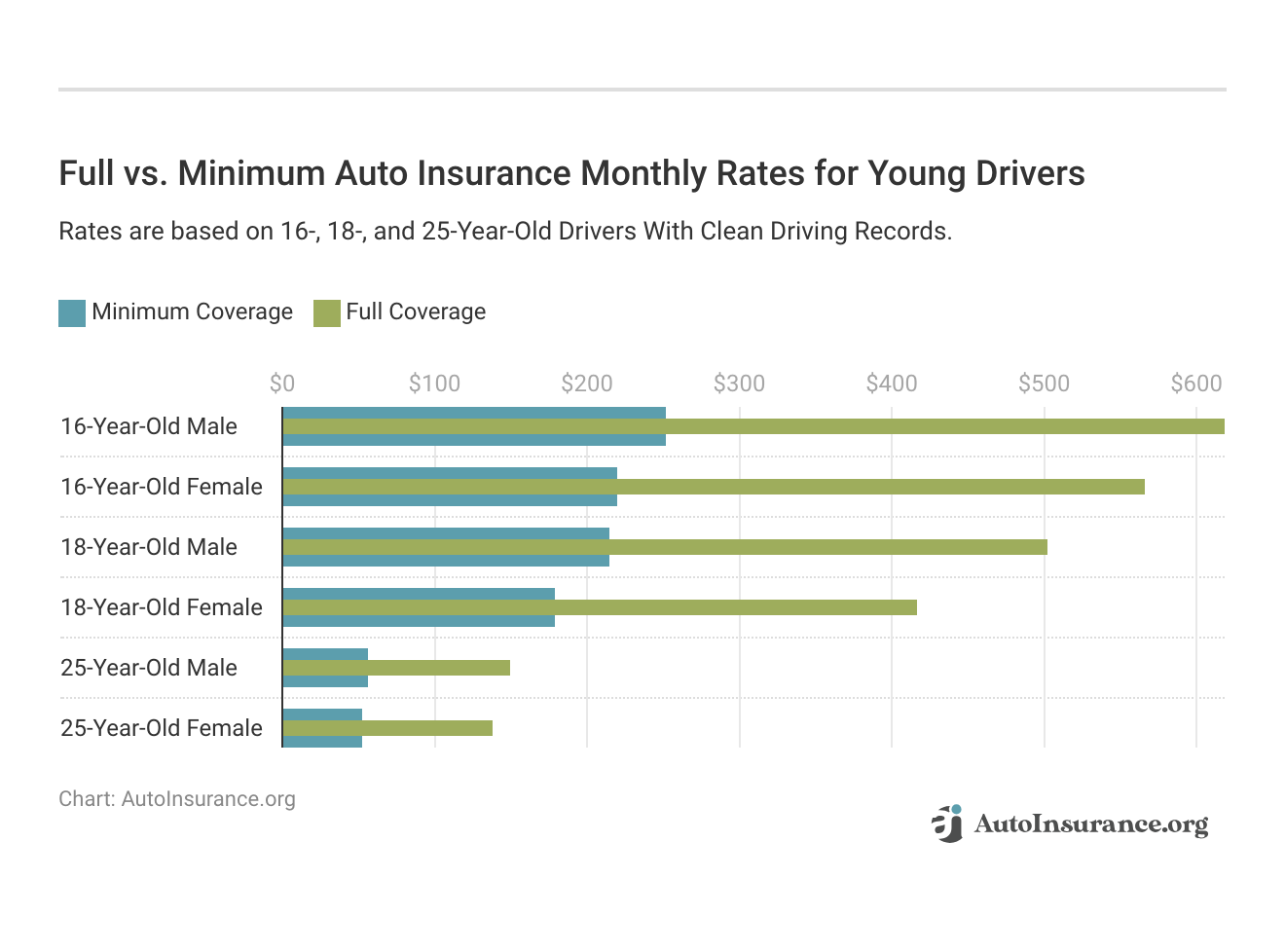
For young drivers—typically categorized between the ages of 16 and 24—these mandatory coverages come at a premium. Insurance underwriters utilize predictive modeling based on actuarial data, revealing that younger demographics experience higher frequencies of collisions. Consequently, finding the best rates requires looking beyond basic quotes and actively manipulating the variables that underwriters evaluate.
1. Leverage Good Student and Academic Discounts
Insurance carriers view academic performance as a proxy for responsibility and risk management. High school and full-time college students who maintain a specific grade point average (GPA) or class standing can secure substantial policy reductions.
How Academic Discounts Work
Most major insurers operating in South Carolina offer a "Good Student Discount," which typically requires a minimum "B" average, a 3.0 GPA, ranking in the upper 20 percent of a class, or achieving specific thresholds on standardized tests like the SAT, ACT, or CLT.
- Verification Requirements: Insurers will periodically request official report cards, transcripts, or registrar letters to verify ongoing eligibility.
- Discount Magnitude: Savings generally range from 10% to 25% off the premium portion attributed to the young driver.
- Age Limits: This discount is typically available to unmarried drivers under the age of 25 enrolled in high school, vocational school, or an accredited college or university.
Maintaining consistent academic performance is one of the most cost-effective ways to offset the high baseline costs associated with youthful operator surcharges.
2. Opt for Telematics and Usage-Based Insurance Programs
Traditional auto insurance pricing relies heavily on broad demographic data—age, gender, ZIP code, and vehicle make. However, modern telematics programs allow young drivers to be judged by their actual driving habits rather than statistical averages.
Understanding Usage-Based Insurance (UBI)
Telematics programs utilize a smartphone application or a small plug-in device (dongle) installed in the vehicle's OBD-II port. These tools monitor driving telemetry in real time, focusing on specific metrics:
- Speed Management: Tracking adherence to posted speed limits.
- Acceleration and Braking: Measuring harsh stops and rapid starts, which indicate aggressive driving.
- Distracted Driving: Monitoring whether the driver handles a smartphone while the vehicle is in motion (evaluated by some modern apps).
- Time of Day: Assessing exposure risk during late-night hours.
For young drivers who practice safe, defensive habits and drive moderate distances, enrolling in a UBI program can yield immediate participation discounts and ongoing renewal savings of up to 30% or more. Conversely, erratic driving behaviors can occasionally result in premium increases, making this option best suited for disciplined motorists.
3. Join or Stay on a Parent’s Multi-Car Policy
Purchasing an individual, standalone auto insurance policy as an 18- or 19-year-old is often cost-prohibitive. Insurers price standalone policies for young adults at peak rates because the individual lacks an established insurance score or multi-line household history.
The Economics of Family Bundling
Adding a young driver to an existing parent or family policy is almost universally more affordable than buying a separate policy.
- Multi-Car Discounts: Insurance companies reward households that insure multiple vehicles under a single contract.
- Policy Tenure: Established policyholders benefit from tenure discounts and loyalty programs that absorb the addition of a youthful driver more gracefully than a new standalone policy would.
- Vehicle Allocation: Families can designate the young driver as an "occasional operator" of a specific, safer vehicle (such as a mid-sized sedan with high safety ratings) rather than the primary driver of a high-risk sports car.
Note on Residency: Insurers generally require that household members reside at the same address or that college students remain dependents on the parents' tax return while away at school to remain on the family policy.
4. Choose Vehicles with Low Insurance Loss Histories
The make, model, and year of the vehicle driven by a young motorist exert a massive influence on premium calculations. Insurers analyze proprietary data regarding repair costs, safety ratings, theft rates, and historical injury claims associated with specific vehicle types.
Vehicle Selection Criteria for Lower Rates
When shopping for a car for a young driver in South Carolina, prioritizing specific engineering and demographic factors helps keep insurance expenses manageable:
- Safety Features: Vehicles equipped with advanced driver-assistance systems (ADAS), electronic stability control, and comprehensive airbag arrays qualify for specific safety discounts.
- Repairability: Standard commuter sedans with widely available parts are cheaper to insure than exotic sports cars, luxury vehicles, or heavy-duty pickup trucks.
- Collision and Comprehensive Claims: Cars with low historical loss ratios—meaning they are less frequently stolen or involved in costly single-vehicle accidents—attract lower insurance premiums.
Consulting safety evaluations from the Insurance Institute for Highway Safety (IIHS) before purchasing a vehicle ensures that the chosen automobile will not trigger excessive insurance surcharges.
5. Raise Deductibles and Optimize Coverage Limits Strategically
Adjusting the policy structure itself is a direct method for controlling premium costs, provided the policyholder understands the financial trade-offs involved.
Deductibles vs. Out-of-Pocket Risk
The deductible is the amount the policyholder pays out-of-pocket before insurance coverage kicks in for collision and comprehensive claims.
- Raising Deductibles: Moving a deductible from $500 to $1,000 can reduce collision and comprehensive premiums by 10% to 20%. However, young drivers must ensure they have emergency savings available to cover the higher deductible in the event of an incident.
- Dropping Collision on Older Cars: If a young driver operates an older vehicle with a market value lower than the cost of maintaining full coverage plus the deductible, it may be financially prudent to drop collision and comprehensive coverage entirely, retaining only liability protection.
Careful evaluation of asset protection versus monthly cash flow prevents young drivers from paying for coverage that exceeds the actual economic value of the automobile.
Comparison of Cost-Reduction Strategies
| Strategy | Estimated Savings Potential | Implementation Difficulty | Best Suited For |
|---|---|---|---|
| Good Student Discount | 10% – 25% | Low | High school and college students with a B average or 3.0 GPA. |
| Telematics / UBI Apps | Up to 30%+ | Moderate | Disciplined drivers who avoid speeding and late-night driving. |
| Family Policy Bundling | 20% – 40% vs. standalone | Low | Teen drivers living at home or dependent college students. |
| Smart Vehicle Selection | Varies widely | High (Requires car choice) | Families purchasing a first vehicle specifically for a young driver. |
| Adjusting Deductibles | 10% – 20% on physical damage | Low | Drivers with emergency savings to cover higher out-of-pocket costs. |
Frequently Asked Questions
Why is auto insurance so expensive for young drivers in South Carolina?
Insurers price policies based on actuarial risk. Statistics maintained by highway safety organizations indicate that drivers aged 16 to 24 have the highest crash rates per mile driven, primarily due to lack of hazard recognition and driving experience. To offset the statistical likelihood of high-cost claims, insurers charge higher baseline premiums for this demographic.
Can a young driver in South Carolina get insured without a parent?
Yes, legally any individual who has reached the age of majority (18 in South Carolina) can enter into a binding contract and purchase an auto insurance policy independently. However, minors aged 15 or 16 holding beginner's permits or provisional licenses must be integrated into a parent or legal guardian's policy. Independent policies for 18-to-20-year-olds are generally very expensive without a co-signer or established credit history.
Does a speeding ticket dramatically increase rates for young drivers?
Yes. Traffic violations and at-fault accidents trigger surcharges that can increase an auto insurance premium by 20% to 50% or more. Because young drivers already face elevated base rates, a single speeding ticket or minor collision can disproportionately inflate monthly expenses. Maintaining a clean driving record is vital for keeping long-term costs manageable.
How do South Carolina minimum limits affect young drivers?
South Carolina requires minimum liability limits of 25/50/25. While purchasing only these minimums results in the lowest possible monthly payment, it exposes the driver to severe financial risk if they cause an accident that exceeds those limits. Medical bills and vehicle repair costs routinely surpass $25,000, leaving the at-fault driver personally liable for the remaining balance.
Are there state-specific programs for high-risk drivers in South Carolina?
Drivers who have difficulty securing coverage in the voluntary market due to accidents, tickets, or youthful inexperience can access coverage through the South Carolina Automobile Insurance Plan (SCAIP). This assigned-risk plan ensures that all licensed drivers can obtain basic statutory liability insurance, though premiums through assigned-risk pools are typically higher than standard market rates.
Next Actions for Young Drivers and Parents
Finding the best auto insurance rates in South Carolina for young drivers requires proactive comparison shopping across multiple licensed carriers. Begin by gathering quotes that include both minimum statutory limits and higher liability protections (such as 100/300/100) to understand the cost differential. Inquire explicitly about good student discounts, telematics enrollment, and household bundling options before finalizing any policy. Reviewing coverage structures annually ensures that as the young driver ages and gains experience, the policy adapts to secure lower rates over time.